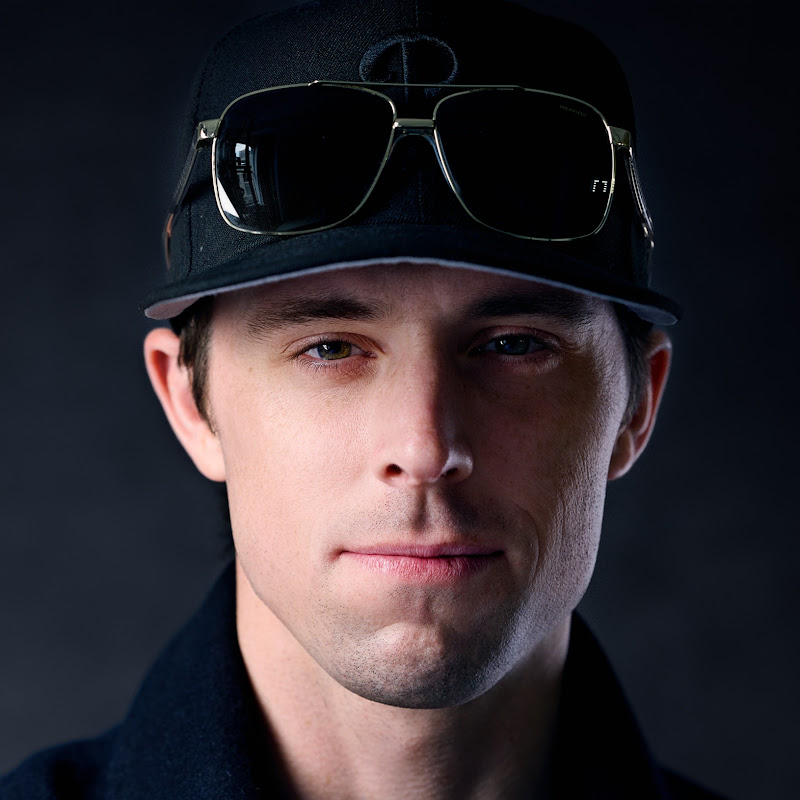
“Disaster!” - Cartel-Tracked CEO on (Legal) Drug 13x More Potent than MORPHINE | Ryan Niddel • 376
YouTube · zzHY6vFha-s
Quick Read
Summary
Takeaways
- ❖Kratom (mitragynine) is a natural plant with mild nootropic and analgesic effects, distinct from its highly potent derivative, 7-hydroxy-mitragynine (7-OHM).
- ❖7-OHM is 13-30 times more potent than morphine and highly addictive, with a short half-life leading to rapid re-dosing and dependence.
- ❖The U.S. supplement industry lacks robust regulatory mechanisms, allowing products to enter the market without rigorous safety testing or clear labeling.
- ❖Diversified Botanics, Niddel's company, implements extreme transparency measures, including 24/7 live factory feeds and blockchain-verified supply chains, to ensure product quality and safety.
- ❖Niddel's efforts to expose the dangers of 7-OHM and advocate for regulation have led to him being tracked by the Sinaloa Cartel and uncovering connections to the Chinese Communist Party and Russian mafia.
- ❖The FDA and DEA face significant staffing and funding limitations, hindering their ability to effectively regulate the rapidly evolving supplement and drug markets.
- ❖Niddel believes 7-OHM, while addictive, may serve as a less harmful alternative for some individuals recovering from opioid addiction, but stresses it should be regulated like a pharmaceutical, not sold in gas stations.
Insights
1The Potency and Addiction Crisis of 7-Hydroxy-Mitragynine (7-OHM)
7-OHM, a metabolite of mitragynine (kratom), is significantly more potent than morphine (13-30 times) and highly addictive due to its short half-life (4 hours), leading users to frequent re-dosing. Unlike natural kratom, which has a ceiling effect, 7-OHM does not, allowing for escalating consumption and severe dependence, often leading to rehab needs.
Niddel's personal interviews with addicted customers, rodent studies showing addiction at 10mg IV, and the industry's shift from 10mg to 200mg per dose in gas station products. The FDA's 8-factor analysis concluded it should be a Schedule I narcotic.
2Systemic Failure in Supplement Regulation
The U.S. supplement industry operates as a 'free-for-all' with minimal FDA oversight. There is no clear mechanism for product submission or mandatory safety testing before market entry. This regulatory vacuum allows unscrupulous manufacturers to sell untested products, as seen with the 2016 Salmonella outbreak linked to kratom and the current proliferation of potent 7-OHM derivatives.
The FDA's requirement for 'reasonable certainty of safety' can be met by anecdotal consumption or in-vitro studies, not rigorous clinical trials. The process for proper safety studies is prohibitively expensive and time-consuming for startups ($100k+, 8 months). The FDA and DEA are understaffed and overwhelmed, prioritizing fentanyl over 7-OHM.
3Geopolitical Exploitation of the Unregulated Market
The lucrative and unregulated 7-OHM market has attracted major international criminal and state-backed organizations. The Sinaloa Cartel, Chinese Communist Party (CCP), and Russian mafia are involved in various aspects, from tracking industry players to supplying precursor chemicals and potentially money laundering, aiming for profit and societal destabilization.
Niddel was directly tracked by the Sinaloa Cartel. Intelligence packages reveal the CCP is shipping extract solutions and solvents to U.S. entities, and there are direct connections to the Russian mafia, suggesting loans or money laundering. The FBI acknowledges these are part of a 'bigger ongoing investigation.'
4Transparency as a Business Model and Regulatory Solution
Diversified Botanics employs extreme transparency measures, including 24/7 live video feeds of their manufacturing facility, blockchain-verified supply chains for all raw materials, and QR codes on products linking to certificates of analysis and updated research. This model aims to build consumer trust, ensure product safety, and provide a template for industry-wide regulation.
The company achieved an 'A' rating on its first NSF certification attempt, a rare feat in the supplement industry. Their system tracks every material component and process, validated by multiple stakeholders (nodes) on a blockchain, making it difficult to falsify data.
5The 'Reverse Opium War' and Societal Destabilization
The proliferation of highly addictive, inexpensive, and non-fatal substances like 7-OHM is viewed as a 'reverse opium war,' where foreign adversaries exploit regulatory weaknesses to profit and destabilize American society by fostering widespread addiction.
The CCP's involvement in shipping precursor chemicals for fentanyl and now 7-OHM, combined with the cartel's distribution networks, creates an ecosystem that builds 'customers for life' and drains societal resources without immediate, high-profile fatalities that would trigger stronger government intervention.
Bottom Line
The current supplement regulatory vacuum creates a 'Trojan horse' scenario where foreign adversaries and criminal organizations can exploit free-market principles to introduce addictive substances, generating revenue and subtly destabilizing society without triggering direct military or severe law enforcement responses.
This suggests that national security must expand its definition to include economic and public health vulnerabilities created by unregulated markets, as these can be weaponized by state and non-state actors.
Develop robust, internationally coordinated regulatory frameworks for novel substances that integrate real-time supply chain monitoring (e.g., blockchain, AI, GPS tracking) to prevent exploitation and protect national interests.
While 7-OHM is highly addictive, some individuals in active opioid recovery report using it as a replacement for more dangerous substances like fentanyl or methadone, suggesting a potential, albeit risky, harm reduction role.
This presents a complex ethical and public health dilemma: should a highly addictive substance be completely banned, or could it be carefully managed within a medical or highly regulated framework as a 'bridge drug' for severe opioid addiction, acknowledging its own addiction profile?
Fund independent research into the comparative harm profiles of 7-OHM versus traditional opioids and opioid replacement therapies, exploring supervised, clinical applications for addiction management under strict medical guidance.
The technology and transparency framework (24/7 live cameras, blockchain, QR codes for COAs) developed by Diversified Botanics for kratom could be a universal solution for validating supply chains and product safety across *all* consumer packaged goods and food industries.
This model could revolutionize consumer trust and accountability in industries plagued by mislabeling and quality issues (e.g., organic food, seafood, other supplements), forcing manufacturers to adhere to higher standards.
Invest in and adapt this transparency technology for broader application across various industries, potentially creating a new standard for 'certified transparent' products that consumers can trust implicitly.
Opportunities
Universal Transparency & Supply Chain Validation Platform
Leverage the blockchain-based, live-feed, and QR-code-enabled transparency system developed by Diversified Botanics to create a third-party platform for any consumer packaged good or food manufacturer. This platform would allow consumers to verify the origin, testing, and manufacturing conditions of any product, setting a new industry standard for trust and accountability.
Affordable Alzheimer's/Dementia Reversal Peptide
Develop and commercialize a 5D amino acid peptide that has shown promise in reversing Alzheimer's and dementia in clinical trials. The business model would prioritize affordability (e.g., $30 retail for a product costing $2.60 to make) to ensure widespread access, challenging the traditional pharmaceutical pricing model.
Key Concepts
Regulatory Arbitrage
Exploiting gaps or inconsistencies in regulatory frameworks between different jurisdictions or product classifications (e.g., supplements vs. pharmaceuticals) to introduce products with minimal oversight, often leading to market dominance and increased risk.
Tragedy of the Commons (Market Version)
When individual actors in an unregulated market prioritize short-term profit by cutting corners or introducing potent, addictive products, it degrades the overall market's reputation and safety, ultimately harming all participants and consumers, making long-term, ethical business difficult.
Lessons
- Exercise extreme caution with supplements, especially those sold in unregulated channels like gas stations or convenience stores, due to the high risk of untested, mislabeled, or dangerous ingredients.
- Demand greater transparency from supplement manufacturers; look for companies that provide verifiable third-party testing, clear ingredient sourcing, and manufacturing process details.
- Advocate for stronger regulatory oversight of the supplement industry, pushing policymakers to implement mandatory pre-market safety testing and clear labeling requirements for all ingestible products.
Building a Transparent & Safe Supplement Supply Chain (Diversified Botanics Model)
**Standardize Serving Sizes & Metered Dosing:** Establish a consistent, safe serving size (e.g., 25mg mitragynine) across all products and ensure packaging includes droppers or other mechanisms for precise, metered dosing.
**Implement Real-time Manufacturing Transparency:** Provide 24/7 live video feeds of all production facilities, allowing public and regulatory bodies to monitor manufacturing processes for cleanliness and adherence to protocols.
**Mandate Multi-stage Third-Party Testing:** Require raw materials to be tested at the source, quarantined upon arrival, and then subjected to independent third-party testing for heavy metals, contaminants (e.g., Salmonella), and alkaloid profiles before processing.
**Utilize Blockchain for Supply Chain Verification:** Employ a blockchain-based system to record and validate every step of the supply chain, from raw material sourcing to final product, with multiple 'nodes' (stakeholders like regulators, banks, competitors) required to approve each transaction, ensuring data integrity and preventing fraud.
**Provide Comprehensive Digital Product Information:** Use QR codes on product packaging to link consumers to a website containing all certificates of analysis, updated research, contraindication warnings, and detailed product information that can be easily updated as new science emerges.
**Proactive Harm Reduction & Customer Monitoring:** Implement internal systems to flag unusual purchasing patterns (e.g., bulk or frequent orders) and proactively contact customers to offer support and ensure responsible consumption, alongside providing resources for those developing unhealthy relationships with products.
Notable Moments
Ryan Niddel is tracked by the Sinaloa Cartel and receives a direct threat related to his DC lobbying efforts.
This highlights the extreme dangers and high stakes involved in challenging the illicit aspects of the unregulated supplement market, revealing the deep penetration of organized crime into this industry.
Diversified Botanics receives an 'A' rating on its first NSF certification attempt, a highly stringent quality standard, making them the only kratom company with this distinction.
This validates their commitment to rigorous quality control and manufacturing excellence, setting a benchmark for safety and transparency in an otherwise unregulated industry.
Niddel's company faces a wrongful death lawsuit, prompting an internal review that reveals the deceased had lethal levels of amphetamines, not kratom, in their system.
This illustrates how kratom can be unfairly blamed for deaths when other substances are the primary cause, contributing to public misunderstanding and misdirected regulatory efforts.
Niddel discovers a 5D amino acid peptide that has reversed Alzheimer's and dementia in 2,200 people, with a potential retail cost of $30 (costing $2.60 to make), and rejects a pharmaceutical buyout.
This demonstrates Niddel's broader commitment to ethical business and public health beyond the kratom industry, highlighting a potential breakthrough in medicine and a challenge to traditional pharmaceutical pricing models.
Quotes
"You mean to tell me the cartel's involved in this somehow? I'm out and about in the world. I see an individual. An individual walks past me and says, 'Have fun in DC tomorrow. I don't think you should go.' Now, no one knows I'm going to DC."
"Metragynine itself, and I could be a little off on this, I think it's I think it's a 20th as potent as morphine. So 1/20th... 7 hydroxy metroine operates 13 to 30 times more potently than morphine."
"If you have the right insurance and you have the right GMP classification, you check the boxes for Amazon. You check the boxes for Whole Foods. You can put that product on shelf and it's never been tested."
"If it's not killing people, which is a messed up basis for base level, I'm acknowledging that. It's still addictive. Yes. But there's a handful of people that are consuming it that it's physically helping them exist."
"It's not all the money in the world. Like, we've been successful as a business and we've had hard times as a business. It's not worth knowing you're causing harm to me. Great."
Q&A
Recent Questions
Related Episodes

Whistleblowers | 60 Minutes Marathon
"This episode compiles harrowing accounts from a dozen whistleblowers who risked everything to expose systemic fraud, deception, and danger across major industries and institutions, from tobacco and aviation to big tech, finance, and government."
The NEW Miracle Peptide Too Powerful for FDA Approval | Mark Bell
"Mark Bell and Danny Jones explore the transformative power of movement, the complexities of modern pharmaceuticals like GLP-1s and the emerging 'James Bond peptide,' and the critical role of mental equanimity in navigating an increasingly chaotic world."

Joe Rogan Experience #2490 - RZA
"RZA and Joe Rogan explore the profound connections between Shaolin philosophy, physical discipline, the dark underbelly of global capitalism, and the evolving landscape of art and immersive technology."

🚨 TRUMP WAS F*CKING VINDICATED IMMEDIATELY 😂😂😂
"The host asserts that Donald Trump's aggressive foreign policy has led to Iran's capitulation, a weakening of China, and a reordering of global alliances, while also highlighting domestic political battles against alleged fraud and communist influence."