
Earth, Wind & Fire on Timeless Music, Legacy & Generations Grooving Together | #RollinWithRoland
YouTube · -fry1YitbMA
Quick Read
Summary
Takeaways
- ❖Classic songs become part of the audience's 'DNA,' leading to strong resistance against DJs mixing classics or artists introducing new material.
- ❖Earth, Wind & Fire's music is played globally every 1 minute and 15 seconds, demonstrating its pervasive cultural impact.
- ❖Music is a ubiquitous cultural force, transcending geographical and generational boundaries, as evidenced by the global rise of Afrobeats and its influence.
- ❖A pivotal early career moment where Funkadelic 'killed' Earth, Wind & Fire on stage in DC spurred the band to intensify their rehearsals and solidify their sound.
- ❖The band experienced a 'breakup,' not just a 'hiatus,' in the early 80s, forcing members into regular jobs before a strategic comeback facilitated by key industry figures.
- ❖Maintaining group cohesion and prioritizing the collective 'entity' over individual ambition was crucial for Earth, Wind & Fire's sustained success, contrasting with many other groups that fractured.
Insights
1Audience Loyalty to Classic Hits
Legacy artists often face an audience deeply committed to their classic hits, making it difficult to introduce new music. The audience's connection to these songs is so profound that they resist any deviation, viewing the originals as part of their personal and collective 'DNA.'
Roland Martin recounts a DJ mixing techno into 'September,' which 'pissed everybody off' (). He also mentions Frankie Beverly & Maze's audience laughing when new material was announced, demanding classics like 'Joy and Pain' (). Earth, Wind & Fire members confirm they don't 'bust their brains' on new records because audiences on tour 'just want to hear the hits' ().
2Music's Ubiquitous and Enduring Cultural Power
Music holds a unique and pervasive place in human experience, transcending time, place, and generation. It is constantly present, shaping memories and influencing culture globally, often acting as a bridge to understanding different artists, countries, and traditions.
One Earth, Wind & Fire member states their songs are played 'every one minute and 15 seconds' somewhere on the globe (). Roland Martin argues music is 'separate and distinct from everything else because at the end of the day, it's everywhere' (). The discussion highlights how Afro beats have 'exploded' globally, causing people to seek out more about the artists and their cultures (, ).
3The Transformative Power of Competition
Facing superior or highly competitive acts can be a powerful catalyst for growth and excellence. Rather than avoiding strong competition, artists can use it to push their own boundaries and refine their craft.
Earth, Wind & Fire recalls a pivotal moment in DC where Funkadelic 'destroyed the stage' after their set, leading Maurice White to declare, 'that ain't never going to happen again.' This prompted the band to return to LA and 'rehearse and rehearse' until they 'jailed' (, ). Roland Martin notes that 'iron sharpens iron' and great artists should want other great artists to push them ().
4Rebuilding a Legacy After a Breakup
Even highly successful groups can face internal and external challenges leading to a temporary cessation of activity. Rebuilding requires humility, forgiveness, and a strategic re-engagement with the audience and industry, often starting from a much smaller scale.
Philip Bailey clarifies their early 80s 'hiatus' was actually a 'breakup' (, ). Ralph Johnson describes working construction and selling stereos during this period, even encountering Maurice White's wife while working retail (, ). He emphasizes the need for 'humility and forgiveness' to return (). The band discusses playing smaller venues and 'bud dates' to rebuild their audience from 'crickets' in 20,000-seat arenas ().
5The Importance of Group Identity and Sacrifice
For long-lasting group success, the collective identity and goals of the entity must supersede individual ambitions. This requires personal sacrifice and a team-oriented mindset, where individual talents contribute to a larger, more powerful whole.
Roland Martin advises New Edition that they 'will never be able to make as much money individually as you can as a group' (). Philip Bailey states that the 'entity becomes bigger than your one person' and that group members 'sacrifice your individuality for the good of the entity' (, ).
Bottom Line
The '50-year mark' appears to be a critical threshold for global recognition and multi-generational acceptance in music, suggesting that cultural impact often requires decades to fully permeate and be understood across diverse demographics.
Artists and cultural producers should view long-term relevance not just as sustained popularity, but as a multi-decade process of cultural embedding. Strategies for enduring legacy should consider how content can be re-discovered and appreciated by future generations.
Invest in archiving and re-contextualizing older works for new platforms (e.g., animation, social media trends) to ensure they reach younger audiences who may not encounter them through traditional channels. Develop metrics for 'generational penetration' beyond immediate popularity.
The transition from 'band first' to 'vocalist first' in music production has altered the 'texture' and complexity of songs, moving away from intricate arrangements and movements that were common when bands incubated in nightclubs.
Modern music often lacks the depth and instrumental interplay of older compositions. This shift impacts listening habits and the potential for multi-layered musical experiences.
There's a niche market for artists and producers who prioritize 'band-first' approaches, utilizing real instruments, complex arrangements, and live performance dynamics. This could appeal to audiences seeking richer, more textured musical experiences, potentially through live concert recordings or immersive audio formats.
Key Concepts
Iron Sharpens Iron
The principle that strong competition or collaboration with equally talented peers pushes individuals or groups to achieve greater excellence. Earth, Wind & Fire's experience with Funkadelic in DC exemplifies this, as being 'killed' on stage motivated them to elevate their performance.
The DNA of Music
The concept that certain songs or artists become so deeply ingrained in an audience's personal and collective memory that they evoke powerful emotional responses and become almost immutable classics. This makes it difficult for audiences to accept alterations or new material from beloved legacy acts.
Lessons
- Prioritize building a strong 'catalog' of timeless hits that resonate deeply with audiences, as these form the bedrock of enduring careers and multi-generational appeal.
- Actively seek out and embrace competition with other high-caliber artists; use these experiences as motivation to refine your craft and push artistic boundaries.
- Cultivate humility and a team-first mindset within creative groups, understanding that the collective entity's longevity and financial success often outweigh individual pursuits.
- Develop a long-term strategy for career resilience, anticipating potential 'breaks' or 'breakups' and planning for the arduous process of rebuilding audience engagement and industry relevance.
Notable Moments
Earth, Wind & Fire was 'killed' on stage by Funkadelic in DC, prompting Maurice White to vow it would 'never happen again' and leading to intense rehearsals that solidified the band's sound.
This anecdote powerfully illustrates the 'iron sharpens iron' principle, showing how a humbling competitive experience can be a profound catalyst for artistic growth and excellence.
Ralph Johnson recounts working construction and selling stereos during Earth, Wind & Fire's hiatus/breakup, even serving Maurice White's wife in the store, before being called back to rejoin the band.
This personal story highlights the profound humility and resilience required to navigate the unpredictable nature of an artistic career, especially after reaching peak success, and the importance of forgiveness in rebuilding relationships.
Quotes
"The music, the way we did it, is in the DNA of the people."
"Music is separate and distinct from everything else because at the end of the day, it's everywhere. Television is not everywhere."
"We were the flower children from LA. Love, peace, and granola. And following us were the Funkadelics... and man, let me tell you something, we finished our set... and they started this groove, man... and they proceeded to kill. And it was at that point Maurice said, 'that ain't never going to happen again.'"
"There is no 'I' in team. It's 'we.' But there is an 'I' in win."
"Nobody comes back from where we were to here. Like, you know, we're talking about all the great concerts and all the stuff that we're doing. Nobody's done what we've done."
Q&A
Recent Questions
Related Episodes
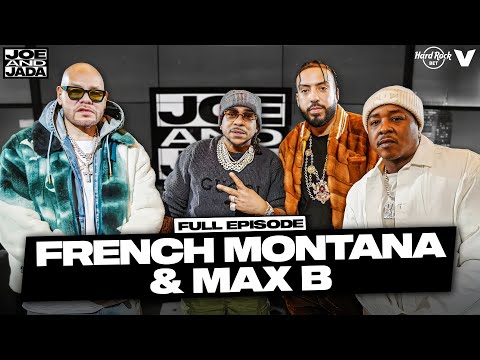
French Montana & Max B on 'Coke Wave 3.5,' prison stories & "All The Way Up" | Fat Joe & Jadakiss
"Max B details his return to music after 17 years in prison, while French Montana and Fat Joe share candid stories about navigating the music industry, from independent success to global hits like 'Unforgettable' and 'All The Way Up'."

¡Exc! Marlene Calderón demanda a Gloria Trevi y asegura que sigue hablando con Sergio Andrade
"Marlene Calderón details her harrowing 9-year ordeal as a victim of the Sergio Andrade clan, exposing Gloria Trevi's complicity and her ongoing fight for justice against powerful figures."

IHIP News: Trump's DEATHBED CONFESSION Era is in FULL-SWING! He Let's the TRUTH SLIP!
"Comedian Billy Eichner reflects on how his New York City upbringing and parents' unconditional love fostered self-acceptance and resilience, offering an antidote to societal shame and political toxicity."

PATREON EXCLUSIVE | The Human Experience (feat. Eric Benet and T.I) | The Joe Budden Podcast
"Eric Benét and T.I. offer candid insights into the evolving music industry, the challenges of maintaining authenticity, and their personal philosophies on career longevity, health, and societal changes."