BREAKING: U.S. Weighs INVADING Iran Oil Island; Gulf Energy Crisis Grows | TBN Israel
YouTube · -oqAgzCT7AM
Quick Read
Summary
Takeaways
- ❖US and Israeli air forces have conducted over 8,500 strikes in Iran, dropping 12,000+ bombs, significantly crippling the Revolutionary Guards' command and control.
- ❖Iran's missile capabilities are reportedly degraded, forcing a reliance on 'splitting cluster missiles' for attacks on Israel.
- ❖Key Iranian Revolutionary Guard figures, including spokesman Ali Muhammad Naeni, have been eliminated in joint US-Israeli strikes, creating a leadership vacuum.
- ❖The US is requesting $200 billion for the war with Iran, indicating a long-term commitment to the conflict.
- ❖Iran is attempting to formalize a 'protection money' scheme for maritime traffic through the Strait of Hormuz, charging vessels to pass.
- ❖A 2020 proposal for a Saudi-Israel oil pipeline to bypass the Strait of Hormuz, previously rejected by Saudi Arabia, is now being reconsidered due to the escalating energy crisis.
- ❖An Iranian terror cell operating under business cover was foiled in the UAE, highlighting Iran's multi-front strategy, including financial and civilian infiltration.
Insights
1US-Israel Air Campaign Systematically Dismantling Iran's Military
Over 21 days, the IDF and US forces have executed more than 8,500 air strikes across Iran, dropping over 12,000 bombs, with 3,600 in Tehran alone. This campaign targets missile systems, drone nests, production facilities, and air defenses, aiming to dismantle launch and command lines before they can threaten Israel. The air force uses advanced tactics like changing targets mid-flight and 'metro trains' for continuous, multi-point attacks, severely damaging the Revolutionary Guards' command, control, and morale.
IDF carried out more than 8,500 air strikes in Iran, dropped more than 12,000 bombs, and about 3,600 of them were in Tehran alone. The focus was on missile systems, drone nests, warehouses, launch sites, and air defenses batteries. One-fifth of sorties change targets while moving through the air. The cumulative result is the Revolutionary Guards struggling to function as an orderly military framework.
2US Considers Ground Invasion of Karag Island and Strait of Hormuz Control
The Trump administration is considering deploying thousands of American soldiers to Iran's shores to secure safe passage for oil tankers in the Strait of Hormuz and potentially seize Karag Island, which handles 90-95% of Iranian crude oil exports. This move would undermine Iran's ability to generate foreign currency and finance proxies, transforming the conflict into a battle for global energy control.
Trump is considering an invasion of Iran's oil island... considering taking control of the island by foot soldiers... The Trump administration is considering placing American soldiers on Iran's shores in order to secure safe passage for oil tankers in the Strait of Hummus and perhaps also in order to seize Karag Island... Karag passes roughly 90 to 95% of the Iranian crude oil exports.
3Iran's Leadership Decapitated, More Extreme Figures Emerge
Joint US-Israeli strikes have eliminated key Iranian Revolutionary Guard figures, including spokesman Ali Muhammad Naeni, Basij commander Golam Raza Sulimmani, and intelligence minister Ismael Katib. This has created a decentralized decision-making vacuum, with more extreme and militarily experienced figures like Parliament Speaker Muhammad Bakr Galibbaf and Revolutionary Guards commander Ahmed Vahidi gaining prominence, indicating a less flexible and more hardline regime.
The spokesman of the revolutionary guards was eliminated, Ali Muhammad Naeni... Basie commander Golam Raza Sulimmani Ali Giani and intelligence minister Ismael Kib all three have been removed from the picture... several key figures are emerging. One of them is Muhammad Bakr Galibbaf, the speaker of the Iranian Parliament... Ahmed Vahidi, the commander of the revolutionary guards who is considered even more extreme than his predecessors.
4Iran Monetizing Strait of Hormuz, Global Oil Economy at Risk
Iran has established a maritime corridor in the Strait of Hormuz and is charging 'protection money' from vessels, with at least nine ships reportedly paying up to $2 million. This move, coupled with a drastic drop in traffic (from 100-130 vessels daily to a handful), poses a severe threat to global energy security, potentially causing an immediate shortage of 14.8 million barrels of oil per day and trillions in economic damage.
Iran has already established a maritime corridor of vessel traffic and it is charging protection money on it. At least nine ships have already used it. In one case, payment of around $2 million was reported... traffic was dropped to only a handful of ships... an immediate shortage of 14.8 million barrels of oil every single day if the straight is blocked for any length of time.
Bottom Line
The US is not just striking current threats but systematically dismantling Iran's missile production capabilities, indicating a long-term strategy to prevent future aggression rather than just reacting to present attacks.
This suggests a deeper, more proactive US military doctrine aimed at degrading an adversary's industrial-military complex, which could be applied in other geopolitical flashpoints.
Defense contractors specializing in precision strike capabilities and intelligence fusion for targeting production lines could see increased demand. Nations seeking to protect critical infrastructure may invest in similar pre-emptive defense strategies.
The internal power vacuum in Iran, with more extreme military figures gaining influence, suggests a hardening of the regime's stance and potentially less room for diplomatic solutions.
This makes de-escalation more challenging and increases the likelihood of continued military confrontation, as these new leaders may prioritize military action over negotiation.
Analysts and intelligence agencies should focus on understanding the internal dynamics and decision-making processes of these emerging Iranian leaders. Businesses with exposure to the region should factor in heightened geopolitical risk and potential for prolonged conflict.
Opportunities
Develop and implement alternative oil and gas transit pipelines bypassing the Strait of Hormuz.
Revisit and accelerate the construction of a pipeline connecting Saudi Arabia (or other Gulf States) through Jordan to Israel's port of Eilat, then via the Eilat-Ashkelon pipeline to European markets. This would provide a secure, non-Iranian controlled route for Gulf oil exports.
Maritime security and insurance solutions for high-risk shipping lanes.
With Iran charging 'protection money' and threatening vessels in the Strait of Hormuz, there's a clear market for specialized maritime security convoys, advanced vessel tracking, and tailored insurance policies that cover geopolitical risks in contested waters. This could involve private military contractors or advanced technological solutions.
Key Concepts
Systematic Dismantling
The US and Israel are not merely reacting to attacks but are actively and systematically destroying Iran's military, production, and command mechanisms, aiming to dismantle the regime's operational logic rather than just individual targets.
War of Attrition vs. War of Decision
The conflict is framed as a war of attrition where Iran continues to inflict damage, while the US and Israel aim for a 'war of decision' by targeting critical infrastructure (like Karag Island and Hormuz) to force a definitive outcome and remove the regime's ability to wage war.
Energy Choke Point Strategy
Iran's strategy involves leveraging its geographical control over the Strait of Hormuz to disrupt global oil trade and extort revenue, turning the conflict into an energy war. The counter-strategy involves securing these choke points and exploring alternative energy transit routes.
Lessons
- Monitor the Strait of Hormuz and Karag Island developments closely, as potential US military action there will significantly impact global energy prices and supply chains.
- Evaluate geopolitical risk exposure for businesses reliant on Middle Eastern energy or shipping routes, considering alternative sourcing or logistics strategies.
- Assess the implications of a more hardline Iranian leadership on regional stability and the potential for prolonged conflict, adjusting investment and operational strategies accordingly.
Notable Moments
The IDF reveals unprecedented air strike numbers in Iran: 8,500 strikes, 12,000+ bombs in 21 days, including 3,600 in Tehran.
This highlights the scale and intensity of the air campaign, indicating a sustained effort to degrade Iran's military infrastructure and leadership, far beyond typical retaliatory strikes.
Confirmation of key Iranian Revolutionary Guard leadership eliminations, including spokesman Ali Muhammad Naeni, Basij commander Golam Raza Sulimmani, and intelligence minister Ismael Katib.
This signifies a deliberate strategy to decapitate Iran's command structure, creating a power vacuum and potentially leading to a less coordinated and more extreme regime.
Discussion of a previously rejected 2020 proposal for a Saudi-Israel oil pipeline to bypass the Strait of Hormuz, now being revisited.
This indicates how the current energy crisis is forcing regional powers to reconsider long-standing geopolitical barriers for strategic economic solutions, potentially reshaping Middle Eastern energy infrastructure.
Quotes
"What Trump or more accurately the American military did this week at K is not a small achievement, but a gamechanging move."
"We will not allow them to harm under cover of this war."
"Whoever controls Karag and controls the access routes to Hmuz holds the key to the Iranian economy and an enormous lever over the global market."
Q&A
Recent Questions
Related Episodes
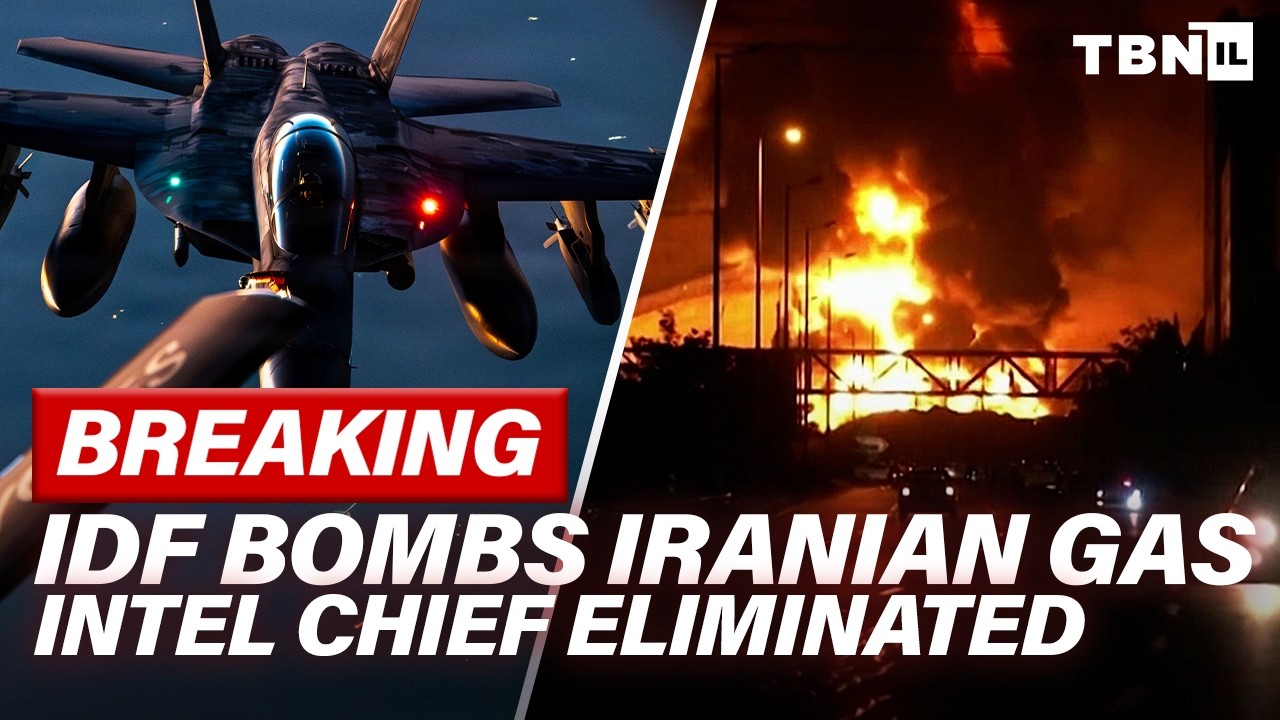
BREAKING: Israel BOMBS Major Iran Gas Site; Top Mullah ELIMINATED; Iran Vows VENGEACE | TBN Israel
"Israel and the United States have escalated their 'Roaring Lion War' against Iran, striking its largest gas facilities, eliminating key intelligence and military figures, and disrupting missile production, while Iran threatens a broader energy war in the Gulf."

Patrick Henningsen: Hezbollah JUST Fired Back at Israel - Iran Vows to “Crush” All Attacks
"Patrick Henningsen argues that the US and Israel initiated an illegal war against Iran, driven by Trump's incompetence and Israeli influence, leading to an inevitable escalation with severe global economic repercussions."
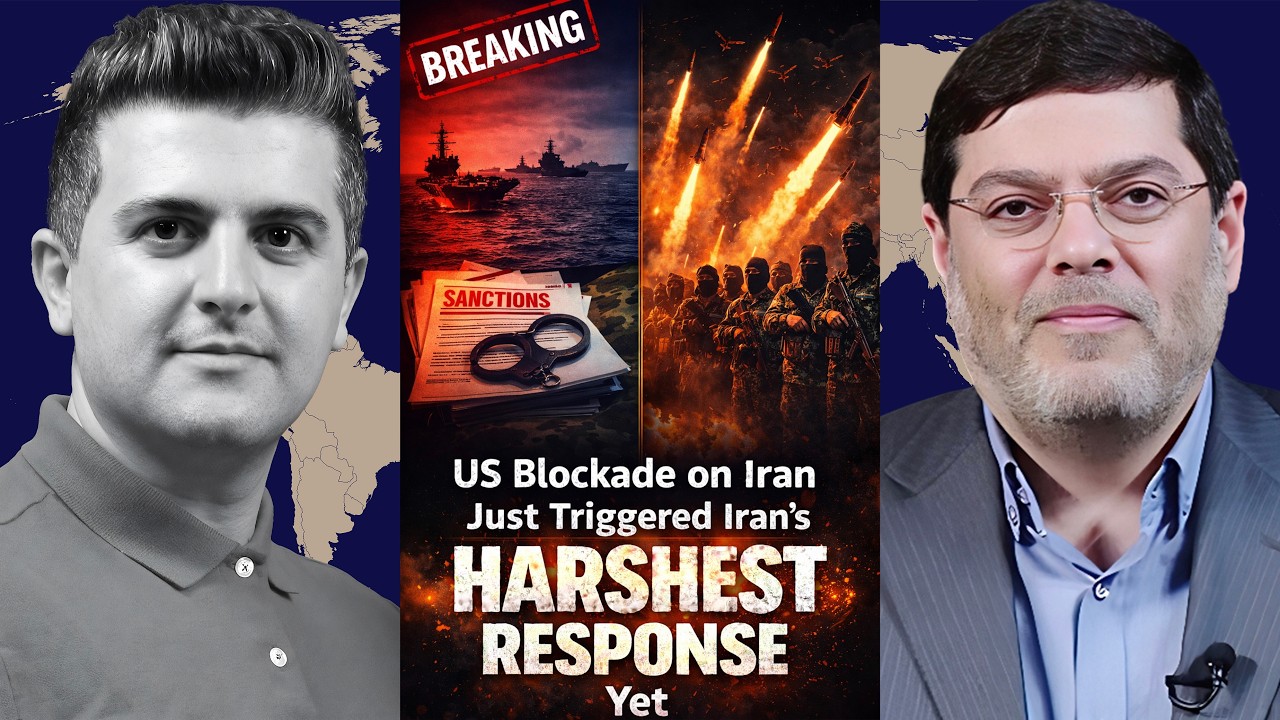
Seyed M. Marandi: US Blockade on Iran Just Triggered Iran’s HARSHEST Response Yet
"An Iranian professor details how US demands and an imposed blockade triggered Iran's harshest response, exposing American strategic missteps and the vulnerability of Gulf Arab states."

Bibi DEMANDS Ground Troops As Marines Rushed to Iran
"Benjamin Netanyahu is pushing for US ground troops in Iran, framing air strikes as insufficient, while the US rushes Marines to the region and struggles to secure the Strait of Hormuz against surprisingly capable Iranian defenses."