
PBS News Hour full episode, June 12, 2026
YouTube · 0AiaYXQytNA
Quick Read
Summary
Takeaways
- ❖The U.S. demands for an Iran deal include opening the Strait of Hormuz, dismantling the nuclear program, ending proxy funding, and an inspection regimen, in exchange for sanctions relief.
- ❖Iran's counter-demands include a ceasefire in Lebanon, shared sovereignty over the Strait of Hormuz, and the release of frozen funds, with nuclear terms to be discussed later.
- ❖Experts express skepticism about the deal's ability to fundamentally alter Iran's nuclear ambitions or support for proxy groups.
- ❖The UFC's growth, from 'human cockfighting' to a multi-billion dollar enterprise, was significantly aided by Donald Trump's early support.
- ❖The White House UFC event is seen as a transactional move to boost Trump's image with young male MMA fans.
- ❖Gazan children are living amidst displacement and loss, with education occurring in tents and damaged buildings, highlighting severe trauma and a desperate yearning for normalcy.
- ❖Bruce Springsteen's new American Music Center aims to place his work within the broader narrative of American music, emphasizing critical patriotism and music's cultural impact.
Insights
1Conflicting Terms Jeopardize U.S.-Iran Peace Deal
Despite both the U.S. and Iran claiming to be close to a peace agreement, significant and public disagreements exist on core terms. The U.S. demands include opening the Strait of Hormuz, dismantling Iran's nuclear program, ending funding for proxy groups, and an enforceable inspection regime. In contrast, Iran insists on a comprehensive ceasefire including Lebanon, shared sovereignty over the Strait of Hormuz with Oman, the release of frozen funds, and only 'downblending' enriched uranium rather than full destruction, with nuclear terms to be discussed at a later stage.
Liz Landers details U.S. demands from a White House briefing []. She then reports on conflicting Iranian statements regarding the 14-point draft memorandum, including Foreign Minister Araghchi's demands for a Lebanon ceasefire, shared Strait of Hormuz management, and downblending uranium []. Alan Eyre notes, '85 percent is actually sort of terrifying, because the closer you get, the harder it is,' and 'They're not going to dismantle their nuclear program' []. Miad Maleki emphasizes Iran's desire to maintain enrichment capability and full release of frozen assets [].
2White House Hosts UFC Cage Fight as Political Spectacle
President Trump is hosting a UFC cage fight on the White House South Lawn, an event framed as both a celebration of his birthday and a strategic political move. This event highlights Trump's long-standing relationship with the UFC, dating back to 2001 when he offered his Taj Mahal Casino for fights when other venues refused. This alliance, particularly UFC President Dana White's continued support after January 6th, is seen as crucial for rehabilitating Trump's public image and engaging a key demographic of young male MMA fans.
Geoff Bennett introduces the event as 'decades in the making for President Trump and the UFC' []. Liz Landers details Trump opening his Taj Mahal Casino for UFC fights in 2001, a move Dana White called 'critical' []. Luke Thomas, combat sports analyst, states, 'There is no mainstream actor anywhere that did as much to try and rehabilitate Donald Trump's image after January 6 as much as the Ultimate Fighting Championship' [].
3Gaza's Children Face Educational Catastrophe Amidst War
Children in Gaza are enduring a severe educational crisis, with over 97% of schools damaged or destroyed by Israeli strikes. Learning now occurs in makeshift classrooms within tents, damaged buildings, or overcrowded shelters. This environment, coupled with the constant struggle for basic survival (food, water) and the loss of family members, inflicts profound trauma, making a return to normalcy and effective learning incredibly difficult.
Ali Rogin reports on 11-year-old Kadi studying in a makeshift classroom with a shattered wall and tarp []. Kadi's father states, 'The children have lost their innocence... They are thinking about how to secure water and food' []. A school headmistress notes students sitting on the ground and floodings []. The United Nations confirms over 97% of schools damaged or destroyed []. UNICEF spokesperson James Elder describes children collecting water, queuing for food, and then studying [].
Lessons
- Monitor the specific language and enforcement mechanisms of any U.S.-Iran agreement, particularly concerning nuclear capabilities and regional proxy support, as public statements often diverge from final texts.
- Analyze the effectiveness of unconventional political events, like the White House cage fight, in shaping public perception and mobilizing specific voter demographics, especially among young men.
- Support international and local initiatives focused on providing educational resources and psychological aid to children in conflict zones, recognizing the long-term impact of war on their development and future prospects.
Notable Moments
Discussion on the historical context of the UFC and its early struggles, including Senator John McCain's opposition calling it 'human cockfighting' and Dana White's credit to McCain for driving regulation.
This provides essential background for understanding the UFC's journey from a controversial niche sport to a mainstream, multi-billion dollar enterprise now hosted at the White House, highlighting the role of regulation and key figures in its legitimization.
Bruce Springsteen's reflection on 'critical patriotism' and the role of music in shaping national politics and culture.
This offers insight into the artist's philosophy, emphasizing the importance of truth-telling and engagement with societal issues, and how he navigates playing to a diverse audience with varying political views.
Quotes
"85 percent is actually sort of terrifying, because the closer you get, the harder it is."
"They have spent 900 or more billion dollars in this nuclear program. They have been selling this to their population as a program that is going to produce electricity and gas and is going to deter foreign aggression, when, in fact, it brought the economy in Iran to where it is today and a nuclear program that is only producing less than 10 percent electricity for them."
"There is no mainstream actor anywhere that did as much to try and rehabilitate Donald Trump's image after January 6 as much as the Ultimate Fighting Championship."
"I believe in critical patriotism. I believe that's the definition of a patriot, that you love your country so much that you are willing to look at it clearly, recognize its faults, encourage it to be a better place, and believe that you carry in your heart the country that is waiting."
"Whenever a president invites someone from the culture into the White House, it's giving the imprimatur of the president... this is degrading the White House, degrading the people's house."
Q&A
Recent Questions
Related Episodes

Iran Deal Skepticism. Whoopi Vs Vance. Potomac Park Invasion. Racist Hurls Slurs At Black Boy.
"This episode dissects multiple instances of alleged anti-Black policies and racial injustice, from the Trump administration's legal challenges to reparations and the Iran deal, to police brutality and the erasure of Black history."
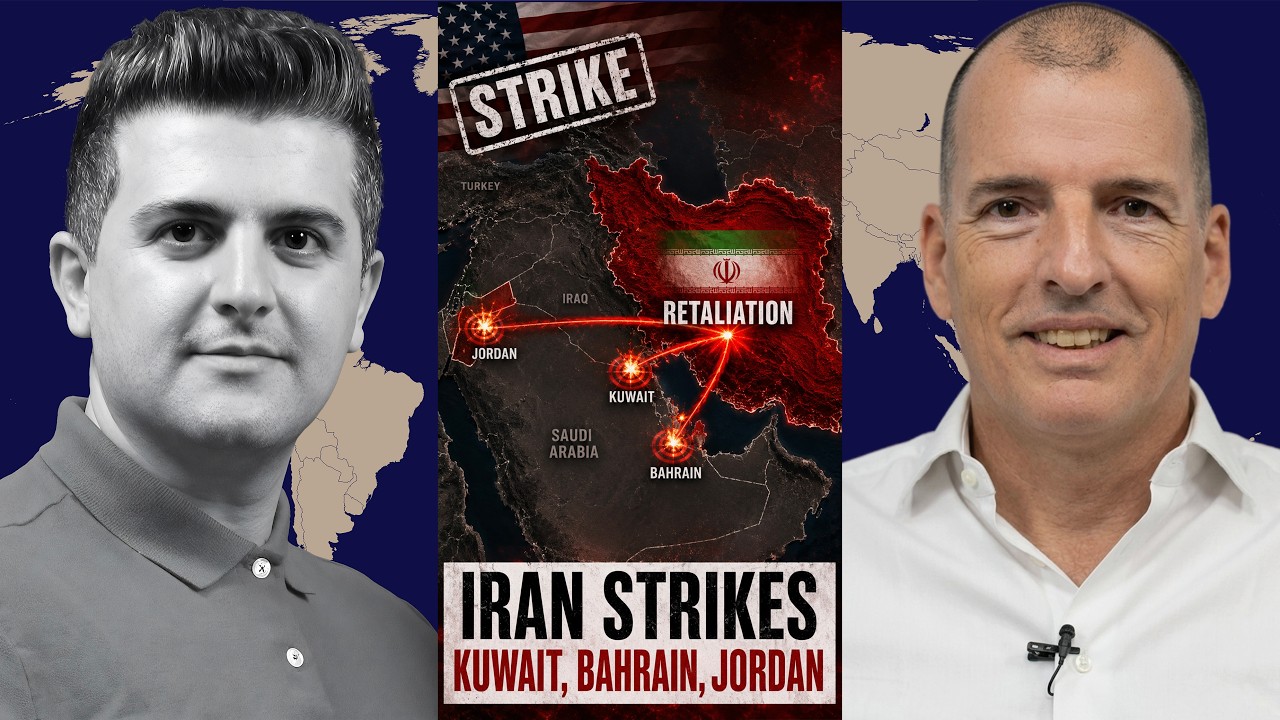
Alex Krainer: US STRIKES Iran – Iran RETALIATES Against Kuwait, Bahrain & Jordan!
"Amidst escalating US-Iran conflict and Iranian retaliation against regional US allies, this episode argues that US foreign policy is deeply controlled by an 'Anglo-Zionist conspiracy' led by the Rothschild banking dynasty, prioritizing Israeli interests over American ones."

Patrick Henningsen: Hezbollah JUST Fired Back at Israel - Iran Vows to “Crush” All Attacks
"Patrick Henningsen argues that the US and Israel initiated an illegal war against Iran, driven by Trump's incompetence and Israeli influence, leading to an inevitable escalation with severe global economic repercussions."
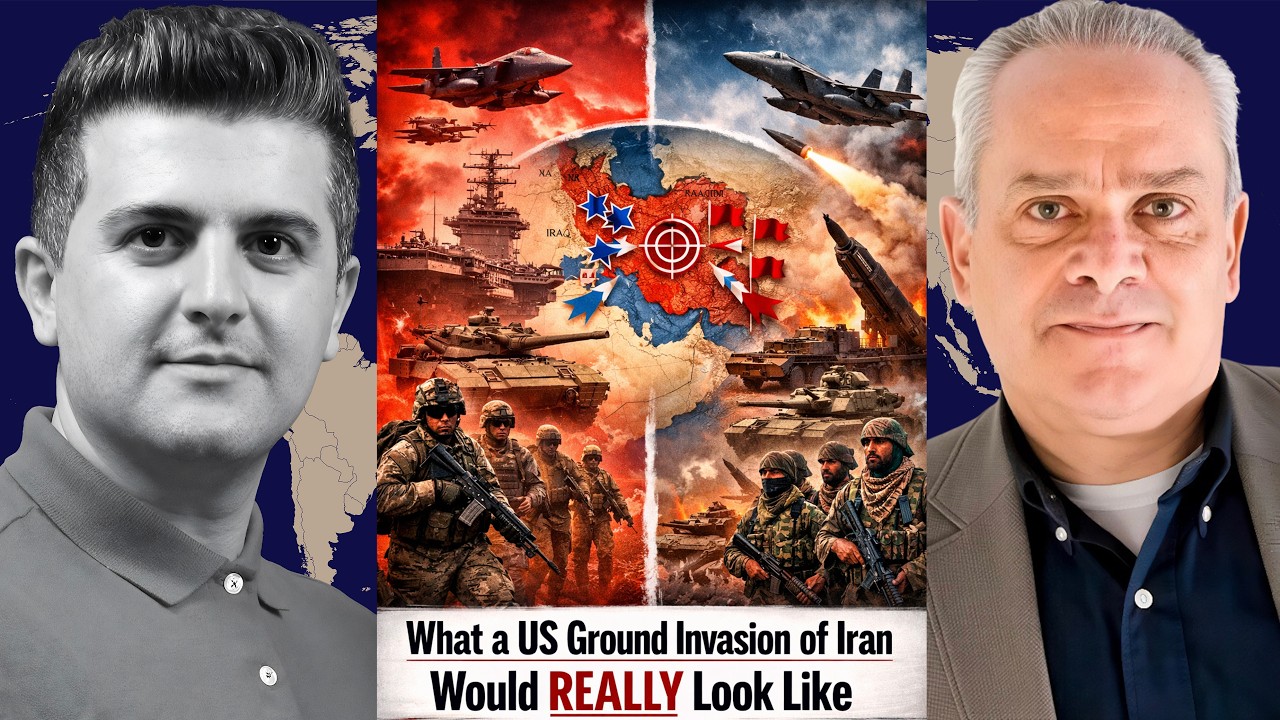
Col. Jacques Baud: What a US Ground Invasion of Iran Would REALLY Look Like
"Colonel Jacques Baud dissects the strategic futility of a US ground invasion of Iran, arguing that current troop levels are insufficient and such an action would backfire, exposing US allies and potentially leading to Iran's nuclearization."