
Paul Craig Roberts: Iran is WINNING
YouTube · 1gy4eq8E1g8
Quick Read
Summary
Takeaways
- ❖Trump's claims of obliterating Iran are a misdirection; US military bases in the Persian Gulf are collapsing.
- ❖Iran is winning by simply not surrendering, maintaining control over the Strait of Hormuz and its ability to strike.
- ❖US calls for international naval support in Hormuz are an admission of strategic defeat.
- ❖Desperate leaders like Trump and Netanyahu, facing political pressure, may resort to nuclear weapons to save face.
- ❖Russia and China are useless allies, lacking strategic vision and prioritizing trade deals over mutual defense.
- ❖The 'Zionist agenda of greater Israel' is the root cause of Middle East conflicts, threatening Iran's existence.
- ❖Iran's military strategy is flawed due to indecisiveness and a failure to take pre-emptive initiative, like destroying Israeli nuclear capabilities.
- ❖The assassination of Iran's Supreme Leader has shifted its leadership towards a more hardline, war-prepared stance.
- ❖Iran's victory is crucial to prevent a global nuclear war, as its defeat would embolden the US to target Russia and China.
Insights
1US Military Position in Persian Gulf Collapsing
Paul Craig Roberts asserts that Trump's claims of obliterating Iran are a misdirection. The real destruction is of American military bases in the Persian Gulf, with Gulf States reportedly asking the US to leave and Dubai collapsing as a financial center. This indicates a significant weakening of the US presence and influence.
Trump was describing the destruction not of Iran, but of all the American military bases in the Persian Gulf. We've lost all our radar capability. One of the Gulf States has asked us to leave, and I suspect that'll be contagious. People are fleeing from Dubai. It's collapsing as a financial center.
2Iran is Winning by Not Surrendering
Iran's strategy of simply not surrendering is framed as a victory against the US and Israel. It maintains its ability to attack Israeli cities and US bases, and control the Strait of Hormuz, demonstrating that American and Israeli actions have not impacted its core capabilities.
Iran is winning the war. All they have to do is not surrender, and they've won. Their ability to penetrate the Iron Dome, to put Israeli citizens and cities in flames, to destroy our bases, and to control whether or not any oil goes out from the Persian Gulf – none of this has been impacted by the Americans or the Israelis.
3US/Israel Facing Nuclear Escalation to Save Face
With conventional military efforts failing and leaders like Trump and Netanyahu facing elections and indictments, Roberts warns that they may resort to nuclear weapons to avoid defeat and save political careers, posing a severe threat of escalation.
Trump faces midterm elections and Netanyahu faces elections. They're not winning. What are they going to do if they can't win? One or the other is likely to pull out the nukes in order to save face, in order to win.
4Russia and China are Unreliable Allies
Both Russia and China are characterized as having no strategic vision, abandoning Iran, and being easily swayed by trade deals. This makes them useless as allies in a major conflict, as they prioritize economic interests over geopolitical solidarity.
What Russia and China have shown is that they are useless as allies because they're governed by governments who have no strategic vision, no awareness of what this means for their own vital interests. They'll sell out their grandmother. They sell out their own country for a trade deal.
5'Greater Israel' Agenda as the Root Cause of Conflict
The core problem driving conflict in the Middle East is identified as the 'Zionist agenda of greater Israel,' which seeks to expand influence from the Nile to Pakistan. This agenda inherently leaves no room for the existence of nations like Iran, Turkey, or Saudi Arabia, making peace impossible without its renunciation.
The real issue is the Zionist agenda of greater Israel. This has recently been redefined; it used to be from the Nile to the Euphrates. Now it's from the Nile to Pakistan. This means there's no room for Iran, Turkey, Saudi Arabia. If the Iranians don't understand that their existence is incompatible with greater Israel, then Iran only has one choice: it's got to fight for its life.
6Iran's Strategic Indecisiveness
Despite its current 'winning' position, Iran is criticized for its repeated mistake of not taking the initiative, waiting to be attacked before reacting, and failing to preemptively destroy Israel's nuclear capabilities. This reactive stance is seen as a fundamental military flaw that leaves it vulnerable.
If they have effective means to respond, they should use that first. They shouldn't wait on the nuclear weapon. They should just finish Israel off. This is the mistake Iran repeatedly makes: it doesn't finish the job. Why hasn't Iran already destroyed the entire Israeli nuclear capability? They never use the initiative. It waits, gets beat up, blown up, then it reacts.
7Hardline Shift in Iranian Leadership
Following the assassination of Iran's Supreme Leader, the host notes a significant shift towards hardline decision-makers. These new leaders, with battlefield experience, are more prepared for war and less inclined to negotiate with the West, complicating future diplomatic efforts.
Many of these commanders right now who are in power, they were on the battlefield in Lebanon, in Syria. They know what the battlefield is. And they're so much prepared for the war. All these new people who were somehow feeling that they can do something with the West, they are disappearing from the scene. Now decision makers have changed.
8Iran's Victory as a Deterrent to World Nuclear War
Roberts argues that Iran's victory is crucial to prevent a larger nuclear conflict. Its defeat would embolden the US to target Russia and China, leading to a global nuclear war and the obliteration of all things, making Iran's survival a 'roadblock' to this catastrophic outcome.
If we nuke Iran, that lets the genie out of the bottle, and so it will hasten the nuclear conflict between the United States and Russia and China, from which there's no survival. I think it's important that the Iranians prevail because that is a roadblock to further war, bigger war, worst war. If Iran goes, it will embolden the Americans, and Russia or China become the next on the hit list, and that's when the proverbial hits the fan.
Bottom Line
Iran's moral stance against targeting civilians, while commendable, is framed as a strategic weakness that could be exploited by adversaries like the US and Israel, who are willing to engage in such tactics.
This suggests that adherence to ethical warfare principles can put a nation at a disadvantage against less scrupulous opponents, highlighting a difficult trade-off between morality and strategic effectiveness in conflict.
For nations considering conflict, understanding the moral and strategic asymmetries of potential adversaries is critical for developing effective, albeit potentially controversial, defense doctrines.
Iran's control over the Strait of Hormuz allows it to selectively grant oil access to nations like China, Japan, and South Korea, effectively preventing them from joining a US-led coalition against Iran.
This demonstrates how control over a critical choke point can be leveraged as a powerful geopolitical tool, fragmenting potential alliances and undermining an adversary's efforts to isolate or pressure a nation.
Nations with control over vital global trade routes or resources hold significant leverage, which can be used to negotiate favorable terms, deter aggression, or build alternative economic blocs outside traditional power structures.
Key Concepts
The Initiative in Warfare
Successful military strategy relies on taking the initiative to dictate terms and actions, rather than merely reacting to an adversary's moves. Iran's failure to do so is seen as a critical weakness despite its current 'winning' position.
Greater Israel Agenda
A geopolitical framework suggesting Israel's long-term goal is to expand its influence or territory from the Nile to Pakistan, which inherently conflicts with the existence and sovereignty of other regional powers like Iran.
Lessons
- Challenge official narratives regarding geopolitical conflicts, as they may serve political agendas and obscure underlying realities.
- Investigate the deeper, unstated motivations behind international conflicts, such as historical agendas or economic interests, to gain a more complete understanding.
- Assess the reliability of international allies not just on agreements, but on their demonstrated strategic vision and willingness to act decisively in crises.
- Recognize the potential for nuclear escalation when conventional military options fail, particularly when political leaders face high stakes and pressure to 'save face'.
- Understand the strategic importance of critical chokepoints like the Strait of Hormuz in global energy markets and international relations, and how they can be leveraged as geopolitical tools.
Notable Moments
Paul Craig Roberts immediately counters Trump's claims of Iranian obliteration, stating that the real destruction is of American military bases in the Persian Gulf.
This sets the tone for a contrarian analysis, directly challenging the official narrative and framing the US position as one of significant loss rather than victory.
The host corrects Roberts on the Iranian Foreign Minister's stance, clarifying that Iran has a firm 'no ceasefire, no negotiations' position, especially regarding its enriched uranium.
This moment highlights the host's direct knowledge of Iranian official statements, reinforcing the hardline shift within Iran and correcting a potential misinterpretation by Roberts, adding nuance to the discussion of Iranian resolve.
The host explains that the assassination of Iran's Supreme Leader has led to a significant shift towards hardline, battlefield-experienced decision-makers in Iran.
This provides crucial context for understanding Iran's current and future posture, suggesting a more aggressive and less compromising leadership, directly impacting the conflict's trajectory.
Roberts argues that Iran's victory is essential to prevent a larger nuclear conflict, as its defeat would embolden the US to target Russia and China, leading to global obliteration.
This elevates the stakes of the US-Iran conflict to a global existential threat, framing Iran's survival not just as a regional issue but as a critical 'roadblock' to world nuclear war, offering a unique and alarming perspective.
Quotes
"I think Trump was describing the destruction not of Iran, but of all the American military bases in the Persian Gulf. It seems like that's the real destruction."
"Who is winning the war? Iran. All they have to do is not surrender. And they've won."
"What Trump has really done is admit it. He's defeated."
"One or the other is likely to pull out the nukes in order to save face, in order to win."
"What Russia and China have shown is that they are useless as allies because they're they're governed by governments who have no strategic vision, no awareness of what this means for their own vital interests."
"The real issue is the Zionist agenda of greater Israel. This is the issue. Who mentions it? Nobody."
"Iran only has one choice. It's got to fight for its life, which means either it dies or Israel dies. There's no other way to resolve this."
"If they can respond to an attack after they've been nuked, they can damn sure respond before. Why? Why wait again to have massive destruction before you?"
"The leadership that the Israelis and the United States killed off was probably the more liberal elements and who had been suppressing the real Iranian nationalists. And so they're all that's left."
"I think it's important that the Iranians prevail because that is a roadblock to further war, bigger war, worst war."
Q&A
Recent Questions
Related Episodes

Bibi DEMANDS Ground Troops As Marines Rushed to Iran
"Benjamin Netanyahu is pushing for US ground troops in Iran, framing air strikes as insufficient, while the US rushes Marines to the region and struggles to secure the Strait of Hormuz against surprisingly capable Iranian defenses."

Patrick Henningsen: Hezbollah JUST Fired Back at Israel - Iran Vows to “Crush” All Attacks
"Patrick Henningsen argues that the US and Israel initiated an illegal war against Iran, driven by Trump's incompetence and Israeli influence, leading to an inevitable escalation with severe global economic repercussions."
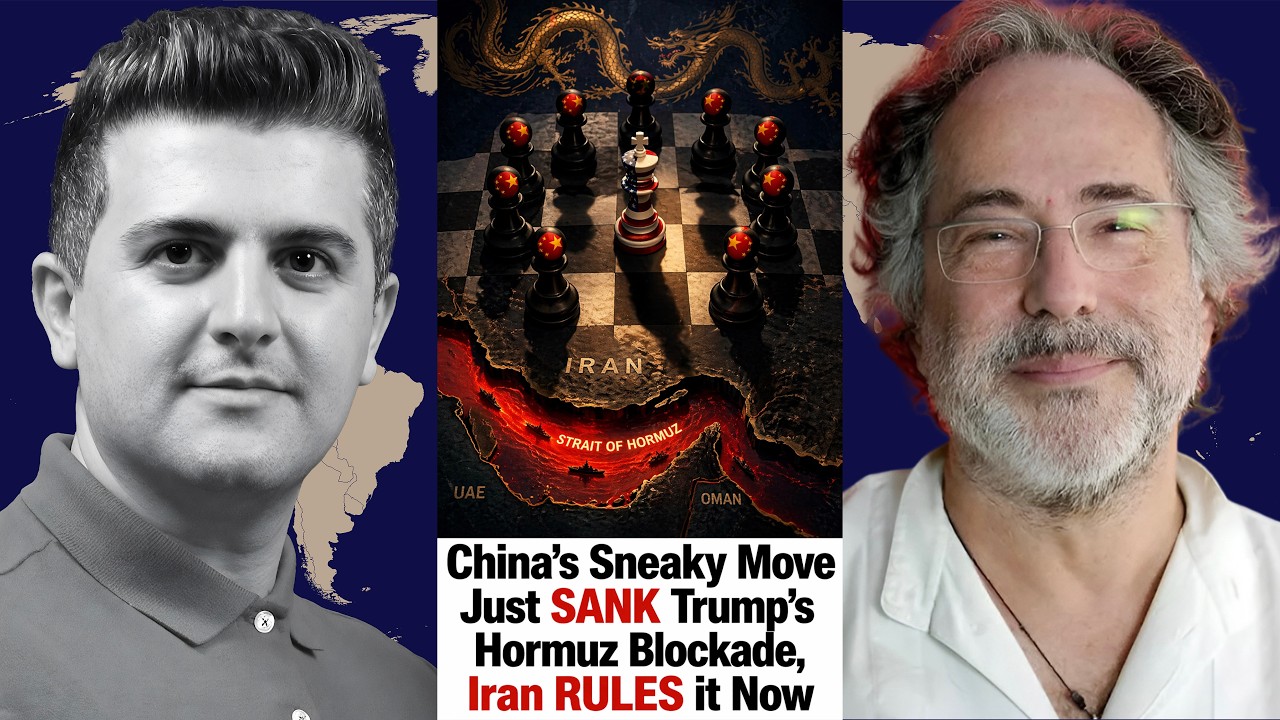
Pepe Escobar: “Total Failure”: Trump’s Blockade Just Backfired Disastrously
"Pepe Escobar argues that the US blockade against Iran, spearheaded by Donald Trump, has utterly failed and backfired, accelerating global economic chaos and challenging US geopolitical dominance."
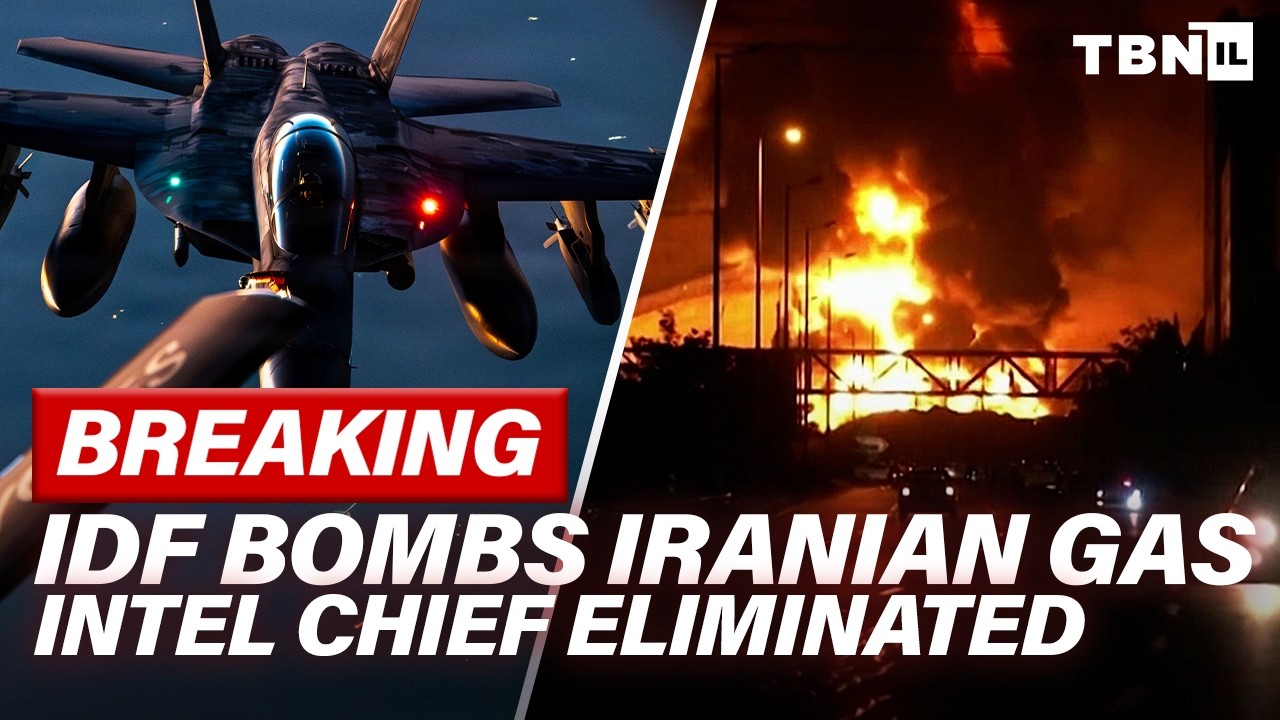
BREAKING: Israel BOMBS Major Iran Gas Site; Top Mullah ELIMINATED; Iran Vows VENGEACE | TBN Israel
"Israel and the United States have escalated their 'Roaring Lion War' against Iran, striking its largest gas facilities, eliminating key intelligence and military figures, and disrupting missile production, while Iran threatens a broader energy war in the Gulf."