
Seyed M. Marandi: “It’s Over” – Iran Wipes Out Trump’s Blockade Tactic
YouTube · 3DFUms7jJmo
Quick Read
Summary
Takeaways
- ❖Iran views the US blockade on its Persian Gulf ports as a direct violation of the ceasefire, rendering further negotiations impossible.
- ❖Professor Marandi warns that if the US and Israel strike Iranian critical infrastructure, Iran will retaliate by destroying critical infrastructure in both Israel and Persian Gulf states hosting US forces.
- ❖Iran possesses significant undisclosed military capabilities, including untouched underground missile and naval bases, ensuring its readiness for a prolonged conflict.
- ❖An escalated conflict would lead to a global economic depression, halting oil, gas, helium, and fertilizer supplies from the Persian Gulf for years.
- ❖Iran asserts permanent control over the Strait of Hormuz, refusing to negotiate its status with any country except Oman.
- ❖US negotiators, like Vance, are perceived as lacking authority and reporting to Israeli figures like Netanyahu, undermining the sincerity of talks.
Insights
1Iran's Non-Negotiable Stance on Blockade
Iran will not engage in negotiations while the US imposes a siege on its Persian Gulf ports and seizes Iranian ships, viewing these actions as violations of the existing ceasefire agreement. This blockade is seen as an act of aggression that precludes diplomatic engagement.
The Iranians are not going... unless the United States changes its policy... The United States is violating that ceasefire and that is by imposing a siege on Iranian ports on the Persian Gulf. That's unacceptable. That's a violation and therefore we cannot negotiate under those circumstances.
2Threat of Retaliation and Regional Destruction
If the US and Israel target Iranian critical infrastructure, Iran will retaliate by destroying critical infrastructure in both Israel and the Persian Gulf states (UAE, Saudi Arabia, Kuwait, Qatar, Bahrain) that facilitate US military operations. This would lead to a global economic depression.
If the Americans and the Israeli regime strike critical targets, Iran will do the same... critical infrastructure of the Israeli regime will be destroyed. and critical infrastructure uh of the uh regimes in the Persian Gulf will be destroyed... my advice is for everyone to leave right now because... if Trump carries out his threats... Iran will have to retaliate... the oil and gas infrastructure, I think they're all finished and the electricity finished. Everything will be finished if Trump carries out his threat. And so we're going to head for a global economic depression.
3Iran's Undisclosed Military Readiness
Iran's military capabilities, including key factories, R&D centers, and missile bases, are deep underground and largely untouched or unused, indicating a significant reserve capacity for a prolonged conflict.
Iran's capabilities are all preserved because its key factories and research and development centers are deep underground... Many of Iran's missile bases haven't even been opened up for business yet... The majority of Iran's missile bases have not even been used... So uh Iran is uh more prepared today than it was before.
4Permanent Control over Strait of Hormuz
Iran asserts that the status of the Strait of Hormuz has permanently changed, with Iran now in charge, and will only cooperate with Oman regarding its management. This is a non-negotiable position.
The status of the straight of foreign oil has changed permanently... the Iranians are not going to negotiate that. The only country that the Iranians are going to cooperate with uh regarding the status is Oman and everyone else is going to have to accept the the new status quo.
5US Negotiators' Lack of Authority
The US negotiating team, specifically Vance, was perceived as lacking independent authority, constantly consulting with external figures like Netanyahu, which demonstrated a lack of seriousness and undermined the negotiation process.
Vance had no authority. Vance was first of all he was surrounded by uh is you know Zionist uh assets Israeli assets... Vance was constantly making phone calls and one of the people he called, as we all know, was Netanyahu. And Netanyahu later said that Vance reported to him... Vance had no authority. It was clear and that's why near the end of the day the Americans became uncooperative... they walked away.
Bottom Line
Iran believes that by retaliating against Persian Gulf states' infrastructure, it can trigger a global economic depression, making the cost of war unbearable for the US and its allies, thereby using global economic stability as a deterrent.
This strategy shifts the cost of conflict from direct military engagement to global economic fallout, potentially pressuring international actors to intervene against US/Israeli aggression.
Businesses and governments should model extreme supply chain disruptions and energy price spikes, and explore alternative trade routes and energy sources, to mitigate the impact of a potential Persian Gulf conflict.
The UAE's reported move towards using Yuan and questioning the benefit of US bases, coupled with the loss of billions in bond and stock markets, signals a potential erosion of US financial and military influence in the region, even among its traditional allies.
This indicates a growing disillusionment with the US-led financial and security architecture, pushing regional actors to seek alternatives, potentially accelerating de-dollarization and a shift towards multi-polar alliances.
Investors should monitor the stability of Gulf state regimes and their financial ties to the US, considering diversification into non-dollar assets or markets less exposed to US geopolitical leverage.
Lessons
- Individuals and businesses in Persian Gulf states (UAE, Saudi Arabia, Kuwait, Qatar, Bahrain) should prepare for potential evacuation or significant disruption due to predicted Iranian retaliation against critical infrastructure.
- Sailors and shipping companies operating in the Persian Gulf, especially near the Strait of Hormuz, should develop evacuation plans and contingency measures for potential targeting and destruction of vessels.
- Governments and economic analysts should model severe global economic depression scenarios, specifically focusing on the cessation of oil, gas, helium, and fertilizer exports from the Persian Gulf, to understand and prepare for widespread shortages and price spikes.
Quotes
"If the Americans and the Israeli regime strike critical targets, Iran will do the same. And Iran has uh capabilities that it has not revealed yet."
"Iran doesn't like war. Iran doesn't want war. But when the war started, I told I I told you that the Iranians want this to be a long war. Why? because they don't want it to happen again."
"The status of the straight of foreign oil has changed permanently. uh the Iranians are not going to negotiate that. The only country that the Iranians are going to cooperate with uh regarding the status is Oman."
"We prefer dying standing up. We prefer dying standing than living on our knees. It's not going to happen."
Q&A
Recent Questions
Related Episodes

Patrick Henningsen: Hezbollah JUST Fired Back at Israel - Iran Vows to “Crush” All Attacks
"Patrick Henningsen argues that the US and Israel initiated an illegal war against Iran, driven by Trump's incompetence and Israeli influence, leading to an inevitable escalation with severe global economic repercussions."
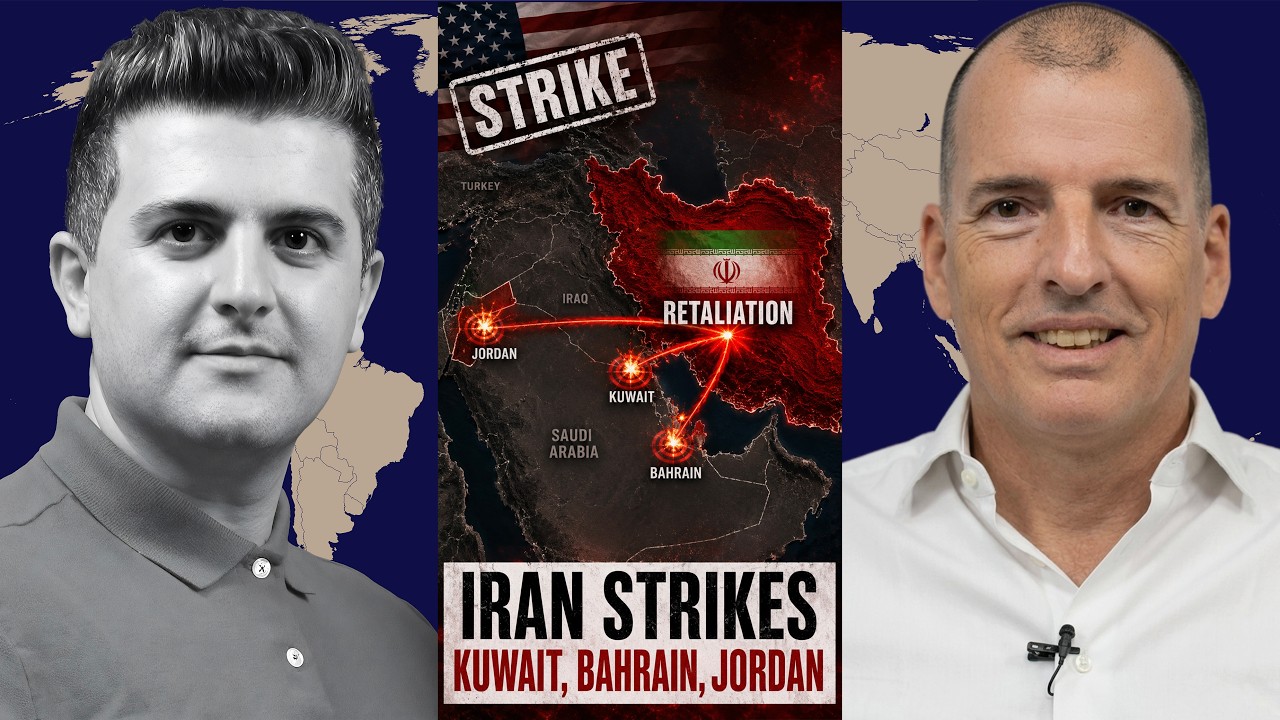
Alex Krainer: US STRIKES Iran – Iran RETALIATES Against Kuwait, Bahrain & Jordan!
"Amidst escalating US-Iran conflict and Iranian retaliation against regional US allies, this episode argues that US foreign policy is deeply controlled by an 'Anglo-Zionist conspiracy' led by the Rothschild banking dynasty, prioritizing Israeli interests over American ones."

LIVE: Trump HIDES FROM PUBLIC as US SOLDIER KILLED!!! 6/2/2026
"The host exposes alleged government cover-ups regarding military casualties, Trump's unexplained public absence, and questionable political appointments, arguing these reflect a 'regime of loser babies' and a failing foreign policy."
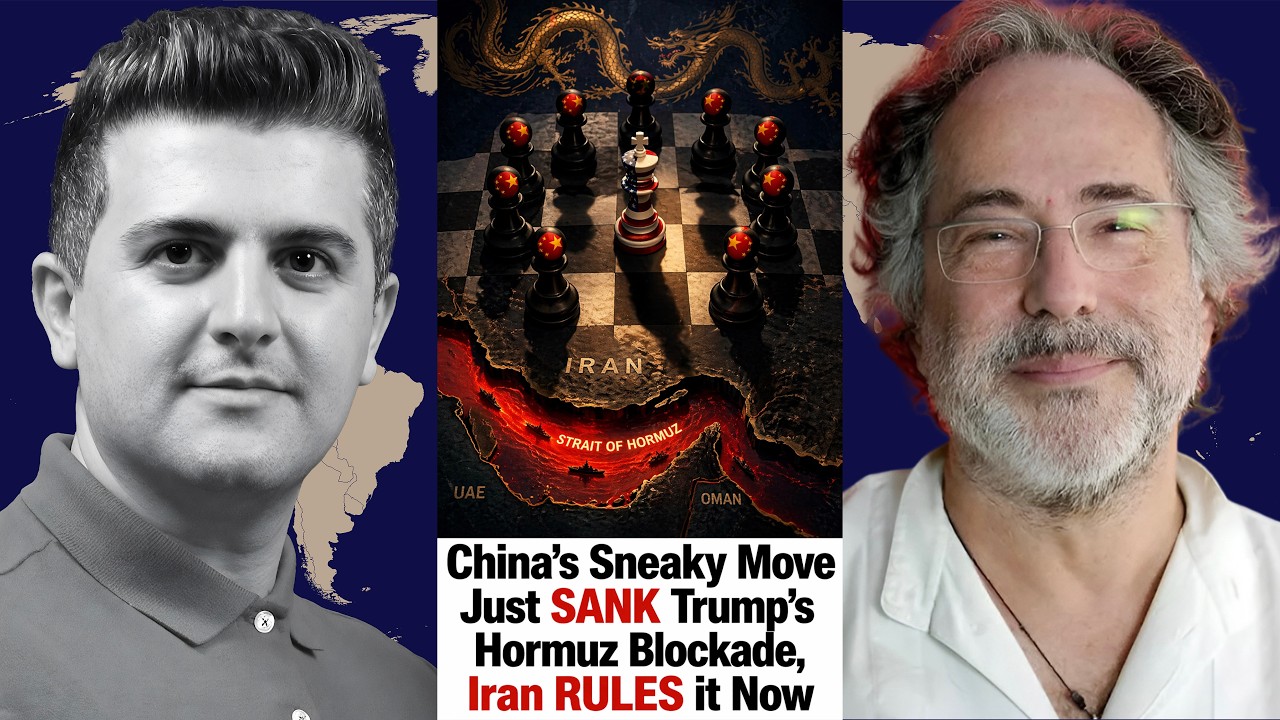
Pepe Escobar: “Total Failure”: Trump’s Blockade Just Backfired Disastrously
"Pepe Escobar argues that the US blockade against Iran, spearheaded by Donald Trump, has utterly failed and backfired, accelerating global economic chaos and challenging US geopolitical dominance."