
The Texas Yogurt Shop Exonerations | "Case by Case" | "48 Hours" Podcast
YouTube · 3DRT2wy20X4
Quick Read
Summary
Takeaways
- ❖Four teenage girls were murdered in a 1991 Austin yogurt shop, leading to a high-profile, decades-long investigation.
- ❖Maurice Pierce, then 16, was an early suspect, questioned without parents, and coerced into implicating others based on police claims about his gun.
- ❖Michael Scott and Robert Springsteen later provided coerced confessions, leading to their convictions and Pierce's three-year imprisonment without trial.
- ❖DNA evidence in 2007 excluded all four accused men (Pierce, Welborn, Scott, Springsteen) from the crime scene.
- ❖Maurice Pierce died in 2010 after being shot by an Austin police officer during an attempt to evade arrest, which his family believes was a targeted act.
- ❖The true killer, Robert Eugene Brashers, was identified years later via DNA, revealing missed opportunities for his earlier apprehension.
- ❖The city of Austin offered a $35 million settlement to the wrongfully accused, with Pierce's family receiving $10 million.
- ❖Pierce's family advocates for significant police reform, including mandatory child advocates for juvenile interrogations, full video recording of all interrogations, and a ban on police lying to suspects.
Insights
1Coercive Interrogation Tactics Led to False Accusations
Maurice Pierce, a 16-year-old suspect, was subjected to intense questioning without his parents present. Police falsely told him his gun was the murder weapon, leading him to implicate friends Forrest Welborn, Michael Scott, and Robert Springsteen, not as a confession of guilt but as an attempt to explain the gun's potential involvement if it was indeed the murder weapon.
Kimberly Pierce states that Detective Polanco told Maurice his gun was the murder weapon, prompting Maurice to say he didn't have it for a 'chunk of time' and suggesting Forrest might have. Marissa Pierce described the police narrative as 'a fabrication' and 'evil.'
2Coerced Confessions Resulted in Wrongful Convictions and Imprisonment
Years after the initial investigation, a new team conducted interrogations that pushed Michael Scott and Robert Springsteen to 'seemingly confess' after days of questioning. Both later recanted, stating their confessions were coerced, but these confessions led to their convictions and Maurice Pierce's three-year imprisonment without trial.
The podcast details Michael Scott's confession after four days of questioning and Robert Springsteen's later corroboration, followed by both recanting due to coercion. Maurice Pierce's wife confirms he spent over three years in jail without physical evidence or a statement tying him to the murder.
3DNA Evidence Excluded All Accused, but Public Perception Lingered
In 2007, DNA retesting conclusively excluded all four men (Maurice Pierce, Forrest Welborn, Michael Scott, and Robert Springsteen) from the crime scene. Despite this scientific exoneration, Maurice Pierce and his family continued to be perceived as guilty by the public and faced ongoing police harassment.
The host explains that the DNA profile excluded all four men. Kimberly Pierce confirms Maurice's life did not improve, stating, 'He was still perceived to be a murderer, a mastermind, guilty.'
4Maurice Pierce's Death During Police Encounter Raises Questions of Targeting
In 2010, Maurice Pierce died after being shot by an Austin police officer during an attempt to evade arrest following a traffic stop. His family vehemently disputes the police account of self-defense, believing he was targeted and murdered due to the unresolved yogurt shop case and ongoing suspicion.
Kimberly Pierce states, 'They've lied so much over the past 30 years in regards to the yogurt shop case. I certainly don't believe them about the night that Maurice was shot. So, in my mind, they murdered him.' Marissa Pierce was on the phone with him during his last moments, hearing his fear and his final words.
5True Killer Identified, Highlighting Missed Opportunities
Years after Pierce's death and the exonerations, DNA evidence finally identified Robert Eugene Brashers as the true killer. This identification revealed a critical missed opportunity: Brashers was stopped with a .380 gun (a type used in the murders) in a stolen car just two days after the murders, but was released.
The Austin Police Department identified Robert Eugene Brashers, matching the only physical evidence at the scene to him. Kimberly Pierce notes Brashers should have been in jail when the murders occurred and was stopped with a relevant weapon shortly after.
Bottom Line
The 'innocent until proven guilty' principle often fails in high-profile cases, where public and police narratives can override actual evidence, leading to 'guilt by association' and lasting societal damage.
This demonstrates how initial missteps and media attention can create a self-perpetuating cycle of suspicion, making it nearly impossible for individuals to reclaim their reputations, even after legal exoneration.
Advocate for stronger public education on due process and the dangers of premature judgment in criminal cases, alongside media literacy initiatives to critically evaluate crime reporting.
The emotional and psychological toll of wrongful accusation and imprisonment extends far beyond release, impacting mental health, family stability, and economic opportunities for decades.
Exoneration alone is insufficient; comprehensive support systems are needed for exonerees, including psychological counseling, job placement, and financial compensation that truly reflects lost life value, not just 'blood money.'
Develop and fund programs that provide holistic support for exonerees and their families, addressing the long-term trauma and practical challenges of rebuilding their lives.
Lessons
- Mandate the appointment of a child advocate for any juvenile questioned as a witness or suspect in serious criminal cases, ensuring their rights are protected.
- Require full, unedited video recording of all police interrogations from start to finish, eliminating the use of excerpts or partial recordings.
- Prohibit police from lying to juvenile suspects during interrogations, as this tactic can easily lead to false confessions from individuals who trust law enforcement.
Proposed Police Interrogation Reforms
Appoint a child advocate for any juvenile being questioned as a witness or suspect, especially in murder cases, to ensure parental notification and legal representation.
Implement mandatory full video recording of all interrogations, from beginning to end, to prevent manipulation of evidence and ensure transparency.
Ban police from using deceptive tactics, such as lying about evidence or the severity of charges, particularly when questioning juveniles.
Review all past cases handled by lead detective Paul Johnson, whose interrogation methods were criticized in this case, to identify potential other wrongful accusations.
Notable Moments
Marissa Pierce describes being on the phone with her father, Maurice, during his fatal encounter with police, hearing his fear and his last whispered words of apology and love.
This moment provides a deeply personal and tragic account of Maurice Pierce's death, humanizing the devastating impact of the ongoing suspicion and police actions on his family and underscoring the family's belief that he was targeted.
Kimberly Pierce explains how Maurice 'shut off his feelings' to survive over three years in jail, emerging as a 'much harder, different person' who could not easily revert to his former self.
This highlights the profound and lasting psychological damage inflicted by wrongful imprisonment, demonstrating that even after release, the trauma fundamentally alters an individual's personality and ability to reconnect with their emotional life.
Quotes
"It's blood money for us. He He died for this money, so really it was never about the money for us. It was about the reform and the changes that need to happen, not only in Austin, but apparently across the country."
"In that room there was no evidence, only a detective and a narrative. A narrative that was so completely false, it feels evil."
"He was just trying to run, you know, his mind went into survival. That was it. He just wanted to get away. And And naturally so. I wish people, you know, could understand that. I know that my father was not trying to harm that officer."
"They've lied so much over the past 30 years in regards to the yogurt shop case. I certainly don't believe them about the night that Maurice was shot. So, in my mind, they murdered him, and that's how I will always remember it."
"It's hard that they knew the truth and they just didn't care. And that it didn't matter that they were ruining four boys' lives."
Q&A
Recent Questions
Related Episodes

Amanda Knox and John Ramsey - Megyn Kelly's "Double Feature" of Fascinating Interviews
"This episode features two individuals, Amanda Knox and John Ramsey, whose lives were irrevocably altered by tragic crimes and subsequent wrongful accusations, revealing systemic failures in justice and media manipulation."
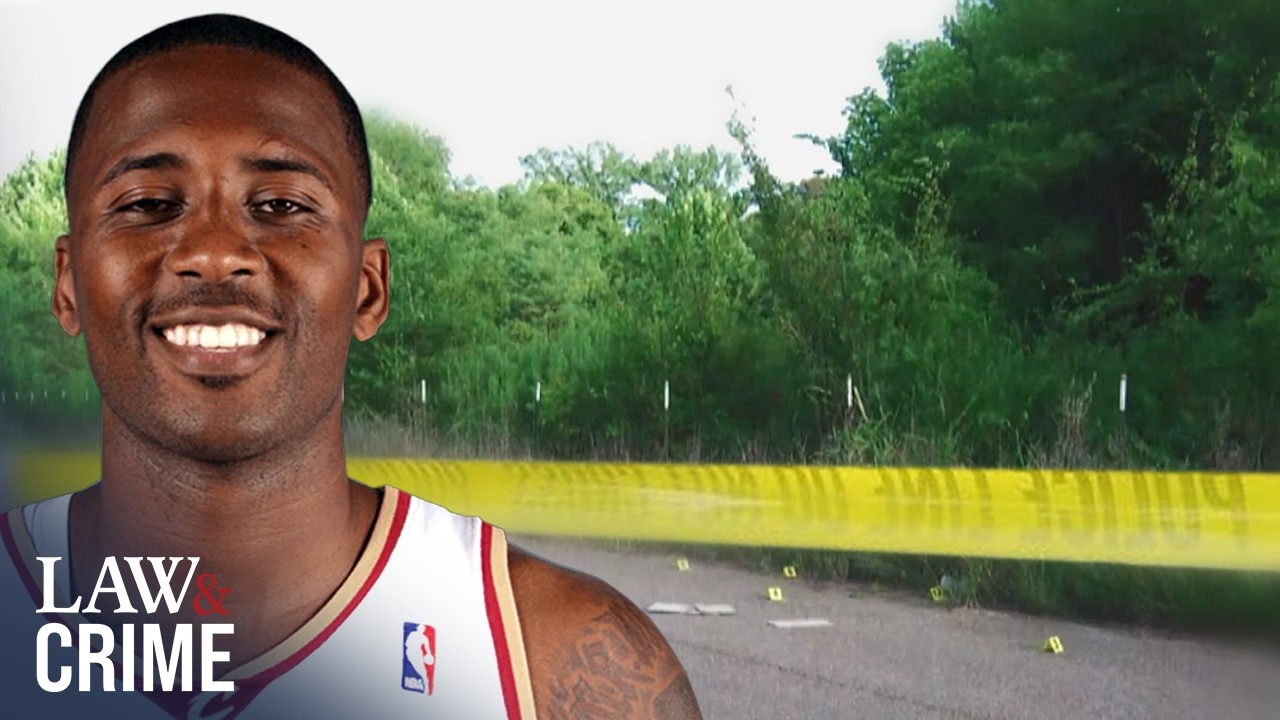
Killer Cases: NBA Star Lured to Execution In Rural Tennessee
"The decade-long cold case of NBA star Lorenzen Wright's murder was cracked through a persistent mother, a jailed informant, and a covert police operation that recovered the murder weapon from a lake and exposed a conspiracy driven by greed."
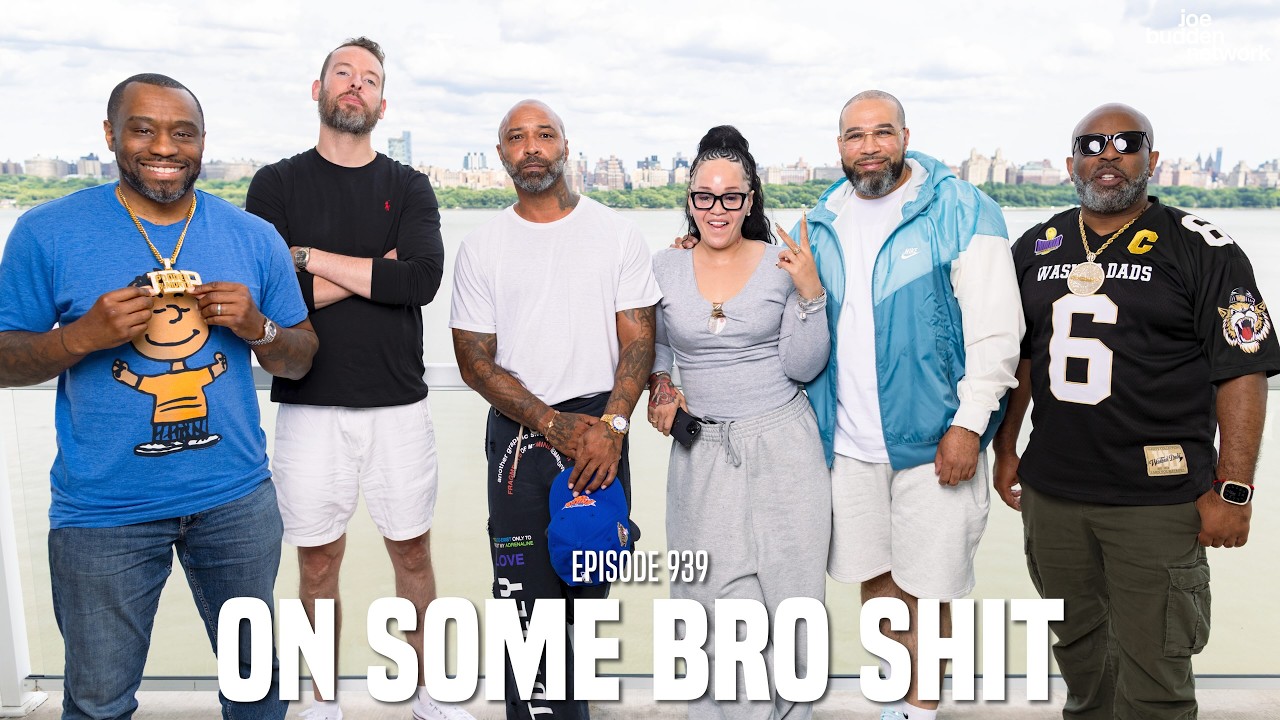
The Joe Budden Podcast Episode 939 | On Some Bro Shit
"The Joe Budden Podcast crew dives into personal grooming, the chaotic Knicks championship parade, the decline of unique cultural experiences, and controversial celebrity revelations, sparking lively debates on relationships, addiction, and public behavior."

TEEN'S DNA REVEALED IN ANNA KEPNER'S R*** KIT
"The investigation into Anna Keaptainner's death on a cruise ship reveals shocking DNA evidence, a previously unknown male minor, and critical questions about evidence handling and family dynamics."