BREAKING: 3 Americans KIA, Oil $ SPIKE, Ayatollah Killed
YouTube · 3uUr994ghmc
Quick Read
Summary
Takeaways
- ❖Iran's Ayatollah Kani and several top military leaders, including the head of the IRGC and defense minister, have been killed.
- ❖Iran launched ballistic missile attacks targeting the USS Abraham Lincoln (unconfirmed by US), a mass casualty attack in B Sheamesh, Israel (8 killed), and drone strikes on major airports in Bahrain, Abu Dhabi, Dubai, and Kuwait.
- ❖US Central Command confirmed three American soldiers killed and five seriously wounded in Operation Epic Fury.
- ❖The Straits of Hormuz are effectively shut down, with war risk insurance for Gulf shipping increasing by 50%, adding $250k-$375k per voyage for a $100M vessel.
- ❖Oil analysts predict a 10-30% increase in oil prices, potentially reaching $100 per barrel, due to the conflict.
- ❖Major shipping companies like MSC and Maersk have suspended Middle East bookings, and Dubai's DP World port operations are suspended.
- ❖A report from Israeli media suggests the US proposed an immediate ceasefire, which Iran rejected outright, indicating Iran's intent for further escalation.
- ❖US interceptor missile stockpiles are reportedly running low, with 25% used in a prior 12-day conflict, while Iran is estimated to have thousands of missiles remaining, aided by China.
Insights
1Decapitation of Iranian Leadership
Iran's Ayatollah Kani, the head of the National Defense Council, commander-in-chief of the IRGC, defense minister, chief of staff, head of military bureau, intelligence chief, and head of advanced weapons program have all been killed. This represents a significant blow to Iran's military and political command structure, though some political leadership remains intact.
Confirmed by Iranian regime and announced by President Trump; New York Times graphic detailing casualties.
2Widespread Iranian Retaliatory Attacks
Iran has launched ballistic missiles and suicide drones across the region. Targets include the USS Abraham Lincoln (unconfirmed), B Sheamesh, Israel (killing 8, including children), and major international airports in Bahrain, Abu Dhabi, Dubai, and Kuwait, causing significant damage and disrupting global travel hubs.
Iranian state media reports (USS Lincoln), Israeli media reports (B Sheamesh), video evidence and foreign journalist reports from Gulf airports.
3First US Casualties in Operation Epic Fury
US Central Command confirmed three American service members were killed in action and five seriously wounded during operations against Iran. This marks a critical turning point, raising the stakes and demanding a strong US response.
Official statement from US Central Command.
4Economic Fallout: Oil Prices and Shipping Disruption
The conflict has led to the effective closure of the Straits of Hormuz, a critical oil choke point. War risk insurance for shipping in the Gulf has increased by 50%, adding hundreds of thousands per voyage. Oil analysts predict a 10-30% jump in global oil prices, potentially reaching $100 per barrel. Major shipping lines have suspended services, and Dubai's port operations are halted.
Financial Times report on insurance, Reuters report on oil analysts, announcements from DP World, MSC, and Maersk.
5Iran Rejects US Ceasefire Offer, Opts for Escalation
Despite the US allegedly proposing an immediate ceasefire via a mediator, Iran rejected it outright. This indicates Iran's intent to continue fighting to establish 'credible deterrence' rather than seeking a quick de-escalation, contrary to what the host suggests Trump might have expected.
Report from Israeli media (Wet.com).
6Depletion of US Interceptor Missiles
The US is reportedly running low on interceptor missiles, having used 25% of its stock in a previous 12-day conflict. With Iran estimated to have thousands of missiles (reconstituted with Chinese assistance) and the US protecting multiple assets and allies, continued high-intensity conflict could severely deplete US defensive capabilities, which take years to restockpile.
Mortaza Hussein (Drop Site) flagging the issue, arms control activists' warnings.
Bottom Line
The host posits that Trump's 'Midnight Hammer' strategy—a swift, decisive strike to force a deal—failed because Iran chose maximum escalation rather than capitulation, demonstrating a miscalculation of their resolve.
This suggests that 'shock and awe' tactics against adversaries like Iran, who possess insurgency capabilities and a strong will to fight, may backfire, leading to prolonged and costly conflicts rather than quick resolutions.
Policymakers need to reassess the psychological and strategic responses of non-state or hybrid actors when planning decisive military actions, prioritizing comprehensive deterrence and de-escalation pathways over short-term military victories.
The host highlights the unreliability of diaspora communities as accurate barometers of sentiment within their home countries, arguing they are often out of touch with on-the-ground realities.
Relying on diaspora opinions for foreign policy decisions can lead to flawed intelligence and misinterpretations of a nation's internal dynamics, potentially exacerbating conflicts or misjudging popular support for regimes.
Intelligence agencies and media outlets should diversify their sources of information, prioritizing direct, on-the-ground reporting and analysis from within the affected countries to gain a more accurate understanding of public sentiment and political will.
Key Concepts
Escalation Ladder
The concept that conflicts progress through stages of increasing intensity. The host argues that Iran, having suffered significant losses, is now reaching for the maximum of its escalation ladder, and the US will be forced to keep climbing it in response to American casualties.
Lessons
- Monitor global oil and shipping markets closely for continued volatility and increased costs, as the conflict directly impacts supply chains and energy prices.
- Be aware of the potential for further military escalation in the Middle East, particularly concerning US responses to American casualties and Iran's sustained retaliatory capacity.
- Understand that official reports from all involved governments (US, Israel, Iran) may contain propaganda; seek diverse and critically vetted news sources for a comprehensive understanding of the conflict.
Notable Moments
The host receives live breaking news of three American soldiers killed in action during the broadcast, visibly reacting to the immediate and tragic escalation of the conflict.
This moment underscores the real-time, high-stakes nature of the conflict and its immediate human cost, shifting the tone of the broadcast and emphasizing the gravity of the situation.
Quotes
"Kamani, one of the most evil people in history, is dead. This is not only justice for the people of Iran but for all great Americans."
"This is the single greatest chance for the Iranian people to take back their country. We are hearing that many of the IRGC military and other security and police forces no longer want to fight and are looking for immunity. As I said last night, now they can have immunity. Later, they only get death."
"Three American soldiers were killed during the operation against Iran. US Central Command here, as of 9:30 a.m. Eastern time, March 1st, three US service members have been killed in action. Five seriously wounded as part of Operation Epic Fury."
"Trump seeks swift end to Iran operation. The killing of Iran's supreme leader is a major intelligence and military feat, but Thrron's regime has not collapsed. A US official via mediator proposed an immediate ceasefire. Iran rejected it outright as Trump looks for a quick exit."
"Interceptors are running low. This was the primary argument against starting a war in the first place. Meanwhile, Iran is still firing missiles and is estimated to have thousands left thanks to reconstitution assistance from China."
Q&A
Recent Questions
Related Episodes

Patrick Henningsen: Hezbollah JUST Fired Back at Israel - Iran Vows to “Crush” All Attacks
"Patrick Henningsen argues that the US and Israel initiated an illegal war against Iran, driven by Trump's incompetence and Israeli influence, leading to an inevitable escalation with severe global economic repercussions."
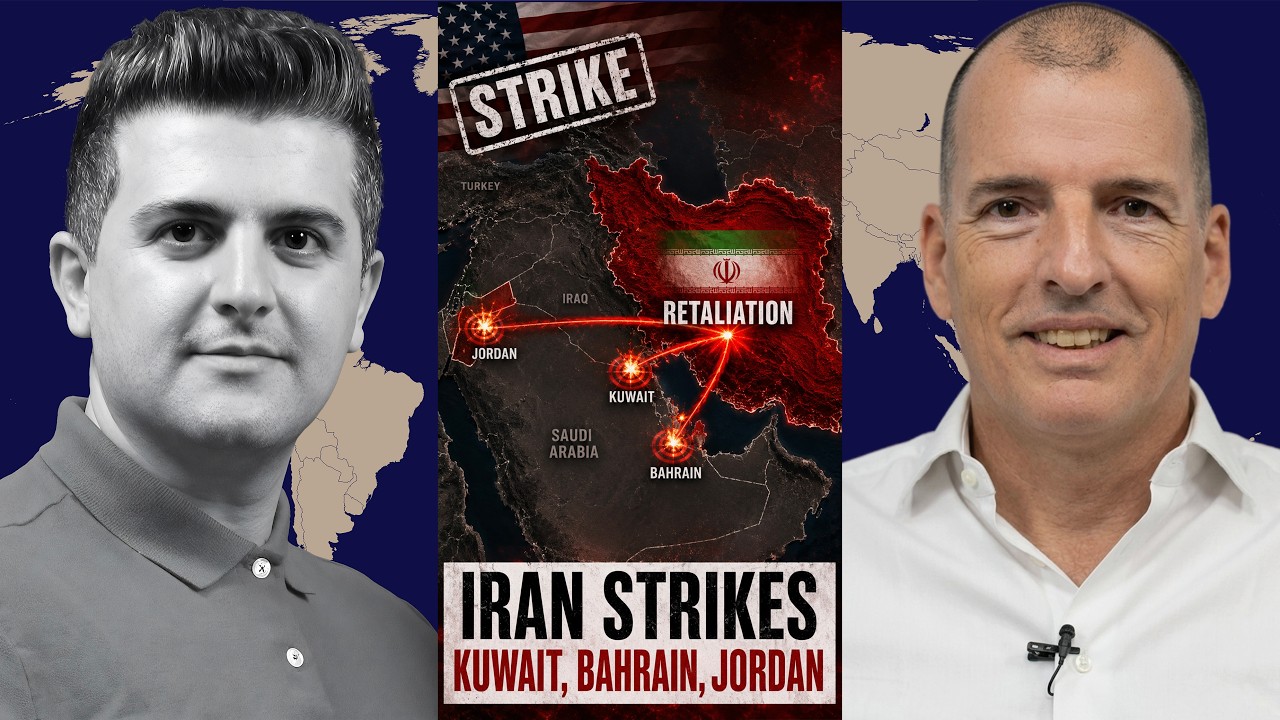
Alex Krainer: US STRIKES Iran – Iran RETALIATES Against Kuwait, Bahrain & Jordan!
"Amidst escalating US-Iran conflict and Iranian retaliation against regional US allies, this episode argues that US foreign policy is deeply controlled by an 'Anglo-Zionist conspiracy' led by the Rothschild banking dynasty, prioritizing Israeli interests over American ones."
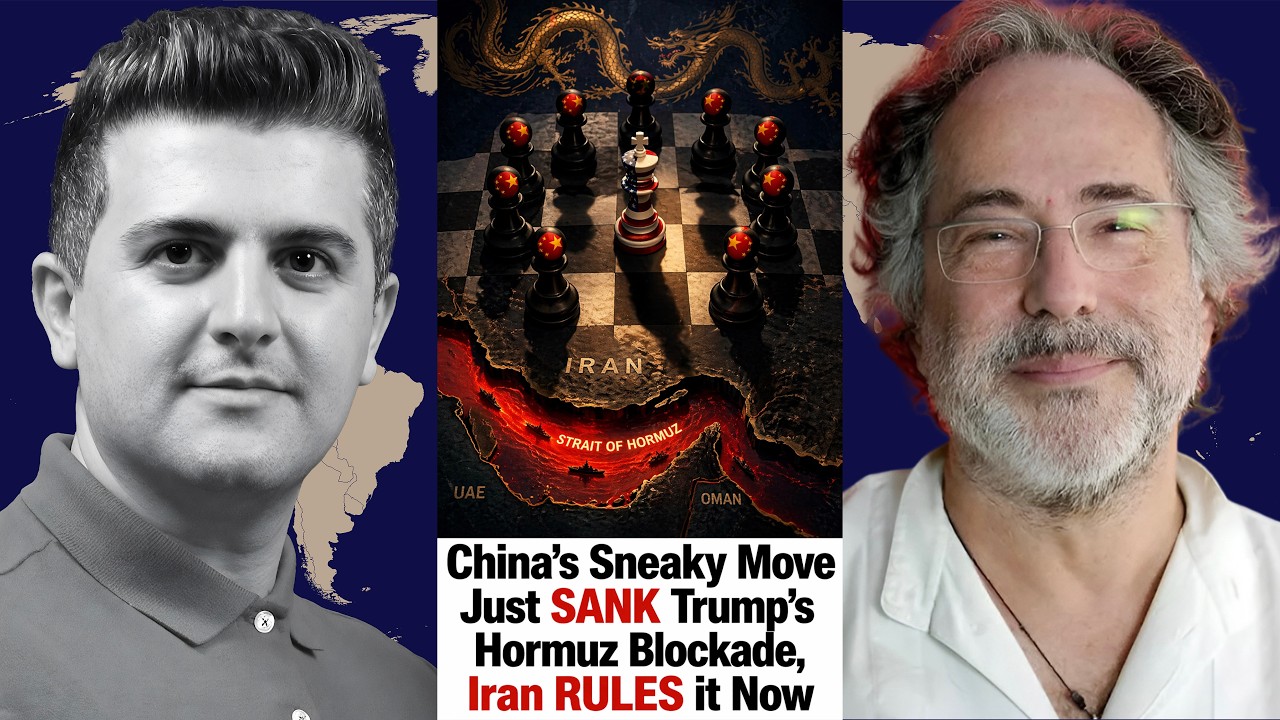
Pepe Escobar: “Total Failure”: Trump’s Blockade Just Backfired Disastrously
"Pepe Escobar argues that the US blockade against Iran, spearheaded by Donald Trump, has utterly failed and backfired, accelerating global economic chaos and challenging US geopolitical dominance."

Bibi DEMANDS Ground Troops As Marines Rushed to Iran
"Benjamin Netanyahu is pushing for US ground troops in Iran, framing air strikes as insufficient, while the US rushes Marines to the region and struggles to secure the Strait of Hormuz against surprisingly capable Iranian defenses."