
The TRUTH About The Pepsi Navy | Unsubscribe Podcast 249
YouTube · 3y4D4RDU-WA
Quick Read
Summary
Takeaways
- ❖PepsiCo leveraged a 1959 cultural exchange to get Nikita Khrushchev to publicly endorse Pepsi, creating a 'mythical drink' image in the USSR.
- ❖Due to the ruble's non-convertibility, Pepsi initially traded its syrup for Stolichnaya vodka, becoming the sole importer of the brand to the US.
- ❖As demand for Pepsi outstripped vodka supply, the Soviet Union traded 20 naval vessels (submarines, frigates, cruisers, destroyers) to Pepsi, which then brokered their sale to Norway for cash.
- ❖Following the Soviet collapse, Pepsi negotiated for 10 new oil tankers from Ukraine, which were then exchanged for 100 Pizza Huts and five Pepsi plants.
- ❖Despite being ingrained in Soviet culture for two decades, Pepsi lost market share to Coca-Cola post-collapse, as consumers associated Pepsi with the 'commies' and sought the 'true' American brand.
- ❖The 'Pepsi Harrier Jet' lawsuit involved a college student attempting to claim a Harrier jet from a Pepsi promotion by calculating the points' cash value, but lost in court due to the 'no reasonable person' standard.
- ❖The Nighthawk TRS is lauded as a 'voodoo magic' pistol for its perfect balance, return to zero, and trigger, making even novice shooters perform well.
- ❖Glock's Gen 5 release, initially stated to not accept 'switches' (full-auto conversion kits), was perceived as a marketing ploy to clear Gen 4 inventory before a new model with a beaver tail was announced.
- ❖The 86 Blackout round is an 'AP subsonic' projectile capable of penetrating multiple walls, a refrigerator, and a railroad tie, making it a terrifying home defense round for rural areas but dangerous in apartments.
Insights
1Pepsi's Unconventional Soviet Market Entry
In 1959, Pepsi became the first American product to enter the Soviet market through a cultural exchange. A strategic photo of Nikita Khrushchev drinking Pepsi, orchestrated by Pepsi executive Donald Kendall, created a powerful image that made Pepsi a 'mythical drink' and opened the door for future deals, despite initial reluctance from Coca-Cola.
In 1959, they sent over... American companies and American food... they go to Coca-Cola... Coca-Cola's like, 'I'm not dealing with the commies.'... Pepsi shows up... Nixon's over there and he's escorting Nikita Khrushchev... Donald Kendall... grabs two bottles of Pepsi... 'This one is made with water from America and this one's made from with water from the USSR. Which one's better?'... Nikita tries it and he's like obviously the one with the USSR water is fantastic. And he they snap it. They get the pick and Nikita Khrushchev drinking a Pepsi with a big smile on his face and it becomes like this mythical drink...
2Vodka for Pepsi: The Initial Trade Deal
To overcome the non-convertibility of the Soviet ruble, PepsiCo struck a unique barter deal in 1972: trading Pepsi syrup for Stolichnaya vodka. Pepsi then sold the vodka in the US, effectively converting its product into hard currency without direct financial transactions with the Soviets, a deal facilitated by Kendall's close ties with President Nixon.
He goes to Russia. He's like, 'You guys want Pepsi?' They're like, 'Fuck yeah, we do.' And they're like, 'Okay, well, here's the problem. We can't take the ruble cuz the ruble's monopoly money.'... they're like, 'Well, we've got monopoly money in vodka.' And he's like, 'Well, that'll work.' So he works a deal where they're trading Stolichnaya vodka for Pepsi straight across...
3The 'Pepsi Navy' and Warship Barter
When vodka supply couldn't keep up with Pepsi demand, the Soviets offered old warships as payment. Pepsi brokered a deal with Norway to sell these 20 naval vessels (including submarines, a frigate, a cruiser, and a destroyer) for cash, effectively making PepsiCo a temporary 'naval power' and highlighting the extreme measures taken to maintain market access.
But the Russians love Pepsi and they're drinking more Pepsi than Americans are drinking vodka. So it's like it's not paying for itself... they're like, 'We got a bunch of old warships.'... Pepsi does the same deal proposition they did with the US government with the vodka, but they do it with Norway. So they go to Norway and they're like, 'Hey, if we get the Russians to sell you 20 junk military naval vessels, you guys can scrap them. you give us the money and we're just going to give them diabetes.'
4Post-Soviet Collapse: Oil Tankers for Pizza Huts
After the Soviet Union's collapse, Pepsi was owed 10 oil tankers from Ukraine. To get paid, Pepsi negotiated a deal where Ukraine received 100 Pizza Huts and five Pepsi plants in exchange for the tankers, demonstrating Pepsi's continued adaptation to a chaotic post-communist economy and its strategy of acquiring restaurants to force market entry.
So they go to the Ukrainians now because that was part of the USSR because that's where the ships were getting built was in Ukraine. And they go to them and they're like, 'Hey, uh, those 10 oil tankers that you're currently building are ours.' And they're like, 'No, they're not.'... Guess what the Ukrainians demanded in exchange for a billion dollars worth of oil tankers so Pepsi could get paid? ...we want a 100 Pizza Huts and five Pepsi plants.
5Glock's Strategic Product Release
Glock's Gen 5 release, initially marketed as incompatible with 'switches' (full-auto conversion kits), was likely a strategic move. This created panic buying of older Gen 4 models, clearing inventory, before a new Glock model with a beaver tail was announced, demonstrating a calculated approach to market manipulation and product lifecycle management.
They came out with the Glock, the the Glock that can't take a switch, right? Cuz what was that? The five Gen 5... I think they did that on purpose just so they could sell out all the backstock of all the Gen 4s to free up to free up space on the shelf. And then 3 months later, you announced the new Glock. So like everybody just went and bought out all the old stock of all the old because like oh Glock's going woke and they're blah blah blah blah blah and then they changed it and then they're like oh by the way there's a brand new Glock now you got to buy this too.
6The Nighthawk TRS: Pinnacle Pistol Performance
The Nighthawk TRS is highlighted as a 'magical' pistol that offers unparalleled performance, including perfect balance, return to zero, and an exceptional trigger. Its design is so effective that even inexperienced shooters perform well, making it a benchmark against which other high-end pistols are measured.
My favorite to shoot of all time is a Nighthawk TRS. That's my go-to... I swear to God, I think it's voodoo magic because I've shot more expensive guns. I've shot more guns that like seemingly should be better. The Nighthawk TRS is just a perfect balance. Like the return to zero, the trigger on it, it's just they crushed it with that. I can't I can't put that in anybody's hands and them shoot bad with them.
Bottom Line
The Soviet Union, capable of reverse-engineering nuclear warheads, never reverse-engineered the recipe for Pepsi syrup, despite bottling it locally and having a critical need for the product.
This suggests a peculiar moral or strategic boundary, where intellectual property for a consumer good was more 'sacred' or less prioritized for theft than military secrets, or perhaps the perceived value of the brand/supply chain outweighed the cost of reverse engineering.
This highlights the enduring power of brand and perceived quality, even in a centrally planned economy, and the potential for 'soft power' through consumer goods to create unique dependencies.
The 86 Blackout round is a 'subsonic AP' (armor-piercing) projectile that can penetrate multiple layers of common building materials, a refrigerator, a railroad tie, and still retain significant energy.
This makes it an extremely effective, yet potentially dangerous, home defense round due to its high over-penetration risk, especially in urban or suburban environments where collateral damage to neighbors is a major concern.
Develop advanced ballistic materials or home defense strategies specifically designed to mitigate the extreme penetration of such rounds, or educate consumers on the appropriate use of high-penetration calibers for specific environments.
Opportunities
Geopolitical Barter Brokerage
Establish a firm specializing in brokering complex, multi-party barter deals for companies seeking to operate in countries with non-convertible currencies, sanctions, or unstable economic systems. This would involve identifying valuable, tradable assets (like Pepsi with vodka/warships) and finding third-party buyers to convert them into usable capital.
Strategic Brand Acquisition for Market Entry
For brands struggling to gain traction in a competitive market (e.g., Pepsi vs. Coke in restaurants), acquire existing distribution channels or complementary businesses (like Yum Brands for Pepsi). This forces product placement and market exposure, bypassing traditional competitive barriers.
Key Concepts
Barter Economy in Geopolitics
The PepsiCo-Soviet Union deals exemplify a large-scale, state-level barter economy, where a lack of convertible currency forces trade in goods and assets (vodka, warships, oil tankers) rather than traditional monetary exchange. This model highlights how economic sanctions and political isolation can reshape international commerce.
First-Mover Disadvantage (Brand Loyalty)
Despite being the first and only American soft drink in the USSR for decades, Pepsi faced a significant disadvantage after the Soviet collapse. Consumers, eager for 'true' American products, perceived Pepsi as the 'commie' drink and flocked to Coca-Cola, demonstrating that early market entry doesn't guarantee lasting loyalty if the brand becomes associated with an undesirable past.
Lessons
- When evaluating new firearms, prioritize hands-on experience and extensive testing (thousands of rounds) to assess true performance and reliability, rather than relying solely on initial impressions or marketing claims.
- For self-defense, understand the over-penetration capabilities of your chosen ammunition and firearm, especially if living in close proximity to others, to prevent unintended harm.
- If you own a business, consider unconventional strategies for market entry or currency exchange in challenging geopolitical landscapes, drawing inspiration from PepsiCo's historical barter deals.
Notable Moments
Discussion of the HK 'Gray Room' and its significance to firearm enthusiasts.
The 'Gray Room' is a legendary collection of HK prototype and experimental weapons, representing a unique opportunity for content creators like the hosts to access and potentially shoot historical firearms, highlighting the value of exclusive access in content creation.
The hosts discuss meeting Chris Kyle's son and the potential for a video about his father.
This signifies a major opportunity for Brandon Herrera to produce a significant, sensitive, and high-impact piece of content, requiring careful collaboration and accuracy due to the subject matter's public profile and family involvement.
Story of a WWII veteran who won $30,000 in Japanese currency playing poker, which later converted to $540,000 USD in today's value, funding his medical school.
This anecdote illustrates the unpredictable nature of value and currency, where seemingly worthless 'monopoly money' can become life-changing wealth due to geopolitical shifts and post-war economic revaluations.
Discussion of the 'Pepsi Harrier Jet' lawsuit, where a student attempted to claim a jet from a Pepsi promotion.
This case highlights the legal interpretation of advertising claims and the 'no reasonable person' standard in contract law, demonstrating the limits of literal interpretation in marketing promotions.
Quotes
"You ever tried making dick jokes on the internet? It gets you a lot further in life than talent, you nerds."
"If God didn't want you to do it, he wouldn't have made it fit."
"It's like, I'll give you this window air conditioning unit for a dime bag. Like, what the are we talking about?"
"My job isn't to talk about like the companies or judge them or what they done. Are they making a good pistol?"
Q&A
Recent Questions
Related Episodes
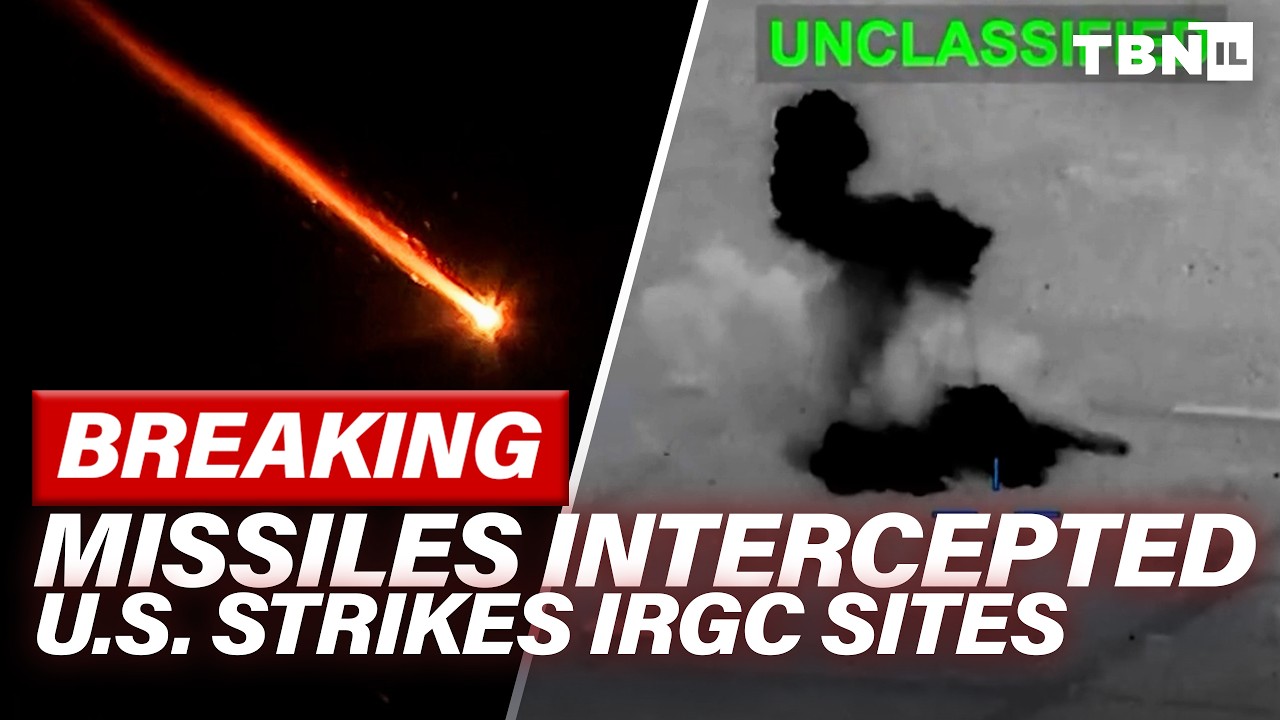
BREAKING: Ballistic Missiles INTERCEPTED; Iran Targets Hormuz; Lebanon Tensions FLARE | TBN Israel
"Recent exchanges of fire between the US and Iran, coupled with escalating tensions in Lebanon and Gaza, reveal Iran's multi-front strategy to assert control over key maritime routes and regional influence, despite signed agreements."

The Strait of Hormuz Ship Show: Week 16 Update
"Despite a US-Iran deal to reopen the Strait of Hormuz, Iran immediately reasserted control through a 'protection racket' of mandatory insurance and permits, creating a chaotic and high-risk environment for global shipping."

Hormuz is all Blocked Up with Ships - Week 11 | Iran and US Blockade Update
"The Strait of Hormuz blockage enters its 11th week, causing a global oil demand contraction, supply chain disruptions, and a scramble for alternative shipping routes and energy deals, while geopolitical tensions escalate."

BREAKING: Hormuz Under Fire; Iran Threatens Trump; U.S. Readies Response | TBN Israel
"Iran escalates tensions by blocking the Strait of Hormuz and threatening Donald Trump, while the US prepares a military response and Israel monitors the fragile regional ceasefire."