BREAKING: Iran Near BREAKING Point; U.S. BLOCKADE Tightens; Hezbollah Violates Truce | TBN Israel
YouTube · TyfHSDeAtho
Quick Read
Summary
Takeaways
- ❖The U.S. has deployed three aircraft carriers to the Middle East for the first time since 2003, signaling overwhelming military deterrence.
- ❖Trump canceled negotiations with Iran's envoys in Pakistan, demanding direct talks with the White House on American terms.
- ❖Iran's economy is being choked by a naval blockade, freezing of crypto accounts, and sanctions on its oil and gas transport vessels.
- ❖Iran is experiencing severe internal water and energy crises, with its President urging citizens to reduce electricity consumption.
- ❖Hezbollah has repeatedly violated the ceasefire with Israel, leading to IDF strikes in southern Lebanon and the elimination of multiple terrorists.
- ❖The global oil shipping ETF has jumped by 1,000% due to the war with Iran, indicating massive shifts in transport costs and market dynamics.
- ❖The U.S. is considering punitive measures against NATO allies, including Britain, for not fully supporting the campaign against Iran.
Insights
1U.S. Strategy: Economic Attrition and Coercive Diplomacy
The U.S. is employing a strategy of economic strangulation and military deterrence against Iran, rather than immediate military strikes. This includes a naval blockade in the Arabian Sea, freezing crypto accounts linked to the Revolutionary Guards, and deploying three aircraft carriers to the region. The goal is to force Iran to the negotiating table on American terms, leveraging internal economic and social crises within Iran.
Trump halted negotiations after Iran's proposal lacked commitment from all leadership elements (). U.S. officials believe economic pressure and oil blockade favor their position (). Three American aircraft carriers are operating in the Middle East for the first time since 2003 (). The U.S. Treasury froze crypto accounts worth hundreds of millions of dollars (). Trump's message: 'If Iran wants to talk, it can call' ().
2Iran's Internal Crises Deepen Under Pressure
Beyond external pressures, Iran is facing severe internal challenges, including a critical water crisis due to drying reservoirs and mismanagement, and an unprecedented energy crisis leading to calls for citizens to reduce electricity consumption. These issues are exacerbating social and economic instability, creating internal pressure on the regime.
Iran's water system is on the verge of collapse (). Iran is facing an unprecedented energy crisis threatening internal stability, with President Pazarian calling on citizens to reduce electricity consumption (, ).
3Hezbollah Violations Escalate Israeli Response
Hezbollah has repeatedly violated the ceasefire agreement between Israel and Lebanon, launching drones and missiles, and attempting to hit IDF forces. This has prompted strong Israeli military responses, including strikes on Hezbollah targets, elimination of terrorists, and dismantling infrastructure in southern Lebanon, threatening to reignite the northern front.
Hezbollah is blatantly violating the ceasefire (). Prime Minister Netanyahu instructed the IDF to strike Hezbollah targets in Lebanon with force after repeated violations (, ). IDF eliminated more than 15 Hezbollah terrorists over the weekend ().
4The Unresolved Nuclear Problem and Dispersed Uranium
Despite ongoing pressures, Iran's nuclear problem remains a significant concern. Assessments suggest Iran holds around 11 tons of uranium at various enrichment levels, potentially enough for dozens of nuclear bombs. The challenge is compounded by Iran's ability to disperse material and knowledge into underground or mountain tunnel networks, making traditional strikes less effective and demanding the handover of enriched uranium.
Iran holds around 11 tons of uranium at different enrichment levels, potentially enough for 35 to 100 nuclear bombs (). Not all uranium is in one place, and knowledge cannot be bombed; material may be hidden in mountain tunnel networks (). Americans are demanding Iran hand over enriched uranium ().
Bottom Line
The U.S. is leveraging its energy independence to gain strategic advantage, becoming the 'world's gas station' as global shipping costs soar due to Middle East instability.
This shift positions the U.S. to profit from geopolitical tensions, reducing its vulnerability to Middle Eastern oil disruptions while increasing its influence over energy-dependent nations.
Investors and energy companies can explore opportunities in U.S. energy export infrastructure (LNG, oil) and related logistics, as well as alternative shipping routes or technologies that mitigate geopolitical risks.
The U.S. is using the threat of withdrawing support or imposing penalties on NATO allies, including questioning British sovereignty over the Falkland Islands, to ensure compliance and support for its Middle East strategy.
This indicates a hardening stance on alliance obligations, where perceived inaction or non-cooperation could lead to significant diplomatic and strategic repercussions for allies.
Governments and defense strategists in allied nations must re-evaluate their geopolitical alignments and contributions to U.S.-led initiatives, understanding that neutrality or limited engagement may come at a high cost.
Opportunities
Global Oil Shipping & Logistics Optimization
Develop advanced logistics and risk management solutions for oil and gas shipping, focusing on optimizing routes, insurance, and security protocols in volatile regions like the Persian Gulf. This could include real-time threat assessment, dynamic rerouting, and specialized security services for tankers, capitalizing on soaring shipping costs and security risks.
U.S. Energy Export Infrastructure & Trading
Invest in and develop infrastructure for U.S. energy exports (oil, petroleum, LNG) to meet rising global demand, particularly from Asia. This includes expanding port capacities, pipeline networks, and storage facilities, as well as developing sophisticated trading platforms for American energy products.
Cybersecurity and Crypto Forensics for Sanctions Enforcement
Offer specialized cybersecurity and blockchain forensics services to governments and financial institutions to track and freeze crypto accounts used by sanctioned entities like Iran's Revolutionary Guards. This addresses the growing use of digital currencies for illicit financing and sanctions evasion.
Key Concepts
Coercive Diplomacy
The U.S. is concentrating overwhelming military force and applying severe economic pressure to compel Iran to change its behavior and negotiate on American terms, without resorting to direct military conflict unless necessary. This strategy aims to make the cost of non-compliance unbearable.
Economic Attrition
The U.S. is systematically eroding Iran's economic capacity through blockades, sanctions, and financial freezes, aiming to deplete its resources, reduce its ability to fund proxies, and create internal pressure on the regime rather than direct military confrontation.
Lessons
- Monitor the Strait of Hormuz and Arabian Sea for naval activity and shipping disruptions, as these directly impact global oil prices and supply chains.
- Track internal developments in Iran, particularly related to water and energy crises, as these may signal increased instability or a shift in the regime's negotiation stance.
- Assess geopolitical risks associated with U.S. alliance dynamics, as Washington's willingness to penalize non-cooperating allies could reshape international partnerships.
Notable Moments
Trump's order to 'shoot to kill' Iranian speedboats in the Strait of Hormuz.
This public order and its amplification by the Secretary of War established new, aggressive rules of engagement, signaling a clear escalation of military readiness and a low tolerance for Iranian provocations.
The deployment of three U.S. aircraft carriers to the Middle East.
This unprecedented concentration of naval power since 2003 serves as a powerful deterrent and demonstrates the U.S.'s capability for broad air and sea control, reinforcing its 'coercive diplomacy' strategy.
Iran's President calling on citizens to reduce electricity consumption.
This dramatic plea highlights the severe impact of U.S. sanctions and internal mismanagement on Iran's basic infrastructure, revealing the depth of the economic and energy crises affecting ordinary citizens.
Quotes
"You do not issue public orders to terminate unless you want the enemy to understand that the price of miscalculation has now become a binding commitment."
"If Iran wants an agreement, it must turn directly to the White House on American terms."
"Trump is shutting off the valve from above, from below, and from all sides."
"You cannot enjoy the protection of the United States and then disappear when the sea route that you depend on is blocked."
Q&A
Recent Questions
Related Episodes

Patrick Henningsen: Hezbollah JUST Fired Back at Israel - Iran Vows to “Crush” All Attacks
"Patrick Henningsen argues that the US and Israel initiated an illegal war against Iran, driven by Trump's incompetence and Israeli influence, leading to an inevitable escalation with severe global economic repercussions."
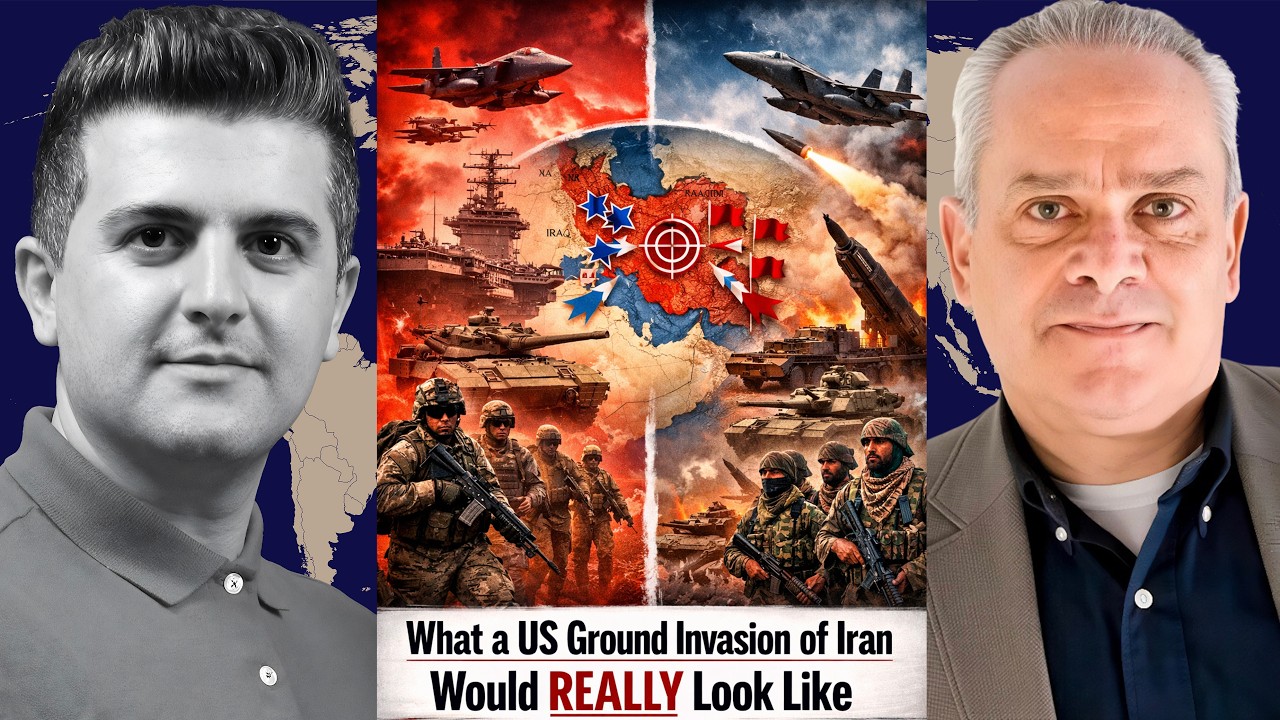
Col. Jacques Baud: What a US Ground Invasion of Iran Would REALLY Look Like
"Colonel Jacques Baud dissects the strategic futility of a US ground invasion of Iran, arguing that current troop levels are insufficient and such an action would backfire, exposing US allies and potentially leading to Iran's nuclearization."
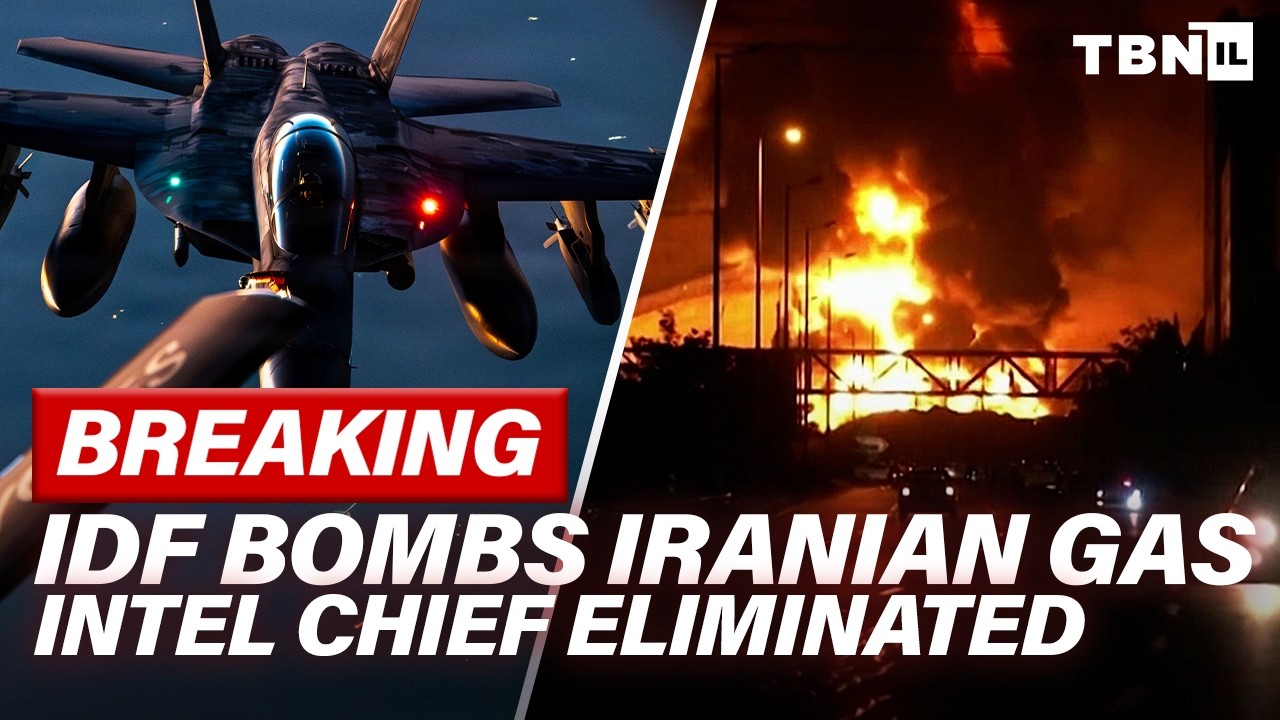
BREAKING: Israel BOMBS Major Iran Gas Site; Top Mullah ELIMINATED; Iran Vows VENGEACE | TBN Israel
"Israel and the United States have escalated their 'Roaring Lion War' against Iran, striking its largest gas facilities, eliminating key intelligence and military figures, and disrupting missile production, while Iran threatens a broader energy war in the Gulf."
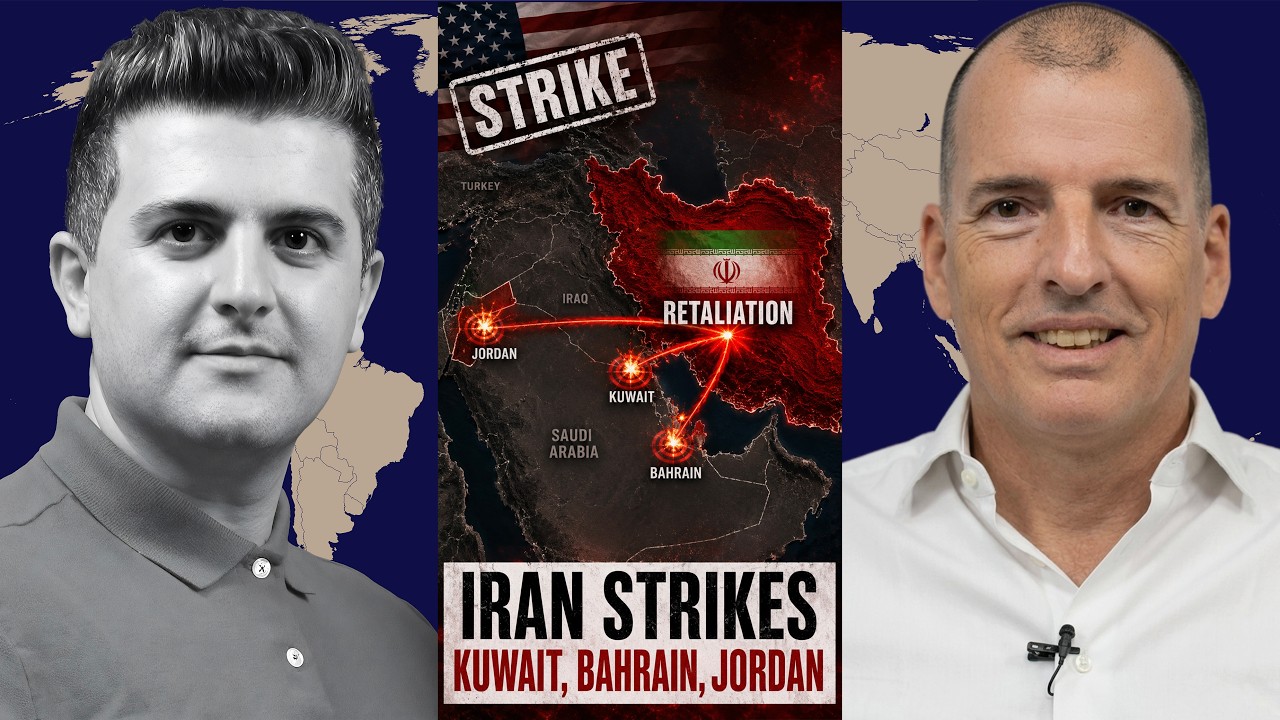
Alex Krainer: US STRIKES Iran – Iran RETALIATES Against Kuwait, Bahrain & Jordan!
"Amidst escalating US-Iran conflict and Iranian retaliation against regional US allies, this episode argues that US foreign policy is deeply controlled by an 'Anglo-Zionist conspiracy' led by the Rothschild banking dynasty, prioritizing Israeli interests over American ones."