BREAKING: IDF BLITZ Attack On Hezbollah; U.S. Warns NATO; Iran STRAINS Ceasefire | TBN Israel
YouTube · 4Vpq9k3YnYM
Quick Read
Summary
Takeaways
- ❖Israel launched 'Operation Eternal Darkness,' a large-scale air and ground assault in Lebanon, eliminating dozens of Hezbollah terrorists and destroying over 100 targets simultaneously.
- ❖Key Hezbollah figures, including Ali Yusef Harasi (Naim Kasim's personal secretary and nephew), were eliminated in targeted strikes in Beirut.
- ❖The IDF destroyed strategic crossings over the Litani River, used by Hezbollah to smuggle thousands of weapons, aiming to isolate southern Lebanon.
- ❖Iran's Revolutionary Guards are furious, threatening to withdraw from negotiations and issuing direct threats like 'Only fire will educate you.'
- ❖Iran is demanding Bitcoin payments for tankers transiting the Strait of Hormuz and threatening attacks on non-compliant vessels, indicating the strait is not truly open.
- ❖The US is considering withdrawing forces from NATO members (France, Italy, Spain) that did not assist in the war against Iran, while rewarding supportive nations (Poland, Romania, Lithuania, Greece).
- ❖Iran faces estimated economic losses of $140-150 billion from the war, with significant damage to military production sites and civilian infrastructure.
- ❖The US imposed a 50% tariff on all goods from countries supplying military weapons or technology to Iran.
- ❖Internal repression in Iran is escalating, with reports of accelerated executions, dire prison conditions, and live fire against inmates.
- ❖Israel views the ceasefire with Iran as a 'preparation phase' and a 'window of action' to rearm, reorganize, and intensify operations against Hezbollah in Lebanon, which is not part of the ceasefire.
Insights
1Israel's Strategic Use of Ceasefire Against Hezbollah
The current ceasefire between the US, Iran, and Israel is not a period of calm for Israel in Lebanon. Instead, Israel is actively using this 'window of action' to intensify its campaign against Hezbollah. The IDF launched 'Operation Eternal Darkness,' a coordinated air and ground assault, striking over 100 targets simultaneously to prevent escapes and eliminate key command personnel. This strategy aims to weaken Hezbollah's infrastructure and leadership while Iran is preoccupied with negotiations and recovering from war damages.
The IDF eliminated Ali Yusef Harasi, personal secretary and nephew to Hezbollah's Secretary General Naim Kasim, in Beirut. They also destroyed two strategic crossings over the Litani River used for weapon transfers and eliminated dozens of terrorists in ground operations. Prime Minister Netanyahu explicitly stated Israel would continue striking Hezbollah, and Trump confirmed Lebanon was not included in the ceasefire deal.
2Iran's Fractured Leadership and Negotiation Tactics
Iran's leadership appears discombobulated, speaking with multiple voices regarding the ceasefire negotiations. While signaling openness to talks, Iran simultaneously refuses to limit its nuclear program, demands compensation, and sets new conditions for attending talks. This behavior is interpreted as an attempt to best position themselves, create psychological warfare, and undermine the US's resolve, rather than engaging in straightforward negotiations.
The White House spokeswoman stated Iran signaled willingness to transfer enriched uranium, but also stressed it's a 'red line' Trump won't retreat from. Conversely, Iran's Nuclear Development Organization announced no intention to limit the program. Iranian media published a 10-point plan with demands far from US conditions, which Trump called 'lies' spread by 'crooks.'
3Economic Pressure and Internal Repression in Iran
The war has inflicted severe economic damage on Iran, estimated at $140-150 billion, alongside extensive destruction of military and civilian infrastructure. This economic strain is impacting the Revolutionary Guards' decision-making. Internally, the regime is tightening control, increasing repression, accelerating executions, and worsening prison conditions, indicating a fear of domestic unrest as the military front partially quiets.
Residents of Tehran woke up to a 'wounded city' with damaged buildings and a battered economy. Reports from Ain prison detail welded cell doors, food shortages, violence, and live fire against inmates. Iran's judiciary chief called for accelerating executions and property confiscation from 'enemy agents.'
4US Re-evaluation of NATO Alliances and Economic Sanctions
The US is reassessing its alliances based on support during the conflict with Iran. It is considering withdrawing forces from NATO members who did not assist in the war and relocating them to more supportive nations. Additionally, the US has implemented new, dramatic economic sanctions, imposing a 50% tariff on all goods from countries supplying military weapons or technology to Iran, aiming to cut off Iran's production lines.
The US is considering withdrawing forces from NATO members like France, Italy, and Spain, while potentially benefiting Poland, Romania, Lithuania, and Greece. President Trump announced a 50% tariff on all goods imported from countries supplying military weapons or technology to Iran.
Lessons
- Share content from TBN Israel to spread awareness about the ongoing conflict and its complexities.
- Pray for wisdom for leaders, safety for IDF soldiers, and peace for Jerusalem and the people of Iran.
- Consider donating to organizations like TBN Israel to support their reporting and content creation from the region.
Quotes
"The current ceasefire is giving Israel critical time to rearm while Iran is trying to recover from the heavy damage of this war."
"The long arm of the IDF reaches the office of Hisbala's secretary general."
"If for any reason an agreement is not signed, the fire will begin and it will be stronger."
"The war against [Hezbollah] is not over. We have a stated goal both on a military level and on the government level to weaken, push back and deter [Hezbollah] long term."
"The ceasefire there has from Israel's perspective turned into a window of action and that is also the American line."
Q&A
Recent Questions
Related Episodes

Patrick Henningsen: Hezbollah JUST Fired Back at Israel - Iran Vows to “Crush” All Attacks
"Patrick Henningsen argues that the US and Israel initiated an illegal war against Iran, driven by Trump's incompetence and Israeli influence, leading to an inevitable escalation with severe global economic repercussions."
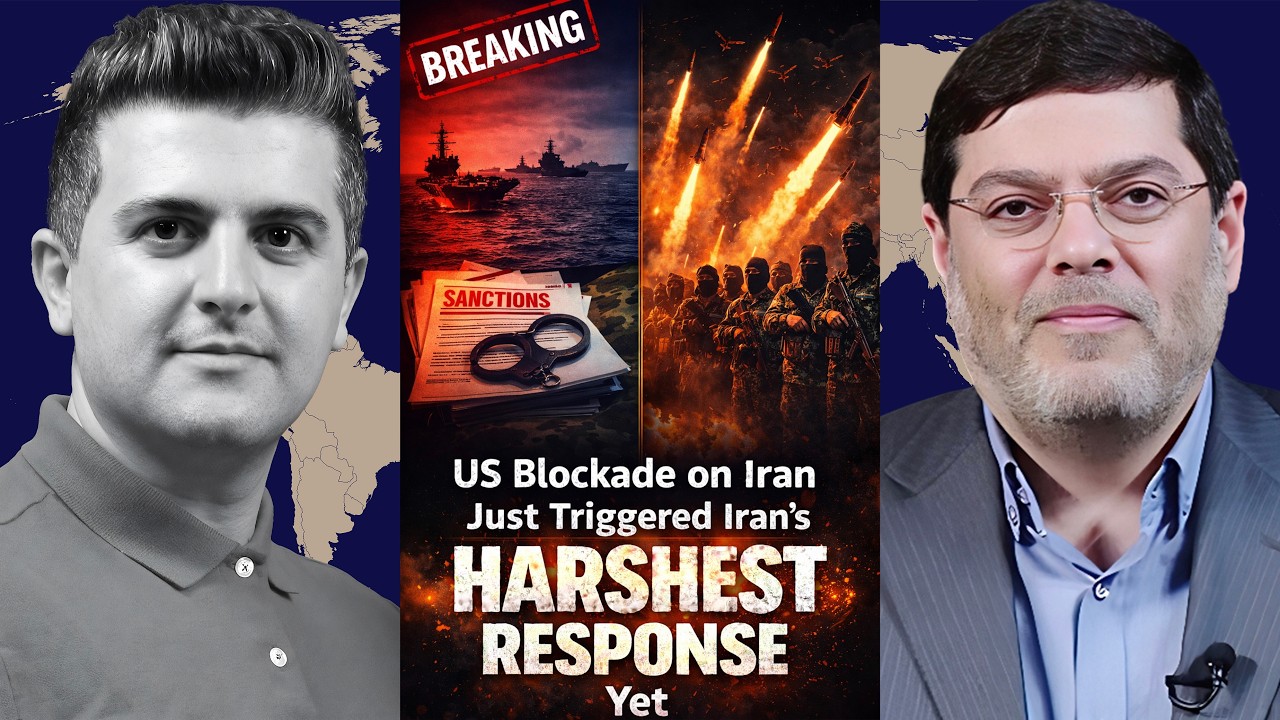
Seyed M. Marandi: US Blockade on Iran Just Triggered Iran’s HARSHEST Response Yet
"An Iranian professor details how US demands and an imposed blockade triggered Iran's harshest response, exposing American strategic missteps and the vulnerability of Gulf Arab states."

Bibi DEMANDS Ground Troops As Marines Rushed to Iran
"Benjamin Netanyahu is pushing for US ground troops in Iran, framing air strikes as insufficient, while the US rushes Marines to the region and struggles to secure the Strait of Hormuz against surprisingly capable Iranian defenses."
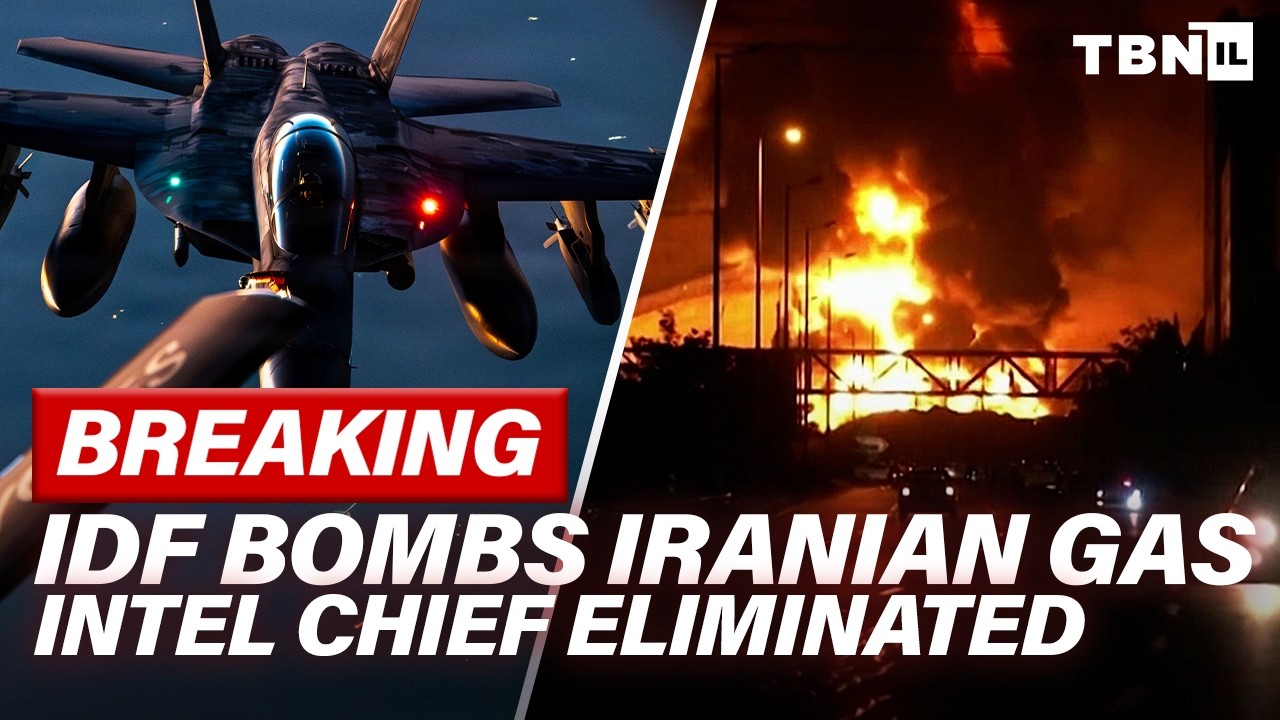
BREAKING: Israel BOMBS Major Iran Gas Site; Top Mullah ELIMINATED; Iran Vows VENGEACE | TBN Israel
"Israel and the United States have escalated their 'Roaring Lion War' against Iran, striking its largest gas facilities, eliminating key intelligence and military figures, and disrupting missile production, while Iran threatens a broader energy war in the Gulf."