
What surgeon Michael Mckee did before allegedly killing Monique and Spencer Tepe - Ohio murders
YouTube · 4fEHH3pE5PQ
Quick Read
Summary
Takeaways
- ❖Dr. Michael McKe faces a five-count indictment, including four counts of aggravated murder and one count of aggravated burglary.
- ❖Investigators found a gun with a silencer/suppressor was used, linking to premeditation.
- ❖Shell casings at the scene matched a gun found at McKe's residence.
- ❖McKe was named in a 2024 Nevada malpractice lawsuit and reportedly 'disappeared' from his surgical practice.
- ❖Mo'Nique Tepe's family and friends confirmed a history of abuse and her fear of McKe, even eight years after their divorce.
- ❖The couple's two young children were found unharmed in the house, a detail attributed to the killer's compartmentalization.
- ❖Criminologist Dr. Casey Jordan suggests McKe's actions were driven by arrogance, a 'god complex,' and a life 'unraveling.'
- ❖The four aggravated murder charges are a legal strategy to ensure conviction, covering both premeditated murder and murder during a felony (burglary).
Insights
1Premeditation Evidenced by Silencer Use
The use of a gun equipped with a silencer or suppressor strongly indicates premeditation and planning. Criminologist Dr. Casey Jordan states that such an accessory is acquired specifically for killing quietly, suggesting a deliberate intent to avoid detection and potential resistance.
According to the indictment, McKe used a gun equipped with a muffler or suppressor. Dr. Jordan emphasizes, 'You get a silencer or a suppressor when you want to kill someone.'
2Professional Decline and Avoidance Preceded Murders
Before the murders, Dr. McKe's professional life was in decline. He was named in a malpractice lawsuit in Nevada for failing to supervise a physician's assistant, and he actively evaded being served legal papers, reportedly disappearing from his practice. This pattern of avoiding responsibility is seen as a precursor to his later actions.
A 2024 Nevada lawsuit named McKe for supervisory negligence. Lawyers tried serving him nine times, and a former colleague stated McKe 'just disappeared.' Dr. Jordan notes, 'This is a man who seems to run from his problems instead of facing them head on.'
3Domestic Violence as the Core Motive
The Columbus, Ohio police chief officially classified the murders as an act of domestic violence. Mo'Nique's family and friends consistently reported her fear of McKe and the abuse she endured, even eight years after their divorce, indicating a long-standing pattern of control and torment.
The police chief stated the murders were 'an act of domestic violence.' Mo'Nique's brother-in-law said she 'had to get away from McKe' due to 'abuse' and 'torment.' A friend recalled Mo'Nique saying she feared he would 'never leave her alone for the rest of her life.'
4Overconfidence and Arrogance Led to Critical Mistakes
Despite his intelligence, McKe's perceived 'god complex' and overconfidence led him to make critical errors, such as keeping the murder weapon and leaving DNA at the scene. This arrogance made him believe he wouldn't be caught, overriding logical fear.
Dr. Jordan states McKe 'is an idiot' for keeping the gun, attributing it to 'arrogance' and 'overconfidence.' She adds, 'He's smart enough to make it through medical school... and yet with that comes this certain god complex.'
5Strategic Aggravated Murder Charges
The indictment includes four counts of aggravated murder for two victims. This legal strategy is a 'fail-safe' to secure a conviction, covering different legal theories: premeditated murder and murder committed during the commission of another felony, such as burglary. This preempts defense arguments that the murders were not planned.
Dr. Jordan explains the four counts are a 'preemptive strike' in case the jury doesn't believe he 'calculated it and designed it.' She notes, 'murdering in the commission of a burglary is a whole different set of murder charges.'
Key Concepts
God Complex (Surgeons)
The criminologist suggests that surgeons, due to their work often involving life and death, can develop a 'god complex' or extreme arrogance, leading to overconfidence and a belief they are above consequences. This can manifest as a refusal to accept responsibility or accountability.
Compartmentalization
The ability to separate conflicting thoughts or feelings into different mental 'compartments.' In this case, McKe allegedly planned to kill the adults but not harm the children, demonstrating a specific focus for his violence while isolating other considerations.
Scapegoating
Blaming an individual or group for one's own problems or failures. McKe, facing professional and personal decline, allegedly focused his misery and depression onto his ex-wife and her new husband, seeing them as symbols of his unhappiness and a target for vengeance.
Lessons
- Recognize that domestic violence can persist and escalate years after a relationship ends, and fear expressed by a victim should always be taken seriously.
- Understand that a perpetrator's professional or personal decline can exacerbate existing resentments and lead to extreme, violent acts.
- Be aware that legal strategies in murder cases often involve multiple charges (e.g., aggravated murder counts) to ensure conviction under various interpretations of intent and circumstances.
Quotes
"You get a silencer or a suppressor when you want to kill someone."
"He is an idiot... with that comes this certain god complex we often talk about with surgeons."
"This is a man who seems to run from his problems instead of facing them head on."
"When we find power control oriented killers losing their sense of control, that's when they do completely uncharacteristic things."
Q&A
Recent Questions
Related Episodes

5 Most Wicked Murder Cases Caught On Bodycam
"Bodycam footage provides an unfiltered, real-time look into five brutal murder investigations, exposing the immediate aftermath of horrific crimes and the initial interactions with suspects and witnesses."

The Root Beer Float Murder | Full Episode + Post Mortem
"A seemingly natural death of a husband is unmasked as a calculated poisoning plot by his wife and stepdaughter, revealed only after an unrelated burglary exposes a trail of incriminating text messages."
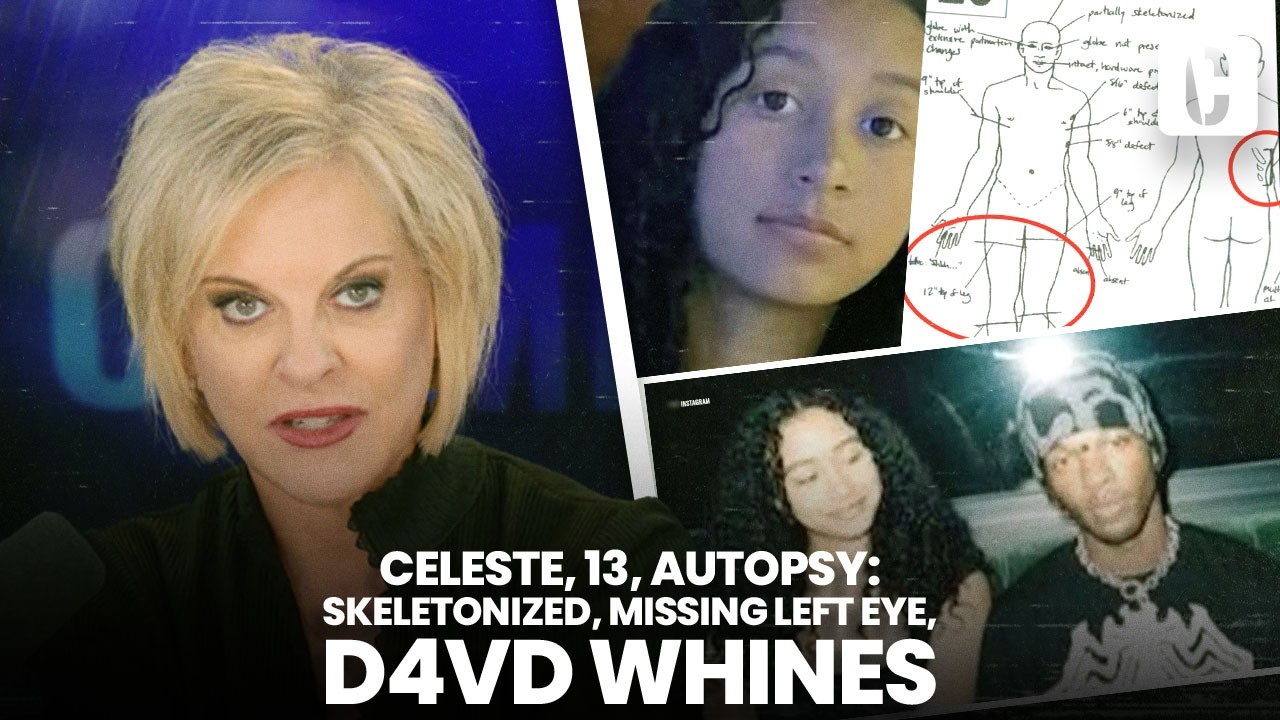
CELESTE, 13, AUTOPSY: SKELETONIZED, MISSING LEFT EYE, D4VD WHINES
"A 13-year-old girl, Celeste Rivas, was found partially skeletonized with a missing left eye, traces of meth and MDMA, and fatal stab wounds, while the accused musician David Anthony Burke (D4VD) complains about jail conditions."
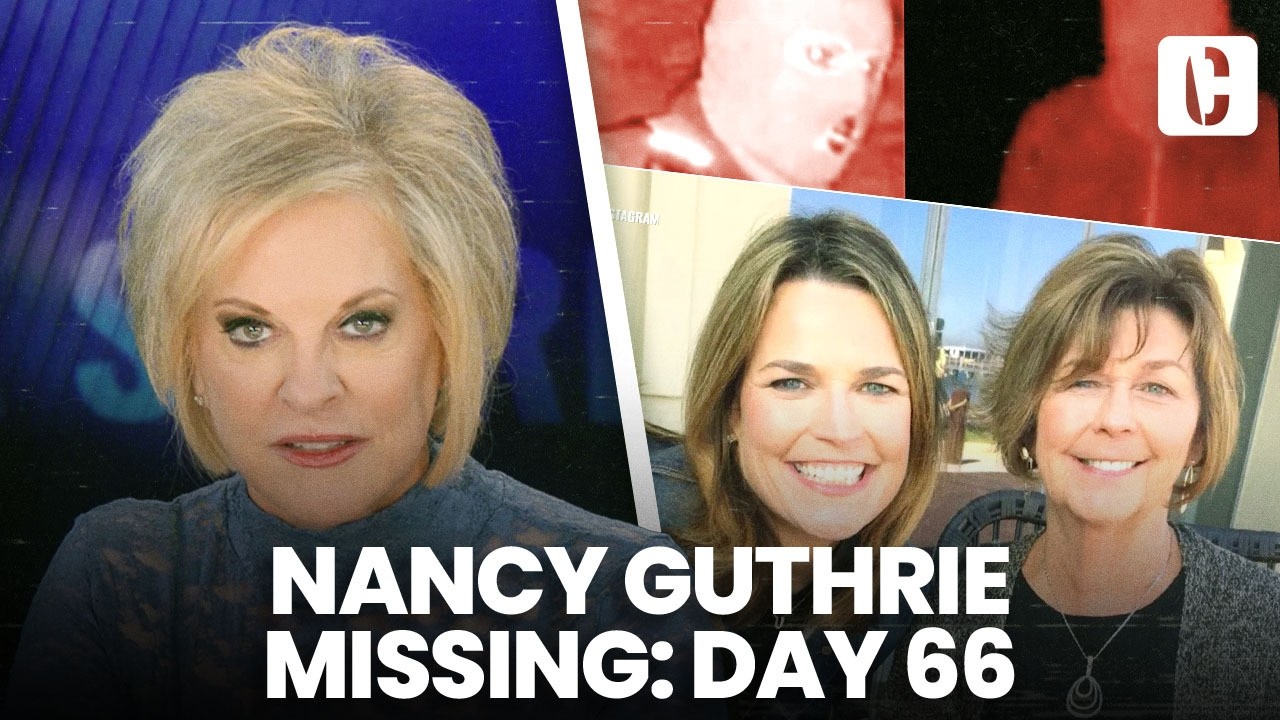
SAVANNAH GUTHRIE'S MOM MISSING: DAY 66
"On day 66 of Nancy Guthrie's disappearance, investigators grapple with two distinct sets of Bitcoin ransom notes, digital tracing challenges, and potential physical evidence like shoe coverings, as new, dubious claims emerge from a 'hyena' seeking payment for information."