BREAKING: Iran FIRES On U.S. Ships; IDF Hits Beirut; Hamas Chief Eliminated | TBN Israel
YouTube · 4qpmkQs-370
Quick Read
Summary
Takeaways
- ❖Iran violated a ceasefire agreement by firing on US ships in the Strait of Hormuz and launching UAVs towards shipping routes.
- ❖The US imposed new sanctions on Iran's oil network and conducted strikes against Iranian drone and missile facilities.
- ❖Iran's parliament chairman stated Tehran would not remove enriched uranium, setting a red line in nuclear talks.
- ❖Satellite images revealed Iran is restoring access to underground missile facilities, indicating preparation for future conflict.
- ❖The IDF struck Hezbollah strongholds in Beirut for the first time since a ceasefire, signaling a shift in operational strategy.
- ❖Israel confirmed the elimination of senior Hamas official Muhammad Odeh and Imad Assar Hussein Aslim, deputy commander of the Gaza City Brigade.
- ❖The UN published a report equating IDF soldiers with Hamas terrorists, drawing strong condemnation from Israel's ambassador.
- ❖Hosts are highly skeptical of any US-Iran agreement, viewing it as a temporary delay that allows Iran to rebuild its military capabilities and proxies.
Insights
1Iran's Escalation Amidst Ceasefire Talks
Despite reports of a framework agreement for a 60-day ceasefire extension between the US and Iran, Iran reportedly fired warning shots at four vessels near the Strait of Hormuz, launched a ballistic missile towards a US base in Kuwait (intercepted), and denied removing enriched uranium. Satellite images also show Iran restoring underground missile facilities, suggesting preparations for conflict rather than peace.
Iran reported attacking ships in the Strait of Hormuz (), fired warning shots at four vessels (), launched a ballistic missile towards an American base in Kuwait (), and satellite images revealed Iran restoring access to underground missile facilities (). The chairman of the security committee in the Iranian parliament made clear Tehran will not remove enriched uranium ().
2US Response: Sanctions and Targeted Strikes
The United States responded to Iran's actions by imposing new sanctions on dozens of individuals, companies, and vessels involved in Iran's illegal oil trade to cut off Revolutionary Guard income. The US also conducted military strikes in the Bandar Abbas area to prevent UAV launches and target mine-laying boats and missile launch sites, framing these as defensive and limited actions.
The United States imposed sanctions on dozens of individuals, companies, and vessels involved in Iran's illegal oil trade (). The US military struck near Bandar Abbas to prevent UAV launches (), intercepted five Iranian UAVs (), and struck boats laying mines and missile launch sites ().
3IDF Escalates Operations Against Hezbollah and Hamas
The IDF struck Hezbollah strongholds in Beirut for the first time since a ceasefire, targeting a missile official and issuing evacuation warnings in southern Lebanon. In Gaza, Israel continued to dismantle Hamas's command structure, eliminating senior officials like Muhammad Odeh and Imad Hassan Hussein Aslim, responsible for October 7th raids.
The IDF confirmed striking in Beirut for the first time since the ceasefire with Hezbollah (). An initial report indicated the target was Ali el-Husseini, a missile official (). The IDF and Shin Bet eliminated Imad Hassan Hussein Aslim, deputy commander of the Gaza City Brigade (), and Muhammad Odeh, the new leader of Hamas's military wing ().
4Skepticism Over US-Iran Agreement
The hosts express profound skepticism about any 'framework agreement' or 'ceasefire' with Iran, viewing it as 'spin' rather than a genuine breakthrough. They argue that the fundamental disagreements between the US and Iran (e.g., uranium enrichment, proxy warfare) are too vast for a meaningful agreement, and Iran will use any pause to rebuild its military capabilities.
Mati Shoshani states, 'I'm very much in a skeptical mood right now when it comes to everything that's being said and reported. I feel like much of it has become more spin than it is actually content.' () He highlights the vast differences in US and Iranian demands regarding the ceasefire ().
5UN Report Equates IDF with Terrorist Organizations
A UN report placed IDF soldiers on the same blacklist as Hamas, drawing strong condemnation from Israel's ambassador. The hosts vehemently reject this equivalence, asserting that the IDF operates under moral and legal principles, while Hamas intentionally targets and harms innocents.
The UN published a report placing IDF soldiers in the same line as Hamas terrorists (). Israel's ambassador to the UN, Danny Danon, sharply attacked this decision (). Mati Shoshani states, 'We are not on the same moral level with Hamas or with Hezbollah or with Iran.' ().
Bottom Line
Hezbollah faces unprecedented political pressure in Lebanon, unable to prevent talks between Israel and Lebanon in Washington, and its calls for public protests are seen as a sign of distress.
This internal political weakening of Hezbollah could create a window for the Lebanese government to assert more control, potentially reducing Hezbollah's influence and its ability to act as an Iranian proxy, though this remains a challenging prospect.
International diplomatic efforts could focus on strengthening legitimate Lebanese governmental institutions and civil society to counter Hezbollah's power, offering an alternative to its military and political dominance.
Iran's leadership is perceived as weak and fractured, with various factions within the IRGC and Ayatollah's circles unable to make cohesive decisions, leading to contradictory statements and actions.
This internal disunity makes genuine, long-term diplomatic agreements with Iran difficult to achieve, as there is no single, authoritative voice to negotiate or enforce commitments. It also contributes to unpredictable and escalatory behavior.
External actors could exploit these internal divisions to sow further discord within the Iranian regime, potentially weakening its overall stability and capacity to project power regionally, though this carries significant risks of unintended consequences.
Key Concepts
Rebuilding During Pause
This model describes Iran's consistent strategy of using periods of reduced conflict or diplomatic engagement to rebuild and enhance its military infrastructure, nuclear program, and proxy capabilities, rather than pursuing genuine de-escalation or peace. The hosts argue that any ceasefire or agreement that does not dismantle these capabilities merely provides 'oxygen' and 'time' for Iran to strengthen for future confrontations.
War of Attrition (Hezbollah)
Hezbollah's strategy in southern Lebanon is framed as a 'war of attrition,' involving constant, limited attacks (anti-tank missiles, drones) to inflict a continuous price on Israel without escalating to full-scale war. This tactic aims to wear down Israeli forces and communities, affecting daily life and creating a routine of fear, while maintaining political leverage in Beirut.
Lessons
- Share accurate information about the conflict in the Middle East to counter misinformation and provide a clear picture of events.
- Support organizations that provide on-the-ground reporting and analysis from Israel to gain a direct perspective on the war.
- Engage in prayer for peace in Jerusalem and for the complex geopolitical situation in the Middle East, as advocated by the hosts.
Quotes
"I'm very much in a skeptical mood right now when it comes to everything that's being said and and reported. I feel like much of it has become more spin than it is actually content."
"If you're planning to have a a peace agreement or a ceasefire that is extended, do you spend your limited resources on digging up ballistic missile silos? I think the obvious answer is you don't. You do something entirely different."
"We are not on the same moral level with Hamas or with Hezbollah or with Iran. And I want to say this in the most clear way. The Israeli soldiers and the Israeli state is far superior to the morality of the people we're fighting against."
"In simple words, there is diplomacy on paper, but in the waters of Hormuz, a war is still taking place."
"If Hormuz opens, but Iran remains with uranium, with money, and with proxies, that's not a decision. It is a delay."
Q&A
Recent Questions
Related Episodes

Patrick Henningsen: Hezbollah JUST Fired Back at Israel - Iran Vows to “Crush” All Attacks
"Patrick Henningsen argues that the US and Israel initiated an illegal war against Iran, driven by Trump's incompetence and Israeli influence, leading to an inevitable escalation with severe global economic repercussions."
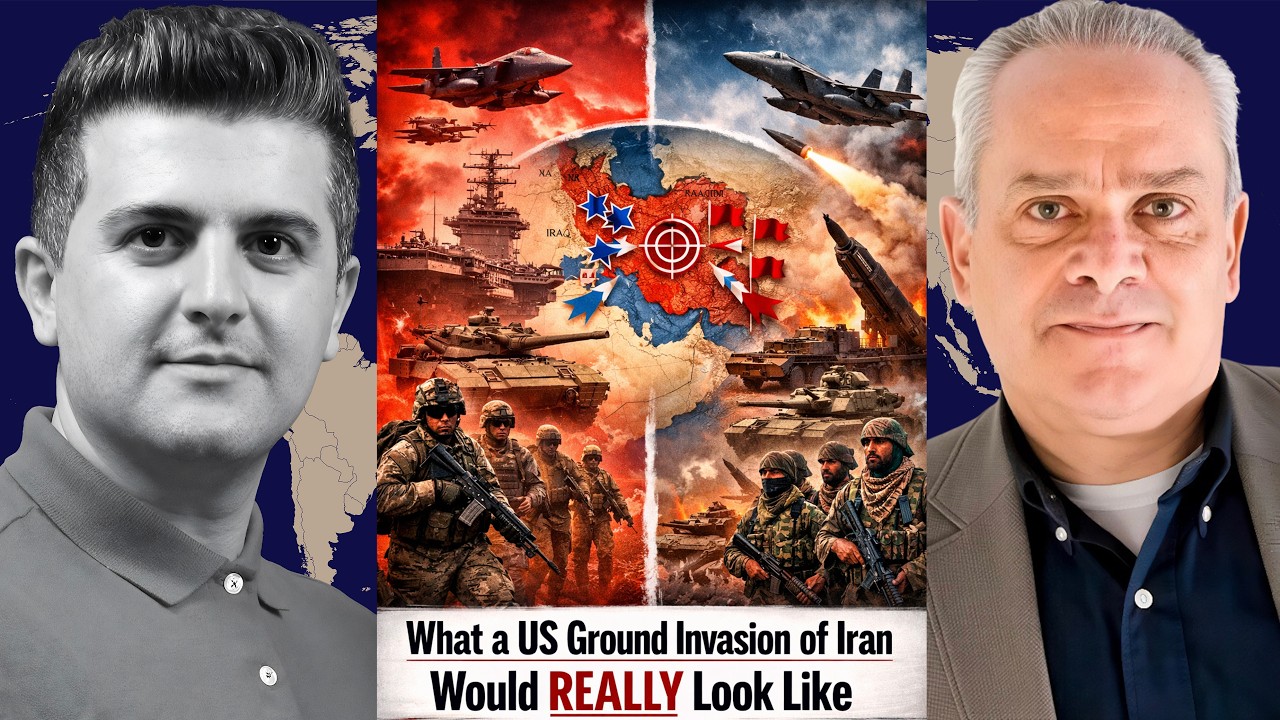
Col. Jacques Baud: What a US Ground Invasion of Iran Would REALLY Look Like
"Colonel Jacques Baud dissects the strategic futility of a US ground invasion of Iran, arguing that current troop levels are insufficient and such an action would backfire, exposing US allies and potentially leading to Iran's nuclearization."
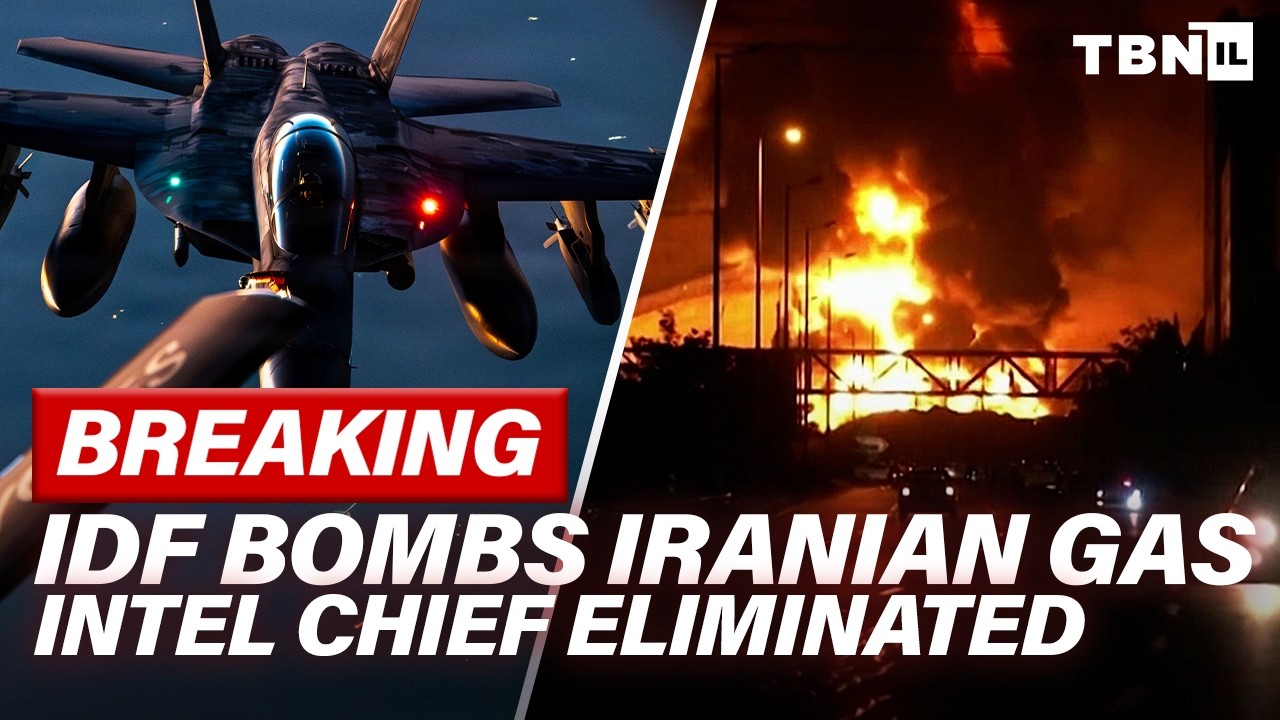
BREAKING: Israel BOMBS Major Iran Gas Site; Top Mullah ELIMINATED; Iran Vows VENGEACE | TBN Israel
"Israel and the United States have escalated their 'Roaring Lion War' against Iran, striking its largest gas facilities, eliminating key intelligence and military figures, and disrupting missile production, while Iran threatens a broader energy war in the Gulf."
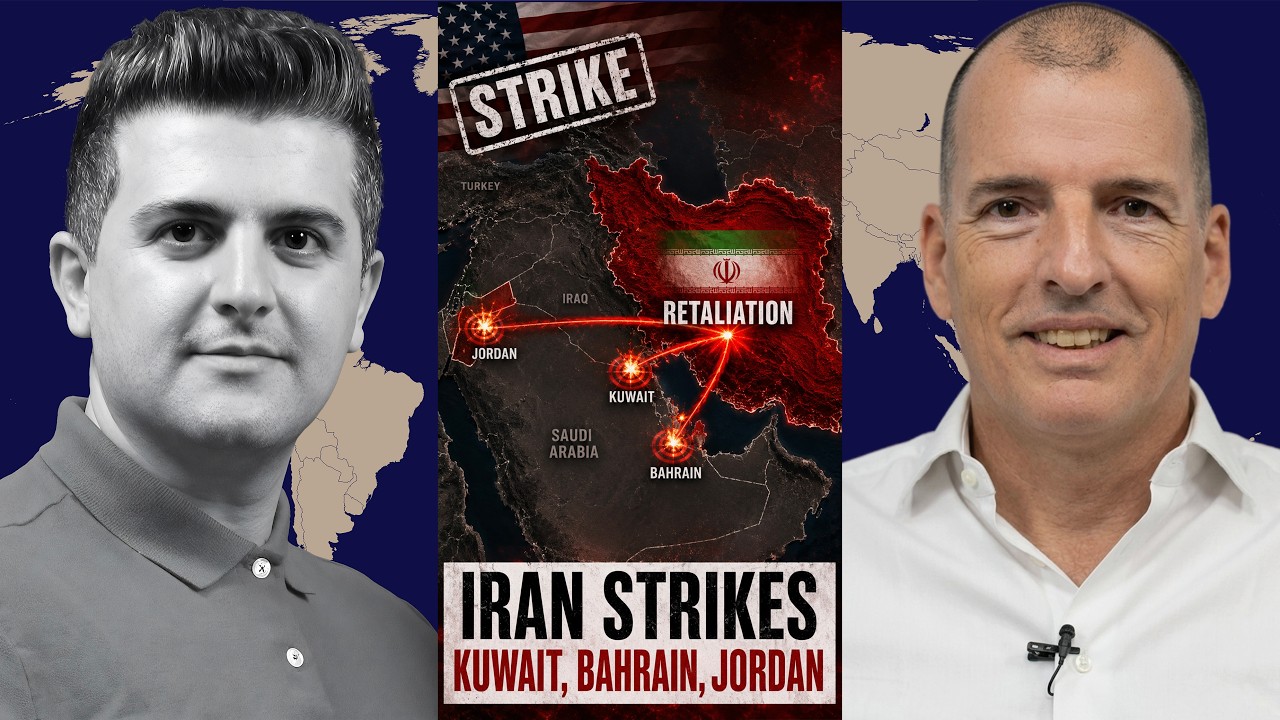
Alex Krainer: US STRIKES Iran – Iran RETALIATES Against Kuwait, Bahrain & Jordan!
"Amidst escalating US-Iran conflict and Iranian retaliation against regional US allies, this episode argues that US foreign policy is deeply controlled by an 'Anglo-Zionist conspiracy' led by the Rothschild banking dynasty, prioritizing Israeli interests over American ones."