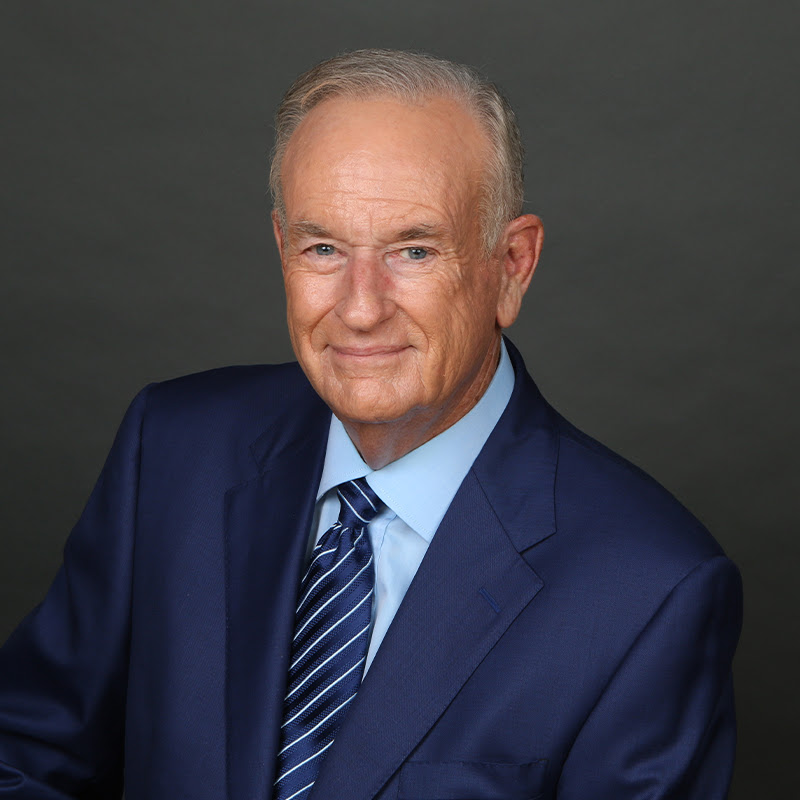
Inside Venezuela: Public Reaction With Román Camacho & Will Trump Invade Greenland? | Jan. 5, 2026
YouTube · 6-T0JsOu-G0
Quick Read
Summary
Takeaways
- ❖US Special Forces removed Venezuelan dictator Nicolás Maduro from a military compound outside Caracas at 2 AM local time.
- ❖Maduro was transported to the USS Iwo Jima, then to New York, where he faces narcotics charges and is incarcerated in Brooklyn.
- ❖The operation involved a pre-arranged deal with the Venezuelan military not to protect Maduro, resulting in no US casualties.
- ❖The Trump administration designated Maduro's 'Cartel de los Soles' as a terrorist group, providing legal grounds for military action without a War Powers Act declaration.
- ❖Host Bill O'Reilly criticizes Democratic politicians (Schumer, Harris) and mainstream media for what he calls hypocritical and uninformed opposition to the intervention.
- ❖On-the-ground reports from Caracas indicate a divided public: some are afraid to celebrate, while Maduro supporters express anger and desire for his return.
- ❖Despite Maduro's removal, the existing government structure and human rights violations persist in Venezuela, with journalists reportedly detained post-operation.
Insights
1Precision Military Operation to Remove Maduro
US Special Forces, specifically Delta Force, executed a precise, covert operation to apprehend Nicolás Maduro and his wife from a military compound outside Caracas. The success was facilitated by a pre-existing deal with the Venezuelan military, ensuring no resistance or US casualties. Maduro was swiftly extracted via helicopter to the USS Iwo Jima, then transported to New York for incarceration and legal proceedings.
US special forces descended into Caracas, Venezuela at 1 AM on Saturday morning (2 AM Caracas time). They targeted Maduro and his wife in a military compound. The deal was made before the US Delta Force went in with the CIA that the Venezuelan military would not protect the dictator Maduro. They snatched him, put him on a helicopter. He went to the USS Ewima, which was off the coast of Venezuela, transferred to a military transport place, took him to New York State where he is incarcerated in Brooklyn.
2Legal Justification: Terrorist Designation and Executive Authority
The host argues that President Trump's action was legal, not requiring congressional approval under the War Powers Act. This is based on the Trump administration's prior designation of Maduro's 'Cartel de los Soles' as a terrorist group. This designation, similar to actions against Soleimani or Osama bin Laden, grants the President authority to use military force against such entities to protect national security, particularly given the cartel's role in cocaine smuggling into the US.
In the summer and again in November, the Trump administration designated Cartel de los Soles as a terrorist group. That means under American law, we can use American military people to attack that cartel just as we did to attack Solommani... There's no War Powers Act. President has authority if he deems a group to be terrorists to attack them.
3Divided Public Reaction and Ongoing Fear in Venezuela
On-the-ground reporting from Caracas reveals a complex and divided public reaction to Maduro's removal. While many Venezuelans likely welcome the change due to widespread poverty and suppression under his regime, fear of reprisal prevents open celebration. Conversely, Maduro's loyalists, including armed 'colectivos,' are angry and desire his return. The existing government structure and human rights abuses, such as the detention of journalists, persist, indicating that Maduro's removal does not immediately resolve the country's deep-seated issues.
Román Camacho: 'We have Venezuelans that are afraid to go out to the streets and celebrate. And we also see people that are rallying against the Trump's administration and they want their president back.' ... 'Most Venezuelans doesn't want to continue with Maduro. They want a new government.' ... 'Today two journalists are being detained just for being in the streets. Other people are being harassed by the intelligent forces here in Venezuela.'
Lessons
- Critically evaluate media narratives surrounding foreign military interventions, recognizing potential biases and incomplete information.
- Understand the legal precedents and arguments for presidential authority in using military force against designated terrorist organizations, even without formal declarations of war.
- Recognize the complexities of public sentiment in countries undergoing regime change, where fear and existing power structures can prevent immediate, overt reactions.
Notable Moments
O'Reilly's detailed reconstruction of Maduro's capture and transport.
Provides a specific, minute-by-minute account of a highly sensitive military operation, framing it as a decisive and successful action.
Live report from journalist Román Camacho in Caracas.
Offers a direct, on-the-ground perspective from Venezuela, highlighting the nuanced and often fearful public reaction, contrasting with simplified narratives.
Quotes
"The deal was made before the US Delta Force went in with the CIA that the Venezuelan military would not protect the dictator Maduro. They snatched him, put him on a helicopter."
"President has authority if he deems a group to be terrorists to attack them."
"We have Venezuelans that are afraid to go out to the streets and celebrate. And we also see people that are rallying against the Trump's administration and they want their president back."
"Most Venezuelans doesn't want to continue with Maduro. They want a new government. They want alternate the government here in Venezuela."
Q&A
Recent Questions
Related Episodes

Will Venezuela Be Trump's Vietnam?
"An expert breaks down three perilous pathways for Venezuela under potential US intervention, from a 'Panamanian model' to a 'Libyan-style civil war,' and the broader geopolitical fallout for Latin America."

🚨 TOTAL F*CKING CHECKMATE 😂😂😂
"The host argues that Trump's 'ceasefire' with Iran was a calculated '5D chess' move to orchestrate a global energy market reshuffle, while simultaneously lambasting 'woke' domestic policies and the 'freefall' of anti-Trump conservative figures."
Robby Soave GOES OFF On ANNOYING Liberal Black Woman Making Emotional Trump Deranged Arguments!
"The host dissects a heated foreign policy debate, arguing that 'left-wing' emotionalism and 'Trump derangement' prevent a rational understanding of US sanction strategies against Cuba and Iran."

Iran Deal Skepticism. Whoopi Vs Vance. Potomac Park Invasion. Racist Hurls Slurs At Black Boy.
"This episode dissects multiple instances of alleged anti-Black policies and racial injustice, from the Trump administration's legal challenges to reparations and the Iran deal, to police brutality and the erasure of Black history."