Deadly Hikes and Vacations | "48 Hours" Full Episodes
YouTube · 6bM9RncZ1Oc
Quick Read
Summary
Takeaways
- ❖Steven Nichols's fiancée, Rhonda Castow, died from a fall during a hike, with Nichols claiming it was an accident despite her premonitions and his domestic abuse history.
- ❖Rhonda Castow and Steven Nichols had each taken out $1 million life insurance policies on the other shortly before her death.
- ❖Fred Muller's wife, Leslie, drowned in a creek; his account of her falling 20 feet without major injuries was questioned, leading to two hung juries and eventual dismissal of charges.
- ❖Harold Henthornne's second wife, Tony, died in a 140-foot fall during a hike, 17 years after his first wife, Lynn, died under a Jeep in a bizarre accident.
- ❖Harold Henthornne was found to have repeatedly scouted the location where Tony died and had multiple life insurance policies on both wives and his sister-in-law.
- ❖Doug Grant's wife, Failen, drowned in a bathtub after a suspicious fall during a hike where she sustained minimal injuries; he remarried his receptionist less than a month later.
- ❖Failen Grant's journals contained entries about her impending death and her desire for Hillary (Doug's future wife) to take her place as wife and mother, which prosecutors argued was influenced by Doug.
Insights
1The Role of Life Insurance in Suspicious Deaths
Multiple cases highlighted significant life insurance policies taken out shortly before the victim's death, suggesting a financial motive. Steven Nichols and Rhonda Castow had $1 million policies on each other, and Harold Henthornne had policies on both his deceased wives and a forged policy on his sister-in-law.
Rhonda Castow and Steven Nichols took out $1 million policies (). Harold Henthornne stood to gain $4.7 million from Tony's death () and had a secret $400,000 policy on his sister-in-law ().
2Inconsistent Narratives as Red Flags
Accused individuals often provided conflicting or evolving accounts of the 'accidents,' which investigators and family members identified as major indicators of deception and potential foul play.
Steven Nichols refused to comment on Rhonda's fall details (). Fred Muller's story of Leslie's fall sounded 'rehearsed' and he spontaneously denied motive (). Harold Henthornne gave three different stories about Tony's fall within 48 hours ().
3Lack of Physical Evidence vs. Circumstantial Case
Proving murder without direct physical evidence of foul play is challenging, leading to hung juries or plea deals. However, strong circumstantial evidence, including behavioral patterns and motive, can lead to convictions.
Fred Muller's trials resulted in two hung juries due to lack of clear physical evidence of murder (, ). Harold Henthornne was convicted of first-degree murder based on circumstantial evidence including scouting trips and financial motive (, ). Doug Grant was convicted of manslaughter due to a 'gut feeling' by jurors, despite inconclusive evidence of murder ().
4Prior Incidents and Pattern of Behavior
Previous suspicious deaths or attempts involving the same perpetrator significantly strengthen a murder case, establishing a pattern rather than isolated accidents.
Harold Henthornne's first wife, Lynn, died in a bizarre accident 17 years before Tony's death (). Doug Grant's wife, Failen, had a suspicious fall from a cliff a year before her drowning ().
5Manipulation and Control in Relationships
Several cases revealed controlling and manipulative behavior by the accused towards their partners, influencing their actions, finances, and even their perception of reality.
Rhonda Castow's friends and family described Steven Nichols as abusive and controlling (). Harold Henthornne controlled Tony's communications and finances, and lied about his employment (, ). Doug Grant allegedly influenced Failen's religious visions about her own death and her replacement (, ).
Lessons
- Be wary of partners who take out large life insurance policies on you, especially if the relationship is troubled or they have a history of suspicious incidents.
- Document any instances of domestic abuse, controlling behavior, or suspicious 'accidents' involving a partner, as these details can become critical evidence in future investigations.
- Question inconsistent or evolving narratives from a partner regarding a traumatic event; such inconsistencies are often red flags for investigators.
Quotes
"She said that he's either going to propose to me or kill me."
"If it's a suicide, life insurance doesn't pay out. So, our daughter would have gotten nothing."
"My client's a very unusual, quirky guy, and he has lied, but that doesn't necessarily make him a killer."
"She said, 'Let me go ahead and tell you something. Harold has not worked in 20 years.'"
"I think it's logical to conclude that he was planning on taking my life at some point."
"You know, you have this oath and this obligation to do that, but I'd like to have my sister back."
"He dreams it every night now that I will get to go to the celestial kingdom."
"A fall of that serious nature, a person would have some severe injuries from."
"He said, 'I put her in the bathtub until she was underwater.'"
"Nothing was proven, but it was just a gut feeling. So they compromised. Manslaughter was a fallback."
Q&A
Recent Questions
Related Episodes
The Root Beer Float Murder | Full Episode + Post Mortem
"A seemingly natural death of a husband is unmasked as a calculated poisoning plot by his wife and stepdaughter, revealed only after an unrelated burglary exposes a trail of incriminating text messages."
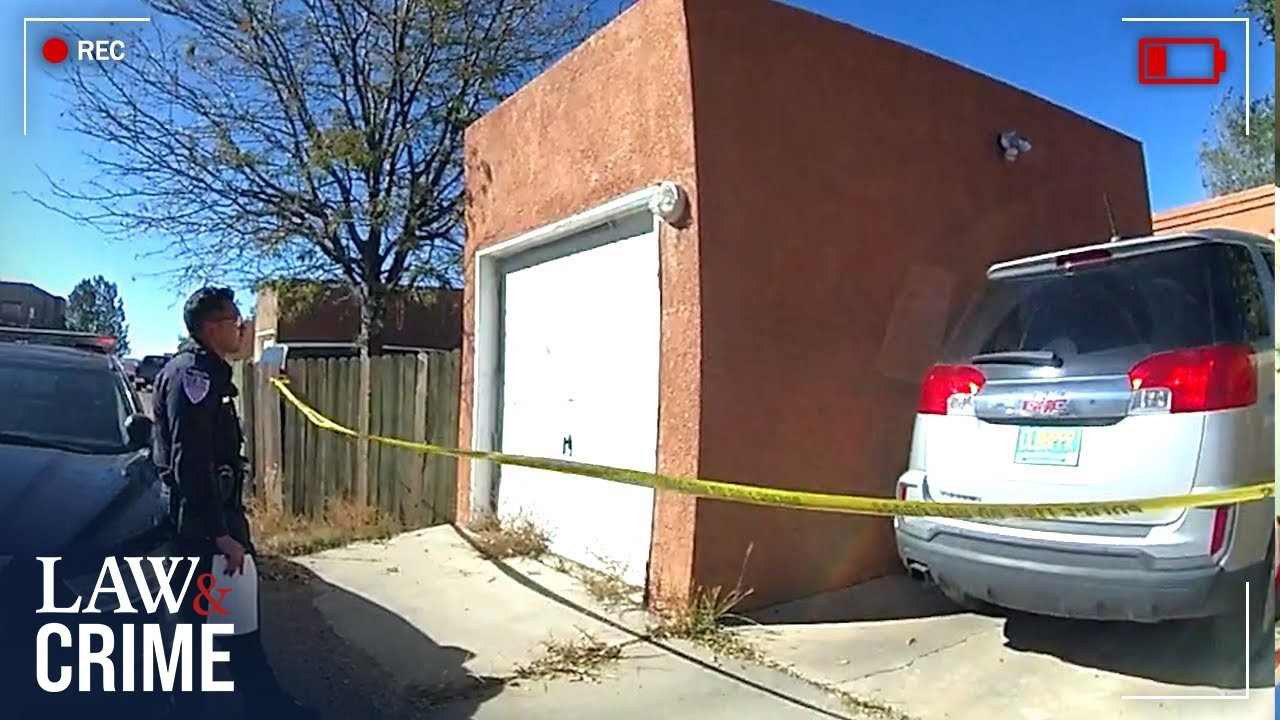
5 Most Wicked Murder Cases Caught On Bodycam
"Bodycam footage provides an unfiltered, real-time look into five brutal murder investigations, exposing the immediate aftermath of horrific crimes and the initial interactions with suspects and witnesses."

Widow Realizes Cops Know She Poisoned Her Husband
"A seemingly routine burglary unexpectedly unravels a year-old murder, exposing a mother-daughter poisoning plot and a chilling pattern of suspicious deaths."

Alex Murdaugh Crimes, Jodi Arias Trial, "Bad Vegan" Deep Dive - Megyn's "True Crime" Mega-Episode
"This true crime mega-episode dissects the generational criminality of the Murdaugh family, the psychological manipulation behind the 'Bad Vegan' scandal, and the chilling premeditation and trial controversies of the Jodi Arias murder case."