
Hija de Sergio Andrade denuncia a su padre antes las autoridades mexicanas
YouTube · 6i-PJuIeFF8
Quick Read
Summary
Takeaways
- ❖Antonia Andrade, Sergio Andrade's daughter, has allegedly filed a penal denouncement against him, with the process moving from Spain to Mexico.
- ❖The podcast highlights the severe abuse suffered by Sofía, another of Andrade's daughters, including being forced to eat worm-infested food and manipulated into defending him publicly.
- ❖Legal expert Marcela Torres clarifies that only penal denunciations, not civil actions, can lead to an arrest warrant and Interpol involvement.
- ❖Many victims' cases are complicated by crime prescription laws, but a new Mexican Supreme Court criterion declares child abuse crimes imprescriptible.
- ❖Victims are advised to formally present denunciations in the specific Mexican states where crimes occurred, providing detailed evidence and seeking legal counsel.
- ❖The Mexican justice system is criticized for past omissions in prosecuting Andrade, particularly the failure of Chihuahua's prosecutor's office to inform other states about crimes committed there.
Insights
1Antonia Andrade's Penal Denouncement and Jurisdictional Challenges
Antonia Andrade has reportedly filed a penal denouncement against her father, Sergio Andrade. The process initiated in Spain is being transferred to Mexico because the alleged crimes occurred there. Legal expert Marcela Torres explains that Spanish courts are not competent to handle crimes committed outside their jurisdiction, necessitating formal denouncement in Mexico.
Antonia's post states, 'El proceso está en transferencia desde España, ya que los delitos fueron cometidos en México.' () Marcela Torres confirms, 'Si ella denuncia en España va a pasar lo mismo que con Julio Iglesias. Va a terminar declarándose incompetente.' ()
2The Distinction Between Civil and Penal Actions for Justice
Many current legal actions against Sergio Andrade are civil lawsuits, primarily seeking monetary damages. However, these civil actions do not lead to arrest warrants or Interpol involvement. For Sergio Andrade to be imprisoned, a formal penal denouncement must be filed, leading to a criminal investigation and potential arrest.
Marcela Torres states, 'si ahorita lo que hay en este momento son acciones civiles... necesito una dirección para que traiga yo al actuario y notificarlo formalmente, a diferencia de una acción penal, cuando tenemos una acción penal, yo no necesito notificarlo y lo podemos detener.' () She adds, 'Hasta que no haya una denuncia penal, no puede haber búsqueda de Sergio.' ()
3New Supreme Court Criterion: Child Abuse Crimes are Imprescriptible
A recent criterion from the Mexican Supreme Court states that crimes committed against children and adolescents, particularly sexual offenses, are imprescriptible. This means the time limit for prosecuting these crimes does not expire, offering a crucial new legal avenue for victims whose cases were previously considered time-barred.
Marcela Torres presents the criterion: 'Los delitos cometidos en contra de niñas, niños y adolescentes son imprescriptibles. Los delitos sex.' () She notes it's a 'criterio muy nuevo' () from May 2025.
4Systemic Failure in Prosecuting Sergio Andrade in Chihuahua
The Chihuahua prosecutor's office, which handled Karina Yapor's case, was criticized for its failure to inform other state prosecutor's offices about crimes committed by Sergio Andrade in their jurisdictions. This omission allowed other serious offenses against victims in different states to go unaddressed, as Chihuahua was only competent for crimes within its own territory.
Marcela Torres explains, 'Chihuahua no era competente para conocer o para ejercitar acciones legales de víctimas de todas las demás más que de lo ocurrido en Chihuahua.' () She adds, 'La fiscalía fue omisa en poner de conocimiento porque son delitos que se persiguen de oficio.' ()
Key Concepts
Jurisdictional Competence
The principle that a court or authority can only hear cases or exercise power over matters within its defined geographical or legal scope. In this context, Spanish courts are incompetent to rule on crimes committed in Mexico, requiring transfer of the denouncement.
Prescription of Crimes
The legal concept that sets a time limit within which legal proceedings for a crime must be initiated. After this period, the legal action is barred. However, recent legal criteria in Mexico are challenging this for child abuse cases.
Civil vs. Penal Action
Distinguishes between legal actions seeking monetary compensation or resolution of disputes between private parties (civil) and actions initiated by the state to punish criminal offenses (penal). Only penal actions can lead to imprisonment and international arrest warrants.
Lessons
- Victims of Sergio Andrade should formally file penal denunciations in the specific Mexican states where the crimes occurred, providing detailed evidence like messages, videos, and witness testimonies.
- Leverage the new Mexican Supreme Court criterion that declares child abuse crimes imprescriptible to challenge any claims of case expiration by local prosecutor's offices.
- If a prosecutor's office refuses to accept a denouncement or attempts to archive it, victims should demand a written response and pursue an 'amparo' (constitutional protection) to force the case to be heard, potentially by the Supreme Court.
- Anyone who knows Sergio Andrade's current location should discreetly provide this information to victims pursuing civil lawsuits for notification purposes, rather than alerting authorities without a penal arrest warrant.
Steps for Victims to Pursue Justice Against Sergio Andrade
**Gather Evidence:** Collect all available evidence, including messages, videos, photographs, and identify potential witnesses. Do not delete any digital communications from Andrade.
**Formal Denouncement in Mexico:** Go to the prosecutor's office in the specific Mexican state where the crimes were committed and formally present a penal denouncement. Be prepared to narrate the events with circumstances of time, mode, and place.
**Cite Imprescriptibility Criterion:** If the prosecutor's office claims the crime has prescribed (expired), cite the recent Mexican Supreme Court criterion that declares child abuse crimes imprescriptible. Demand a written response if they refuse to proceed.
**Seek Legal Counsel:** Engage an attorney in Mexico to assist with formalizing the denouncement, offering proofs, and navigating the legal system. If residing abroad, use the Mexican consulate to grant power of attorney to a lawyer in Mexico.
**Pressure Authorities:** Actively follow up on the denouncement and use public platforms to pressure authorities to act, preventing the case from being ignored or archived.
Notable Moments
Sofía Andrade, at 5 years old, was forced to eat food with worms and chili as punishment, and later manipulated into publicly defending her father on Televisa in 2010.
This chilling account illustrates the extreme physical and psychological torture and manipulation Sergio Andrade inflicted on his own children, highlighting the depth of his abuse and the long-lasting trauma.
Antonia Andrade's public call to Mexican authorities to expedite her penal denouncement and her direct message to Sergio Andrade: 'Tú no eres mi padre. No sé por qué me sigues llamando hija.'
This signifies a critical step towards formal legal action and a powerful public rejection of her abuser, demonstrating the courage of victims breaking silence and demanding accountability.
Quotes
"Sergio dio la orden de que se comiera la comida y se la sacaron en un plato afuera, pues prácticamente esta comida ya tenía gusanos y estaba echada a perder."
"Yo me siento muy orgullosa de él porque las cosas que dicen más que nada son basadas en en su posición, cosas que no son ciertas y pues yo realmente me siento muy orgullosa de él."
"Hay denuncia oficial y va por vía penal. Por temas que comprenderá el público, el documento no puede ser compartido. Las autoridades tampoco lo recomiendan."
"Tú no eres mi padre. No sé por qué me sigues llamando hija."
"Los delitos cometidos en contra de niñas, niños y adolescentes son imprescriptibles. Los delitos sex."
"Era menor de 15, se la llevaron a los 13 años. Ella no podía dar consentimiento así, tengan una carta, no exime el delito."
Q&A
Recent Questions
Related Episodes
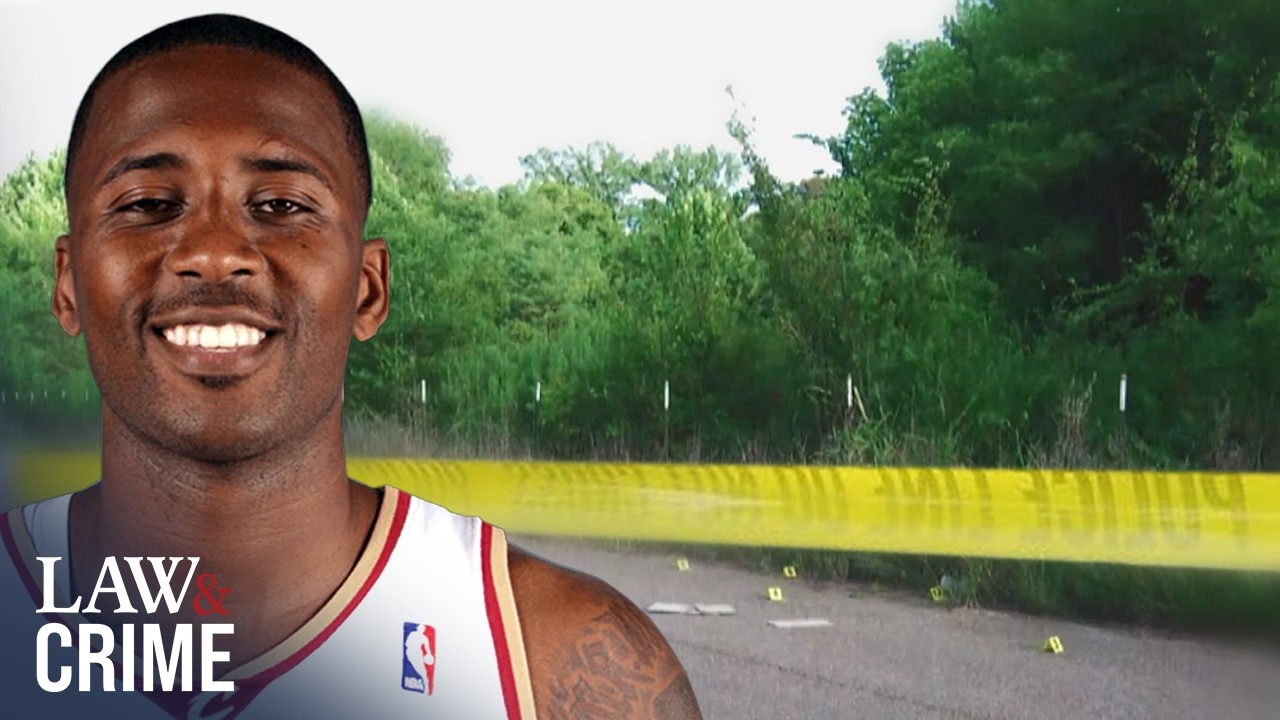
Killer Cases: NBA Star Lured to Execution In Rural Tennessee
"The decade-long cold case of NBA star Lorenzen Wright's murder was cracked through a persistent mother, a jailed informant, and a covert police operation that recovered the murder weapon from a lake and exposed a conspiracy driven by greed."

M&M's Employee Steals $26 MILLION (How He Did It)
"This episode details a series of white-collar crimes, from an M&M's sugar expert embezzling $26 million to a fake immigration attorney scamming undocumented immigrants, highlighting vulnerabilities in various systems and the surprising leniency of some sentences."

The Lindbergh Conspiracies | Post Mortem
"Explore the enduring mystery of the 1932 Lindbergh kidnapping, from the compromised investigation and Bruno Hauptmann's unfair trial to Charles Lindbergh's controversial character and the modern resurgence of conspiracy theories."

Abortion Pill Fight. Child Trauma. RFK’s Tanning Bed Push #SecondOpinion
"This episode unpacks critical health and policy debates, from the legal fight over the abortion pill and the intergenerational impact of paternal health to the long-term effects of child trauma and the dangers of teen tanning bed use."