BREAKING: Trump FREEZES Iran War; Israel HAMMERS Hezbollah | TBN Israel
YouTube · 8-Fw0GyQWZw
Quick Read
Summary
Takeaways
- ❖President Trump announced a two-week ceasefire with Iran, claiming military objectives were achieved and Iran's 10-point proposal was a workable basis for negotiations.
- ❖Iran celebrated the ceasefire as a victory, publishing a 10-point plan that included demands for compensation, US withdrawal from the Gulf, and recognition of its uranium enrichment rights.
- ❖US and Israeli officials, including Netanyahu, denied Iran's claims, stating the 10-point plan was false and that Israel was fully coordinated on the ceasefire.
- ❖Israel launched 'Operation Eternal Darkness,' a major aerial strike against 100 Hezbollah targets in Lebanon, with both US and Israeli officials confirming Lebanon was not part of the ceasefire agreement.
- ❖Iran threatened to withdraw from the ceasefire if Israel continued strikes in Lebanon, while the Houthis in Yemen also expressed solidarity with Lebanon and Hezbollah.
- ❖The Strait of Hormuz remained largely inaccessible to commercial shipping, with Iran reportedly demanding transit fees and coordination for passage, contradicting US claims of its immediate and free reopening.
- ❖Trump hinted at 'productive regime change' in Iran, suggesting a weakened and disunified leadership, though the Ayatollahs and IRGC remain in control.
- ❖The ceasefire is seen by some Iranian opposition analysts as a forced retreat by a weakened regime facing military, intelligence, and economic damage.
Insights
1Conflicting Ceasefire Terms and Interpretations
The US and Iran immediately presented vastly different interpretations of the two-week ceasefire agreement. Trump claimed a decisive victory and the full, immediate opening of the Strait of Hormuz, while Iran declared victory and published a 10-point plan demanding reparations, US withdrawal, and recognition of enrichment rights. This fundamental disagreement created immediate confusion and instability.
Trump announced a two-week ceasefire (, , ). Iran celebrated victory (, ). Iran's 10-point plan included compensation, uranium enrichment rights, and US withdrawal (, ). Trump and White House spokespeople called Iranian claims 'lies' and 'nonsense' (, , ).
2Israel's 'Operation Eternal Darkness' in Lebanon
Concurrent with the Iran ceasefire, Israel launched a massive military operation, 'Eternal Darkness,' against Hezbollah in Lebanon, striking 100 targets. Both US and Israeli officials explicitly stated that Lebanon was not included in the ceasefire agreement, directly contradicting Iranian claims and threats to withdraw if strikes continued.
Dozens of Israeli fighter jets carried out 'Operation Eternal Darkness' (, , ). The IDF struck 100 targets in Lebanon (, ). Trump explicitly said, 'Lebanon is not part of this agreement' (, , , ). Iran threatened to withdraw if Israel continued strikes in Lebanon (, , ).
3Strait of Hormuz Remains Contested and Impassable
Despite Trump's announcement of a 'full and immediate opening' of the Strait of Hormuz, maritime traffic did not resume. Iran claimed ships would pass in coordination with them and that they would collect fees for passage, with some reports suggesting high charges. This lack of clarity and Iranian demands kept hundreds of vessels waiting, highlighting that control over the strait remains a major point of contention.
Trump demanded immediate opening of the Strait of Hormuz (, , , ). Iran claimed ships would pass in coordination with Iran and collect a fee (, , ). 800 cargo ships and oil tankers were waiting for clarification (, ). Maritime experts noted ships require safety instructions, insurance, and state permissions, not just an online post ().
4Weakened Iranian Leadership and Internal Disunity
Trump's statement about 'productive regime change' was interpreted as a reference to the significant weakening and replacement of Iranian leadership, including targeted assassinations of top-tier officials across various government and military sectors. The hosts noted the Iranian government was speaking in 'several voices' and that the supreme leader, Mutapan, was not actively leading, indicating internal disunity and a damaged command structure.
Trump said Iran had gone through 'productive regime change' (, ). Mati Shosani explained the removal of hundreds of top-tier leaders, including religious, political, IRGC, ballistic missile, and nuclear program figures (). The hosts noted the Iranian government was 'not speaking in one single voice' (, ).
Lessons
- Monitor official statements from all involved parties (US, Israel, Iran) for discrepancies, as conflicting narratives are a core component of this geopolitical situation.
- Recognize that a 'ceasefire' in asymmetrical warfare often means a shift in tactics rather than a complete cessation of hostilities, with military pressure continuing in proxy theaters.
- Pay close attention to the practical realities on the ground, such as shipping movements in the Strait of Hormuz, rather than relying solely on diplomatic announcements, as economic impacts can reveal true control.
- Understand that internal political dynamics and leadership stability within Iran are critical indicators of future actions, especially given reports of a weakened and disunified regime.
Quotes
"Israel was not surprised, we were completely part of the negotiation leading up to this moment. Secondly, a lot of the things that the Iranians claimed in their letter are not part of the agreement. We continue to fight in Lebanon. The Strait of Hormuz will be opened. The Iranians will not have enriched uranium."
"The Iranians still have ballistic missiles, but they no longer have the ability to manufacture ballistic missiles. We've taken that away from them, and now it's only a question of time of when they fire the last ballistic missile that they've been hiding away because the factories that make the missiles are gone."
"The ceasefire is not a victory by a force retreat but by weakened regime that was badly hit militarily intelligence-wise, economically and also politically and had to stop in order to not collapse."
Q&A
Recent Questions
Related Episodes
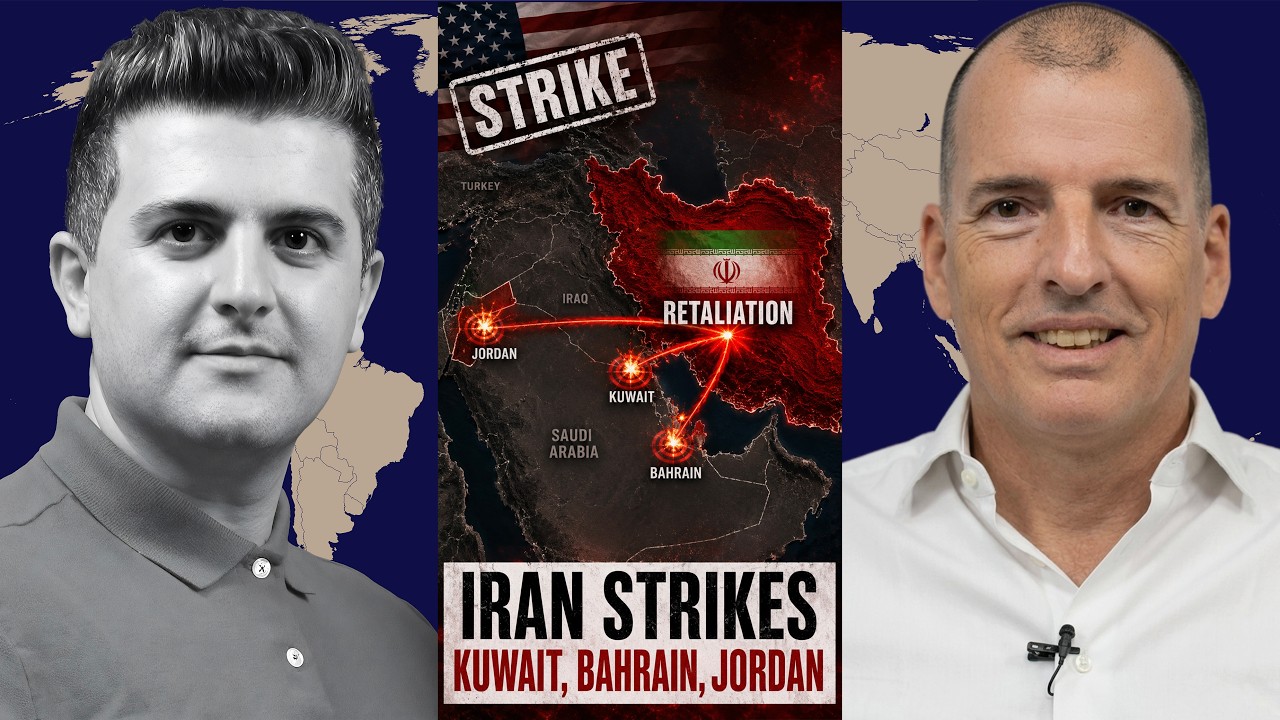
Alex Krainer: US STRIKES Iran – Iran RETALIATES Against Kuwait, Bahrain & Jordan!
"Amidst escalating US-Iran conflict and Iranian retaliation against regional US allies, this episode argues that US foreign policy is deeply controlled by an 'Anglo-Zionist conspiracy' led by the Rothschild banking dynasty, prioritizing Israeli interests over American ones."

Patrick Henningsen: Hezbollah JUST Fired Back at Israel - Iran Vows to “Crush” All Attacks
"Patrick Henningsen argues that the US and Israel initiated an illegal war against Iran, driven by Trump's incompetence and Israeli influence, leading to an inevitable escalation with severe global economic repercussions."
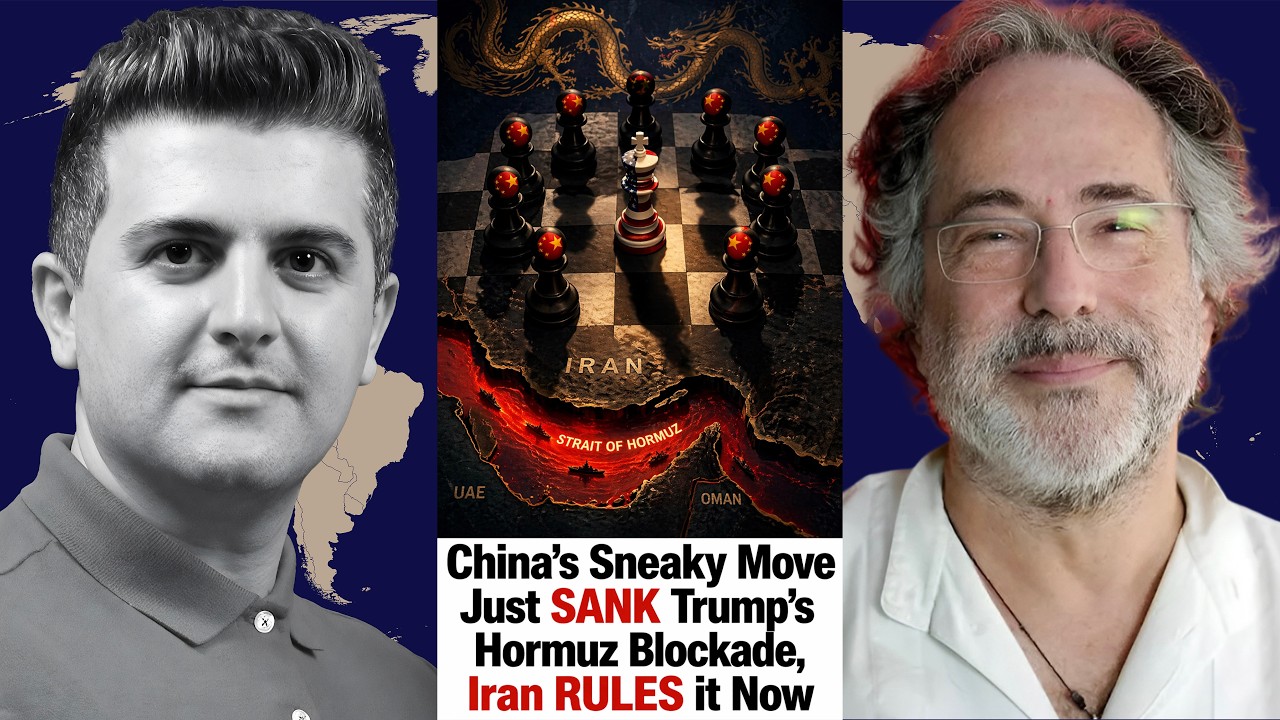
Pepe Escobar: “Total Failure”: Trump’s Blockade Just Backfired Disastrously
"Pepe Escobar argues that the US blockade against Iran, spearheaded by Donald Trump, has utterly failed and backfired, accelerating global economic chaos and challenging US geopolitical dominance."
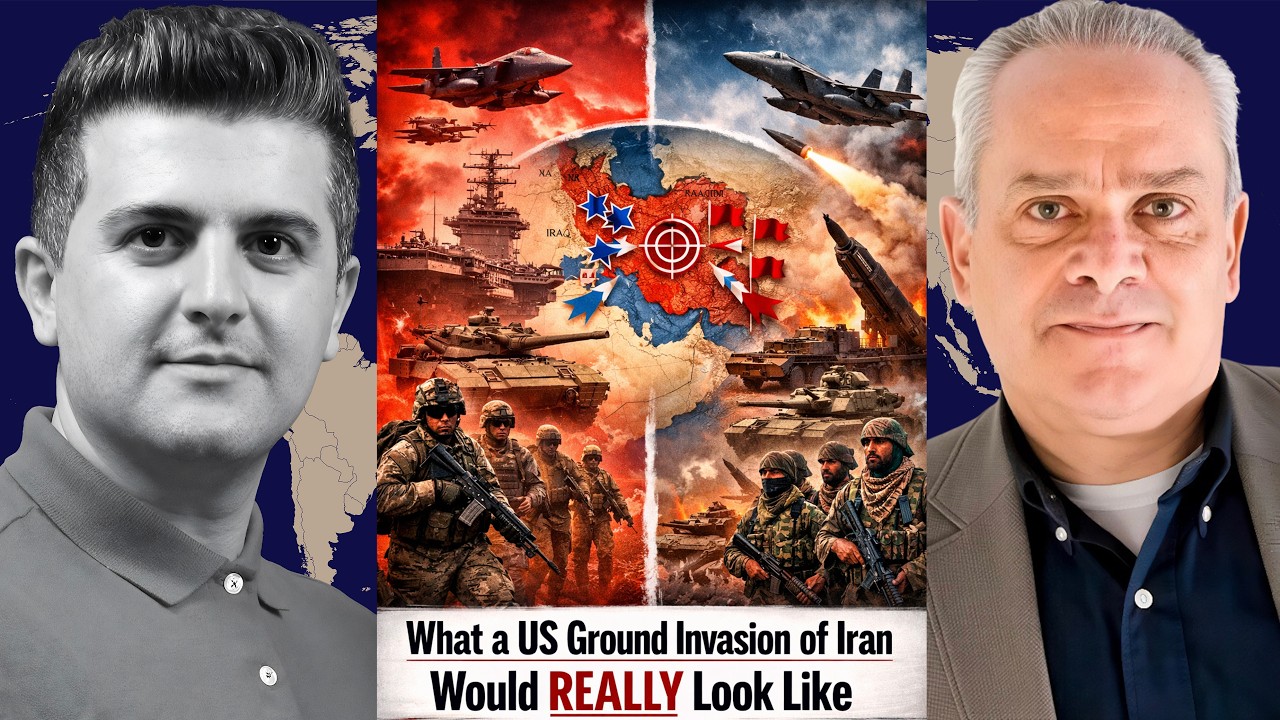
Col. Jacques Baud: What a US Ground Invasion of Iran Would REALLY Look Like
"Colonel Jacques Baud dissects the strategic futility of a US ground invasion of Iran, arguing that current troop levels are insufficient and such an action would backfire, exposing US allies and potentially leading to Iran's nuclearization."