BYU coed murder took 25 years to solve...
YouTube · 9HWssrnzfk4
Quick Read
Summary
Takeaways
- ❖Barbara Rocky, a BYU student, was found murdered in Big Cottonwood Canyon in March 1974, shot five times.
- ❖Initial police suspicions focused on Richard Finder, Barbara's "psychic" boyfriend, who possessed a .357 pistol and knew unreleased details about the murder weapon.
- ❖Finder's gun was not a match, and despite a weak alibi, the case went cold for 25 years.
- ❖In 2005, Detective Todd Park reopened the case, focusing on DNA evidence from preserved items.
- ❖DNA was eventually extracted from a dirt sample found beneath Barbara's body at the crime scene.
- ❖The DNA matched Jerry Hicker, Barbara's best friend, who had reported her missing and cooperated with the initial investigation.
- ❖Hicker confessed in 2007, admitting he killed Barbara with her own gun after she rejected his romantic advances.
Insights
1Initial Misdirection by "Psychic" Suspect
Richard Finder, Barbara's self-proclaimed psychic boyfriend, inserted himself into the investigation, offering "visions" that included details like the murder weapon being thrown in water, which police had not publicly revealed. This initially made him a prime suspect, especially since he owned a .357 pistol, the caliber used in the murder.
Richard Finder called the station completely out of the blue and offered to help, stating he had a vision that the murder weapon had been thrown in some water somewhere. Police had not announced the murder weapon was missing. Hayward also discovered Finder owned a .357 pistol.
2Crucial Evidence from Pawn Shop
Barbara sold her valuable turquoise necklace at a Salt Lake City pawn shop on the day she disappeared. The clerk noted Barbara was in a hurry because her "boyfriend" was circling the block, providing a critical lead to an unknown individual in Barbara's final hours.
The shop clerk's description of the person who sold the necklace matched Barbara. The shopkeeper had a receipt showing Barbara at the store on March 11th at p.m. Barbara told the clerk she was in a hurry because her boyfriend was circling the block outside.
3The Killer's Deception and Alibi
Jerry Hicker, Barbara's best friend, reported her missing and provided an alibi that, while not fully solid, initially deflected suspicion. He intentionally left Barbara's "goodbye" letter in her car to make her disappearance look like a runaway or suicide, hoping to mislead police.
Jerry Hicker was the first person to report Barbara missing. He left Barbara's goodbye note in her car, figuring it seemed like a suicide note, which would send police in a direction that would hopefully not lead back to him.
4DNA Breakthrough from Dirt Sample
After two years of failed DNA tests on clothes and rape kit swabs, Detective Todd Park's team successfully extracted a DNA profile from a dirt sample collected from underneath Barbara's body in 1974. This seemingly insignificant piece of evidence proved to be the key.
The medical lab had gone over almost every item from Barbara's case, including her rape kit swabs and clothes, but hadn't been able to get any DNA. The only thing left to test was the dirt collected from underneath Barbara's body, which yielded a DNA profile.
5Killer's Identity and Motive
The DNA matched Jerry Hicker, who confessed in 2007. He admitted to killing Barbara with her own gun (which he had helped her purchase for self-defense) after she rejected his romantic advances during a hike in Big Cottonwood Canyon.
The DNA profile from the dirt sample matched Jerry Hicker's DNA, which was on file from an unrelated crime. Hicker confessed to Barbara's murder, stating he shot her after she recoiled from his romantic advances during a hike, using her own gun that he had stolen.
Notable Moments
Discovery of Barbara's Body
A utility worker found Barbara Rocky's naked body, shot multiple times, in a remote area of Big Cottonwood Canyon, 50 miles north of BYU, the day after she disappeared, initiating a murder investigation.
Pawn Shop Lead
Investigators discovered Barbara had sold a turquoise necklace at a pawn shop on the day of her disappearance, telling the clerk her 'boyfriend' was waiting outside, introducing a new, unknown figure into the investigation and providing a timeline.
Richard Finder's Self-Insertion
Richard Finder, Barbara's 'psychic' boyfriend, called the police to offer help, revealing he knew the murder weapon was missing and had been thrown in water, details not publicly known. This made him a prime suspect, though his gun later proved not to be the murder weapon.
Cold Case Reopened with DNA Hope
In 2005, Detective Todd Park reopened Barbara's 25-year-old cold case, optimistic that modern DNA technology could provide answers from the preserved evidence, marking a new era of investigation.
DNA Found in Dirt
The critical DNA evidence was found in a dirt sample collected from beneath Barbara's body, an item initially considered unlikely to yield results, demonstrating the power of meticulous evidence collection and advanced forensics.
Jerry Hicker's Confession
Jerry Hicker, Barbara's best friend, confessed to her murder in 2007, revealing the personal nature of the crime and his motive, before dying of cancer in 2014, finally bringing closure to the case after decades.
Q&A
Recent Questions
Related Episodes

True-crime cases with recent developments | 48 Hours Full Episodes
"This episode reconstructs four complex true-crime cases, detailing the harrowing searches for missing persons, the challenges of prosecuting murders without bodies, and the enduring quest for justice in cold cases spanning decades."
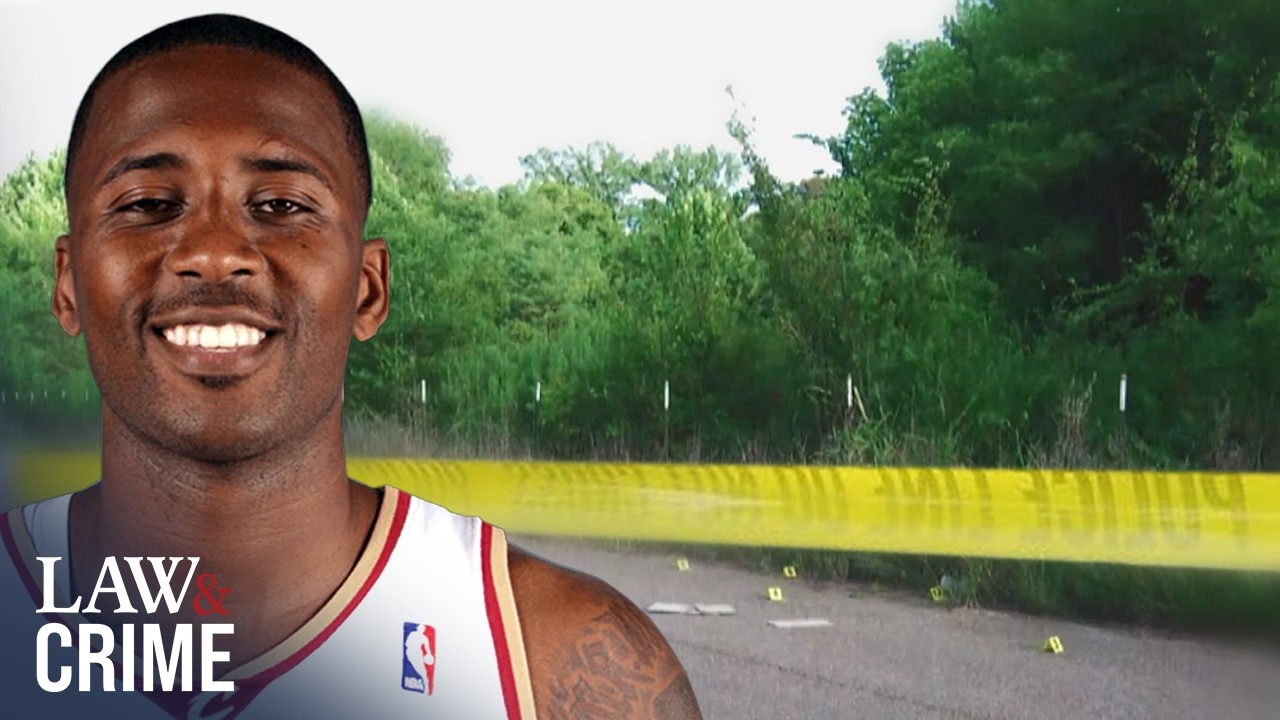
Killer Cases: NBA Star Lured to Execution In Rural Tennessee
"The decade-long cold case of NBA star Lorenzen Wright's murder was cracked through a persistent mother, a jailed informant, and a covert police operation that recovered the murder weapon from a lake and exposed a conspiracy driven by greed."

The Root Beer Float Murder | Full Episode + Post Mortem
"A seemingly natural death of a husband is unmasked as a calculated poisoning plot by his wife and stepdaughter, revealed only after an unrelated burglary exposes a trail of incriminating text messages."
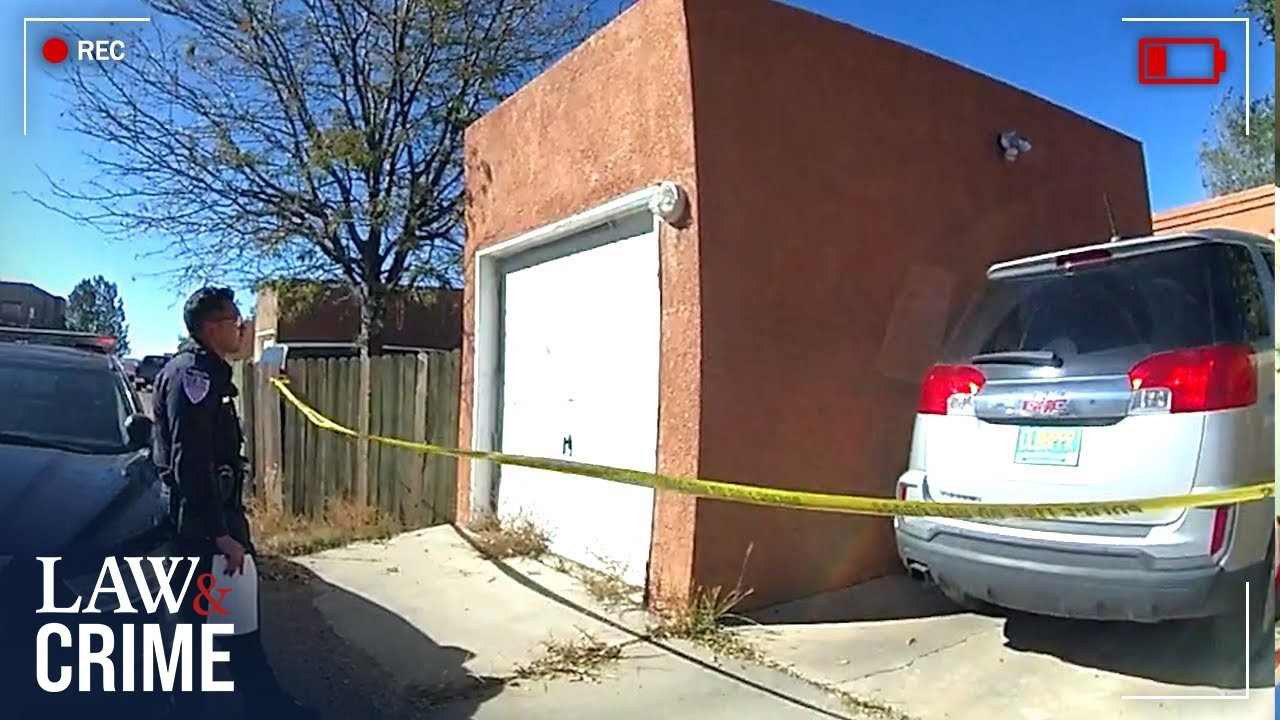
5 Most Wicked Murder Cases Caught On Bodycam
"Bodycam footage provides an unfiltered, real-time look into five brutal murder investigations, exposing the immediate aftermath of horrific crimes and the initial interactions with suspects and witnesses."