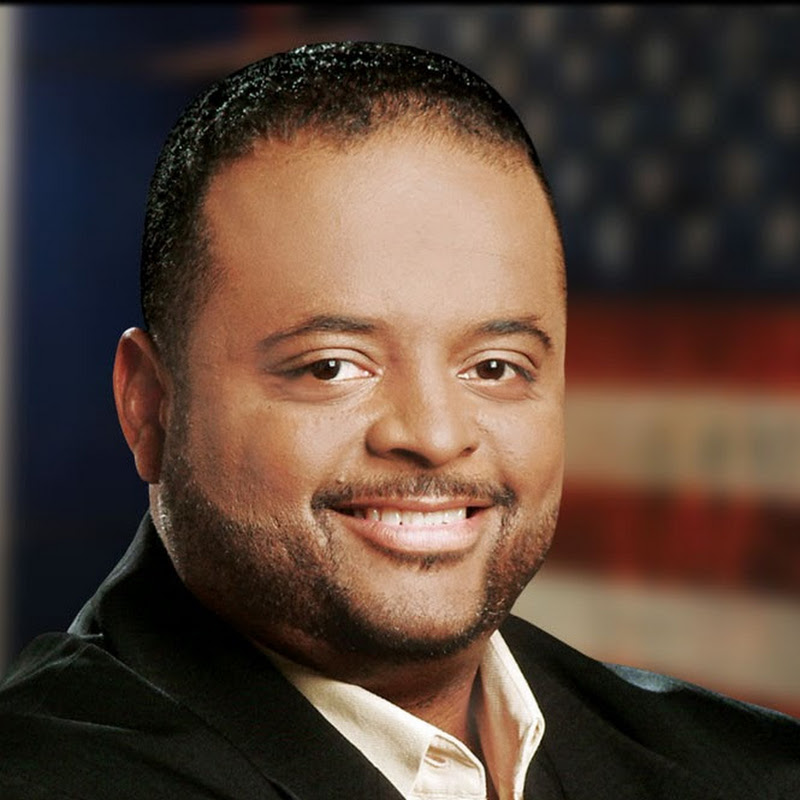
Trump’s DOJ arrests journalists Don Lemon, Georgia Fort
YouTube · 9WtJX4DoFQY
Quick Read
Summary
Takeaways
- ❖Journalists Don Lemon and Georgia Fort were arrested by federal agents for covering an anti-ICE protest at a church in Minneapolis on January 18th.
- ❖Officials cited the FACE Act, a federal statute prohibiting force or intimidation against those seeking reproductive services or at houses of worship, to justify the arrests.
- ❖Don Lemon's attorney and CNN released statements condemning the arrests as an 'unprecedented attack on the First Amendment' and a 'transparent attempt to distract' from administration crises.
- ❖Democratic House Leader Hakeem Jeffries and Senate Minority Leader Chuck Schumer denounced the arrests as targeting the free press and exhibiting 'authoritarian bile'.
- ❖Career prosecutors in Minneapolis and Los Angeles had previously found no evidence for criminal behavior, and a chief judge of the Minnesota Federal District Court rejected an earlier arrest warrant.
- ❖The Trump administration's official White House social media account posted a graphic celebrating Lemon's arrest, using the phrase 'When life gives you lemons'.
- ❖Speakers argue that the media is currently weak, making it vulnerable to such intimidation tactics, and emphasize the disproportionate targeting of black journalists.
- ❖The arrests are viewed as part of a broader agenda to delegitimize and destroy non-right-wing media, with historical parallels drawn to government attempts to silence black newspapers during WWII and civil rights movements.
- ❖The National Association of Black Journalists (NABJ) and numerous other press freedom and civil rights organizations issued a joint statement condemning the arrests and calling for immediate clarification and a halt to retaliatory actions.
- ❖The legal process for federal arrests means Don Lemon and Georgia Fort should be released quickly, with charges likely to be dismissed, similar to previous politically motivated indictments.
Insights
1Unprecedented Attack on Press Freedom
The arrests of Don Lemon and Georgia Fort are framed as a direct and unprecedented assault on the First Amendment and press freedom by the Trump administration. This is not seen as an accidental outcome but a deliberate strategy to intimidate journalists who report critically on the government.
Don Lemon's attorney stated, 'This unprecedented attack on the First Amendment and transparent attempt to distract attention from the many crises facing this administration will not stand.' CNN also raised 'profoundly concerning questions about press freedom.' (, )
2Judicial and Prosecutorial Resistance to Politically Motivated Arrests
Career prosecutors in Minneapolis and Los Angeles, along with a federal magistrate judge, initially rejected attempts to secure arrest warrants for the journalists, citing a lack of evidence. This indicates that the arrests proceeded only after the administration 'judge-hopped' to find a grand jury willing to indict, circumventing established legal processes.
CNN reported, 'Department of Justice already failed twice to get an arrest warrant for Don and several other journalists in Minnesota where a chief judge of the Minnesota Federal District Court found there was quote no evidence unquote if there was any criminal behavior involved in their work.' () Thelma Anderson, an attorney, noted 'a judge said no. We know it's dangerous when several prosecutors said no.' ()
3Targeting of Black Journalists and Communities
The arrests are seen as a calculated move to target black journalists and activists, leveraging the perception that the Trump administration would face less political blowback from its base for actions against these communities. This aligns with historical patterns of suppressing black media and civil rights movements.
Wesley Lowry stated, 'There's no coincidence that the journalists here arrested, Don and Georgia Ford are both black journalists because there's not the perception that the Trump administration will receive blowback from people who the Trump administration actually cares about.' () Tanisha Tidwell highlighted, 'The four arrested black people, okay? Could you imagine Anderson Cooper being arrested for this?' ()
4Erosion of Democratic Norms and Rule of Law
The episode argues that the administration's actions demonstrate a disregard for the rule of law, pushing a 'dictatorship' agenda where those in power believe they are above legal constraints. This includes forcing out qualified prosecutors who refuse to comply with politically motivated directives.
Thelma Anderson stated, 'What we're seeing now is a dictatorship that is not that feels that they are above the law because they're in power.' () Roland Martin detailed how the FBI's Atlanta field office special agent in charge was 'forced out... over his qualms about in refusal to carry out the searches and seizures of the Fulton County ballots.' ()
Bottom Line
The current weakness of establishment media makes it highly susceptible to intimidation tactics from aggressive administrations, potentially leading to self-censorship and a failure to cover critical stories.
This vulnerability means that administrations willing to 'flout the law' can effectively suppress aggressive or critical reporting by creating a climate of fear, leading news organizations to pull back from contentious coverage to avoid legal battles or harassment.
This creates a critical need and opportunity for independent media, especially independent black media, to fill the void left by intimidated mainstream outlets. These platforms can serve as crucial bastions of accountability journalism, provided they are adequately supported and protected.
The administration's strategy involves creating a 'pretext' of 'riots' or 'criminal behavior' to justify arrests of journalists, even when the actual events do not meet these descriptions.
This manipulative language aims to delegitimize journalistic activity and public protest in the eyes of their base, making it easier to justify authoritarian actions and erode public trust in independent reporting. It blurs the line between reporting and participation.
Journalists and legal advocates must proactively challenge and expose this 'accelerant language,' providing clear, factual accounts of events to counteract disinformation and protect the integrity of reporting on protests and demonstrations.
Key Concepts
Authoritarian Playbook
This model describes a pattern of behavior where a governing power systematically undermines democratic institutions, such as the free press and the judiciary, to consolidate control and suppress dissent. Tactics include delegitimizing media as 'fake news,' targeting journalists, 'judge-hopping' to secure desired legal outcomes, and using state power for political vengeance, as outlined in 'Project 2025'.
Weaponization of Justice
This model illustrates how legal and law enforcement systems are co-opted and used not for impartial justice, but as tools for political retribution, intimidation, and to achieve desired political outcomes. Examples include prosecutors being forced out for refusing to pursue cases lacking evidence, or federal agencies like the DEA being deployed in non-drug-related arrests of journalists.
Lessons
- Support independent black media and journalists: Recognize their critical role in reporting uncomfortable truths and providing alternative narratives, especially when mainstream media may be intimidated.
- Educate yourself and others on First Amendment rights: Understand the constitutional protections for journalists and citizens to film and report on events, and be prepared to defend these rights.
- Engage in political action: Recognize that 'elections have consequences' and actively participate in voting at all levels (federal, state, local) to elect leaders who respect democratic institutions and press freedom.
Notable Moments
Georgia Fort records federal agents arresting her at her home with her children present, highlighting the personal impact of the arrests.
This moment humanizes the impact of the arrests, showing the direct intimidation tactics used against journalists and the emotional distress caused to their families, reinforcing the severity of the situation.
The White House's official social media account posts a graphic celebrating Don Lemon's arrest with the phrase 'When life gives you lemons'.
This official government communication is presented as evidence of the administration's malicious intent and lack of respect for the press, demonstrating a 'third-grade bullying' mentality from the highest office.
NABJ and numerous other press freedom organizations release a joint statement condemning the arrests and calling for solidarity.
This collective statement demonstrates a unified front across the journalism industry, emphasizing the seriousness of the threat to press freedom and the need for collective action against government overreach.
Quotes
"I don't feel like I have my first amendment right as a member of the press um because now uh federal agents are at my door arresting me for uh filming the church protest a few weeks ago."
"This unprecedented attack on the First Amendment and transparent attempt to distract attention from the many crises facing this administration will not stand."
"The free and fair press is central to the foundation of American democracy... There's no legitimacy, no basis to Don Lemon's arrest, no basis to the arrest of the other journalists."
"If they come for a journalist, they're coming for you next. Okay? If they are ripping people out of their homes, out of their cars... they're coming for you."
"A DA can get a grand jury to indict a ham sandwich if they want to."
"The press does not have a special set of rights... but what's also true is that those First Amendment rights stretch beyond people who are full-time professional journalists."
"You do not have to compromise your integrity for a paycheck. Never compromise your integrity for a paycheck ever."
Q&A
Recent Questions
Related Episodes
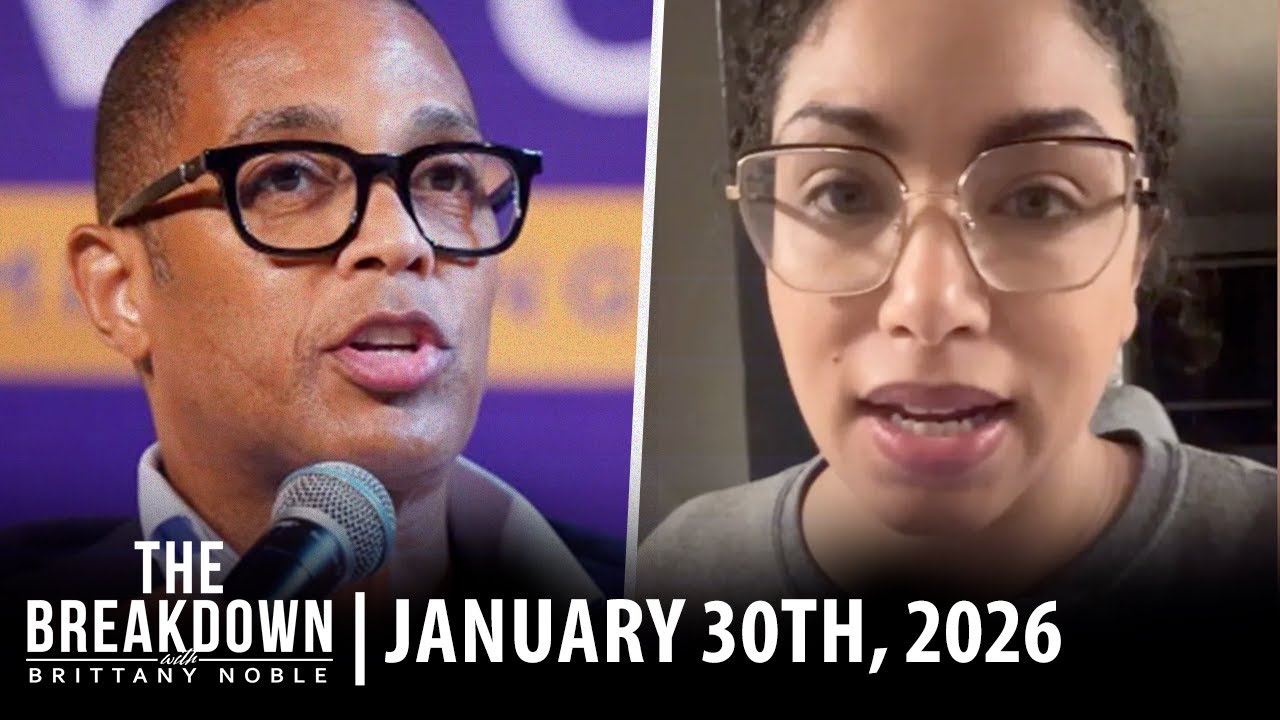
rump’s DOJ arrests journalists Don Lemon, Georgia Fort
"Federal agents arrested prominent journalists Don Lemon and Georgia Fort for covering a church protest, sparking widespread condemnation and raising critical questions about First Amendment rights and the weaponization of the Justice Department."
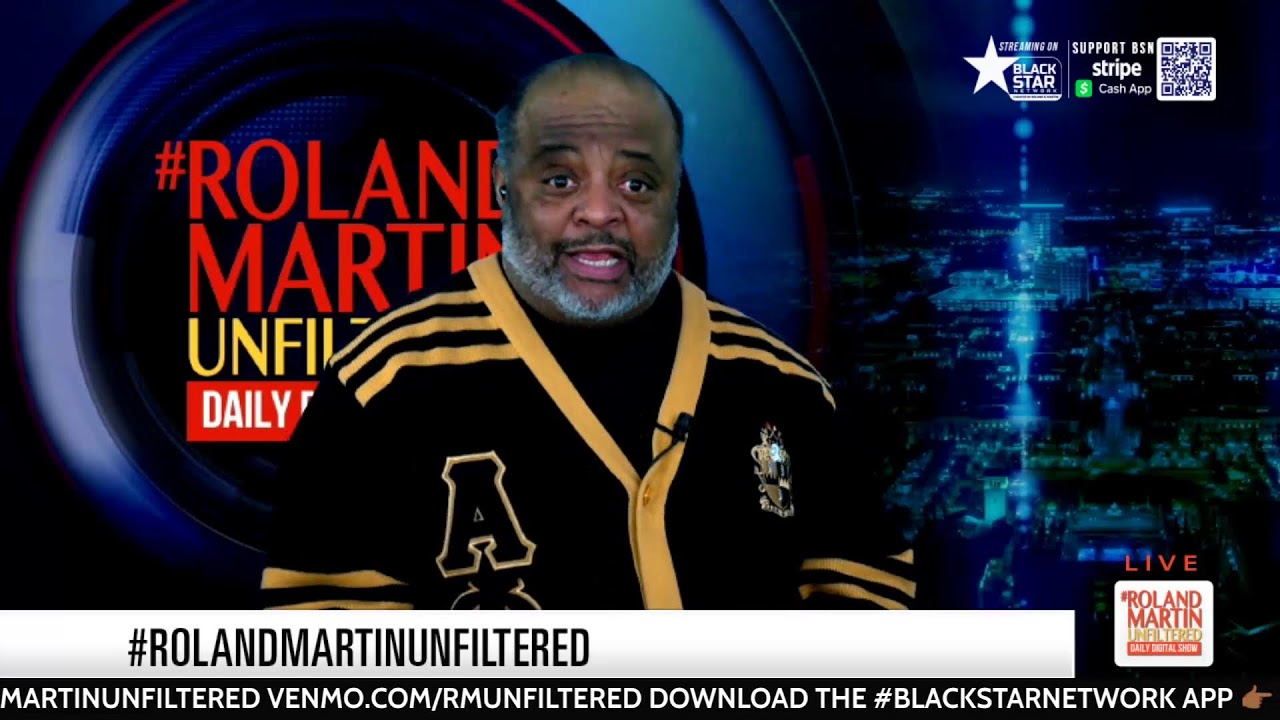
Don Lemon, Georgia Fort Arrested Over Church Protest. Press Freedom on the Line Under Trump.
"The Trump administration's arrest of journalists Don Lemon and Georgia Fort for covering a church protest is framed as a direct assault on press freedom and a calculated distraction from the release of damaging Epstein files."

Trump Indictment FALLS APART INSTANTLY?!?!
"This episode dissects three controversial legal actions by the Department of Justice and FBI, revealing patterns of perceived politicization, questionable legal theories, and potential incompetence within federal agencies."
NC Mom Sues Hospital For Negligence. Black NFL Coaches Win Major Ruling. Drug Test Scandal Exposed
"This episode exposes systemic failures and racial disparities across healthcare, professional sports, and politics, featuring a mother's harrowing hospital negligence lawsuit, a landmark NFL discrimination ruling, and alarming findings on flawed drug tests criminalizing new mothers."