BREAKING: IDF Jets HAMMER Iran; Slain Ayatollah Son Named NEW Supreme Leader | TBN Israel
YouTube · 9lVMoqlRSlg
Quick Read
Summary
Takeaways
- ❖The 'Lion's Roar' (or 'Epic Fury') campaign is on its tenth day, featuring extensive Israeli-American air strikes deep within Iran, utilizing 6,000 munitions and full synchronization.
- ❖Targets include Iran's drone headquarters, space and satellite command centers, ballistic missile sites, Revolutionary Guard air force headquarters, and transport aircraft fleet.
- ❖Iran's Supreme Leader, Ali Kame, was eliminated in an opening strike, and his son, Muja Bahami, was appointed as his successor, a hardline figure with deep ties to the Revolutionary Guards.
- ❖Iran is actively attacking critical desalination and oil facilities in Bahrain, UAE, and Kuwait, threatening the water supply for 100 million people and aiming for global economic disruption.
- ❖Gulf States are reluctant to respond forcefully to Iranian attacks, fearing further economic damage and the political cost of aligning with the US and Israel.
- ❖The US objective, as stated by Secretary of State Marco Rubio, is to damage Iran's military capabilities, weaken the regime, and destroy its nuclear, missile, and naval assets.
- ❖President Trump aims to conclude the war within weeks, focusing on air strikes to avoid putting US boots on the ground, despite domestic political opposition and questions about the war's legality.
- ❖Internal reports from Iran indicate widespread anxiety, roadblocks, heavy security presence, and anger at the regime, despite official celebrations of the new leader.
- ❖The IDF has doubled its forces in southern Lebanon, conducting raids against Hezbollah infrastructure, while Hezbollah continues to launch rockets into central Israel.
Bottom Line
The Gulf States' paralysis in responding to direct Iranian attacks on their vital water and energy infrastructure reveals a profound regional power dynamic: fear of Iranian unpredictability and economic vulnerability outweighs immediate self-defense, pushing them to rely on US/Israeli intervention.
This hesitation allows Iran to continue its asymmetric warfare, knowing direct retaliation from its neighbors is unlikely, and forces the US and Israel to shoulder the burden, potentially prolonging the conflict and increasing its scope.
This situation creates an opportunity for the US and Israel to solidify their strategic alliances with Gulf States by demonstrating decisive protection, potentially leading to deeper security cooperation and intelligence sharing, especially concerning critical infrastructure defense.
Iran's strategic shift to targeting desalination plants, which supply 70-90% of water in Gulf States, is a deliberate move to turn the conflict from a military struggle into a civilian survival confrontation, impacting 100 million people.
This tactic aims to create immense regional and global pressure, potentially triggering a humanitarian crisis and global economic instability through oil price hikes and maritime disruption, forcing international intervention or concessions.
This highlights an urgent need for advanced, resilient, and distributed desalination infrastructure and robust cyber/physical defenses for water facilities across the region, potentially driving innovation and investment in water security technologies.
Lessons
- Monitor global oil and water market indicators closely, as Iran's strategy directly targets these sectors for economic leverage, potentially causing significant price volatility and supply chain disruptions.
- Assess the resilience and security of critical infrastructure, particularly desalination plants and energy facilities, against drone and missile attacks, considering Iran's demonstrated targeting capabilities.
- Analyze the internal political dynamics within the US regarding foreign military engagements, as domestic opposition and legal challenges can impact the duration and scope of international operations.
Notable Moments
Qatar's Prime Minister expressed a feeling of 'betrayal' by Iran following attacks on Gulf States, calling the escalation a 'miscalculation that destroyed everything' and urging an immediate halt to fighting.
This marks a significant and open distancing by Qatar, a country that previously maintained relations with Iran, indicating the severity of Iran's actions and the shifting regional alliances against Tehran.
US President Donald Trump stated he was 'not pleased' with the choice of Muja Bahami as Iran's new Supreme Leader and refused to elaborate on his future actions, having previously threatened that 'no Iranian leader would survive without his consent.'
This signals a clear US intent to influence or even dictate Iran's leadership, drawing parallels to actions in Venezuela, and indicates a potential for continued pressure or covert operations targeting the new regime.
Quotes
"I'm not pleased with the choice of the Iranian leader. I will not say what I will do."
"We destroyed a significant percentage of the launchers and struck centers of government and engine factories."
"The goal of the American operation is to damage Iran's military capabilities and weaken the regime in Thran. With every passing day, they have less power."
"The Iranians can burn their oil fields. The Iranians can set fire to some of the refineries. They can sink ships that are traveling in the homeland straits and it doesn't take that much technology and that much weaponry to dramatically hurt the GDP of those countries."
"With every passing day, the regime in Iran has less power."
"The regime's forces are more frightening than the war itself."
"He described the attack on the Gulf States as a miscalculation that destroyed everything and called on Thran to stop immediately."
Q&A
Recent Questions
Related Episodes
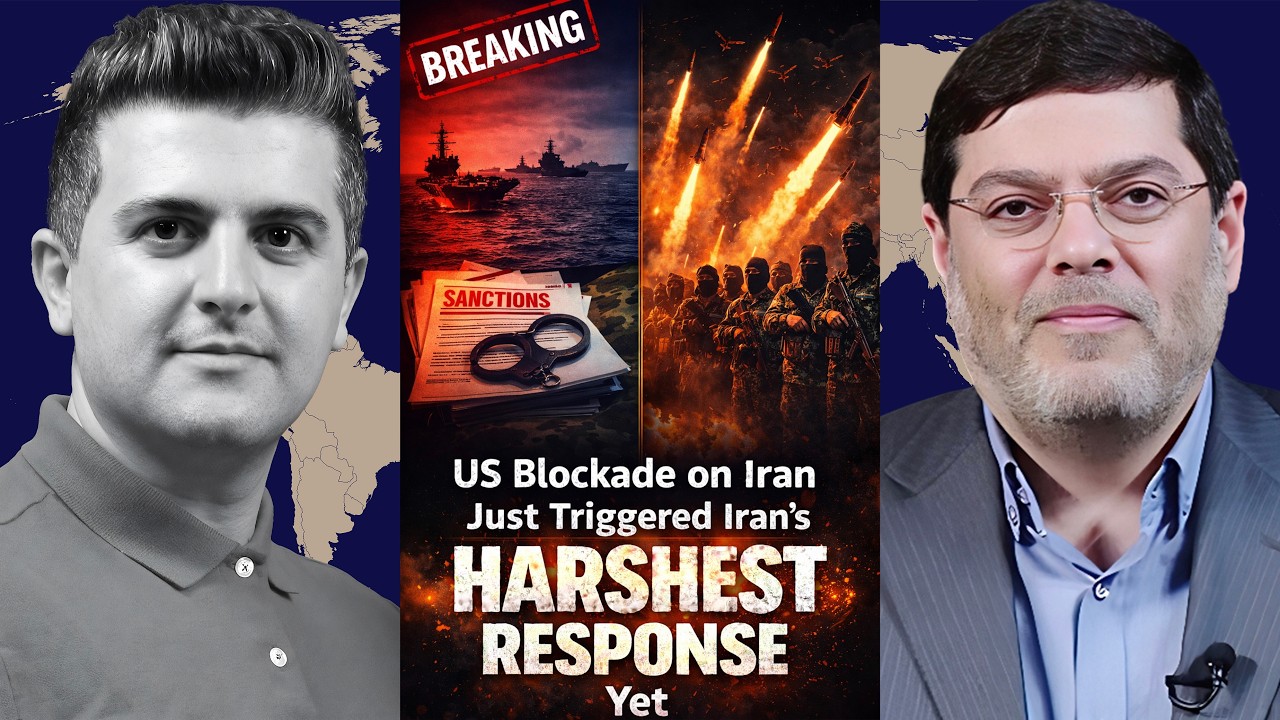
Seyed M. Marandi: US Blockade on Iran Just Triggered Iran’s HARSHEST Response Yet
"An Iranian professor details how US demands and an imposed blockade triggered Iran's harshest response, exposing American strategic missteps and the vulnerability of Gulf Arab states."
Robby Soave GOES OFF On ANNOYING Liberal Black Woman Making Emotional Trump Deranged Arguments!
"The host dissects a heated foreign policy debate, arguing that 'left-wing' emotionalism and 'Trump derangement' prevent a rational understanding of US sanction strategies against Cuba and Iran."
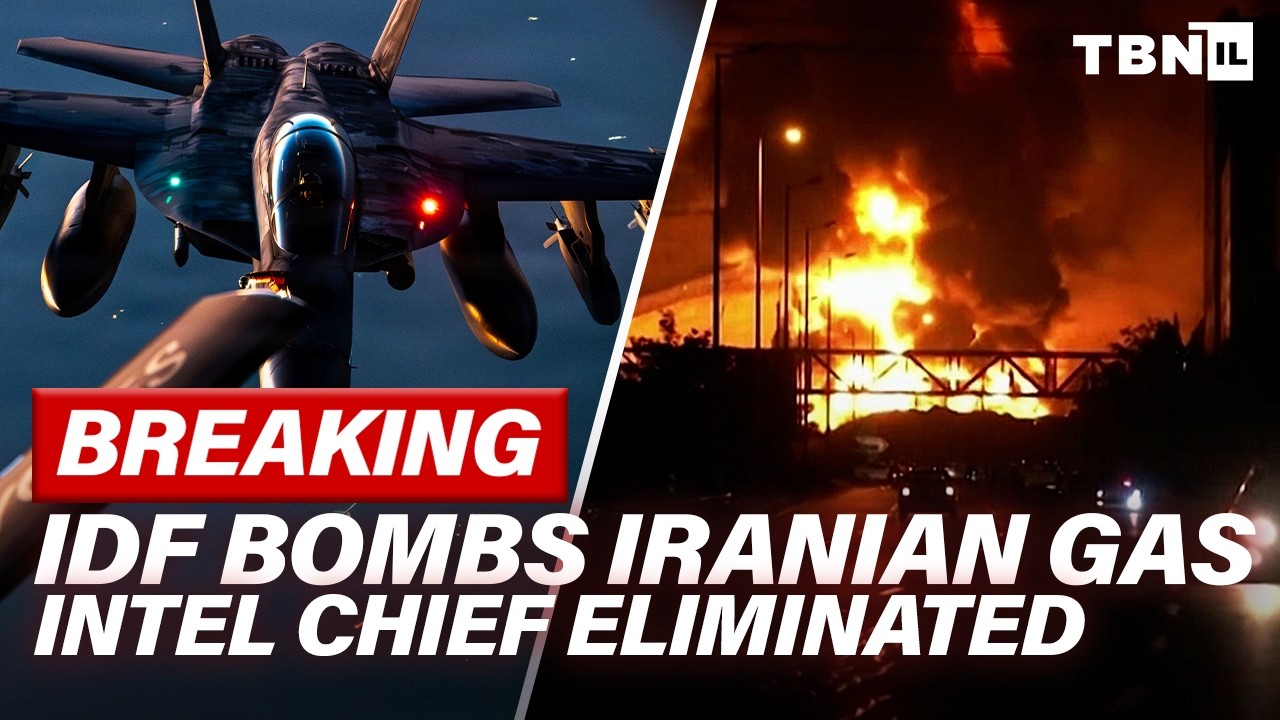
BREAKING: Israel BOMBS Major Iran Gas Site; Top Mullah ELIMINATED; Iran Vows VENGEACE | TBN Israel
"Israel and the United States have escalated their 'Roaring Lion War' against Iran, striking its largest gas facilities, eliminating key intelligence and military figures, and disrupting missile production, while Iran threatens a broader energy war in the Gulf."

Col. Jacques Baud: Middle East on Fire — Is This the Start of Something Bigger?
"Colonel Jacques Baud dissects the escalating conflict between the US, Israel, and Iran, arguing that Western misunderstanding of Iranian culture and strategic duplicity have forced Iran into a position of necessary escalation, ultimately degrading the West's own strategic posture."