
Paul Craig Roberts: Trump's 'Sedition Act' For Israel EXPOSED: The Law That Will END Free Speech?
YouTube · A47BrnK6dMM
Quick Read
Summary
Takeaways
- ❖Paul Craig Roberts believes US-Iran negotiations are 'pointless' due to conflicting objectives and Israel's dominant influence.
- ❖Trump is perceived as 'trapped' by his pro-Israel billionaire supporters, preventing him from admitting foreign policy mistakes or withdrawing from the Middle East.
- ❖A new 'sedition act' under Trump's administration defines criticism of Israel as anti-semitism, which Roberts argues effectively destroys the First Amendment for speech pertaining to Israel.
- ❖Iran is criticized for agreeing to a ceasefire when they were 'winning' the war, missing an opportunity to decisively defeat Israel and force a US withdrawal.
- ❖Roberts suggests GCC countries should unite with Iran to form a stronger, unified entity to counter external meddling and ensure regional stability.
- ❖Russia's 'tit for tat' military strategy in Ukraine is seen as weak and ineffective, a behavior Roberts hopes Iran does not emulate.
Insights
1Trump's 'Sedition Act' and Erosion of Free Speech
Paul Craig Roberts claims that Trump's administration issued an edict and an acting attorney general's statement that define anti-semitism as any criticism of Israel. This, he argues, effectively nullifies the First Amendment's protection of free speech for US citizens when the speech pertains to Israel, demonstrating that the power of Israel is greater than the US Constitution.
Roberts states, 'just the other day he created a new sedition act... to protect the Israeli government, not the American government.' He adds, 'the definition of anti-semitism is any criticism of Israel.' and 'Trump is destroying the protection of the first amendment if the speech pertains to Israel.'
2US-Iran Negotiations are Pointless Due to Israeli Influence
Roberts views the ongoing negotiations between the US and Iran as futile because of the overwhelming influence of Israel on US foreign policy. He highlights the conflicting objectives: Iran seeks to end the war, while Trump's stated goal is to open the straits and secure a 'good deal' which remains undefined but is understood to align with Israeli interests.
Roberts states, 'I've always thought these negotiations were pointless.' He notes, 'The main problem is Israel and until Israel announces greater Israel, Iran will be under threat.' He also points out the differing objectives: 'the Iranians... have said... the purpose of the deal is to end the war... Trump on the other hand says the deal is to open the straight.'
3Iran's Strategic Error in Agreeing to a Ceasefire
Roberts contends that Iran made a critical mistake by agreeing to a ceasefire when they had the upper hand in the conflict. He believes a decisive victory would have forced Israel to abandon its expansionist 'greater Israel' agenda and compelled the US to withdraw from the Middle East, leading to a more peaceful regional settlement.
Roberts asserts, 'I've thought it was a mistake for the Iranians to agree to these negotiations or to ever have a ceasefire. They they should have finished the war. They were winning and they should have finished it.' He later suggests to Iran, 'they should develop a war plan that defeats Israel and drives the Americans out of the Middle East.'
4US Foreign Policy Lacks Logic and Sovereignty
Roberts expresses deep concern over the current state of US foreign policy, describing it as illogical, random, and lacking a coherent structure. He argues that the US has lost its sovereignty, with decisions driven by external influences rather than national interest or strategic sense, leading to a breakdown in accountability.
Roberts states, 'the power of Israel is greater than the power of the United States Constitution.' He also laments, 'It's almost impossible to talk about it because there's no logical structure to anything they're doing.' and 'The United States has lost its sovereignty. It's basically not a sovereign nation.'
Bottom Line
The US military's perceived inability to effectively engage Iran (e.g., inability to invade or put navy in Persian Gulf) could force a US withdrawal, which in turn might compel Israel to seek peaceful settlements.
This suggests a potential pathway to de-escalation in the Middle East, not through diplomacy, but through the realization of military limitations, which could fundamentally alter Israel's regional strategy.
For regional actors, understanding these limitations could inform strategies to encourage US disengagement and foster indigenous peace solutions, potentially by demonstrating the high cost of continued US presence.
The host reports breaking news of IRGC Navy launching anti-ship missiles at an American warship in the Gulf of Oman, following US fighter jet attacks on Iranian speedboats.
This immediate escalation contradicts any notion of progress in US-Iran negotiations and indicates a direct, active conflict, suggesting the 'pointless' nature of talks is being validated by events.
This situation creates extreme volatility. For those tracking geopolitical risk, it signals a heightened probability of further military engagements and disruptions to global energy markets.
Lessons
- Scrutinize legislative proposals related to 'anti-semitism' and 'sedition' for potential impacts on free speech, particularly concerning criticism of foreign governments.
- Recognize the significant influence of foreign lobbies and financial support on US foreign policy decisions, especially in the Middle East.
- Consider alternative perspectives on military strategy in conflicts, such as the argument for decisive victory over prolonged 'tit for tat' engagements, when analyzing geopolitical events.
- Monitor the Middle East for signs of regional powers (like GCC countries) uniting or forming new alliances to counter external influences, as suggested by Roberts.
Notable Moments
Paul Craig Roberts' assertion that Trump's administration created a 'sedition act' to protect the Israeli government, not the American, and that it defines criticism of Israel as anti-semitism, thereby undermining the First Amendment.
This is a highly controversial and significant claim, suggesting a profound shift in US legal and constitutional principles to favor a foreign nation, which could have far-reaching implications for free speech and national sovereignty.
The host reports breaking news during the interview of the IRGC Navy launching anti-ship missiles at an American warship in the Gulf of Oman, immediately following a US attack on Iranian speedboats.
This real-time escalation underscores the volatile nature of the US-Iran conflict and directly illustrates the futility of ongoing negotiations, reinforcing Roberts' argument that the situation is far from resolution and actively deteriorating.
Roberts' strong criticism of Russia's 'tit for tat' military strategy in Ukraine, stating it's 'not fighting either' and expressing concern that Iran might adopt a similar ineffective approach.
This provides a critical lens on modern warfare, questioning the effectiveness of prolonged, indecisive conflicts and highlighting a potential strategic pitfall for other nations engaged in geopolitical struggles.
Quotes
"The main problem is Israel and until Israel announces greater Israel, uh Iran will be under threat."
"He created a new sedition act... but it's to protect the Israeli government, not the American government."
"The definition of anti-semitism is any criticism of Israel. Any you can't criticize anything."
"The power of Israel is greater than the power of the United States Constitution. They have effectively deepixed the first amendment if the speech pertains to Israel."
"If Iran would had just finished the war and won it, it'd all be over and the world would be an enormously different place."
"The Russians aren't really even fighting a war. And if you look at the Iranian behavior, it had sort of the same thing. It's tit for tat."
"They should develop a war plan that defeats Israel and drives the Americans out of the Middle East."
"The United States has lost its sovereignty. It's basically not a sovereign nation."
Q&A
Recent Questions
Related Episodes

Patrick Henningsen: Hezbollah JUST Fired Back at Israel - Iran Vows to “Crush” All Attacks
"Patrick Henningsen argues that the US and Israel initiated an illegal war against Iran, driven by Trump's incompetence and Israeli influence, leading to an inevitable escalation with severe global economic repercussions."
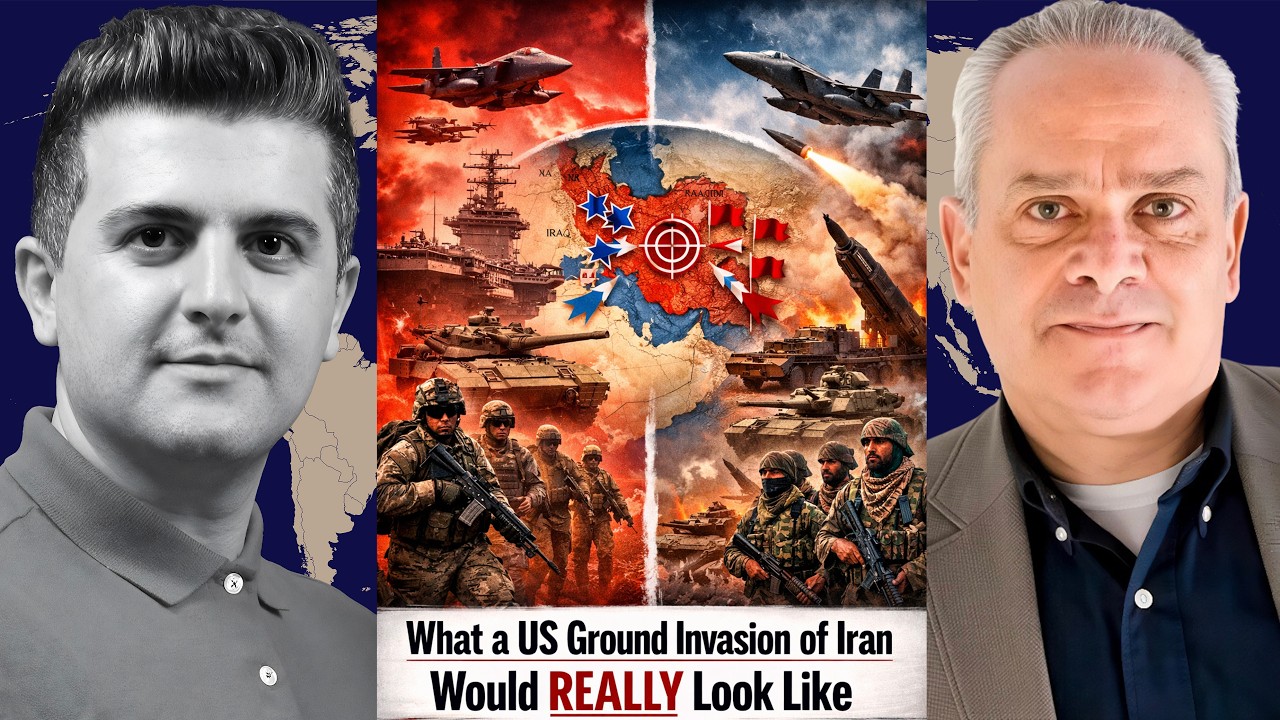
Col. Jacques Baud: What a US Ground Invasion of Iran Would REALLY Look Like
"Colonel Jacques Baud dissects the strategic futility of a US ground invasion of Iran, arguing that current troop levels are insufficient and such an action would backfire, exposing US allies and potentially leading to Iran's nuclearization."
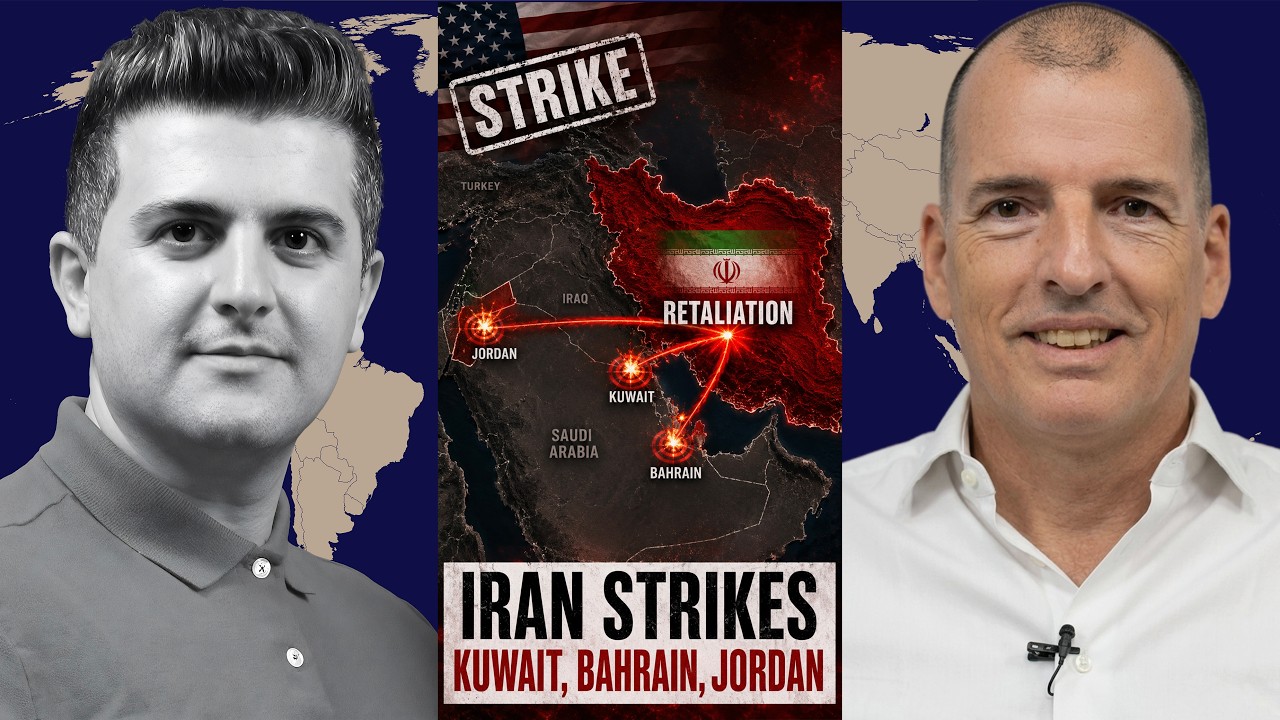
Alex Krainer: US STRIKES Iran – Iran RETALIATES Against Kuwait, Bahrain & Jordan!
"Amidst escalating US-Iran conflict and Iranian retaliation against regional US allies, this episode argues that US foreign policy is deeply controlled by an 'Anglo-Zionist conspiracy' led by the Rothschild banking dynasty, prioritizing Israeli interests over American ones."
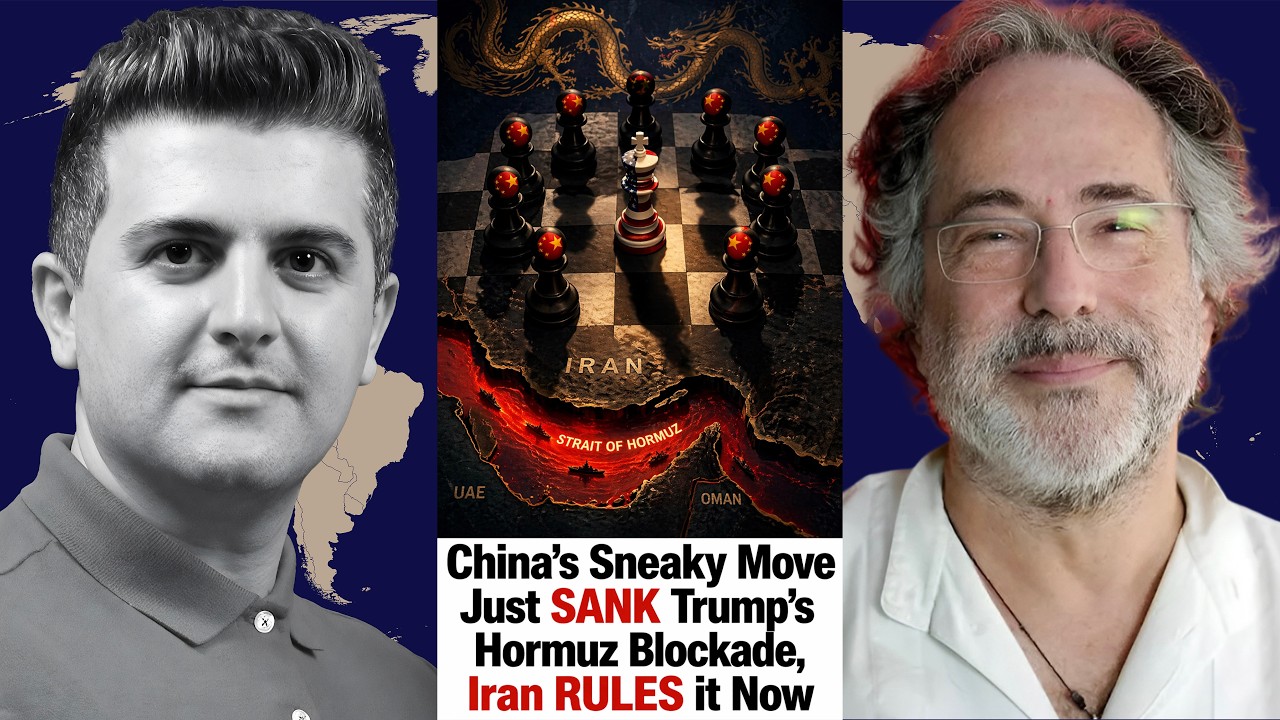
Pepe Escobar: “Total Failure”: Trump’s Blockade Just Backfired Disastrously
"Pepe Escobar argues that the US blockade against Iran, spearheaded by Donald Trump, has utterly failed and backfired, accelerating global economic chaos and challenging US geopolitical dominance."