
ZAYTOVEN IN THE TRAP
YouTube · ArTHiYAJ35E
Quick Read
Summary
Takeaways
- ❖Zaytoven's producer name was inspired by a friend comparing his piano playing to Beethoven's, combined with his Bay Area nickname "Z."
- ❖He started his production career in the Bay Area, working with artists like JT the Bigga Figga and San Quinn, before moving to Atlanta.
- ❖His early career strategy involved giving away beat CDs to many artists, aiming for someone to "blow up" off his tracks.
- ❖Gucci Mane's impatience during early recording sessions forced Zaytoven to create beats in 5 minutes with minimal sounds, inadvertently defining his signature trap sound.
- ❖Despite producing number-one hits, Zaytoven continued to work as a barber and church musician, viewing music as a hobby due to his routine-driven upbringing.
- ❖He was eventually "forced out" of his barber shop due to the overwhelming number of fans seeking pictures and attention.
- ❖Zaytoven defines a "producer" as someone who actively collaborates with artists on sound, ideas, and direction, unlike a "beat maker" who just provides loops.
- ❖His son plays a crucial role in keeping him updated on new artists and current music trends, enabling him to stay relevant.
- ❖He prioritizes working with new, emerging artists over established ones, as this has historically been the source of his lasting impact.
- ❖Zaytoven expresses strong dislike for AI music, believing it diminishes the need for genuine talent and creativity.
- ❖He values the legacy and family connection of working with his son over individual musical achievements.
Insights
1Church Background as the Foundation of Trap Sound
Zaytoven's distinct trap sound, characterized by its soulful and melodic elements, directly stems from his upbringing as a church musician. He played piano and organ in Mississippi churches from a young age, which instilled a unique musicality. This gospel influence gives his beats an 'anointing' or a different feel that resonates deeply with artists, making his music enduring.
Zaytoven states he is a 'church musician to this day' and that his music 'still has a certain soul to it,' an 'anointing' that makes artists 'rap on it different or it just it sounds and feels different.' He also mentions learning piano and organ in Grenada, Mississippi churches.
2The Genesis of the Name 'Zaytoven'
The producer name 'Zaytoven' originated from a friend in San Francisco who, upon hearing Zaytoven's piano-heavy beats, remarked that he played like Beethoven. Combining this with his Bay Area nickname 'Zab' (short for Z), the name 'Zaytoven' was coined. He didn't initially use it, only adopting it when he moved to Atlanta for a fresh start.
A buddy in San Francisco told him, 'Bro, you so good when you know playing the piano. You play like Beethoven. I call you Zethoven.' He then used 'Zobin' (Zab-one) in the Bay and switched to Zaytoven in Atlanta for a new beginning, also noting he was born in Germany like Beethoven.
3Gucci Mane's Impatience Shaped Zaytoven's Signature Style
Zaytoven's iconic minimalist and fast-paced trap production style was largely a result of his intense, daily 7 AM sessions with Gucci Mane. Gucci Mane's impatience and eagerness to rap forced Zaytoven to create beats rapidly, often in just five minutes with only two sounds. This constraint prevented Zaytoven, a trained musician, from 'overproducing' and inadvertently led to the raw, stripped-down sound that became his hallmark and defined the trap genre.
Zaytoven describes Gucci Mane calling him 'a thousand times' at 7 AM, being 'impatient and ready to rap.' He states, 'If it wasn't for somebody like him that's making me work hard faster and not do not overproduce... the beat ain't even that hard no more.' He made beats 'in 5 minutes' because 'the rap was ready to hurry up and rap.'
4The Reluctance to Embrace Full-Time Music Success
Despite producing number-one hits and earning significantly more from music than from his barber job, Zaytoven initially resisted fully transitioning into a full-time music career. His upbringing, watching his parents go to work daily, instilled a strong routine-driven mindset. He viewed music as a 'hobby' or 'fun,' continuing to cut hair and play at church, funerals, and weddings, believing music success could be fleeting. It wasn't until 2013, with the success of 'Versace,' that he was effectively 'forced out' of his barber shop due to constant fan interruptions.
He states, 'I made way more money doing music than I did cutting hair. But I'm a routine person.' He continued 'still cutting hair and I'm making beats as in to me this is fun.' He recounts being 'kicked out the barber shop' because 'everybody bringing me C let me take a picture.'
5The Role of New Artists and Generational Influence in Sustained Relevance
Zaytoven attributes his long-standing relevance in the music industry to consistently working with new, emerging artists rather than solely established ones. He emphasizes that all the major artists he collaborated with were 'new artists' at the time. Crucially, his son, who is 20 years old, plays a vital role in keeping him 'hip' to current trends and identifying promising new talent, guiding his collaborations with artists like Lil Uzi Vert.
Zaytoven states, 'what has made my name or what has kept me around for so so long is new artists.' He adds, his son 'has been keeping me relevant for the last six years' by telling him, 'Hey, you that little Uzi Vert, you need to work with him.'
6Distinction Between a 'Beat Maker' and a 'Producer'
Zaytoven defines a 'beat maker' as someone who primarily creates beats or loops and sends them out, without active involvement in the artist's creative process. In contrast, a 'producer' is deeply involved, working directly with the artist in the studio, helping to 'create a sound,' develop song themes, ideas, cadences, and even hooks. This hands-on, collaborative approach is what Zaytoven practices and values.
He explains, 'You got a lot of people that just make beats... they don't get in the studio with artists. They don't help out with ideas... Producing is really being there with that artist, helping, you know, create a sound, come up with a... theme for the song or idea or a cadence on how they should rap on it or what the hook should be, you know, all that.'
Bottom Line
Zaytoven's music carries a unique 'anointing' or soul from his church background, which he believes makes artists perform differently on his beats and contributes to their longevity.
This suggests that deeply ingrained personal history and spiritual influences, even if not explicitly secular, can imbue creative work with an intangible quality that distinguishes it and enhances its impact and appeal.
Artists and producers can explore incorporating their unique cultural, spiritual, or personal backgrounds into their creative work to develop a truly distinct and resonant signature style that transcends typical genre boundaries.
In Mississippi, true wealth is often measured by tangible assets like land and livestock (e.g., 30-40 acres, $50,000 worth of horses) rather than flashy, designer luxury items.
This highlights a contrarian view of wealth and status, where self-sufficiency, ownership of productive assets, and generational holdings are valued over conspicuous consumption. It implies a deeper, more resilient form of prosperity that is less susceptible to market fluctuations or external validation.
Entrepreneurs can identify and cater to markets that prioritize 'quiet wealth' and tangible assets (e.g., sustainable farming, land management, specialized livestock breeding) over luxury goods. This also presents an opportunity for financial education platforms to promote asset-building and long-term value creation within communities that traditionally equate wealth with immediate consumption.
Opportunities
Church Musician Booking & Development Platform
A platform that connects highly skilled church musicians (organists, pianists, drummers, vocalists) with various gigs beyond traditional church services, such as weddings, funerals, gospel concerts, and even secular music collaborations seeking a 'soulful' sound. The platform could also offer development programs to help these musicians adapt their skills to different genres and industry demands.
Artist Legacy & Generational Relevance Consultancy
A service that helps established artists and producers maintain relevance across generations by strategically collaborating with new, emerging talent. This consultancy would leverage younger, 'hip' individuals (like Zaytoven's son) to identify trending artists and sounds, facilitating collaborations and content strategies that appeal to both existing and new fan bases, ensuring a lasting legacy.
Key Concepts
The Accidental Innovator
Zaytoven's signature sound and career trajectory were largely unplanned. His church background, the name 'Zaytoven,' and even his minimalist production style were outcomes of circumstance (e.g., impatient artists like Gucci Mane) rather than deliberate strategic choices. This model suggests that groundbreaking innovation can arise from unexpected fusions and adaptive responses to immediate demands, rather than solely from calculated foresight.
The 'Giveaway to Grow' Strategy
In the early Atlanta mixtape era, Zaytoven actively distributed beat CDs to numerous aspiring artists for free or cheap. This high-volume, low-barrier approach ensured his sound permeated the scene, increasing the probability of a breakout hit and building his reputation organically, rather than focusing on exclusive, high-value placements initially. It's a strategy of seeding the market to cultivate future demand.
The Grounded Hustler
Despite accumulating significant wealth and achieving chart-topping success in music, Zaytoven maintained a 'regular job' (barber, church musician) for years. This model highlights the value of routine, humility, and a diversified approach to work, even when a 'hobby' becomes immensely profitable. It suggests a resistance to the 'superstar' identity in favor of a more stable, behind-the-scenes existence, until external forces (like fan attention) make it untenable.
Lessons
- Embrace Constraints for Innovation: If you're a creative, use limitations (like an artist's impatience or a tight deadline) as a catalyst for developing a unique and efficient style, rather than viewing them as obstacles. Zaytoven's 5-minute beat-making for Gucci Mane led to his signature sound.
- Prioritize Prolific Output and Distribution: Especially early in your career, focus on creating a large volume of work and making it widely accessible. Zaytoven's strategy of giving away beat CDs built his reputation and catalog, leading to eventual hits.
- Cultivate Generational Bridges: Actively seek input from younger generations to stay current and relevant. If you're an established professional, engage with younger colleagues or family members to understand emerging trends and identify new opportunities for collaboration or market expansion.
- Define Your Role Beyond the Craft: Understand the difference between being a 'maker' (e.g., beat maker) and a 'producer' (someone who guides and shapes the creative vision). Actively engage in the broader creative process to add more value and build stronger relationships with collaborators.
- Stay Grounded in Your Core Values/Routines: Even as success mounts, maintain routines and activities that keep you humble and connected to your roots. Zaytoven continued barbering and playing church music long after achieving widespread fame, which helped him stay authentic.
Zaytoven's Blueprint for Breaking into a Music Scene
**Step 1: Develop a Distinctive Sound Rooted in Your Unique Background.** Leverage your personal history, cultural influences, or unconventional training (e.g., Zaytoven's church musician background) to create a sound that stands out and carries an intangible 'soul' or character.
**Step 2: Build a Home Studio for Creative Control & Accessibility.** Establish your own recording space. This allows for constant creation, reduces overhead, and makes you an accessible hub for emerging artists, fostering organic collaborations without external studio pressures.
**Step 3: Implement a 'Giveaway' Strategy with Emerging Artists.** Prolifically create beats and actively distribute them (e.g., via beat CDs) to new, hungry artists who are on the come-up. Focus on volume and penetration rather than immediate high-value placements to build a broad catalog and reputation.
**Step 4: Adapt Your Creative Process to Artist Demands.** Be flexible and responsive to the artists you work with. If an artist is impatient, learn to produce faster and more minimally. These constraints can inadvertently lead to a signature style and increase your efficiency.
**Step 5: Embrace a 'Behind-the-Scenes' Mentality While Building Confidence.** Initially, focus on the craft and the joy of creation rather than seeking superstar status. Let your work and collaborations speak for themselves, allowing artists to champion your sound, which in turn builds your confidence and market demand.
Notable Moments
Zaytoven recounts being 'forced out' of his barber shop due to his music success, as fans would constantly interrupt his work for pictures and attention.
This moment vividly illustrates the unexpected challenges of fame and the difficulty of maintaining a 'normal' life when a passion project explodes into widespread recognition, forcing a career transition he initially resisted.
Zaytoven's pastor publicly acknowledged his executive production of Gucci Mane's 'Hard to Kill' album from the pulpit, expressing pride.
This signifies a powerful validation of Zaytoven's secular music career from his deeply religious community, demonstrating that character and impact can transcend traditional divides and earn respect across different spheres of life.
Quotes
"I used to give away beat CDs almost like, man, take these beats. Go rap on these beats. I'm going to get a hit somewhere for somebody going to blow up off of these songs."
"Bro, you so good when you know playing the piano. You play like Beethoven. I call you Zethoven."
"I made way more money doing music than I did cutting hair. But I'm a routine person. I'm a person that watch my mom and daddy get up and go to work every day as long as I've been living."
"If it wasn't for somebody like him that's making me work hard faster and not do not overproduce... the beat ain't even that hard no more."
"My music still has a certain soul to it. I'm still a church musician to this day. So it still has I don't know if I want to use the word anointing on it, but it has something on it."
"What has made my name or what has kept me around for so so long is new artists. All the people we talking about... they were new artists when I was working with them."
"Producing is really being there with that artist, helping, you know, create a sound, come up with a, you know, a theme for the song or idea or a cadence on how they should rap on it or what the hook should be, you know, all that."
"The most exciting thing for me right now in music is working with my son. Is working with him is like that's the that feel better than everything else."
Q&A
Recent Questions
Related Episodes

PATREON EXCLUSIVE | The Human Experience (feat. Eric Benet and T.I) | The Joe Budden Podcast
"Eric Benét and T.I. offer candid insights into the evolving music industry, the challenges of maintaining authenticity, and their personal philosophies on career longevity, health, and societal changes."
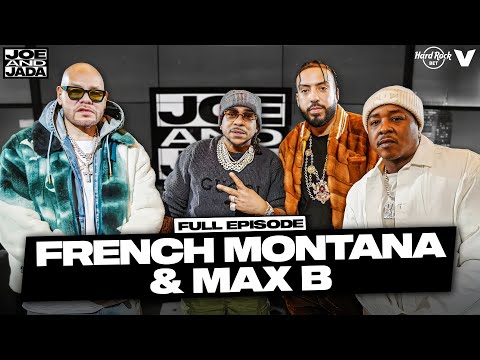
French Montana & Max B on 'Coke Wave 3.5,' prison stories & "All The Way Up" | Fat Joe & Jadakiss
"Max B details his return to music after 17 years in prison, while French Montana and Fat Joe share candid stories about navigating the music industry, from independent success to global hits like 'Unforgettable' and 'All The Way Up'."
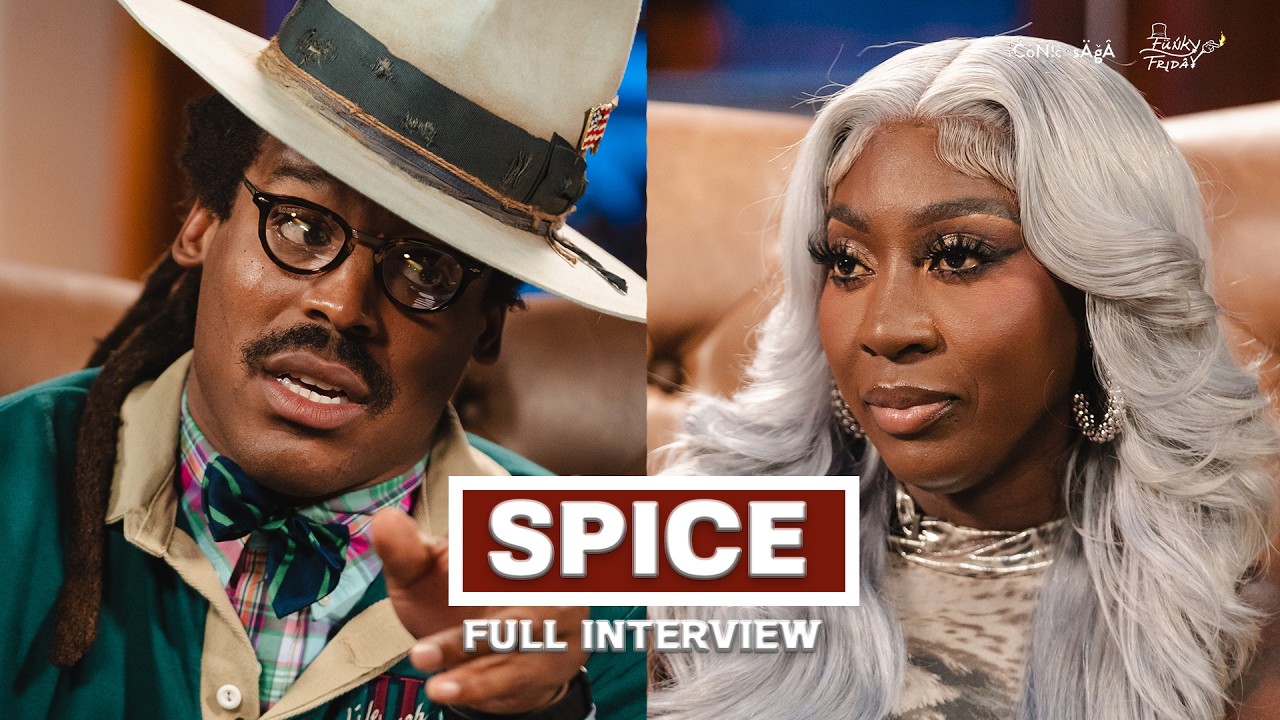
Spice: "I'm Not Watering Down My Culture for Anybody" | Funky Friday
"Dancehall Queen Spice discusses her 27-year career, the origins of dancehall and hip-hop, the pervasive issue of colorism, and her unapologetic views on relationships and cheating."
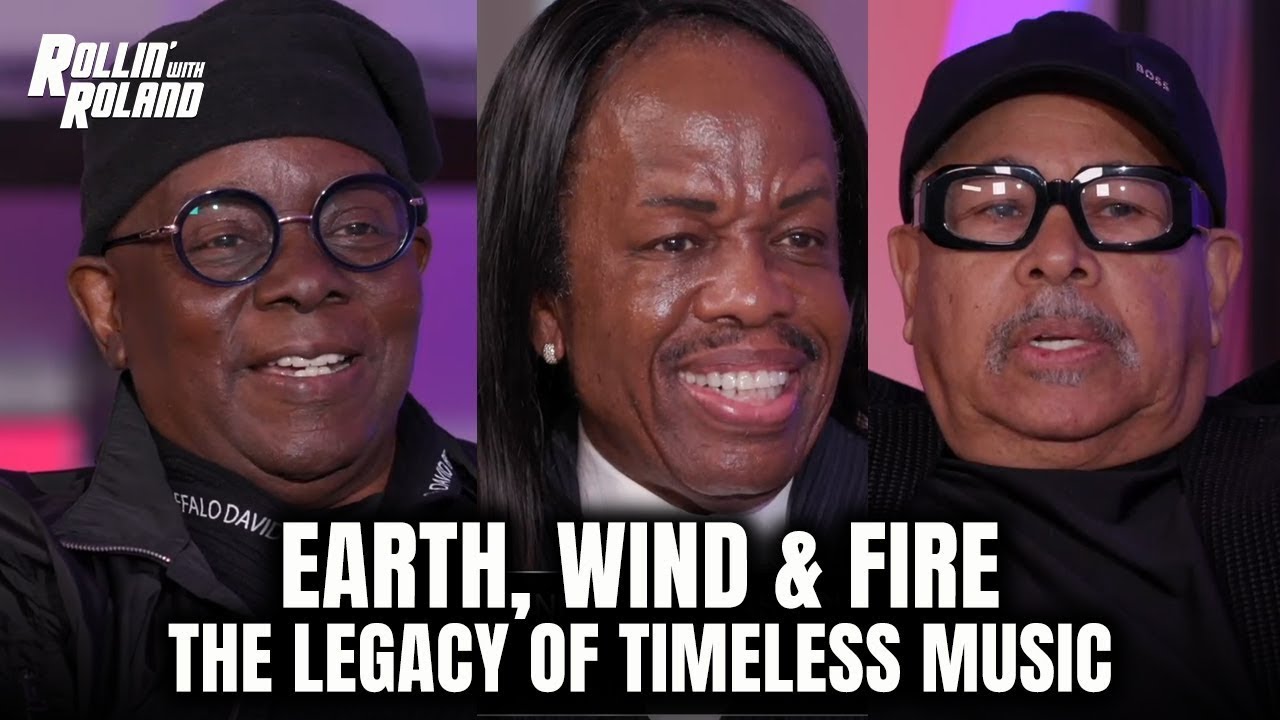
Earth, Wind & Fire on Timeless Music, Legacy & Generations Grooving Together | #RollinWithRoland
"Earth, Wind & Fire members reflect on the enduring power of their music, its multi-generational appeal, and the critical factors that sustained their legendary career through industry shifts and personal challenges."