
Big Twist in ‘American Idol’ Alum’s Wife Murder Case
YouTube · AtSQNWpcBIc
Quick Read
Summary
Takeaways
- ❖Caleb Flinn's murder trial for his wife Ashley's death has been postponed from its May 4th date.
- ❖The defense requested the delay due to ongoing, voluminous discovery from the state and an anticipated expert report.
- ❖Flinn's two young daughters (9 and 12) are potential witnesses, leading to a legal dispute over the presence of child advocates during their testimony.
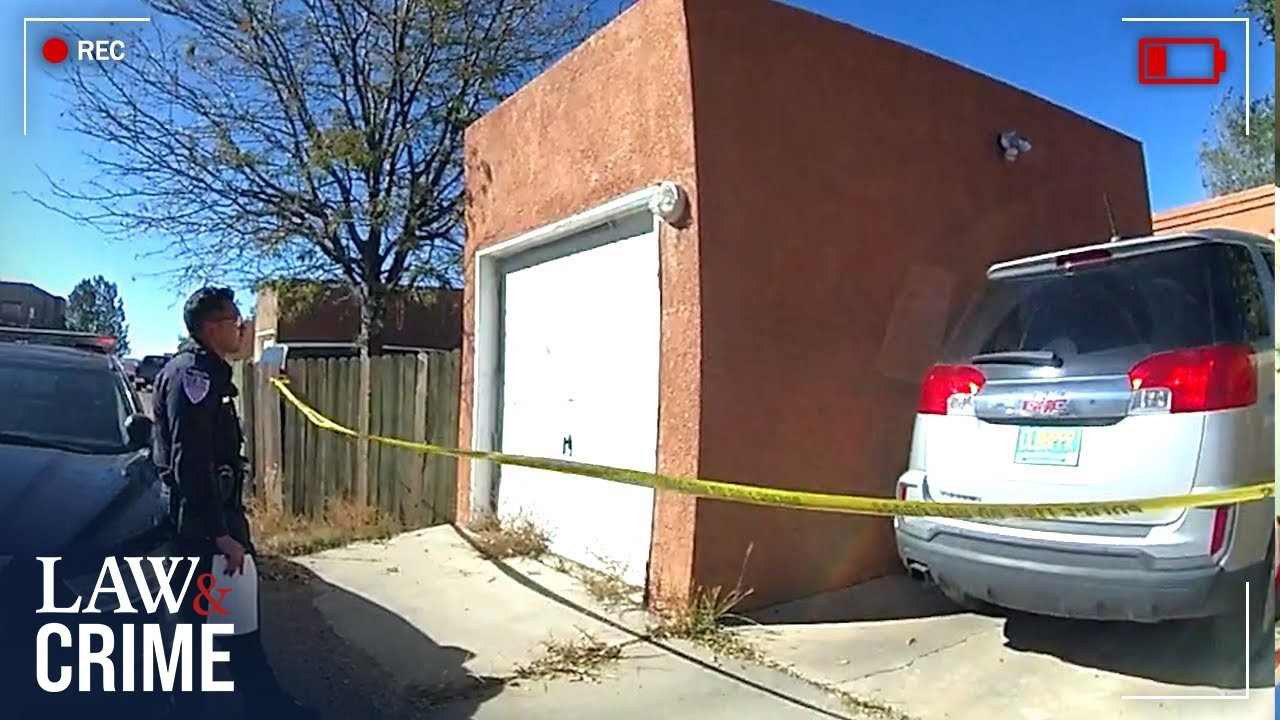
- ❖Police bodycam footage from the crime scene shows officers' initial search for an intruder and their quiet suspicions about Flinn's account.
- ❖The jury may visit the Flinn home to view the crime scene, a request the defense agreed to, though Flinn waived his right to attend.
Insights
1Trial Delay Due to Voluminous Discovery and Expert Reports
Caleb Flinn's trial, initially fast-tracked for May 4th, was delayed after the defense filed a motion citing the state's continuous provision of extensive discovery documents and the need to prepare for an anticipated expert report. This highlights how new evidence or reports can significantly impact trial timelines, even when a defendant has not waived their right to a speedy trial.
The defense attorney stated the state 'has continued to provide voluminous discovery, some of which is actually relevant' and requested a 21-day delay for an expert report. The judge granted the postponement.
2Debate Over Child Testimony and Advocate Presence
Flinn's 9 and 12-year-old daughters are anticipated to testify, potentially against their father in their mother's murder case. Prosecutors requested child advocates be present, but the defense challenged this, arguing that the need for such protections must be proven, not automatically granted, emphasizing the legal standard for special accommodations for minor witnesses.
Prosecutors filed a motion anticipating 'multiple children to testify' and requesting advocates. Flinn's team questioned the necessity, stating 'no evidence has been presented that proves an advocate would be necessary' and requested a hearing.
3Early Police Suspicions and Crime Scene Observations
From the outset, police bodycam footage and audio reveal officers' quiet suspicions about Caleb Flinn's home invasion story. Observations like an open back door and an open center console in Flinn's truck (where he claimed to keep a gun) raised red flags, even as they searched for an external intruder.
Officers are heard whispering about 'alleged suspicions' and noting 'the center console of the truck is open. And that's where he said he keeps his gun.' They also noted an open back door, which Flinn claimed was the intruder's entry point.
4Jury Site Visit to the Crime Scene
Both the prosecution and defense agreed that the jury should visit Caleb Flinn's home, the scene of Ashley Flinn's murder. This is a strategic move to allow jurors to directly perceive the layout and context of the alleged crime, which legal experts believe can significantly aid in their decision-making, though Flinn himself waived his right to attend.
Flinn's defense attorney told the court he wanted jurors to see the home's layout 'as long as everything was the same as it was on that terrible day.' The host and guest judge discuss the effectiveness of site visits for juries.
Notable Moments
Caleb Flinn's emotional 911 call reporting his wife shot, claiming a home invader.
This call is the initial narrative of the event, which police later allegedly found 'bogus.' The emotional tone and specific details (like daughters still asleep, open garage door) are central to the prosecution's case against him.
Police bodycam footage showing officers' immediate actions and whispered suspicions at the crime scene.
This footage provides a real-time glimpse into the initial investigation, revealing how officers began to question Flinn's story and what physical evidence or lack thereof informed their early suspicions, such as the open gun console and lack of intruder signs.
Discussion of 'gamesmanship' between prosecution and defense regarding discovery.
Retired Judge Rucker's candid explanation highlights the often-unspoken strategic tactics in legal battles, where the volume and timing of discovery can be used to challenge the opposing side, even in serious cases like murder.
Quotes
"Oh my god, somebody somebody broke into my home. Somebody broke in my home and shot my wife."
"The state anticipates multiple children to testify during the state's case in chief."
"We do not accept nor do we support trial by surprise. We don't want either side to be able to just throw some stuff on the wall at the last minute and the other side not be prepared."
"I've always been one who believed in the effectiveness of site visits... the better they are to perceive where, when, what, how and why, the better they are to make a confident, well-informed decision."
Q&A
Recent Questions
Related Episodes
5 Most Wicked Murder Cases Caught On Bodycam
"Bodycam footage provides an unfiltered, real-time look into five brutal murder investigations, exposing the immediate aftermath of horrific crimes and the initial interactions with suspects and witnesses."

How Detectives Expose a Narcissist
"This episode dissects the chilling interrogation of a self-proclaimed victim turned murderer, revealing how detectives masterfully exploit narcissistic traits to secure a confession."

Missing Girl’s ‘Party Mom’ Under Investigation for Murder
"A mother initially arrested for severe child abuse of one daughter is now under investigation for the capital murder of another daughter, Ava Gonzales, who has been missing for a decade, with police alleging a 14-year-old son witnessed the fatal assault."
Killer Cases: NBA Star Lured to Execution In Rural Tennessee
"The decade-long cold case of NBA star Lorenzen Wright's murder was cracked through a persistent mother, a jailed informant, and a covert police operation that recovered the murder weapon from a lake and exposed a conspiracy driven by greed."