
ITS OPEN WAR
YouTube · Cn_QubrdHNA
Quick Read
Summary
Takeaways
- ❖Pakistan's Defense Minister declared 'open war' with Afghanistan on X after Taliban forces allegedly killed and captured Pakistani soldiers.
- ❖The host speculates that the Taliban's aggression is enabled by US military hardware left behind after the US withdrawal.
- ❖US-Iran nuclear talks failed, with the US positioning carrier groups and aircraft in the Middle East, raising concerns about military intervention.
- ❖Israel's historical stance is to prevent any nation from acquiring nuclear weapons, often acting preemptively without UN or US approval.
- ❖The US public generally approves of military actions involving air strikes with low US casualties, but rising gas prices due to conflict could shift sentiment.
- ❖War is presented as cyclically profitable, especially in a fiat money system where funds can be created, rather than merely reallocated.
Bottom Line
The US is 'tacitly responsible' for the current Pakistan-Afghanistan conflict due to the vast amount of military hardware (M16s, PVS-14s, etc.) left behind, which now arms the Taliban.
This highlights the unintended consequences of military withdrawals and the long-term impact of abandoned equipment on regional power dynamics and instability.
Governments and international organizations could develop more robust strategies for securing or destroying military assets during withdrawals to prevent their use by hostile non-state actors.
A 'quadripolar setup' for global governance is predicted, where China governs Northeast Asia, Russia governs Middle Asia, the 'liberal economic order' governs the West, and Israel governs the Middle East, as the 'least worst outcome' to avoid World War III.
This suggests a future world order based on regional hegemons rather than a single global superpower, implying distinct spheres of influence and potentially different ideological or economic systems coexisting.
Analysts and policymakers should consider the implications of such a fragmented global order, including potential flashpoints between these powers and opportunities for new alliances or economic blocs.
The US public's approval of military action is overwhelmingly tied to the absence of American casualties and plane losses, making air strikes a more politically palatable option than ground wars.
This shapes US military strategy, prioritizing remote warfare and technological superiority to minimize domestic political backlash, even if it means less decisive outcomes or prolonged conflicts.
Defense contractors can focus on developing advanced drone technology, precision-guided munitions, and air superiority platforms that enable 'casualty-free' warfare from the US perspective, aligning with public sentiment.
In a fiat money system, war is 'profitable' because the government can simply 'create the money' to fund it, rather than reallocating existing funds, thus stimulating economic activity (velocity of money) without direct taxation to cover the cost.
This challenges traditional economic views on the cost of war, suggesting that from a monetary perspective, it can be a mechanism for economic stimulus, albeit with inflationary consequences.
Investors and economists should analyze the specific mechanisms of war financing and its inflationary pressures, rather than solely focusing on resource allocation, to better predict market reactions during conflicts.
Lessons
- Monitor global energy markets and geopolitical developments in the Middle East, as potential US military action against Iran could significantly increase gas prices and impact the global economy.
- Consider the long-term implications of military aid and withdrawals, as abandoned hardware can empower hostile groups and fuel future conflicts, influencing regional stability.
- Evaluate political rhetoric regarding military interventions, recognizing that public support often hinges on the absence of domestic casualties, which can shape a nation's preferred methods of engagement.
Notable Moments
Pakistan's Defense Minister declaring 'open war' with Afghanistan via a post on X (formerly Twitter).
This highlights the informal and rapid nature of modern diplomatic and military communications, even for declarations of significant conflict, and the role of social media in international relations.
The Taliban crashing US-supplied Blackhawk helicopters twice, despite having access to advanced military hardware.
This illustrates that possessing advanced military technology does not automatically equate to operational proficiency, and that training and maintenance are critical factors in effective military capability.
The US and Israel allegedly pushing each other to initiate military strikes against Iran, neither wanting to be the first to act.
This reveals a complex alliance dynamic where strategic interests align but the political and military costs of initiating conflict are a significant deterrent, leading to a 'chicken game' scenario.
Quotes
"Our patience has reached its limits. Now it is open war between us and you."
"I don't think that there's a city in Afghanistan worth using a nuclear weapon on."
"The US is, is, you know, tacitly responsible for these for this conflict, I imagine. Because I bet they're they're all running around with M16s and PVS-14s, you know, on their helmets at night looking, you know, shooting at the at the packs because they've got all this US hardware."
"Israel's stance has always been nobody else in the world can have nuclear weapons period and if we see anybody getting close we're going to take the action and they have they've proven that."
"If an American is killed by a Russian, then you can easily imagine a situation escalating out of control and Russia and US have the biggest nuclear arsenals on Earth."
"If the US starts striking Iran, I expect the cost of gas to go up significantly."
"Most humans probably are net drains on society. They produce more waste than they create income."
Q&A
Recent Questions
Related Episodes
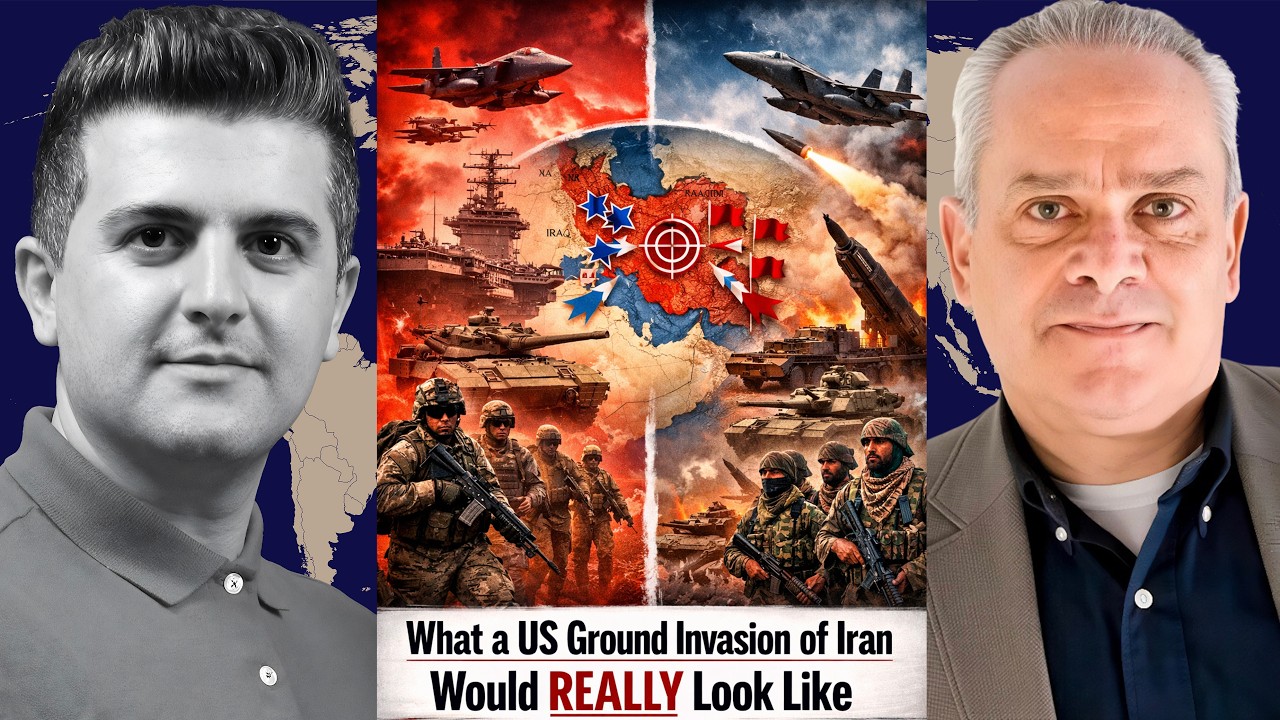
Col. Jacques Baud: What a US Ground Invasion of Iran Would REALLY Look Like
"Colonel Jacques Baud dissects the strategic futility of a US ground invasion of Iran, arguing that current troop levels are insufficient and such an action would backfire, exposing US allies and potentially leading to Iran's nuclearization."
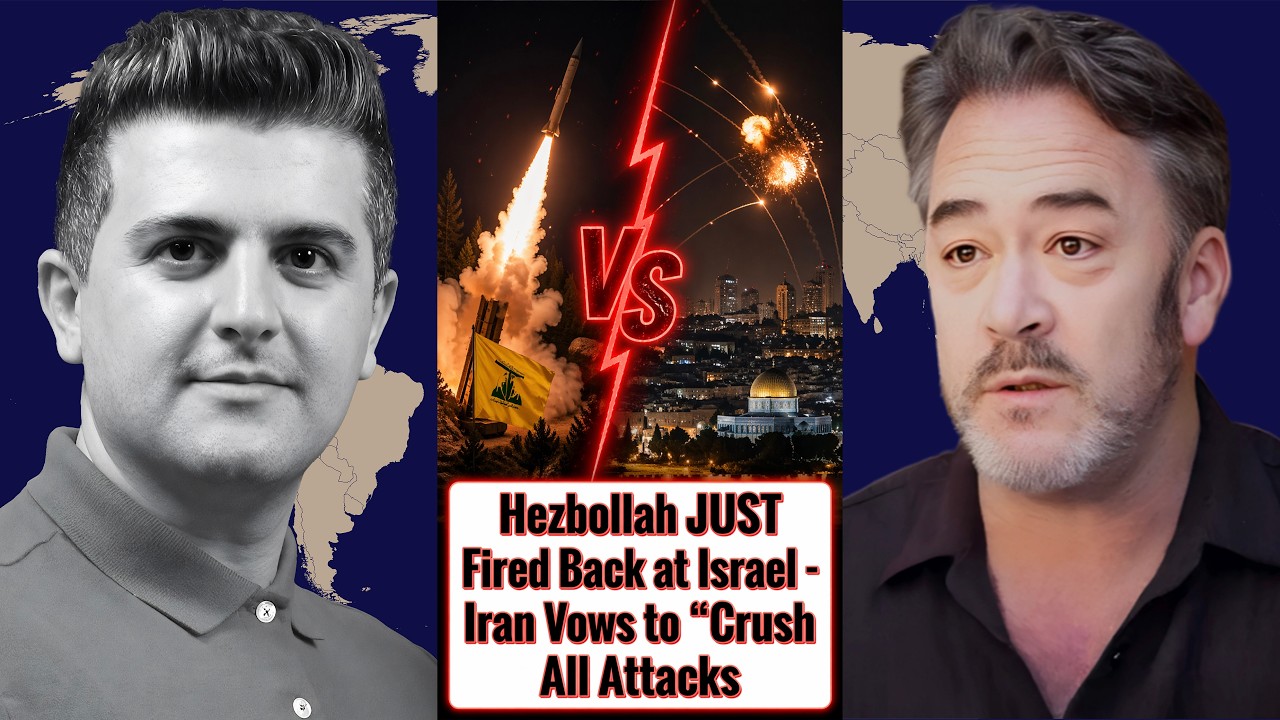
Patrick Henningsen: Hezbollah JUST Fired Back at Israel - Iran Vows to “Crush” All Attacks
"Patrick Henningsen argues that the US and Israel initiated an illegal war against Iran, driven by Trump's incompetence and Israeli influence, leading to an inevitable escalation with severe global economic repercussions."
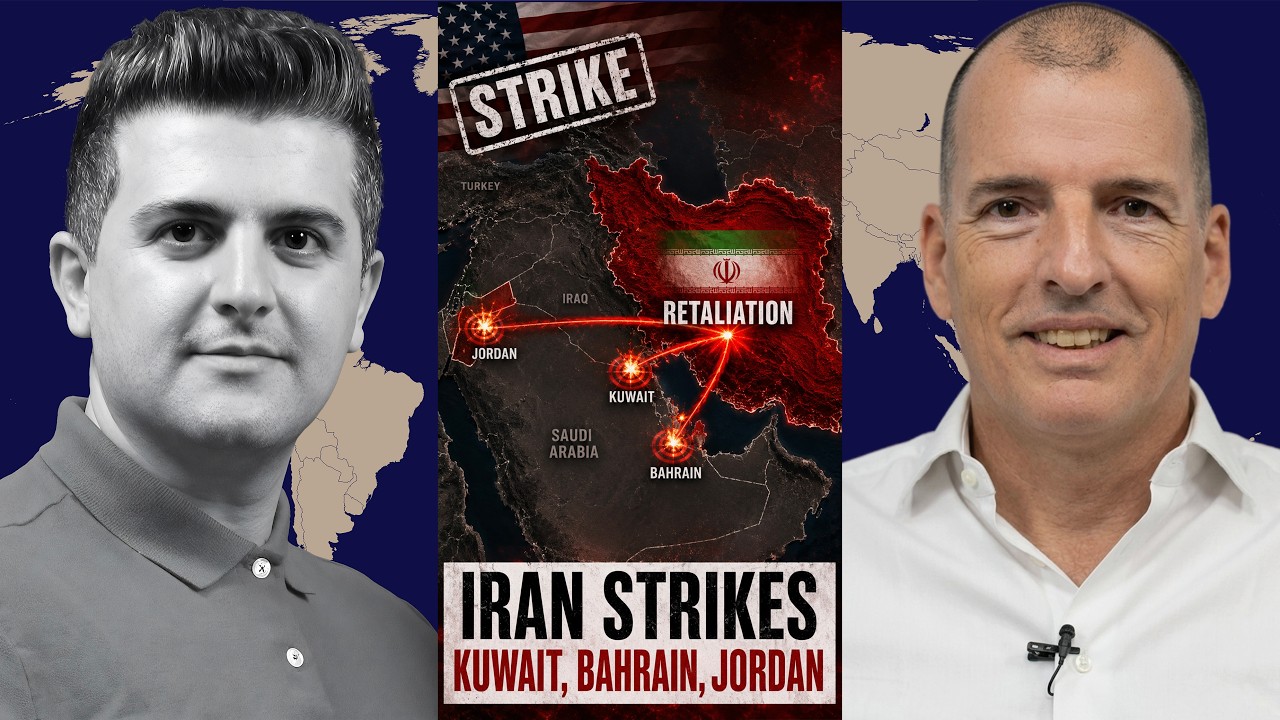
Alex Krainer: US STRIKES Iran – Iran RETALIATES Against Kuwait, Bahrain & Jordan!
"Amidst escalating US-Iran conflict and Iranian retaliation against regional US allies, this episode argues that US foreign policy is deeply controlled by an 'Anglo-Zionist conspiracy' led by the Rothschild banking dynasty, prioritizing Israeli interests over American ones."
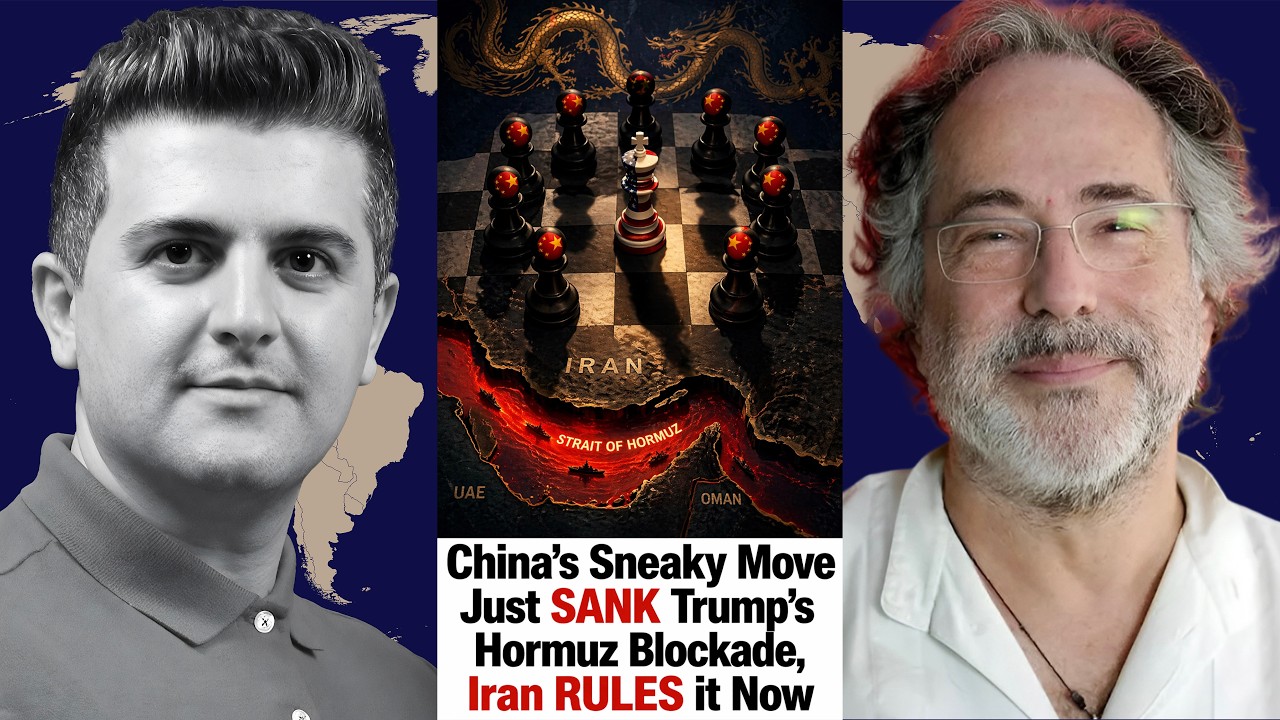
Pepe Escobar: “Total Failure”: Trump’s Blockade Just Backfired Disastrously
"Pepe Escobar argues that the US blockade against Iran, spearheaded by Donald Trump, has utterly failed and backfired, accelerating global economic chaos and challenging US geopolitical dominance."