BREAKING: Hamas Terror Chief ELIMINATED; U.S. Moves In Hormuz; IDF Pounds Lebanon | TBN Israel
YouTube · EoGynp1nNYs
Quick Read
Summary
Takeaways
- ❖The United States renewed tanker escorts in the Strait of Hormuz and conducted defensive strikes against Iranian vessels and drone sites to pressure Iran.
- ❖Iran blames the U.S. for violating ceasefire terms in Hormuz and threatens severe responses, while demanding the unfreezing of billions in assets.
- ❖Negotiations between the U.S. and Iran are stalled, with significant disagreements on nuclear issues and the timing of sanctions relief.
- ❖Israel eliminated Muhammad Odeh, the newly appointed head of Hamas's military wing in Gaza, along with his family, marking a significant blow to Hamas leadership.
- ❖The IDF launched extensive strikes against approximately 150 Hezbollah targets in Lebanon, deepening operations against the terrorist group.
- ❖Hezbollah is increasingly using explosive drones for 'commander hunting' against IDF officers, forcing Israel to adapt tactics and acquire new anti-drone technologies.
- ❖Iran's 88-day nationwide internet shutdown ended due to severe economic and social damage, indicating internal pressure on the regime.
- ❖The U.S. supports Israel's expanded operations against Hezbollah, including targeted assassinations, but restricts widespread destruction in Beirut to avoid jeopardizing Iran talks.
Bottom Line
Hezbollah's shift to 'commander hunting' using cheap explosive drones represents a significant tactical challenge, forcing advanced militaries like the IDF to rethink operational movements, protection protocols, and invest in new counter-drone technologies.
This highlights the evolving nature of asymmetric warfare, where low-cost, readily available technology can effectively disrupt and wear down a technologically superior force, creating public pressure and increasing operational risks.
There is a growing market and urgent need for innovative, rapidly deployable anti-drone solutions, including advanced detection, jamming, and physical neutralization systems, that can operate effectively in complex, urban, and border environments.
Iran's internal decision-making is fragmented, with different power centers (President, Parliament, Revolutionary Guards, Supreme Leader) speaking in conflicting languages regarding negotiations and military actions.
This internal disunity makes external negotiations exceptionally difficult, as it's unclear who holds ultimate authority or can guarantee adherence to any agreement, leading to prolonged stalemates and unpredictable behavior.
Understanding these internal power dynamics is crucial for intelligence agencies and diplomats to identify potential leverage points or internal fissures that could be exploited to advance specific policy objectives or influence the regime's trajectory.
The U.S. is caught in a 'trap' where Israeli responses to Hezbollah attacks are constrained by the U.S. desire to maintain delicate negotiations with Iran, creating a gap where IDF soldiers and northern residents face ongoing threats.
This diplomatic constraint allows proxy groups like Hezbollah to operate with a degree of impunity, knowing that a full-scale Israeli retaliation might be tempered by U.S. geopolitical concerns, thereby prolonging the conflict and increasing regional instability.
Israel needs to develop independent, effective deterrence and response strategies that minimize diplomatic fallout while decisively addressing threats, potentially through highly precise, deniable operations or by building stronger international coalitions less beholden to U.S.-Iran negotiation dynamics.
Lessons
- Support humanitarian aid organizations like Meir Panim, which are rebuilding infrastructure damaged by missile attacks in Israel, such as their branch in Dimona.
- Actively share information and reports from 'boots on the ground' sources like TBN Israel to help spread awareness and counter misinformation about the conflict.
- Engage in prayer for wisdom for leaders, peace for the Iranian people, and protection for the children and civilians in the conflict-affected regions, as encouraged by the hosts.
Notable Moments
The U.S. military renewed tanker escorts in the Strait of Hormuz to pressure Iran, assisting a Greek tanker carrying 2 million barrels of oil that had been stuck since March.
This action demonstrates a direct U.S. intervention to ensure freedom of navigation and global oil supply, signaling a firm stance against Iranian provocations and economic leverage in a critical maritime chokepoint.
Israel eliminated Muhammad Odeh, the new head of Hamas's military wing in Gaza, only a week after his appointment, along with his wife and three children.
This swift elimination represents a significant blow to Hamas's command structure, demonstrating Israel's intelligence capabilities and its clear message that leadership replacements will also be targeted, severely disrupting the organization's ability to rebuild its military wing.
Iran reconnected its internet after an 88-day nationwide blackout, the longest in its history, due to severe economic and social damage.
This reconnection highlights the immense internal pressure on the Iranian regime, demonstrating that even authoritarian governments are vulnerable to the economic and social consequences of cutting off global connectivity, suggesting a potential leverage point for external pressure.
Quotes
"Sometimes a decision to go to war happens precisely at the moment when people are coming to sign an agreement."
"The message to Hamas is very clear. You are still being hunted."
"This is not the Biden administration. Israel is not required to passively observe attacks on its forces and its civilians."
"A small, cheap drone can force an entire army to change it movements, change operating hours, hide heavy vehicles, protect commanders, and rethink every route."
Q&A
Recent Questions
Related Episodes

Patrick Henningsen: Hezbollah JUST Fired Back at Israel - Iran Vows to “Crush” All Attacks
"Patrick Henningsen argues that the US and Israel initiated an illegal war against Iran, driven by Trump's incompetence and Israeli influence, leading to an inevitable escalation with severe global economic repercussions."
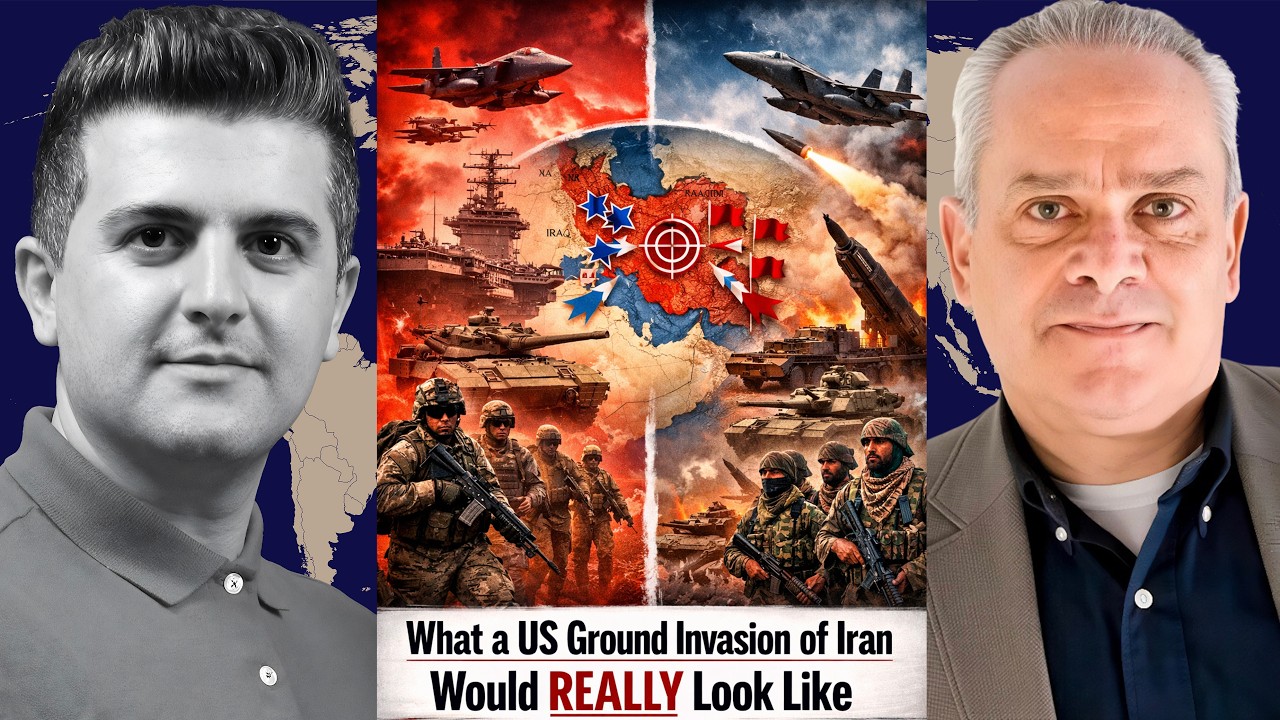
Col. Jacques Baud: What a US Ground Invasion of Iran Would REALLY Look Like
"Colonel Jacques Baud dissects the strategic futility of a US ground invasion of Iran, arguing that current troop levels are insufficient and such an action would backfire, exposing US allies and potentially leading to Iran's nuclearization."

BREAKING: Iran Threatens To END Talks; U.S. Vows Retaliation; Hezbollah Collapsing? | TBN Israel
"Iran is leveraging Hezbollah and the Strait of Hormuz to manipulate US negotiations, while Israel asserts its right to dismantle Hezbollah's eroding but still dangerous infrastructure in Lebanon, independent of international talks."
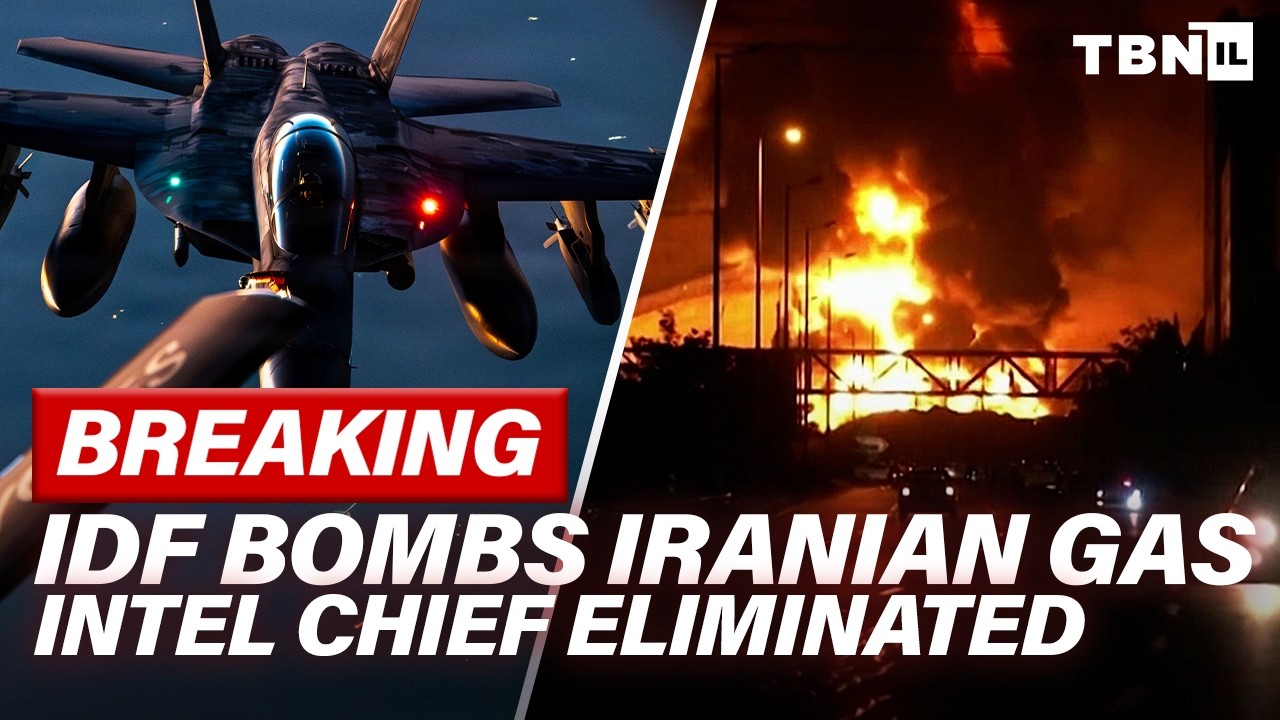
BREAKING: Israel BOMBS Major Iran Gas Site; Top Mullah ELIMINATED; Iran Vows VENGEACE | TBN Israel
"Israel and the United States have escalated their 'Roaring Lion War' against Iran, striking its largest gas facilities, eliminating key intelligence and military figures, and disrupting missile production, while Iran threatens a broader energy war in the Gulf."