BREAKING: Israeli, US Warplanes DOMINATE Iran’s Skies; NATO Downs Turkey-Bound Missile | TBN Israel
YouTube · F5BV8mhp8wQ
Quick Read
Summary
Takeaways
- ❖The US Secretary of Defense announced, 'We are winning. Iran is finished and we've only just begun,' indicating confidence in the ongoing offensive.
- ❖Combined US and Israeli air forces have struck approximately 2,000 targets inside Iran, including the central base of the Revolutionary Guards in Tehran.
- ❖An American submarine sank Iran's largest naval ship off Sri Lanka, resulting in at least 80 reported deaths and over 100 missing sailors.
- ❖Israel's F-35 fighter jet shot down a manned Iranian Yak-130 aircraft, marking the first such aerial combat victory in over 40 years.
- ❖Iran's missile launches towards Israel have decreased by over 50%, attributed to rapid detection and destruction of launchers by Israeli UAVs and fighter jets.
- ❖Iran has shifted its focus to launching more missiles (500) and drones (2,000) at Gulf States compared to Israel (200 missiles, 100 drones), aiming to create economic pressure on US allies.
- ❖Reports from Iranian opposition sources indicate a succession struggle for the supreme leader, with embarrassing details leaked about the chosen heir, Mojtaba Khamenei, to undermine his legitimacy.
- ❖The CIA is reportedly arming Kurdish rebels via breached border crossings into Iran, aiming to support an internal militia against the regime.
- ❖Iran indirectly approached the CIA for ceasefire talks, but the US and Israel dismissed the offer as insincere due to the regime's internal chaos.
- ❖Former President Trump's decision to strike was influenced by an Iranian assassination attempt against him, adding a personal dimension to the conflict.
Insights
1US-Israeli Air and Naval Dominance
The combined air forces of the United States and Israel have achieved complete control over Iranian skies, striking approximately 2,000 targets, including missile launchers and command centers. Concurrently, the US Navy has dominated the maritime arena, destroying 17 Iranian vessels, including the sinking of Iran's largest naval ship, the 'Makran,' off the coast of Sri Lanka.
Brad Cooper, commander of United States Central Command, updated that his forces have already struck 2,000 targets inside Iran. The air forces of the United States and Israel, the strongest in the world, control the skies. 17 Iranian vessels, including a submarine, have been destroyed. An American submarine sank the largest naval ship of Iran, with over 100 missing sailors.
2Degradation of Iranian Missile Capabilities
Israeli and US strikes have significantly reduced Iran's missile launching capabilities. There has been a reported drop of over 50% in missile launches from Iran towards Israel, attributed to the rapid detection and destruction of launchers emerging from tunnels in western Iran by Israeli UAVs and fighter aircraft.
In the IDF, they point to a drop of more than 50% in missile launches from Iran. The drone systems and the Israeli fighter aircrafts locate the launchers that are coming out of tunnels in western Iran and strike them within minutes.
3Iranian Strategy Shift to Regional Economic Pressure
Iran has dramatically increased its missile and drone attacks against Gulf States (500 missiles, 2,000 drones) compared to Israel (200 missiles, 100 drones). This strategy aims to cause economic damage to 'soft targets' like oil facilities and infrastructure, pressuring these nations to compel the US to halt its military campaign.
In the first four days of the war Iran launched at us at Israel about 200 missiles and about 100 UAVs suicide drones and this is compared to about 500 missiles and 2,000 UAVs at the Arab states. The strategic goal is to get the Gulf States to pressure Trump to shorten this war.
4Internal Regime Instability and Succession Battle
Following the elimination of the supreme leader, Iran is experiencing political upheaval and a succession struggle. Reports from Iranian opposition sources, amplified during the conflict, reveal embarrassing details about the chosen heir, Mojtaba Khamenei, aimed at undermining his legitimacy and fueling internal unrest.
Khamenei's son was chosen to succeed him as supreme leader... embarrassing details were revealed about Khamenei's son who was chosen as the heir... was treated for impotence in private hospitals in Britain for years now. The very publication of it during a war is not meant for gossip. It is meant to undermine the legitimacy, break an image and ignite more fire inside the succession struggle.
5Covert Operations and Support for Internal Opposition
Beyond conventional air and naval strikes, there are hints of covert ground operations. The CIA is reportedly arming Kurdish rebels through breached border crossings into Iran to form a militia capable of fighting the Iranian regime. Israeli Air Force commanders have also alluded to 'extraordinary missions' by special units on the ground.
The CIA is arming some of the Kurdish rebels that previously were part of... conflicts in the Middle East... allowing that those breaches on the border allow weaponry to come into Iran and eventually to form some kind of militia that will be able to fight against the Iranian regime. Air Force commander Tomer Bar wrote to the Air Force personnel that special units and Fathers are carrying out in these days extraordinary missions that can ignite the imagination.
Key Concepts
Regime Survival Strategy
The Iranian regime, despite overwhelming military losses, is employing a self-survival strategy by maintaining internal control, launching sporadic attacks to demonstrate resistance, and attempting to create economic pressure on neighboring countries to force a cessation of hostilities rather than directly confronting superior US/Israeli forces.
Asymmetric Warfare (Iranian Strategy)
Iran's shift from direct, high-cost missile attacks on Israel to a higher volume of medium-range missiles and suicide drones against 'soft targets' in Gulf States demonstrates an asymmetric strategy to inflict economic damage and political pressure without expending its most valuable assets against heavily defended targets.
Lessons
- Monitor global energy markets and supply chains for potential disruptions, as Iran's strategy targets Gulf State infrastructure to create economic pressure.
- Analyze the political stability of the Iranian regime, particularly the succession process, as internal chaos could lead to unpredictable regional outcomes.
- Consider the geopolitical implications of increased US military presence and coordination with Israel in the Middle East, and its impact on regional alliances and rivalries.
Quotes
"We are winning. Iran is finished and we've only just begun. They won't hold out."
"The rogue Iranian terror regime has been completely crushed. 47 years of tolerance and the ability to operate freely by the world's leading state sponsor of state terrorism have come to an end. Iran's murderous terrorist leaders are paying for their crimes against America and they are paying in blood."
"The only way to replace a regime is not by bombs. I mean, you can break a regime with bombs, but you can't replace the regime with bombs. The people need to replace the regime with bombs."
"Most of the people we were thinking about are now dead. Soon we won't recognize anyone."
Q&A
Recent Questions
Related Episodes
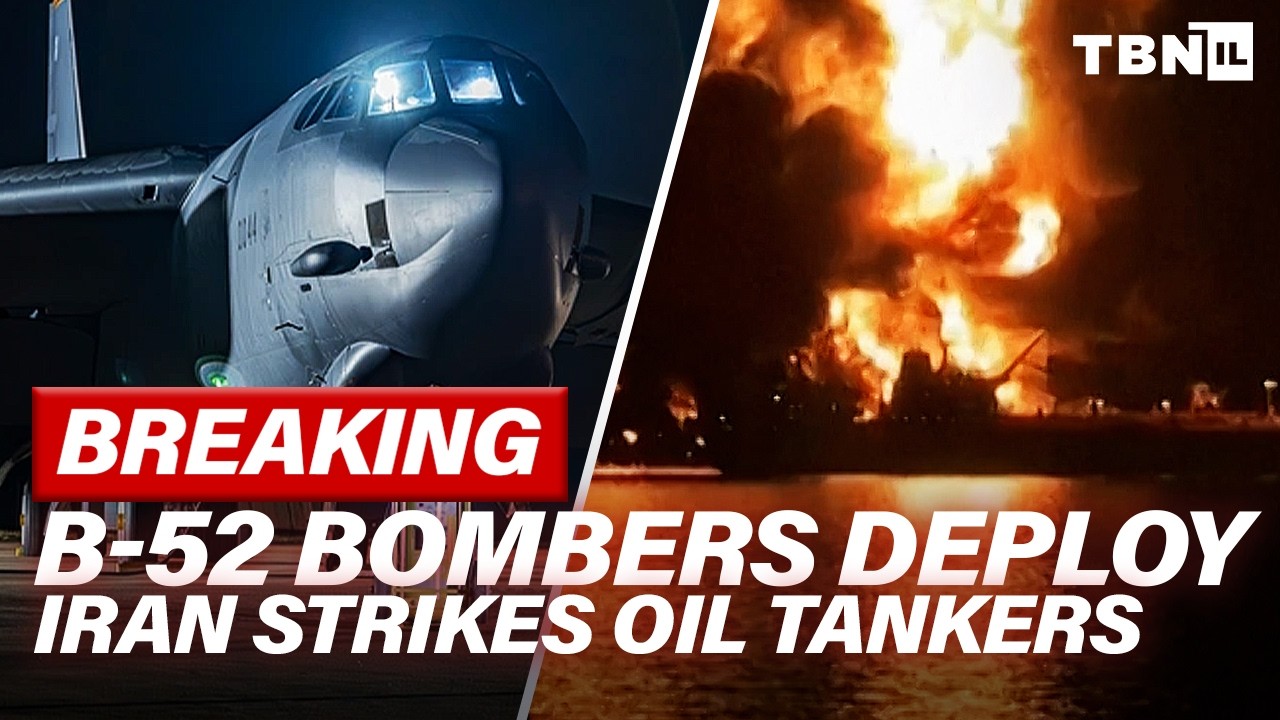
BREAKING: U.S. Deploys DOOMSDAY Bombers; IDF Drones SWARM Iran; IRGC Strikes Gulf Oil | TBN Israel
"Israel and the U.S. escalate military actions against Iran, deploying advanced weaponry and targeting critical infrastructure, while Iran retaliates by mining the Strait of Hormuz and threatening global tech giants."

Palestinian Evangelical Analyst REACTS To U.S-Israeli War In Iran!
"The Young Turks dissect the US-Israeli war in Iran, alleging it's driven by Israeli expansionist goals, fueled by US political and media subservience, and resulting in devastating civilian casualties and economic fallout, while a Palestinian Christian analyst details the brutal realities of Israeli occupation and humiliation."
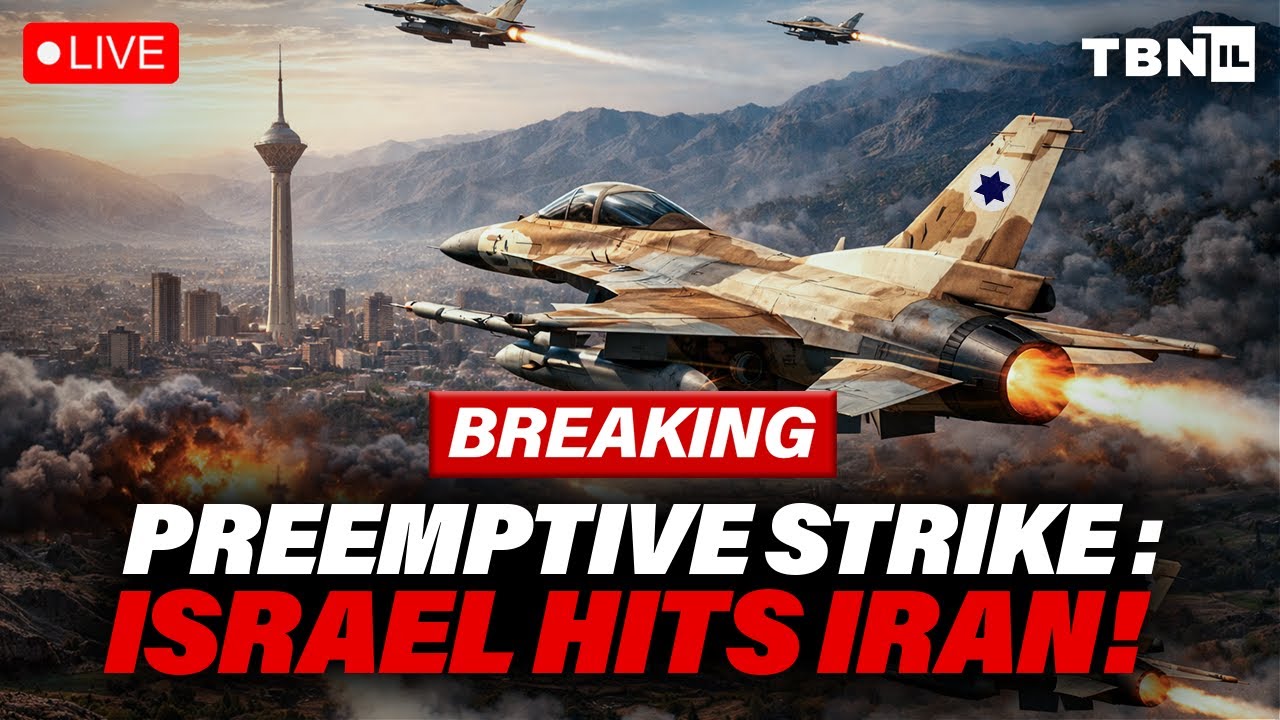
BREAKING: Israel Preemptive Strike on Iran - Explosions in Tehran LIVE! | | TBN Israel
"Israel and the United States launched a coordinated preemptive strike against Iran, targeting regime and military assets, triggering immediate Iranian missile retaliation against Israel and US bases in the region."
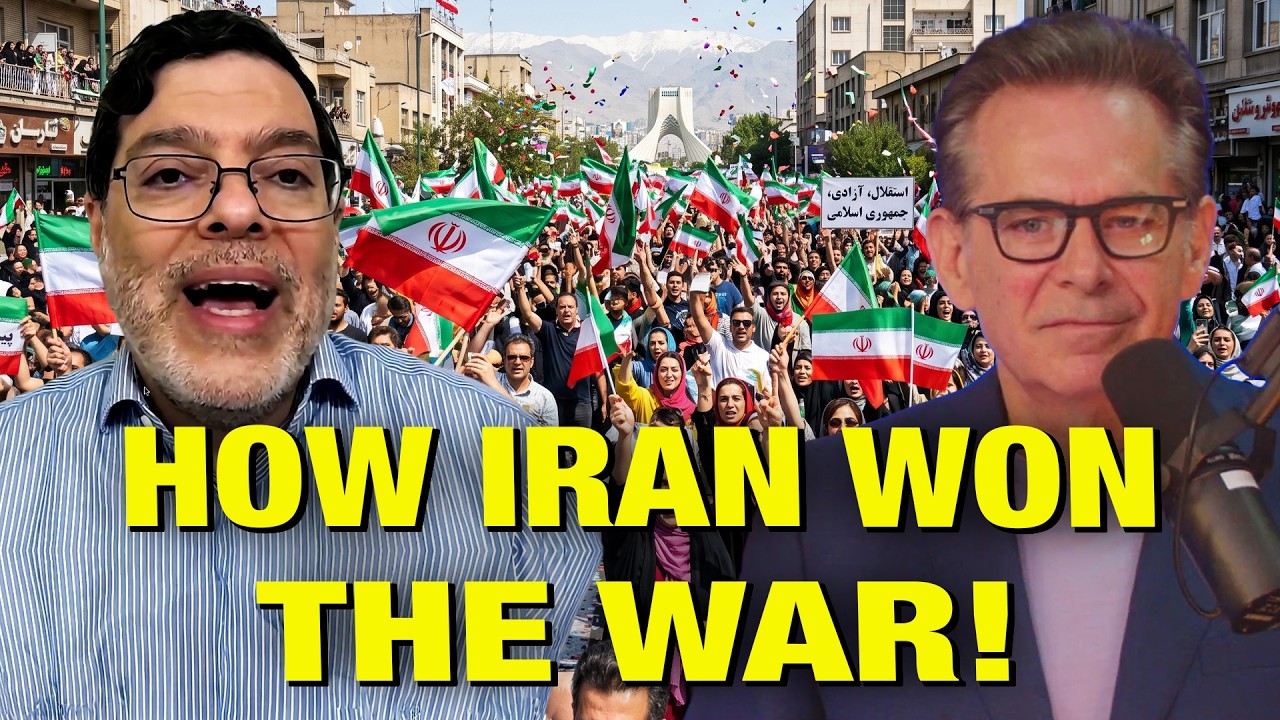
The REAL Story About The War From INSIDE IRAN! – Jimmy Interviews Prof. Marandi
"Professor Marandi, an Iranian academic, details how Iran emerged stronger from recent conflicts, now controlling the Strait of Hormuz and possessing a credible deterrent against its adversaries, despite facing economic siege and Western-backed regional proxies."