
One of these people is hiding something...
YouTube · GqMlghF55q0
Quick Read
Summary
Takeaways
- ❖Leverne Pavloan, seeking to escape an abusive relationship, fabricated evidence and a confession to frame her boyfriend, Jon Suznavski, for murder.
- ❖Leverne's lies were so convincing that she and Jon were both convicted and served four years in prison for a crime they did not commit.
- ❖The real killer of Tanya Bennett confessed years later, exposing the wrongful convictions of Leverne and Jon.
- ❖Patrice Miller's fear of a 'stalker' in her rural California town was tragically validated, but the 'stalker' was a black bear attracted by her outdoor feeding habits.
- ❖The bear, habituated to human food sources, eventually perceived Patrice as food, resulting in her death.
- ❖Authorities initially dismissed the bear activity as minor vandalism, underestimating the escalating danger to residents.
Insights
1The Peril of Fabricated Evidence and Confessions
Leverne Pavloan, motivated by a desire to escape her abusive boyfriend Jon, meticulously crafted a false narrative. She called in a tip, planted a unique denim swatch in her car (knowing it was a trophy taken by the real killer from a private police list she'd seen), and eventually confessed to a fabricated role in Tanya Bennett's murder. Her detailed, yet false, confession, combined with Jon's suspicious non-answers and failed polygraph, convinced police and a jury, leading to both their wrongful convictions.
Leverne overheard Jon 'bragging' about the murder (a lie), planted a denim swatch matching the unique cut from the victim's jeans (a detail only the killer or police knew), and later 'confessed' to actively participating in the murder, including tying a rope around Tanya's neck.
2Confirmation Bias and the Justice System's Vulnerability
Detective Ingram, with no other leads, was highly susceptible to Leverne's initial tip. Each piece of 'evidence' she provided, even when disproven (like the handwriting on the note), was reinterpreted or followed by another fabricated clue from Leverne. Her ability to point out the exact body dump location, a detail not publicly known, sealed the police's conviction that she was telling the truth about her involvement, even if she was minimizing it, leading them to believe they had solved the case with both culprits.
Ingram's case had no leads until Leverne's call (). The note's handwriting couldn't be matched to Jon, but Leverne then 'found' the denim swatch (). Her accurate identification of the body dump site () was the final piece that convinced authorities.
3The Underestimated Danger of Habituated Wildlife
Patrice Miller's 'stalker' was a black bear, attracted to her home by accessible food sources: outdoor cat food and kitchen compost. Over time, the bear became habituated and bold, escalating from property damage to viewing Patrice as a food source. Authorities, accustomed to minor bear complaints in the rural area, failed to recognize the escalating threat, leading to Patrice's fatal attack.
Patrice regularly fed cats on her porch and emptied compost in her garden (, ). Neighbors experienced similar property damage (). Authorities considered complaints 'relatively minor' and lacked manpower (). Patrice was the first known black bear fatality in California history ().
Lessons
- Verify all evidence independently and rigorously, especially when a key witness has a clear motive for manipulation or personal gain.
- Educate yourself and your community on proper waste management and food storage in areas with wildlife to prevent animal habituation and reduce risks.
- Do not dismiss escalating property damage or unusual animal behavior as 'minor' if it indicates increasing boldness or habituation, as it can precede more dangerous encounters.
Quotes
"This was a very risky thing she was doing because she had no way of knowing if what she had just given authorities was enough to arrest Jon. If it wasn't, it was entirely possible that Jon would discover this betrayal... and he would probably just continue his abuse, if not amp up his abuse of Leverne."
"The only thing that actually made sense was that the fake denim was planted there."
"She had just gotten so worried when they let him go after interviewing him because she knew John killed Tanya. He had to have. She heard him talk about it. Like he did it and he's dangerous. And she just wanted to make sure the police held him accountable."
"Black bears are not typically dangerous to people... But it was exactly that sort of lack of perceived danger, which is why officials didn't help Patrice or any of her other neighbors get rid of these black bears when they were coming into their neighborhood and causing all this property damage and all this alarm. They basically said, 'Eh, what's the worst they could do?'"
Q&A
Recent Questions
Related Episodes

Amanda Knox and John Ramsey - Megyn Kelly's "Double Feature" of Fascinating Interviews
"This episode features two individuals, Amanda Knox and John Ramsey, whose lives were irrevocably altered by tragic crimes and subsequent wrongful accusations, revealing systemic failures in justice and media manipulation."
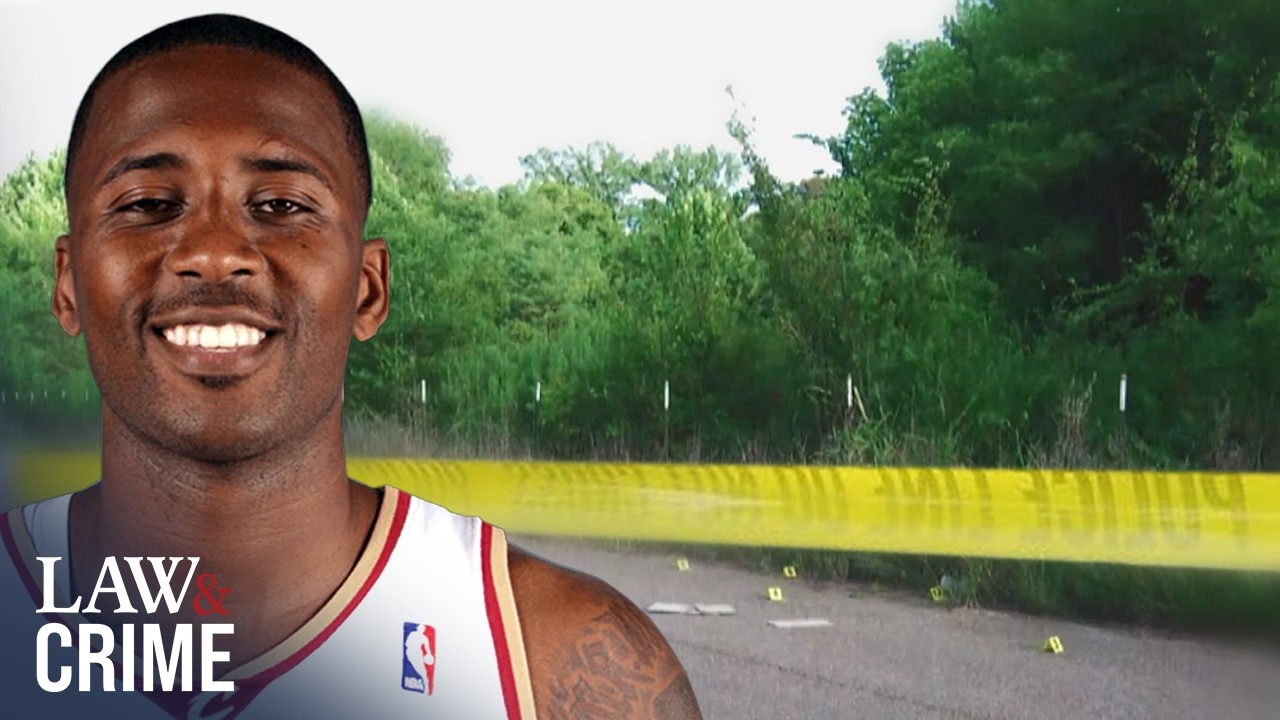
Killer Cases: NBA Star Lured to Execution In Rural Tennessee
"The decade-long cold case of NBA star Lorenzen Wright's murder was cracked through a persistent mother, a jailed informant, and a covert police operation that recovered the murder weapon from a lake and exposed a conspiracy driven by greed."

The Joe Budden Podcast Episode 939 | On Some Bro Shit
"The Joe Budden Podcast crew dives into personal grooming, the chaotic Knicks championship parade, the decline of unique cultural experiences, and controversial celebrity revelations, sparking lively debates on relationships, addiction, and public behavior."

TEEN'S DNA REVEALED IN ANNA KEPNER'S R*** KIT
"The investigation into Anna Keaptainner's death on a cruise ship reveals shocking DNA evidence, a previously unknown male minor, and critical questions about evidence handling and family dynamics."