BREAKING: Tensions RAPIDLY Escalate As Iran REFUSES Surrender, Vows U.S. Retaliation | TBN Israel
YouTube · HuPwZd6Dj6U
Quick Read
Summary
Takeaways
- ❖The United States has amassed approximately one-third of its active deployed naval forces and over 200 fighter jets in the Middle East, including 12 F-22 Raptors in Israel, signaling readiness for military action against Iran.
- ❖Iran's Ayatollah regime refuses to surrender its nuclear program, threatens a broad counter-response to any US strike, and is deploying ballistic missiles while pursuing a deal with China for anti-ship hypersonic missiles.
- ❖Diplomatic talks are considered a 'last chance' with low probability of success, as Iran insists on its right to enrichment and the US demands zero enrichment, framing the situation as 'not if, but when' for conflict.
- ❖Israel is proactively striking Hezbollah command centers and operatives in Lebanon and Gaza, operating under a 'no more containment' doctrine, while Hamas rejects disarmament efforts.
Insights
1Massive US Military Buildup in the Middle East
The United States has deployed an unprecedented military force, including approximately one-third of its active naval assets (two carrier battle groups, 12 destroyers with Tomahawk missiles) and over 200 fighter jets (F-35s, F-16s, F-15s) within striking distance of Iran. This includes 12 F-22 Raptors and additional refueling aircraft landing in Israel, enhancing air campaign sustainability and intelligence gathering.
More than 200 American fighter jets are already in this region, and the aircraft carrier Geron Ford was spotted near Cree, within striking range of Iran. 12 F-22 Raptors landed in Israel this week, together with two more refueling aircrafts. Approximately one-third of the active and deployed US Navy ships are now on station within striking distance of Iran, including two carrier battle groups.
2Iran's Dual Strategy: Diplomatic Rhetoric and Military Preparations
Iran projects an image of openness to diplomacy while simultaneously making aggressive military preparations. While Iranian officials speak of returning to talks and not seeking nuclear weapons, the IRGC deploys ballistic missile launchers near the Iraq border, monitors US bases with Chinese satellites, and seeks to acquire anti-ship hypersonic missiles from China.
President Pestian declared that we support peace and stability... foreign minister Abasaraki of Iran said, 'We will not develop a nuclear weapon.' However, at the same time, the IRGC is deploying ballistic missile launchers on the Iraq border, and with the help of Chinese satellites, they're monitoring US bases... they are hoping to soon finalize a deal with China to purchase an anti-ship hypersonic missile.
3Internal Iranian Pressure and Succession Planning
The Iranian regime faces significant internal pressure from daily student protests in Tehran and other cities, clashing with militias and expressing a loss of fear of retaliation. Simultaneously, there are 'preparations for extreme scenarios' including growing attention to 'the day after Khamenei,' with reports of expanding authority for figures like Ali Lenjani and continuity plans, even considering the possibility of the Supreme Leader being targeted.
Students are protesting from universities in Tehran every single day for the past week clashing with besieged militias in a sign that they have lost their fear of retaliation... The material reflects growing attention to the day after Kaminai, including even the possibility of him being targeted.
4Israel's Proactive 'No More Containment' Doctrine
Israel is not waiting for enemies to attack but is proactively striking Hezbollah and Hamas targets. The IDF recently struck three Hezbollah command centers in Lebanon, eliminating operatives, and maintains high alert against potential rocket, missile, and UAV attacks from the north. Prime Minister Netanyahu's new doctrine emphasizes 'no more containment, no more campaigns between the wars,' asserting that Israel will hit enemies while they are weak.
In the last 24 hours, the IDF struck three different Hezbala command centers in Lebanon, eliminating several operatives... Prime Minister Binya recently defined the new doctrine as no more containment, no more campaigns between the wars. If Israel does not hit our enemies while they're weak, they will hit us when they are strong.
5Hamas Refusal to Disarm and Economic Countermeasures
Hamas explicitly rejects demands to disarm, viewing weapons as its 'last lever of influence' for street control, power against rivals, and maintaining its 'resistance' narrative. In response, an initiative is being examined to replace cash in Gaza with a digital payment tool, similar to Bitcoin or stablecoins, explicitly aimed at drying out cash flow to prevent Hamas from generating revenues.
Hamas is sending a clear message: it does not intend to disarm... The weapons are its last lever of influence over the situation... an initiative is being examined to replace cash in Gaza with a digital payment tool that is going to be a similar to the dollar. This is going to be like Bitcoin.
Bottom Line
Iran is nearing a deal with China to purchase advanced anti-ship hypersonic missiles (CM-32), capable of high speed and low-altitude flight, making them difficult to intercept. While delivery is not immediate, the mere discussion serves as a message to the US about the vulnerability of its naval assets.
This acquisition would significantly enhance Iran's anti-access/area denial (A2/AD) capabilities, posing a more credible threat to US naval power in the Persian Gulf and potentially altering the balance of power in a direct conflict scenario.
Western intelligence agencies and defense contractors could focus on developing advanced countermeasures or defensive systems specifically designed to detect and intercept hypersonic missiles, anticipating future naval warfare challenges.
An initiative is being examined to replace cash in Gaza with a digital payment tool, similar to Bitcoin or stablecoins, with the explicit goal of drying out cash flow to prevent Hamas from generating revenues and maintaining control.
This technological approach represents a novel form of economic warfare, aiming to cripple terrorist organizations by disrupting their financial infrastructure. If successful, it could set a precedent for future counter-terrorism strategies focusing on digital financial control.
Companies specializing in blockchain analytics, digital currency infrastructure, or secure digital payment systems could explore developing and implementing such 'digital currency for sanctions' frameworks, offering their expertise to governments and international bodies.
Key Concepts
Deterrence Theory
Both the US and Iran are employing deterrence strategies. The US is building an overwhelming military presence to deter Iranian aggression and compel concessions, while Iran threatens a broad, uncontrollable regional conflict to deter a US strike, aiming to raise the perceived cost of military action for both Washington and Israel.
Survival Doctrine
Iran's leadership views its strategic assets (nuclear program, missile capabilities) not merely as bargaining chips but as the 'backbone of deterrence' and essential for regime survival. From their perspective, dismantling these assets would not prevent further demands but 'invite the next demand,' leading to regime change.
Lessons
- Monitor the outcomes of diplomatic talks in Geneva, as they are framed as a 'last station before decision' and a key indicator of imminent military escalation.
- Observe Iran's internal protest movements and economic indicators, as rising domestic pressure could influence the regime's external actions and willingness to negotiate.
- Track US military deployments and Israel's pre-emptive strikes in Lebanon and Gaza, as these actions signal a proactive stance against proxies and potential multi-front conflict scenarios.
Quotes
"We will not surrender and the United States will observe an unprecedented attack."
"Iran chants death to America. You decide if that's a threat or not."
"It may be possible to start a war, but it's not easy to end one. And the entire region will suffer the consequences."
"If Israel does not hit our enemies while they're weak, they will hit us when they are strong."
Q&A
Recent Questions
Related Episodes

BREAKING: Iran Threatens To END Talks; U.S. Vows Retaliation; Hezbollah Collapsing? | TBN Israel
"Iran is leveraging Hezbollah and the Strait of Hormuz to manipulate US negotiations, while Israel asserts its right to dismantle Hezbollah's eroding but still dangerous infrastructure in Lebanon, independent of international talks."

Patrick Henningsen: Hezbollah JUST Fired Back at Israel - Iran Vows to “Crush” All Attacks
"Patrick Henningsen argues that the US and Israel initiated an illegal war against Iran, driven by Trump's incompetence and Israeli influence, leading to an inevitable escalation with severe global economic repercussions."
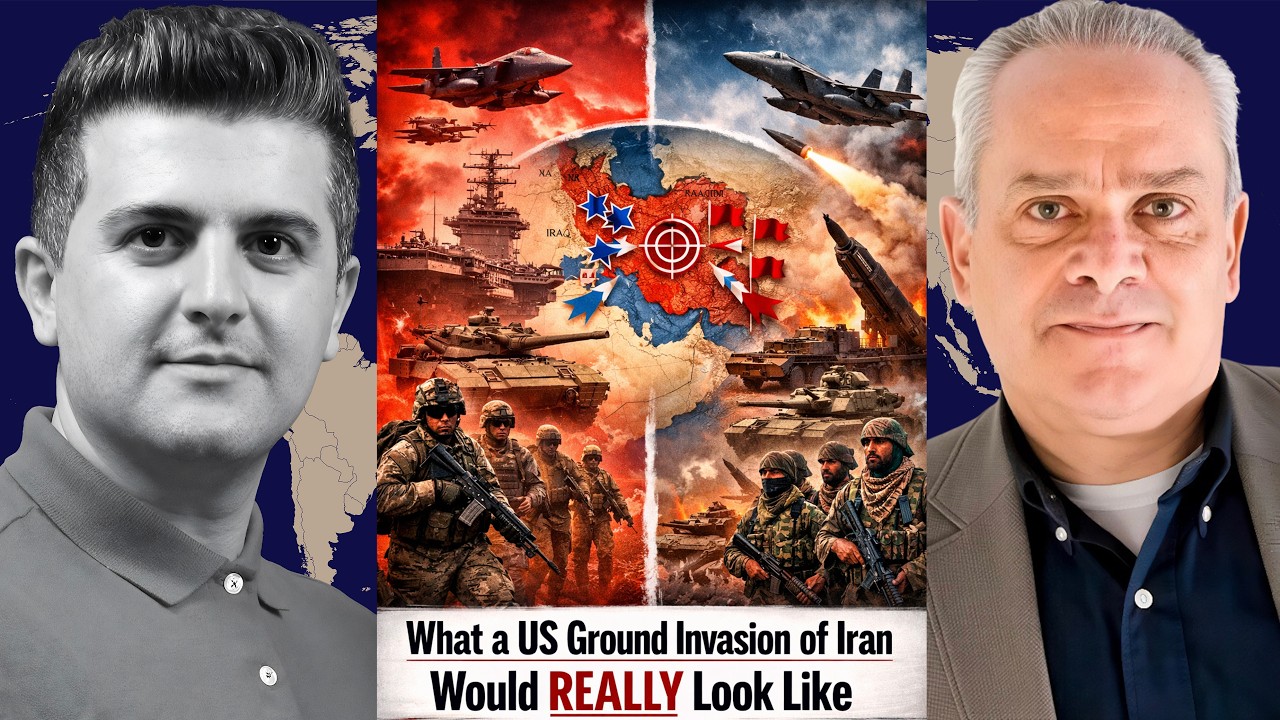
Col. Jacques Baud: What a US Ground Invasion of Iran Would REALLY Look Like
"Colonel Jacques Baud dissects the strategic futility of a US ground invasion of Iran, arguing that current troop levels are insufficient and such an action would backfire, exposing US allies and potentially leading to Iran's nuclearization."
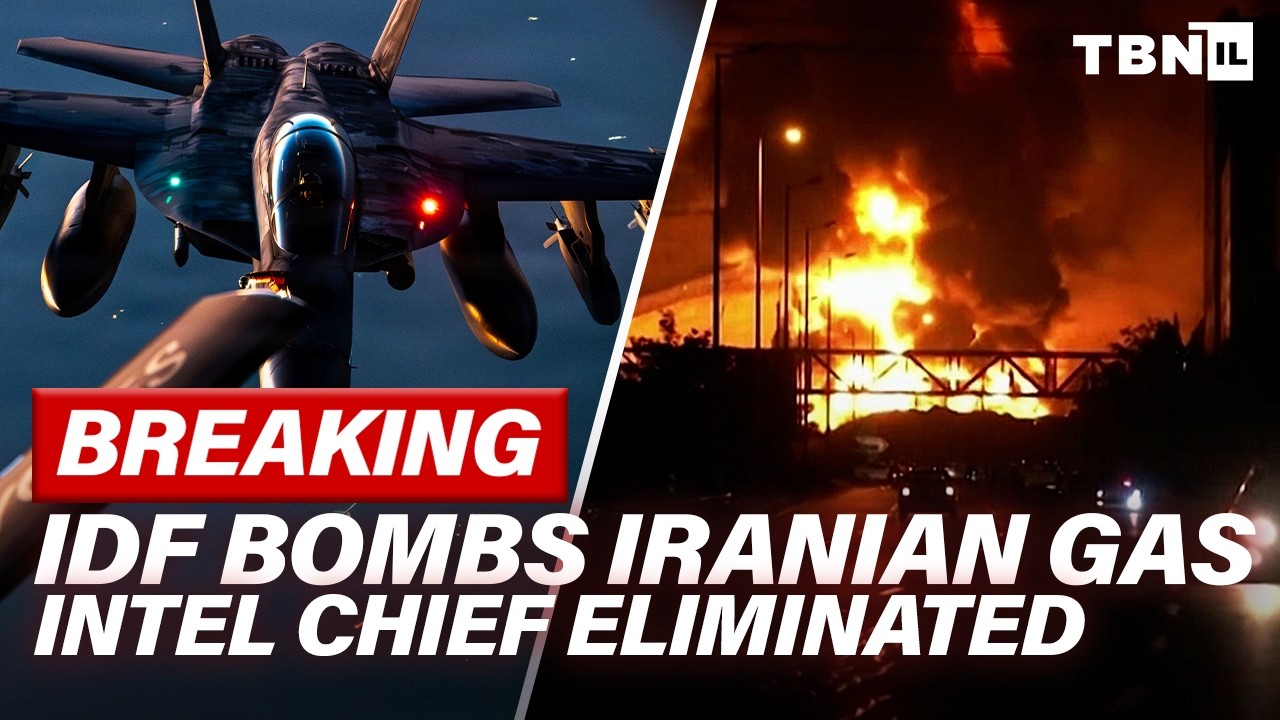
BREAKING: Israel BOMBS Major Iran Gas Site; Top Mullah ELIMINATED; Iran Vows VENGEACE | TBN Israel
"Israel and the United States have escalated their 'Roaring Lion War' against Iran, striking its largest gas facilities, eliminating key intelligence and military figures, and disrupting missile production, while Iran threatens a broader energy war in the Gulf."