Trump Won’t Stop—Because He Can’t Look Weak | Secret Podcast Preview
YouTube · IgEY4aZKoJk
Quick Read
Summary
Takeaways
- ❖Iran's request for JD Vance as a negotiator demonstrates a sophisticated understanding of US politics, aiming for a quick US exit from the conflict.
- ❖The conflict has proven the Strait of Hormuz as a viable strategic weapon for Iran, potentially reducing its reliance on a nuclear deterrent.
- ❖The hosts fear Trump's personal aversion to looking weak could drive further escalation, including ground troops, despite the severe long-term damage to US alliances and global standing.
- ❖The war accelerates the "de-dollarization" trend, with Iran potentially pushing for oil sales in Chinese Yuan, threatening the petrodollar system.
- ❖The conflict is seen as a "final blow" to the US alliance system and global leadership, potentially leading to the US withdrawal from NATO and widespread nuclear proliferation.
Insights
1Iran's Strategic Savviness in Negotiator Choice
Iran's demand for JD Vance as the lead negotiator for a deal with the US indicates a sophisticated understanding of American politics. They likely perceive Vance as someone incentivized to secure a quick exit from the conflict, even if it means offering concessions favorable to Iran, due to his 'America First' and anti-foreign wars stance. This choice suggests Iran aims to leverage internal US political dynamics for a more favorable outcome.
Iran's savviness about the US is something I I guess it's a little surprising at first until you think for a minute they've been involved in many many many they're an enemy of ours... they read the American press and they follow it... I think they think Vance could deliver... He's the vice president and they know that he's America first and anti-forign wars and probably was against this nerve to say this to Trump, but he was probably against this war.
2The Strait of Hormuz as a Proven Strategic Weapon
The ongoing conflict has unequivocally demonstrated the Strait of Hormuz's viability as a strategic weapon for Iran. This proof of concept reduces Iran's perceived need for a nuclear deterrent, as they now possess a tangible, effective means of exerting global economic pressure.
This war has proven that the straight of Hormuz is a strategic weapon... now they have proven the viability of the strategic weapon which has the knock-on effect of making their nuclear program less important to them.
3Trump's 'Not Look Weak' Imperative Driving Escalation
The primary driver for potential US escalation, including a ground invasion, is Trump's personal need to avoid appearing weak or humiliated. This motivation overrides geopolitical considerations and risks catastrophic consequences for US global standing and alliances.
Maybe Trump can get talked into thinking that he needs that outcome so as not to look weak. I think Trump is entirely drift to the degree that Trump will escalate... it's entire not because of geopolitical considerations... but rather because Trump thinks it'll make him look weak and he doesn't want to look weak.
4Threat to the Petrodollar System and US Global Economic Power
A significant risk of the conflict is the potential 'de-dollarization' of global oil trade. Iran's proposal to toll oil in the Strait of Hormuz in Chinese Yuan (Petro-Yuan) could dramatically weaken the US dollar's status as the world's reserve currency, leading to increased US borrowing costs and undermining America's global financial position.
The thing that I'm the most interested in is whether or not they want to make a serious run at ending the petro dollar system... if you really wanted to to take a shot at at speeding that up even more, you would try to fork the petro dollar system and do what... the Petra Juan... It would dramatically weaken America's position in the world. It would make our deficits very very hard to sustain because borrowing costs would go up markedly for the US.
5Disintegration of the US-Led World Order
The conflict is framed as a 'final blow' to the US alliance system and global leadership established post-WWII. The US's erratic and unilateral actions erode allies' confidence, potentially leading to a US withdrawal from NATO and widespread nuclear proliferation as countries seek self-reliance.
I think the degree to which this is going to do real damage is is interactive damage obviously. But this choosing a war like this out of the blue, no consultation and huge boasting and then not being able to and then leaving the regime in place... I'm more shaken by how much da I mean how much damage is that final point... This is the final blow to the US alliance system and to the US and and really the US global leadership. It's done.
Bottom Line
The Danish military deployed troops to Greenland, equipped with bombs to destroy runways and blood for transfusions, anticipating conflict with American forces following Trump's attempted purchase of the territory.
This extreme measure by a close ally signifies a complete breakdown of trust and the effective end of that alliance, regardless of formal agreements, demonstrating how perceived threats from an ally can lead to defensive preparations.
N/A
The US military's current munition expenditure rate in the Iran conflict suggests only about six weeks of supply remain.
This hard limit imposes a natural endpoint on the conflict's intensity, forcing a de-escalation or a significant shift in strategy within a short timeframe, regardless of political will.
N/A
Key Concepts
Sunk Cost Fallacy
Trump's unwillingness to accept a 'crummy peace deal' despite the war's unpopularity and mounting costs, driven by a desire to avoid looking weak, exemplifies the sunk cost fallacy, where past investments influence future decisions even when irrational.
Escalation Trap
The hosts discuss 'escalate to de-escalate' as a dangerous strategy that often leads to further, unintended escalation, citing historical examples like the Vietnam War, where initial limited actions spiraled into prolonged conflict.
Choke Point Strategy
Iran's use of the Strait of Hormuz as a strategic weapon demonstrates the power of controlling critical geographic passages to exert economic and geopolitical leverage, impacting global oil markets and supply chains.
Lessons
- Monitor global financial markets for signs of 'de-dollarization' or shifts in oil trade currency, as this could signal significant economic instability and changes in global power dynamics.
- Analyze the strategic implications of 'choke points' like the Strait of Hormuz for supply chain resilience and geopolitical risk assessment in critical industries.
- Evaluate the long-term stability of international alliances and treaties, considering the potential for unilateral actions by major powers to erode trust and reshape global security landscapes.
Notable Moments
The Danish military deployed troops to Greenland, equipped with bombs to destroy runways and blood for transfusions, in anticipation of potential conflict with American forces following Trump's attempt to purchase the territory.
This incident starkly illustrates the profound breakdown of trust and the effective end of a long-standing alliance, demonstrating how perceived threats from an ally can lead to defensive preparations, regardless of formal diplomatic ties.
Quotes
"Trump thinks it'll make him look weak and he doesn't want to look weak."
"This war has proven that the straight of Hormuz is a strategic weapon."
"This is the final blow to the US alliance system and to the US and and really the US global leadership. It's done."
"Once the allies are planning to shoot each other and deploying troops with the intention of having gotten shot by them like that, it's over."
Q&A
Recent Questions
Related Episodes

Patrick Henningsen: Hezbollah JUST Fired Back at Israel - Iran Vows to “Crush” All Attacks
"Patrick Henningsen argues that the US and Israel initiated an illegal war against Iran, driven by Trump's incompetence and Israeli influence, leading to an inevitable escalation with severe global economic repercussions."
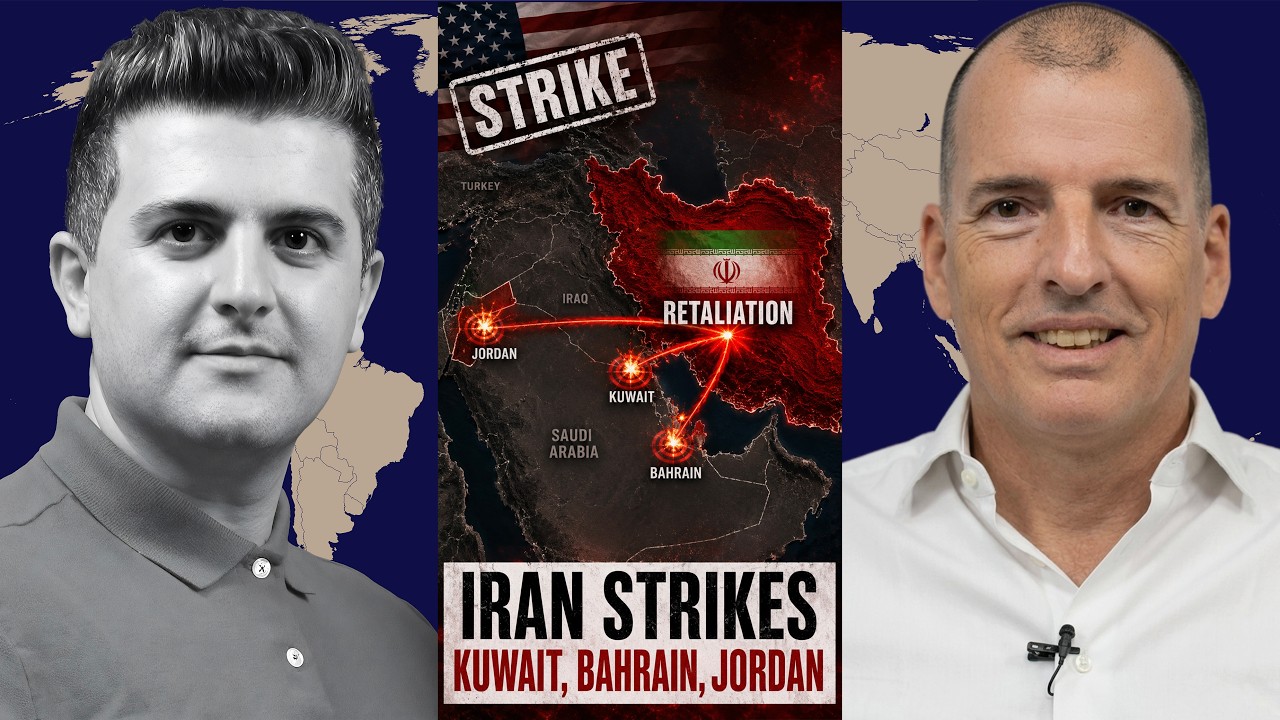
Alex Krainer: US STRIKES Iran – Iran RETALIATES Against Kuwait, Bahrain & Jordan!
"Amidst escalating US-Iran conflict and Iranian retaliation against regional US allies, this episode argues that US foreign policy is deeply controlled by an 'Anglo-Zionist conspiracy' led by the Rothschild banking dynasty, prioritizing Israeli interests over American ones."

Iran Update: Israel’s Newest Bombing Campaign, the Oncoming War With China and How to Avoid It
"Colonel Wilerson reveals how the US and Israel are actively bombing China's strategic infrastructure in Iran, escalating a covert economic war that Beijing intends to win without direct military conflict by dismantling the dollar's global dominance."
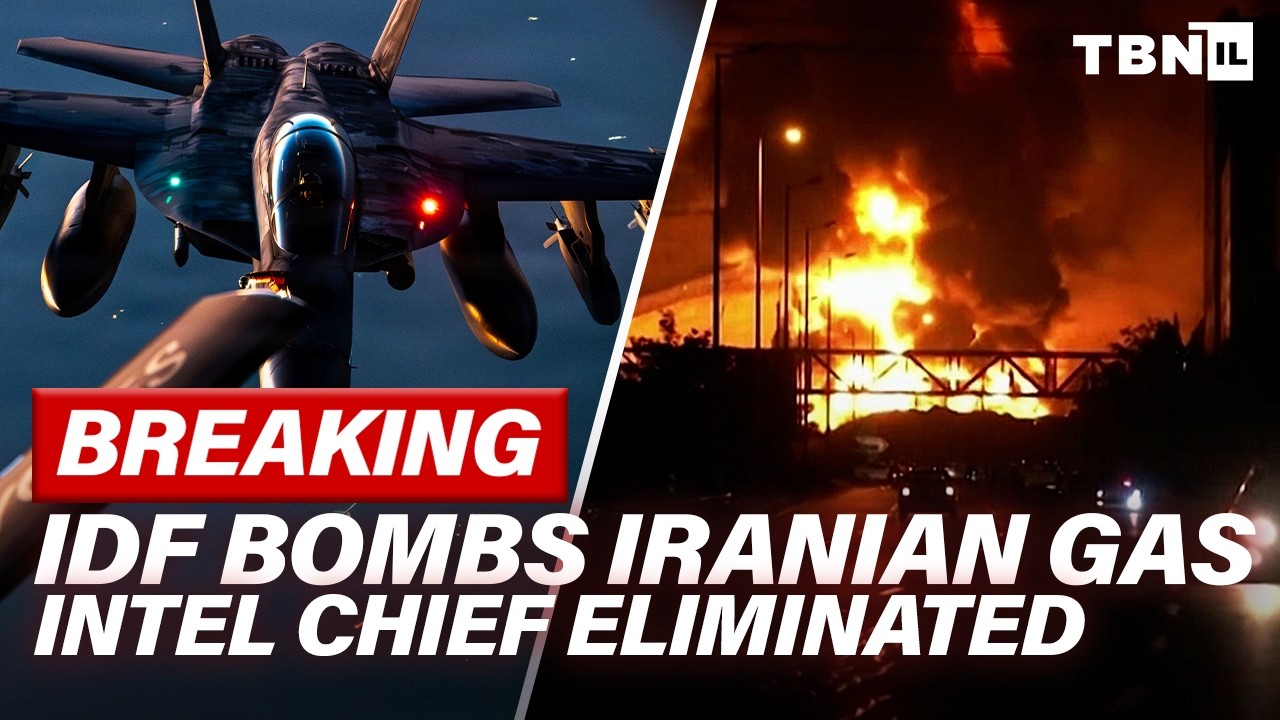
BREAKING: Israel BOMBS Major Iran Gas Site; Top Mullah ELIMINATED; Iran Vows VENGEACE | TBN Israel
"Israel and the United States have escalated their 'Roaring Lion War' against Iran, striking its largest gas facilities, eliminating key intelligence and military figures, and disrupting missile production, while Iran threatens a broader energy war in the Gulf."