Lindsey Graham COACHED Bibi On Manipulating Trump
YouTube · KIU985RMi5s
Quick Read
Summary
Takeaways
- ❖Senator Lindsey Graham reportedly traveled to Israel multiple times, meeting with intelligence agencies and 'coaching' PM Netanyahu on how to lobby President Trump for action against Iran.
- ❖Graham's strategy involved 'buttering up' Trump, comparing the Ayatollah to Hitler, and reminding him to rip up the Obama nuclear deal.
- ❖The hosts argue Graham's actions are driven by a 'neocon war-mongering' ideology and a desire for legacy, rather than US prosperity or interests.
- ❖The episode criticizes the lack of accountability for those who advocated for past wars (e.g., Iraq), noting they often 'fail upward' and continue to influence policy.
- ❖Previous presidents like Obama and Clinton resisted Israeli ultimatums for war, suggesting Trump's susceptibility was unique.
Insights
1Lindsey Graham's Alleged Role in Influencing Trump on Iran
Senator Lindsey Graham reportedly traveled to Israel multiple times, meeting with Israeli intelligence and Prime Minister Netanyahu. During these meetings, he allegedly 'coached' Netanyahu on how to lobby President Trump for military action against Iran. Graham's approach to Trump involved flattery, comparing the Ayatollah to Hitler, and consistently pushing for the undoing of the Obama-era nuclear deal. White House aides reportedly referred to Graham as 'the annoying, crazy uncle' due to his frequent presence and persistent lobbying at Trump's golf clubs.
Graham traveled several times to Israel, meeting with intelligence agencies and Netanyahu, 'coaching him on how to lobby the president for action.' White House aids called him 'the annoying, crazy uncle' who would 'always be showing up at Trump's golf clubs, just sitting in his ear talking, whispering sweet nothings about how good it is whenever it comes to Iran.'
2Graham's Ideological Drive and Lack of Accountability
The hosts frame Graham's actions as the fulfillment of a 'lifelong ideological goal' rooted in 'neocon war-mongering convictions.' They suggest his motivations are personal, driven by a desire for legacy (like getting his name on a building) rather than national interest, especially given he has no children and is in his 70s. This behavior is contrasted with the broader issue of lack of accountability for politicians and officials who advocate for wars, noting that many architects of the Iraq War 'failed upward' and continue to hold influence without facing consequences.
He has been very consistent in his 'neocon war-mongering convictions over many many years.' 'This guy doesn't have any children, you know, he doesn't have any investment in the future of the country. He's in his 70s. This is all just a game for him.' 'People need to go to jail. There needs to be professional consequences. It's unbelievable that we have some of the very same quote unquote journalists who, you know, cheerleaded the Iraq war, who are now still around to cheerlead the Iran war.'
3Trump's Susceptibility vs. Previous Presidents' Resistance
The hosts highlight that while Israel attempted similar 'ultimatums' to previous US presidents like Obama and Clinton regarding Iran, those leaders resisted. Obama reportedly said 'no' to Israeli pressure, and Bill Clinton famously questioned 'who's the superpower here?' when speaking to them. This suggests Trump's unique susceptibility, attributed by the hosts to being 'weak, compromised,' or 'dumb enough,' allowed Graham and Israeli interests to succeed where they had failed with others.
The Israelis actually tried to use the same approach with Obama where they were like, 'well, we're going to bomb Iran no matter what so you better be with us' and Obama was like 'no'. Bill Clinton famously, 'who's the superpower here whenever talking to them.' 'It's only Trump who is either weak, compromised... Maybe just dumb enough.'
Lessons
- Critically examine the motivations of politicians advocating for military intervention, especially those with long histories of 'war-mongering' stances.
- Demand greater accountability for political and military leaders who advocate for or lead disastrous wars, pushing for professional consequences rather than allowing them to 'fail upward'.
- Recognize how foreign governments and domestic lobbyists can influence US foreign policy, and question the narratives presented by those with vested interests in conflict escalation.
Notable Moments
Lindsey Graham's enthusiastic rhetoric about war and profit on Fox News.
This segment showcases Graham's public persona and rhetoric, which the hosts describe as 'beyond 2003 madness,' highlighting his open advocacy for military action, regime change in Iran and Cuba, and the economic benefits he perceives from such conflicts.
Graham's sudden concern for Iranian oil infrastructure.
The hosts point out Graham's apparent hypocrisy, initially celebrating conflict but then expressing caution about targeting Iranian oil, suggesting his 'humanitarian' concerns are secondary to economic interests, particularly the 'prize of oil' for the US.
Quotes
"This regime goes down, we're going to have a new M East. We're going to make a ton of money. Nobody will uh threaten the Straits of Hormoons and we're going to win. Israel and the United States, you just wait to see what comes in the next two weeks."
"He spoke with Prime Minister Netanyahu, coaching him on how to lobby the president for action."
"This guy doesn't have any children, you know, he doesn't have any investment in the future of the country. He's in his 70s. This is all just a game for him."
"In Iran, an official could never travel to another country to collude with a foreign spy service on how to coach our own president into doing the bidding of foreigners. We would ask what the foreign country may have on that official and promptly charge him or her with high treason."
"People need to go to jail. They need to go to jail. There needs to be professional consequences. It's unbelievable that we have some of the very same quote unquote journalists who, you know, cheerleaded the Iraq war, who are now still around to cheerlead the Iran war."
Q&A
Recent Questions
Related Episodes

Patrick Henningsen: Hezbollah JUST Fired Back at Israel - Iran Vows to “Crush” All Attacks
"Patrick Henningsen argues that the US and Israel initiated an illegal war against Iran, driven by Trump's incompetence and Israeli influence, leading to an inevitable escalation with severe global economic repercussions."
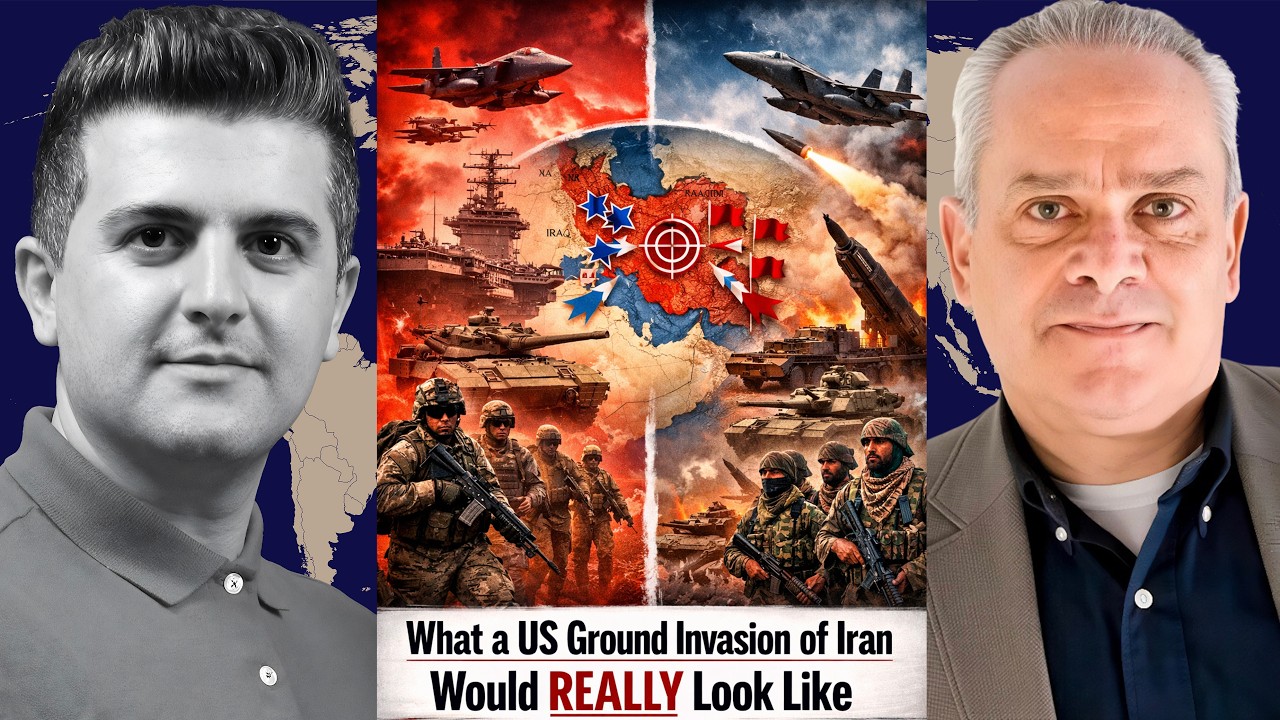
Col. Jacques Baud: What a US Ground Invasion of Iran Would REALLY Look Like
"Colonel Jacques Baud dissects the strategic futility of a US ground invasion of Iran, arguing that current troop levels are insufficient and such an action would backfire, exposing US allies and potentially leading to Iran's nuclearization."
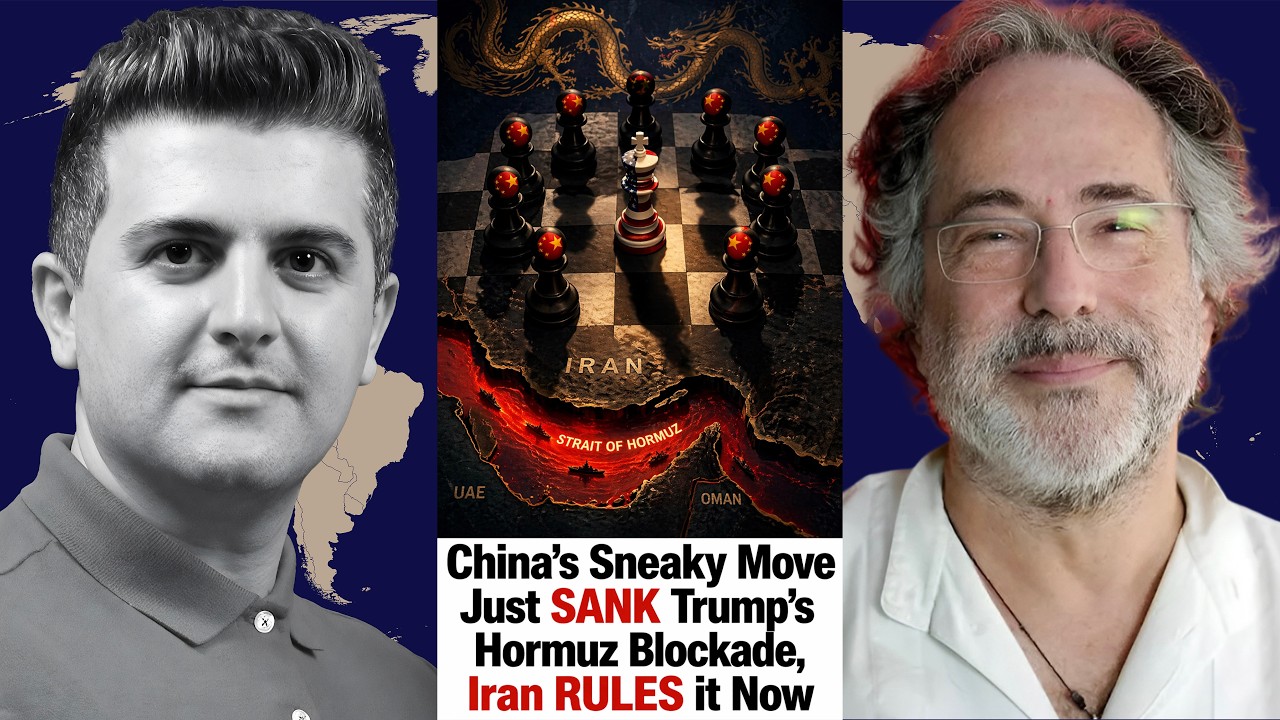
Pepe Escobar: “Total Failure”: Trump’s Blockade Just Backfired Disastrously
"Pepe Escobar argues that the US blockade against Iran, spearheaded by Donald Trump, has utterly failed and backfired, accelerating global economic chaos and challenging US geopolitical dominance."

Iran Deal Skepticism. Whoopi Vs Vance. Potomac Park Invasion. Racist Hurls Slurs At Black Boy.
"This episode dissects multiple instances of alleged anti-Black policies and racial injustice, from the Trump administration's legal challenges to reparations and the Iran deal, to police brutality and the erasure of Black history."