BREAKING: Iran HANDS Over Uranium? Israel Fears Deal; Hezbollah Tunnel Destroyed | TBN Israel
YouTube · MyGZfJ3V4Bw
Quick Read
Summary
Takeaways
- ❖A draft US-Iran agreement, mediated by Pakistan and Qatar, is nearing final approval, aiming for a 60-day ceasefire extension and opening the Strait of Hormuz.
- ❖Conflicting reports exist: Trump claims Iran will hand over enriched uranium and Hormuz will open, while Iran states Hormuz remains under its management and nuclear talks are postponed.
- ❖Israel expresses strong concerns that the deal does not address Iran's nuclear program, ballistic missiles, or proxy support (Hamas, Hezbollah, Houthis), fearing it's a temporary reprieve that allows Iran to rebuild.
- ❖Hezbollah maintains significant terror infrastructure in southern Lebanese villages, with approximately half of the houses in some areas containing tunnels, weapons, and operatives.
- ❖The hosts argue that linking a ceasefire with Hezbollah to the broader Iran deal is absurd, as Hezbollah is an Iranian proxy that cannot be trusted to cease operations without complete dismantlement.
- ❖US Republican figures like Lindsey Graham, Ted Cruz, and Mike Pompeo have voiced criticism, warning against an agreement that doesn't genuinely solve the nuclear and Hormuz issues.
Insights
1Conflicting Narratives on Key Deal Terms
The proposed US-Iran agreement is shrouded in conflicting statements. President Trump announced a deal largely signed, including Iran handing over highly enriched uranium and the opening of the Strait of Hormuz. However, Iranian news agencies immediately contradicted this, asserting that Hormuz would remain under Tehran's management and that the nuclear issue was not central to initial understandings. This fundamental disagreement over core clauses creates significant uncertainty and mistrust.
Trump's statement on the deal and Hormuz (, , ) vs. Iranian news agency Fars reporting Hormuz remains under Tehran's management (, ).
2Israel's Deep Concerns Regarding the Deal's Scope
Israel views the emerging agreement with 'great caution' and 'huge concern,' primarily because it does not appear to address Iran's ballistic missile systems, UAV production, or its support for proxies like Hamas, Hezbollah, and the Houthis. The nuclear program, a central driver of the conflict, is also being 'postponed to the second stage of the talks,' which Israel fears will allow Iran to continue its path to nuclear weapons.
Israeli concerns about the deal not guaranteeing dismantling of the nuclear program, limiting missiles, or stopping proxy support (). The uranium issue being postponed to the second stage (, ).
3Hezbollah's Extensive Terror Infrastructure in Lebanon
The hosts detail Hezbollah's deep entrenchment in southern Lebanon, describing villages where roughly half of the houses contain terror infrastructure, including tunnel systems, weapon storage, electronic surveillance, and anti-tank nests. This infrastructure is solely for attacking Israel, funded by Iran, and highlights why Israel cannot accept a ceasefire that leaves Hezbollah's capabilities intact.
Description of Hezbollah's vast network of tunnels, generators, bombs, and surveillance mechanisms in villages near the Israeli border (). The estimate that 'roughly half' of houses in some Shia villages have terrorism infrastructure ().
4Iran's Strategy of Using 'Bargaining Chips'
Iran is strategically using various elements—its nuclear program, control over the Strait of Hormuz, proxy forces like Hezbollah, and frozen funds—as 'bargaining chips' in negotiations. This approach allows Iran to end one conflict without truly relinquishing its tools of pressure in other arenas, aiming to emerge from negotiations having 'survived' and 'forced the United States to talk,' which serves as powerful internal and regional propaganda.
Iran trying to turn every arena into a bargaining chip: nuclear program, Hormuz, Hezbollah, frozen money (, ).
Lessons
- Stay informed about the specific, granular details of any emerging US-Iran agreement, as headlines may not reflect the full implications.
- Recognize the 'war for narratives' and critically evaluate information leaked by different parties (US, Iran, Israel, mediators) to understand their respective agendas.
- Support efforts to address the long-term, multi-national problems in the Middle East, including nation-building in areas like Gaza, Lebanon, and Syria, beyond immediate military solutions.
Quotes
"We do not know for certain whether an agreement has been signed between the United States and Iran, and what its full details are. Experience teaches us that each side leaks information that serves it best, and that the first headlines are usually different from the more complex picture that emerges later."
"If you're not taking all the enriched uranium, then you don't really know what's going to happen afterwards. And the fear here in Jerusalem, the fear in Israel, is that it will be another iteration of what we experienced in the past."
"Hezbollah doesn't represent the Lebanese people. Hezbollah is a foreign entity. I mean, in the most absolute sense, it's an export of the Iranian ideology who's paying people in Iran, uh sorry, in in Lebanon to fight on behalf of Iran. That's what they're doing."
"If this agreement dismantles the nuclear program, opens Hormuz, and blocks Hezbollah, it could be a dramatic moment for change. But if it only buys Iran 60 days to breathe, the next question will be simpler and harder. Is the war really ending or is it only preparing for the next round?"
Q&A
Recent Questions
Related Episodes
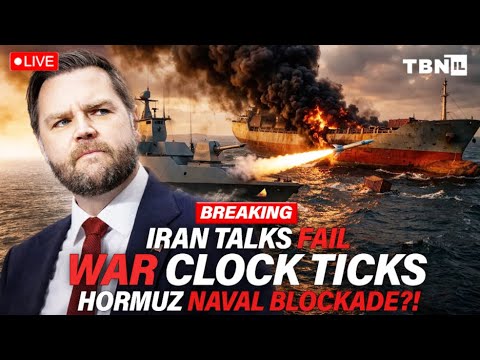
BREAKING: U.S.-Iran Talks COLLAPSE; Hormuz Standoff Deepens; Hezbollah Fire | TBN Israel
"US-Iran negotiations in Islamabad collapsed over the nuclear issue and control of the Strait of Hormuz, leading to heightened tensions and a potential US naval blockade strategy."
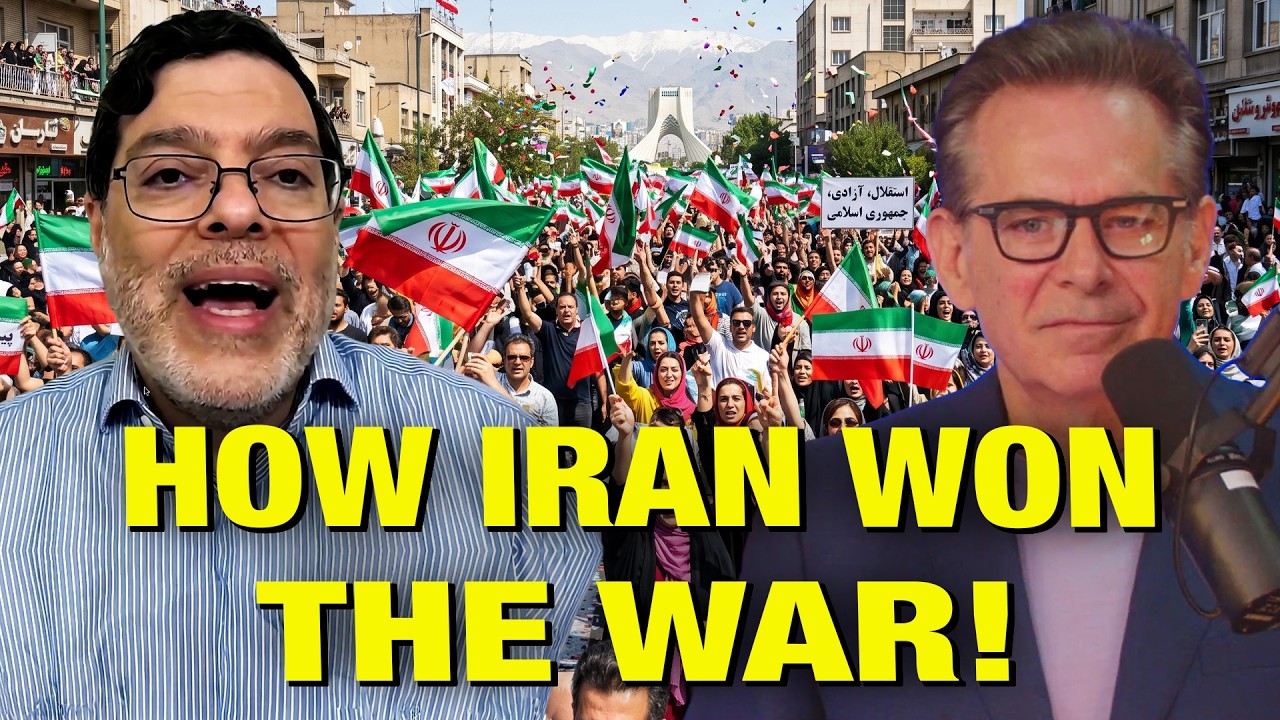
The REAL Story About The War From INSIDE IRAN! – Jimmy Interviews Prof. Marandi
"Professor Marandi, an Iranian academic, details how Iran emerged stronger from recent conflicts, now controlling the Strait of Hormuz and possessing a credible deterrent against its adversaries, despite facing economic siege and Western-backed regional proxies."
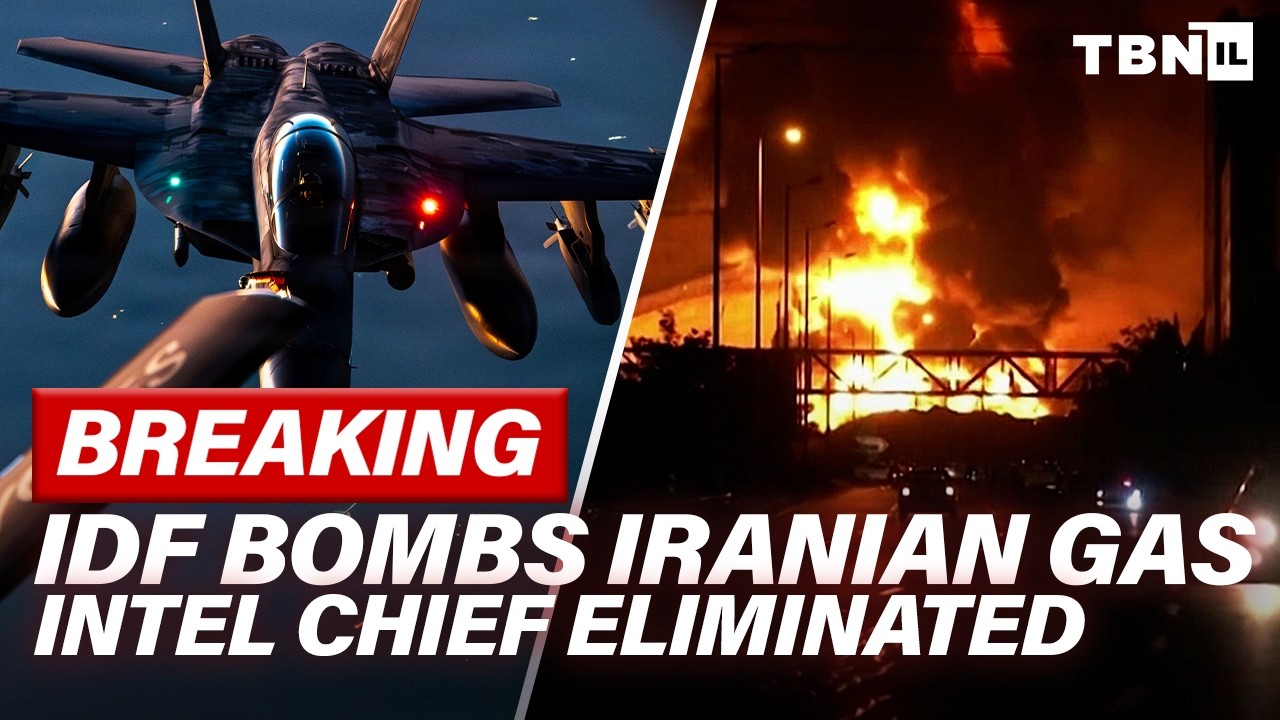
BREAKING: Israel BOMBS Major Iran Gas Site; Top Mullah ELIMINATED; Iran Vows VENGEACE | TBN Israel
"Israel and the United States have escalated their 'Roaring Lion War' against Iran, striking its largest gas facilities, eliminating key intelligence and military figures, and disrupting missile production, while Iran threatens a broader energy war in the Gulf."

BREAKING: Iran Threatens To END Talks; U.S. Vows Retaliation; Hezbollah Collapsing? | TBN Israel
"Iran is leveraging Hezbollah and the Strait of Hormuz to manipulate US negotiations, while Israel asserts its right to dismantle Hezbollah's eroding but still dangerous infrastructure in Lebanon, independent of international talks."