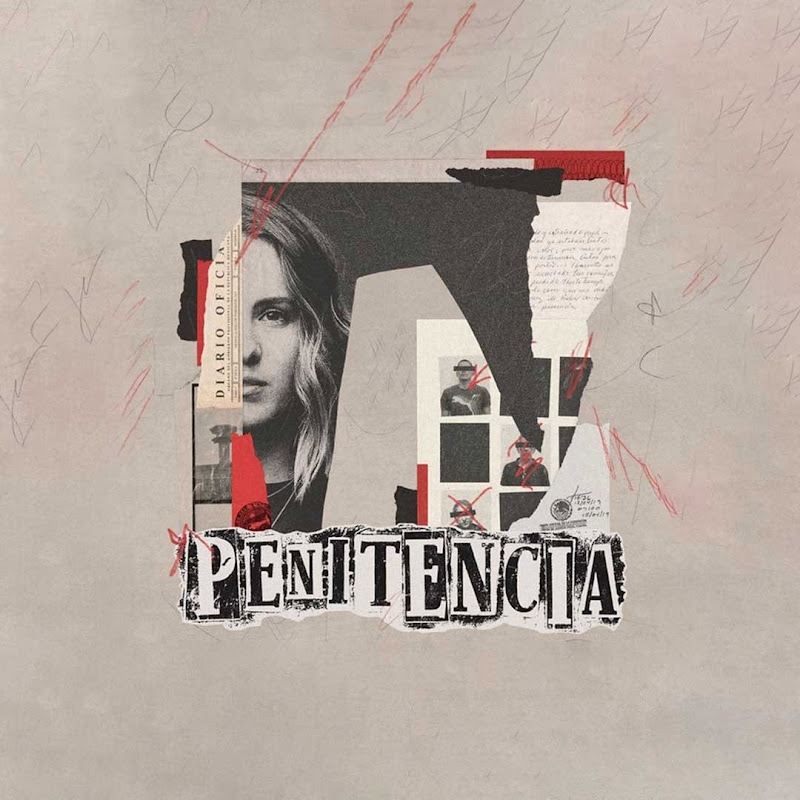
Salí libre y dejé a mi pareja dentro de la cárcel | Azucena Libre #Penitencia #México
YouTube · NDU4JQTYMnk
Quick Read
Summary
Takeaways
- ❖Azucena served 8 years in Santa Marta prison, released 'purgada' (fully served sentence).
- ❖The transition to freedom was marked by nervousness about facing a changed society and the pain of leaving her partner incarcerated.
- ❖A common prison ritual for releasees is burning all prison belongings to shed 'bad vibes' and past memories.
- ❖Azucena found a new family (Betty and Clarita) who offered her a home and unwavering support upon release.
- ❖Her past 'rebellious' behavior was linked to unaddressed grief and anger following her mother's death.
- ❖Criminal records pose a significant obstacle to finding formal employment, as seen in her attempt to work for ride-sharing apps.
- ❖She now works as a driver for Indrive and a singer, finding dignity and satisfaction in honest work.
- ❖Revisiting the prison as a visitor evoked a traumatic sense of fear and melancholy, highlighting the lasting psychological impact of incarceration.
- ❖The host emphasizes that social reinsertion 'can be done' despite skepticism, citing Azucena's journey as proof.
Insights
1The Emotional Paradox of Release
Azucena's release was a mix of immense joy for freedom and deep sadness, particularly for leaving her partner inside. This highlights the complex emotional landscape of reinsertion, where personal liberation is intertwined with the pain of separation and the realization that life outside has moved on.
She describes feeling 'nerviosa' about facing the world again () and 'más feo' leaving her partner, who she knew would remain inside (). Her partner expressed happiness for Azucena's freedom but sadness for their separation ().
2The Ritual of Burning Prison Life
Upon release, a common practice for inmates is to burn their prison clothes and personal items. This act is symbolic, intended to shed the 'bad vibes' and memories of incarceration, signifying a complete break from the past and a fresh start.
Betty, Azucena's new guardian, insisted on burning all her remaining prison items, including clothes and therapy notebooks (-). Azucena describes the burning creating a 'remolino' (whirlwind), symbolizing the release of 'bad vibes' or 'demons' (-).
3Criminal Records as a Barrier to Reinsertion
One of the most significant obstacles to successful reinsertion is the criminal record, which prevents former inmates from accessing legitimate employment opportunities, pushing them towards informal or illicit activities.
Azucena explicitly states that 'los antecedentes penales' (criminal records) were the first obstacle she faced. She couldn't work for Uber or DiDi because of them, forcing her to consider other options like commerce or driving for Indrive (-, -).
4The Found Family as a Lifeline
For many inmates whose biological families have distanced themselves, a 'found family' or supportive community met during or after incarceration becomes a critical network for emotional, practical, and housing support, enabling reinsertion.
Azucena's brothers did not visit her consistently, and her mother passed away (-). Betty and Clarita, whom she met visiting a niece in prison, offered her a home and unwavering support upon release, becoming her 'mother' figure and 'family' (-, -).
5Incarceration as a Catalyst for Self-Discovery and Change
Despite its harshness, prison can serve as a transformative environment where individuals confront their past decisions, develop self-awareness, and choose a path of personal growth, valuing aspects of life previously taken for granted.
Azucena describes herself as 'rebelde' and 'ingobernable' before prison (-). She states that being in prison 'me sumó' (added to me) because she 'comprendí muchas cosas' (understood many things) and learned to value 'todo, desde una pizquita de sal hasta, no sé, una servilleta' (everything, from a pinch of salt to a napkin) (-, -).
6Trauma and Unprocessed Grief Driving Destructive Behavior
Past trauma, particularly unprocessed grief, can lead individuals to seek extreme experiences or destructive behaviors as a coping mechanism, creating a cycle that can lead to incarceration.
Azucena links her 'vivir al límite' (living on the edge) and 'inconsciencia' (unconsciousness) directly to the death of her mother, stating she was 'enojada y resentida con ese Dios, con la gente' (angry and resentful with God, with people) and even contemplated suicide (-). She used 'vicios' (vices) as an 'escapé' (escape) and 'salida' (way out) (-).
Bottom Line
The 'energy' of women's prisons is distinctively heavy and emotionally draining, impacting both inmates and visitors.
This suggests that the psychological environment of female correctional facilities may require different therapeutic and support approaches compared to men's prisons, acknowledging the unique emotional toll.
Develop specialized mental health and emotional support programs tailored to the specific energetic and psychological dynamics observed in women's prisons, potentially incorporating practices that address emotional exhaustion and trauma.
Former inmates finding employment in ride-sharing apps like Indrive can unexpectedly reconnect them with their past, encountering former visitors or even other ex-inmates.
This highlights the small, interconnected world of the carceral system's periphery and the potential for both support and triggers in unexpected places. It also shows how the gig economy can provide a pathway for reinsertion when traditional employment is blocked.
Create support networks or mentorship programs specifically for ex-inmates working in the gig economy, offering resources for navigating these unexpected encounters and building positive connections, while also advocating for policy changes regarding criminal records in employment.
Key Concepts
Starting from Zero
The concept that upon release from prison, individuals often have nothing and must rebuild their lives entirely, facing societal judgment and practical barriers. Azucena's experience of having to burn her belongings and being told she would 'start from zero' exemplifies this, highlighting the need for external support.
Eating the Prison vs. Being Eaten by the Prison
A metaphor used by inmates, meaning one must actively adapt, grow, and maintain resilience within the prison environment to avoid succumbing to depression, negative influences, or despair. Azucena emphasizes that she chose to 'eat the prison' by seeking help and focusing on personal growth to prepare for life outside.
Lessons
- Cultivate a strong, non-judgmental support system: Identify individuals or groups who offer unconditional support, as this 'found family' can be crucial for navigating life's challenges, especially after significant life changes.
- Embrace the 'start from zero' mindset: Recognize that major life transitions often require letting go of the past and rebuilding from scratch. This involves a willingness to adapt, learn new skills, and accept new opportunities, even if they are unexpected.
- Seek professional help for unresolved trauma: Understand that past emotional wounds can drive current behaviors. Engaging with therapy or support programs can help process grief and anger, leading to healthier coping mechanisms and a more stable future.
Notable Moments
Azucena's emotional farewell to her incarcerated partner, who expressed both joy for Azucena's freedom and sadness for their separation.
This moment powerfully illustrates the profound emotional conflict inherent in leaving prison, especially when loved ones remain inside, highlighting the lasting bonds and the bittersweet nature of freedom.
The ritualistic burning of prison clothes and personal items upon release, as advised by her new 'family'.
This act symbolizes a complete break from the past and an attempt to shed negative energies associated with incarceration, underscoring the psychological need for a fresh start and the belief in cleansing rituals.
Her experience of being denied employment by ride-sharing apps due to her criminal record, despite her desire for honest work.
This vividly demonstrates the systemic barriers to social reinsertion, showing how a criminal record can prevent individuals from accessing legitimate income opportunities and perpetuate cycles of marginalization.
Azucena's encounter with a former inmate and a visitor from prison while working as an Indrive driver.
This highlights the unexpected ways former inmates reconnect with their past and the small, interconnected world of the carceral system, showcasing both the challenges and potential for solidarity in reinsertion.
Quotes
"No te lleves nada. O sea, todo lo que tienes, regálalo, véndelo, deshazte de él, porque no te debes de llevar absolutamente nada."
"Si mi mamá viviera, no la hubieras vuelto a matar, güey."
"Aquí hay un una de dos, güey. O te vuelves o te vuelves más cabrona o te relajas, ¿no? Porque entonces es cuando empiezas a valorar, ¿sabes? todo, desde una pizquita de sal hasta, no sé, una servilleta."
"El día de mañana pues se van a arrepentir, o sea, si si hicieron las cosas mal."
"Si 10 puertas se te cierran, una se te va a abrir. No desesperes, todo es un proceso."
"La cárcel no te tiene que comer a ti, no, tú te tienes que comer a la cárcel."
Q&A
Recent Questions
Related Episodes

McDonald’s Credit Card Fraud Scheme | BandGang Javar
"BandGang Javar details his journey from a childhood marked by tragedy and crime to orchestrating sophisticated credit card fraud schemes, ultimately transitioning his expertise into legitimate businesses focused on fraud prevention and credit repair."
When Thieves Rob The WRONG House!
"From a childhood steeped in street violence and crime to facing federal charges and prison, a man recounts his journey of survival and transformation, ultimately building a successful tattoo business against all odds."
Wes Watson Student Arrested as a Firefighter
"A former firefighter and paramedic recounts his harrowing descent into drug addiction, multiple brushes with the law, and ultimate recovery, culminating in a successful business partnership and a transformed life."
Bryan Kohberger Experts Make EXPLOSIVE Claims in Idaho Murders
"A former FBI agent and author of 'Broken Plea' reveals critical, previously undisclosed issues with evidence in the Bryan Kohberger Idaho murder case, suggesting the plea deal may have circumvented major defense challenges."