Bryan Kohberger Experts Make EXPLOSIVE Claims in Idaho Murders
YouTube · 3L9Bfnc9QAI
Quick Read
Summary
Takeaways
- ❖Chris Wickham, a former FBI agent, authored 'Broken Plea' based on extensive, previously undisclosed case files.
- ❖Expert reports revealed that bloodstains in the house's common areas were diluted with an unidentified substance, unlike those in the victims' bedrooms.
- ❖The KBAR knife sheath, bearing Kohberger's DNA, had a questionable chain of custody, with initial reports conflicting on its location and later handwritten forms appearing falsified.
- ❖Kohberger's defense team, including Dr. Brent Turvy, uncovered these evidence issues just four days before his guilty plea.
- ❖The guilty plea, which took the death penalty off the table, prevented these critical evidence challenges from being presented in court.
- ❖Wickham believes more revelations and challenges to the case are forthcoming from other experts and projects.
Insights
1Anomalous Bloodstain Characteristics
Expert Paulette Sutton's report, and later Dr. Brent Turvy's analysis, identified that bloodstains in the common areas of the second floor (hallway, living room, stairs) were diluted with an 'unknown substance.' This contrasted sharply with the undiluted blood patterns found in the third-floor and second-floor bedrooms, suggesting a potential alteration or cleaning attempt in specific areas of the crime scene.
Paulette Sutton's report and Dr. Brent Turvy's report, which noted the physical, visual, and chemical differences in bloodstains across the house.
2Compromised Chain of Custody for Key Evidence
The KBAR knife sheath, found at the crime scene and containing Bryan Kohberger's DNA, exhibited significant chain of custody issues. Initial handwritten reports by Idaho State Police (ISP) indicated the sheath was found 'on floor next to victim number three,' while later formal typed reports stated it was found 'in the bed.' Furthermore, the evidence bag initially lacked a chain of custody form, with two handwritten forms appearing later, allegedly written in the same hand and pen, raising questions of falsification.
ISP's handwritten and typed reports, photographic evidence of the sheath's location, and the appearance of two belated, similarly written chain of custody forms.
3Defense Discovered Issues Days Before Plea
Bryan Kohberger's defense team, specifically Dr. Brent Turvy, uncovered the chain of custody anomalies for the knife sheath just four days before Kohberger entered his guilty plea. This timing meant the defense did not have the opportunity to challenge the evidence in court through motions to suppress, as the plea deal was already in progress to remove the death penalty.
Statements from Dr. Brent Turvy and other defense sources, indicating the discovery of evidence issues occurred critically close to the plea date.
Notable Moments
Wickham's initial reluctance to cover the case due to perceived 'overwhelming evidence' and subsequent change of mind after reviewing non-disclosed files.
Highlights the difference between public narrative and internal case documents, suggesting the official story was incomplete or misleading.
The host's observation of Bryan Kohberger's intense focus during the reading of the statement of facts at his plea hearing, as if 'listening to see if he got it right.'
Provides a behavioral observation from the courtroom, adding a layer of psychological intrigue to Kohberger's actions during his plea.
Quotes
"Do I see overwhelming issues with this case writ large that nobody has seen or talked about? Yes, I do."
"The knife sheath seemed to be problematic. Uh from there it became more and more compelling and led to an examination that turned into this book."
"If I were the defense attorney Anne Taylor or any other defense attorney, the first thing I would challenge in a court of law is the provenance of that knife sheath from the crime scene to the time it gets to the FB FBI laboratory."
"Ann Taylor did not see this trouble with the with the chain of custody until I think four days, specifically four days before Brian Coberger took a change of plea."
"Do I see overwhelming issues with this case writ large that nobody has seen or talked about? Yes, I do. And I'll say this, too. I'm the first one to to that that put this together and came out with something. But I will tell you unequivocally, there are books and other projects coming out in the notistant future that will look at other aspects of this case."
"Yes. Based on your review of the evidence, do you believe that? Yes."
Q&A
Recent Questions
Related Episodes

LIVE | Kohberger Defense Statement and Investigation. TikTok defamation litigation continues....
"The Idaho murder case sees unusual post-plea developments with a defense expert accused of leaking confidential information, while the TikTok psychic defamation case progresses to appeal with the defendant's motions challenged for untimeliness and lack of merit."

Kohberger’s Back, More Dirty Duggar Details & Quad Amputee Charged with Murder
"Newly released surveillance footage of Bryan Kohberger at the DMV, unsettling details of a triple murder by Jenna Struble, and the perplexing case of a quadruple amputee charged with murder are explored."
5 Most Wicked Murder Cases Caught On Bodycam
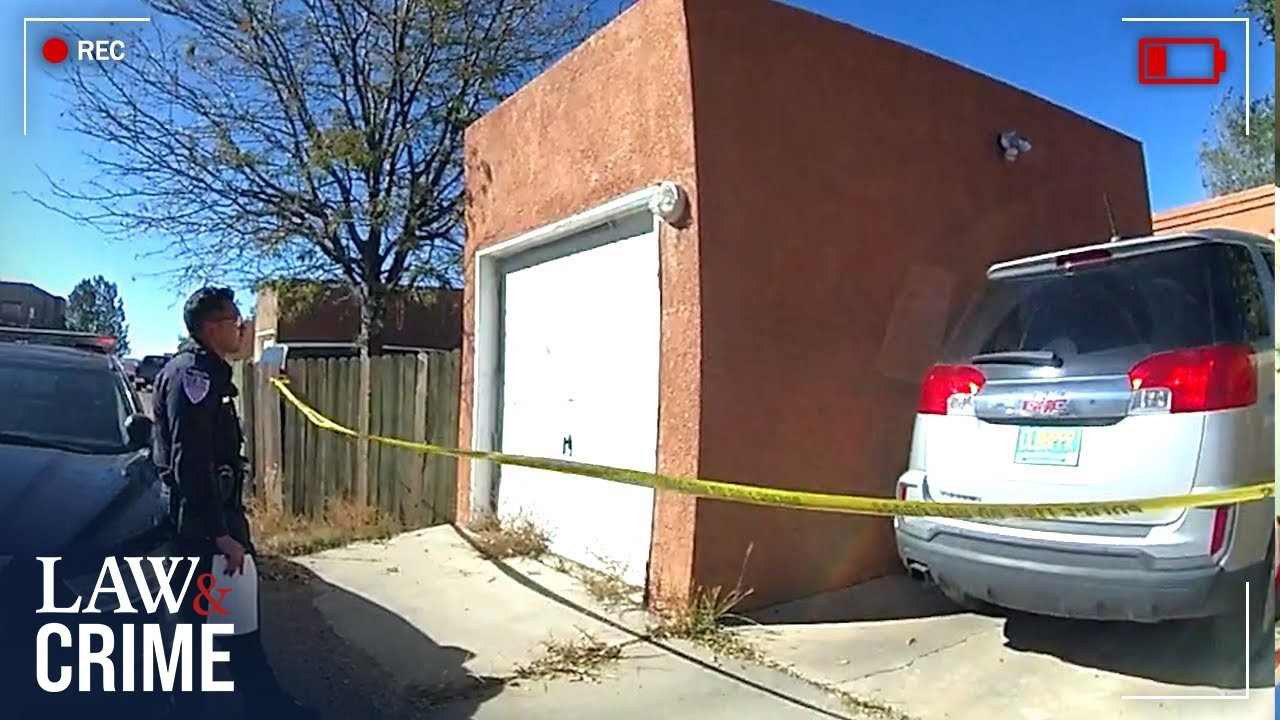
"Bodycam footage provides an unfiltered, real-time look into five brutal murder investigations, exposing the immediate aftermath of horrific crimes and the initial interactions with suspects and witnesses."
Killer Cases: NBA Star Lured to Execution In Rural Tennessee
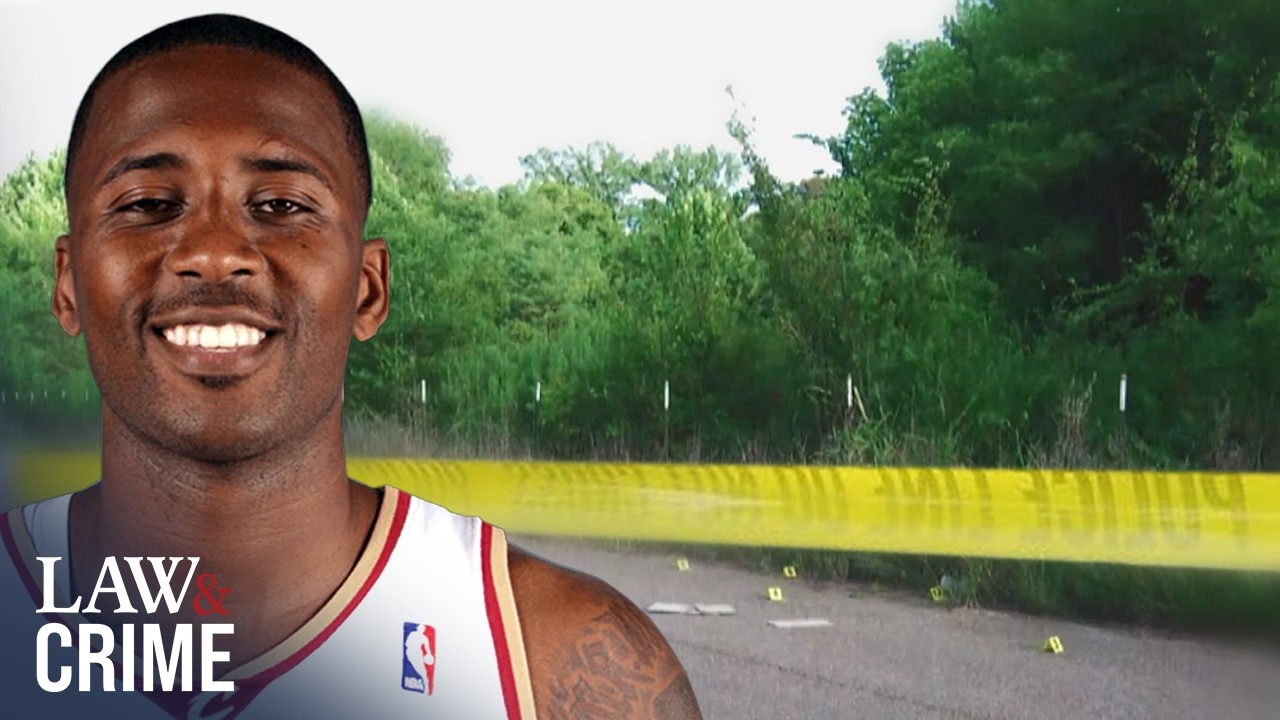
"The decade-long cold case of NBA star Lorenzen Wright's murder was cracked through a persistent mother, a jailed informant, and a covert police operation that recovered the murder weapon from a lake and exposed a conspiracy driven by greed."