BREAKING: Trump Threatens “HELL”; Iran Rejects U.S. Deal; Kharg Island Showdown Looms | TBN Israel
YouTube · N_LL7IlsjZs
Quick Read
Summary
Takeaways
- ❖Trump's administration threatens 'hell' if Iran rejects a deal, while simultaneously deploying thousands of troops to the region, including the 82nd Airborne Division and Marines, for potential ground operations.
- ❖Israel has significantly increased its air strikes, targeting Iranian cruise missile production, ballistic missile sites, and a critical underwater military systems R&D center in Isfahan.
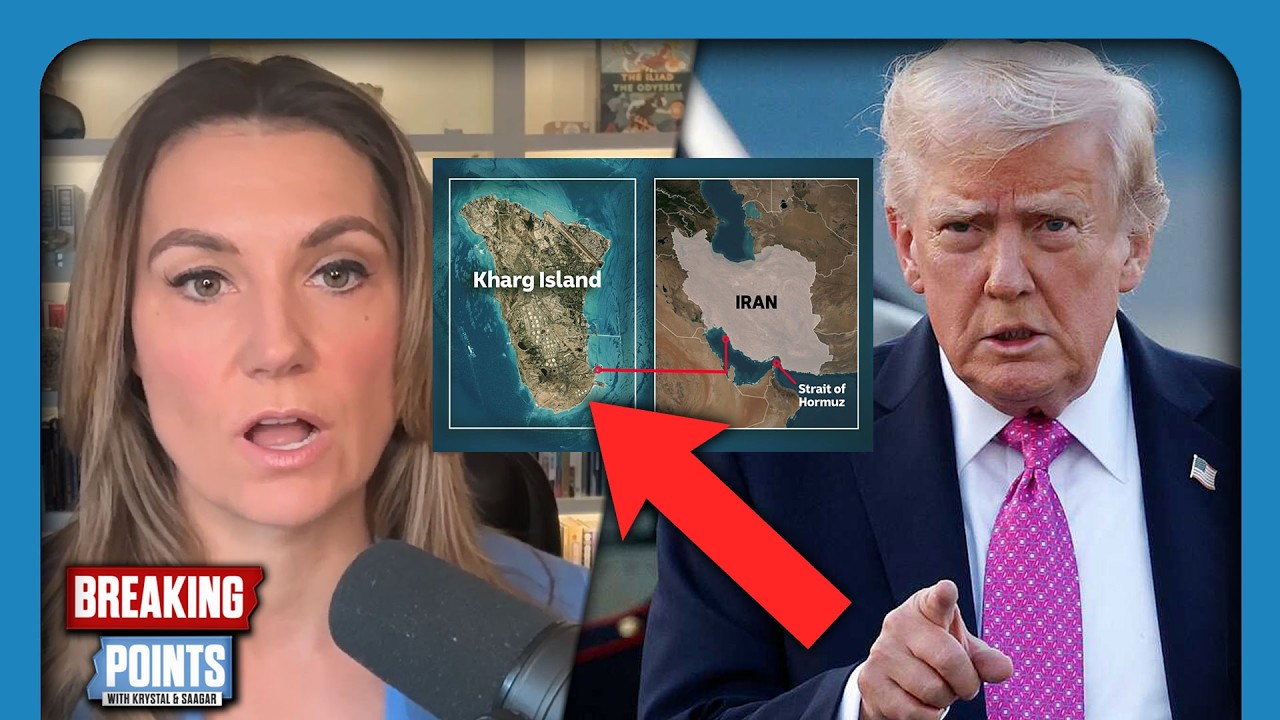
- ❖Kharg Island, Iran's primary oil export terminal, is heavily fortified by Iran with mines and air defense systems in anticipation of a potential US ground invasion.
- ❖Iran rejected the US proposal, which demanded an end to uranium enrichment, destruction of nuclear facilities, missile program restrictions, and abandonment of proxies, presenting its own five conditions.
- ❖The UAE explicitly demanded the complete dismantling of Iran's capabilities, not just a compromise, citing over 2,100 missile and drone attacks.
- ❖Internal dissent is growing in Iran, with citizens criticizing the regime for prioritizing military projects (missile cities, tunnels) over education, healthcare, and welfare.
- ❖Russia is reportedly completing a shipment of advanced drones, including improved engines, navigation, and anti-jamming technology, to strengthen the Ayatollah regime.
Insights
1US Prepares for Kharg Island Ground Operation
The United States is deploying significant ground forces, including the 82nd Airborne Division and Marine expeditionary units, equipped for amphibious assaults, to the region. This is interpreted as preparation for a potential ground operation to seize Kharg Island, Iran's vital oil export facility, thereby creating a 'chokehold on the neck of the Iranian financial machine.'
Deployment of 82nd Airborne and Marine expeditionary forces, equipped with landing craft and amphibious assault vehicles. Iran has prepared traps and moved military personnel and air defense systems to Kharg Island in response.
2Israel Targets Iran's Long-Term Military Recovery
Israel's air force has shifted its focus from regime institutions to military infrastructure, aiming to block Iran's military recovery in the medium and long term. Key targets include cruise missile production facilities and a research and development center for underwater military systems, which is the sole site for submarine planning and development in Iran.
Israeli Air Force struck facilities for cruise missile production and, for the fourth time in 24 hours, hit Isfahan, specifically targeting the center for R&D of underwater military systems.
3Diplomacy as a 'Strategy of Deception'
The host suggests that US diplomatic talks with Iran, despite public statements about negotiations, are a 'strategy of deception' to buy time and mask ongoing military preparations. Both sides are playing a 'game of nerves' to avoid appearing to 'blink first' while military actions continue unabated.
Trump's public statements about negotiations contradict the continuous military buildup and strikes by the US and Israel. The White House insists talks are productive, while Trump simultaneously states there was 'no choice but to go to war'.
4Iran's Rejection of US Demands and Counter-Conditions
Iran has rejected the 'very generous' American proposal, which demanded an end to uranium enrichment, destruction of nuclear facilities, missile program restrictions, and abandonment of regional proxies. In response, Tehran laid out five conditions, including a complete halt to strikes, compensation, and international recognition of its right to control the Strait of Hormuz.
Iran rejected the American proposal, calling it 'excessive, unreasonable, and even misleading.' Iran's five conditions include a halt to strikes, prevention of war renewal, compensation, end to fighting on all resistance fronts, and recognition of control over the Strait of Hormuz.
Bottom Line
The US is considering stopping Iranian-tied maritime vessel travel through the Strait of Hormuz and cutting off incoming Chinese vessels supplying chemicals for ballistic missiles, which are currently untapped levers of influence.
These actions, if implemented, would represent a significant escalation of economic warfare, directly targeting Iran's remaining revenue streams and its ability to fuel its missile program, potentially accelerating the regime's financial collapse.
Businesses involved in maritime intelligence, sanctions enforcement, or alternative supply chain logistics could see increased demand for services if these measures are enacted.
Hezbollah is identified as experiencing 'growing panic' and attempting to link its survival and political standing in Lebanon to any broader regional ceasefire deal between Iran and the US.
This indicates a potential weakening of Hezbollah's position and a strategic vulnerability for Iran, as Israel is determined to sever the operational and political linkage between Tehran and Beirut, preventing Hezbollah from being a bargaining chip.
Analysts should monitor Hezbollah's internal cohesion and its ability to maintain operational independence from Iran, as this could signal shifts in regional power dynamics and opportunities for diplomatic pressure on Lebanon.
Lessons
- Monitor developments around Kharg Island and the Strait of Hormuz closely, as a US ground operation or blockade of Iranian shipping would trigger significant global economic and geopolitical repercussions.
- Track the pace and targets of Israeli air strikes in Iran, particularly against military infrastructure and R&D facilities, to gauge the effectiveness of the 'maximum damage' strategy and Iran's long-term military recovery capabilities.
- Analyze the rhetoric and actions of both US and Iranian negotiators for signs of genuine diplomatic progress versus strategic deception, paying attention to troop movements and military escalations despite talks.
Notable Moments
Trump's 'unleash hell' threat and US troop deployments (82nd Airborne, Marines) to the region, signaling a potential ground invasion of Kharg Island.
This indicates a significant escalation beyond air strikes, targeting Iran's economic lifeline, and suggests a potential shift towards direct military confrontation on Iranian soil.
Israel's shift in strike focus to Iran's military infrastructure, including a submarine R&D center, aiming to block long-term military recovery.
This demonstrates a strategic intent to cripple Iran's future military capabilities, not just its current operational capacity, impacting its naval power and advanced weaponry development.
Iran's fortification of Kharg Island with mines and air defenses, and its rejection of US demands while presenting its own conditions, including control over the Strait of Hormuz.
This highlights Iran's determination to defend its critical economic assets and assert regional control, setting the stage for a potential high-stakes confrontation over the vital shipping lane.
Quotes
"We will unleash hell if Iran does not agree to a deal."
"They're afraid their own people will kill them. They're afraid we will kill them. There has never been a world leader who wanted a job less than those leading Iran."
"There was no choice but to go to war with Iran and we are going to finish this."
"We will not allow an equation in which Hezbollah launches from Lebanon stop only if the fighting against Iran stops."
Q&A
Recent Questions
Related Episodes
BREAKING: TRUMP ATTACKS OIL ISLAND, MARINES CALLED IN, 5 US PLANES HIT
"The US-Iran conflict escalates with a Trump-ordered strike on Iran's Karg Island, triggering Iranian retaliation against UAE oil facilities and US military assets, while the US deploys Marines and Israel plans a ground invasion of Lebanon."

BREAKING: U.S. SINKS Iranian Boats; Iran Talks Stall; Israel Hits Beirut | TBN Israel
"The U.S. and Israel escalate military actions against Iran and its proxies, while diplomatic talks stall over Iran's nuclear program, Strait of Hormuz fees, and the future of Hezbollah."
BREAKING: Israel BOMBS Major Iran Gas Site; Top Mullah ELIMINATED; Iran Vows VENGEACE | TBN Israel
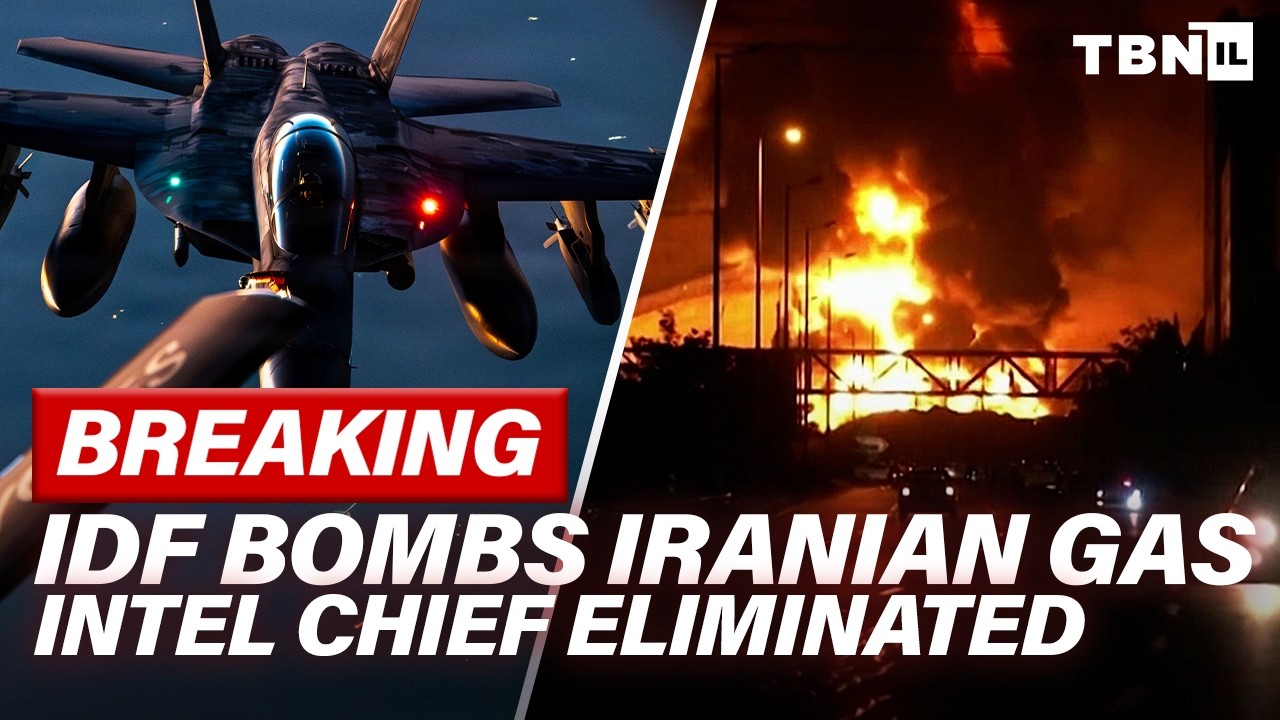
"Israel and the United States have escalated their 'Roaring Lion War' against Iran, striking its largest gas facilities, eliminating key intelligence and military figures, and disrupting missile production, while Iran threatens a broader energy war in the Gulf."
BREAKING: Israel Preemptive Strike on Iran - Explosions in Tehran LIVE! | | TBN Israel
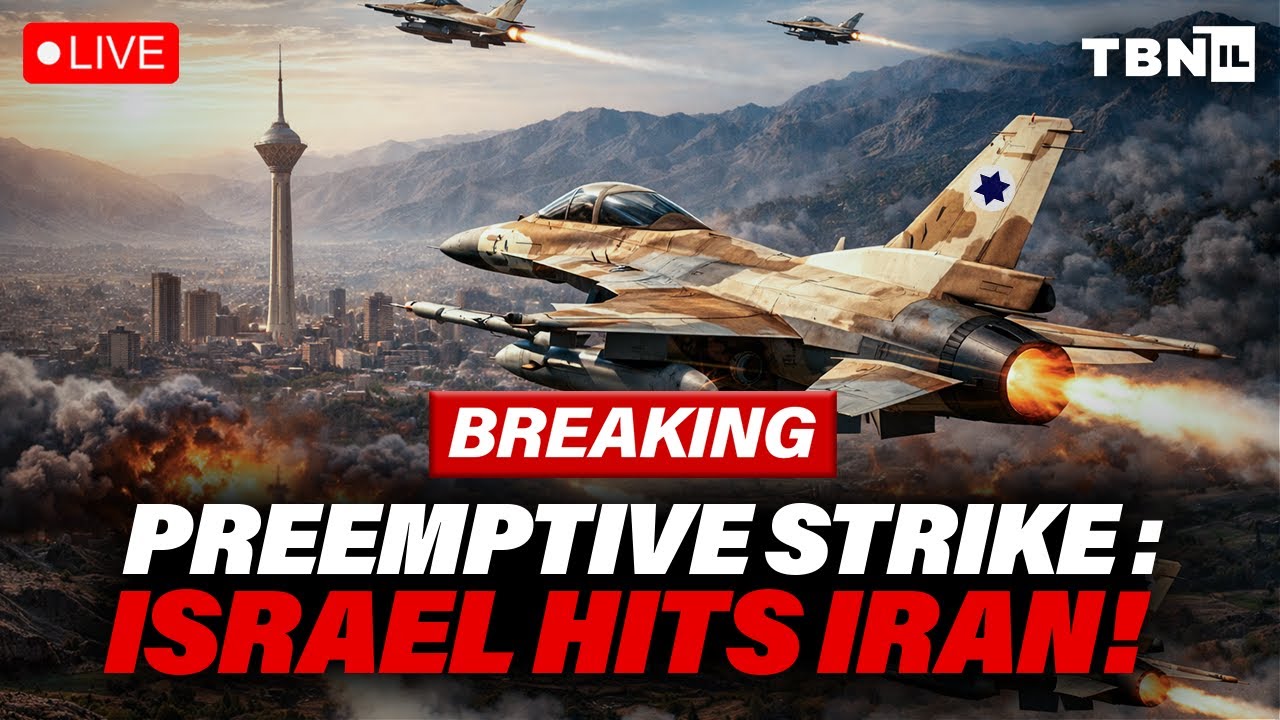
"Israel and the United States launched a coordinated preemptive strike against Iran, targeting regime and military assets, triggering immediate Iranian missile retaliation against Israel and US bases in the region."