
MARTIN (1995) 4x25, 4x26, & 4x27 Reaction! | First Time Watch | Martin Lawrence w/ Jaby Koay
YouTube · OAoTHeZZuc0
Quick Read
Summary
Takeaways
- ❖The 'Martin' episode perfectly captures the universal frustration and inefficiency of the DMV, using exaggeration for comedic effect.
- ❖Friend breakups, often driven by 'the principle' rather than the specific item, can be more emotionally impactful than romantic ones.
- ❖Lending money to friends requires clear expectations; it's often better to treat it as a gift to avoid future animosity and communication breakdowns.
- ❖Bottling up grievances in relationships can lead to explosive, disproportionate reactions over minor incidents.
- ❖Sitcom characters often lean into their established archetypes over seasons, sometimes leading to 'dumbing down' for comedic consistency.
Insights
1DMV Frustration as Universal Comedy
The hosts highlight how the 'Martin' episode effectively portrays the universal, hyperbolic frustration of dealing with the DMV. The long lines, confusing paperwork, and unhelpful staff are exaggerated for comedic effect, but resonate deeply with common experiences, making the humor widely accessible.
it perfectly captured the frustration of the DMV obviously was being hyperbolic with the stacked paperwork and whatnot... I think she was there for the whole day.
2Friend Breakups vs. Romantic Breakups
Achara expresses that friend breakups are often more upsetting than romantic ones because best friends are seen as lifelong companions. This sentiment underscores the deep emotional investment in platonic relationships and the pain of their dissolution.
I hate friend breakups to me even worse than like romantic breakups. Because if you're my best friend, I want to be best friends with you until we die.
3The 'Principle' in Friendship Conflicts
The hosts discuss how arguments between friends, like Martin and Tommy's fight over a suitcase, often escalate due to an underlying 'principle' rather than the object itself. This principle usually involves a history of perceived disrespect, unreturned favors, or a pattern of behavior that has accumulated resentment.
it's not the actual suitcase or anything. It's just the principle... It's not just that thing. You see, there's like a back catalog of things that they've lent each other... it's about I'm upset at the way you treat me.
4Lending Money: Gift or Loan?
Jaby advocates for treating money lent to friends as a gift, not a loan, to avoid emotional attachment and potential conflict. He explains that expecting repayment can lead to animosity if the friend defaults, making it cleaner to simply give the money away if one can afford it.
if someone asks to borrow money... I'm going to give you this money. You don't have to ever pay me back. Cuz if you say you're going to pay me back now, I'm going to now in my mind I'm going to hold you to that emotionally.
5The Danger of Bottling Up Grievances
Achara describes her tendency to 'bottle up' grievances until a small incident triggers an explosive, disproportionate emotional outburst. This highlights the unhealthy nature of avoiding direct communication and allowing resentment to build.
I will take all of my grievances and lock them away... Until one day out of nowhere, a small thing happens and I blow up at my friend or I blow up at my sister and they're like, 'Whoa, what happened?'
6Sitcom Characters Lean into Archetypes
The hosts observe that characters in TV shows, particularly sitcoms, tend to become more exaggerated versions of their initial archetypes over time. For example, Cole's character in 'Martin' progressively becomes 'dumber' to fit his role as the 'dumb friend.'
Has he progressively just gotten dumber? I think that's what happens. I think that I think that's what happens in TV shows. Yeah. like you just lean into the archetype of whatever that character is.
7Martin Lawrence's Comedic Consistency
Jaby notes that Martin Lawrence consistently stays within the realm of comedy, even during emotional scenes in the show. While he wished for a more serious, dramatic turn to showcase a different side of the actor, Lawrence's commitment to humor remained constant.
he stayed within the realm of comedy the entire time, even when he was getting emotional, which is fine. Um, it's it was fun and it was funny, but I I do miss the alternate universe version of this episode where we get to see him actually like go places that we haven't seen him go before.
Bottom Line
The difficulty of identifying and 'stalking' attractive extras in TV shows due to lack of credits, except in rare, fan-driven cases like 'Figwit' from Lord of the Rings.
This highlights a unique aspect of fan culture and the limitations of traditional media databases, creating a niche desire for information that is rarely met.
A fan-driven database or AI tool that could identify uncredited extras through visual recognition and cross-referencing, catering to this specific fan curiosity.
The archaic nature of government bureaucracy (like the DMV) persists not just due to funding issues but also because it 'works' just enough, and potentially benefits certain financial or employment structures.
This suggests that inefficiency can be a feature, not a bug, in entrenched systems, making modernization efforts difficult even when technology offers clear solutions.
Developing streamlined digital government services with robust security features, potentially through public-private partnerships or disruptive tech, to overcome bureaucratic inertia and improve citizen experience.
Key Concepts
The Principle of Accumulated Grievances
Minor, unaddressed annoyances or perceived slights in a relationship can accumulate over time, leading to an explosive reaction over a seemingly small, final incident. The 'principle' then becomes about the pattern of disrespect or lack of consideration, rather than the specific trigger.
The Gift vs. Loan Dilemma in Friendships
When lending money to friends, it's often emotionally healthier to frame it as a gift you don't expect back. This prevents the lender from harboring resentment if not repaid and avoids awkward confrontations, preserving the friendship over financial accountability.
Lessons
- When lending money to friends, decide upfront if it's a gift or a loan, and communicate that clearly to avoid future resentment and conflict.
- Address grievances in relationships early and directly, rather than bottling them up, to prevent minor issues from escalating into major blow-ups.
- When dealing with bureaucratic processes like the DMV, make appointments and choose less crowded locations to minimize frustration and time spent.
Notable Moments
Jaby's observation that it's impossible to 'stalk' attractive extras in TV shows because they lack credits, leading to the 'Figwit' phenomenon.
This highlights a unique aspect of fan culture and the limitations of traditional media databases, creating a niche desire for information that is rarely met.
Achara's candid admission of bottling up grievances until a small incident causes an explosive reaction, and Jaby's humorous analogy to Mount Vesuvius.
This moment provides a relatable and insightful discussion on the unhealthy patterns of avoiding direct communication in relationships and the consequences of accumulated resentment.
The hosts' discussion about the universal experience of DMV inefficiency and how 'Martin' perfectly captures its comedic potential.
It underscores the enduring power of relatable, exaggerated humor in sitcoms to connect with a broad audience over shared frustrations.
Quotes
"I hate friend breakups to me even worse than like romantic breakups."
"If you're my best friend, I want to be best friends with you until we die."
"It's not about the suitcase. It's about I'm upset at the way you treat me."
"If someone asks to borrow money... I'm going to give you this money. You don't have to ever pay me back. Cuz if you say you're going to pay me back now, I'm going to now in my mind I'm going to hold you to that emotionally."
"I'm convinced that half the reason people don't vote or don't do certain things is just because it's inconvenient."
"You know, the one thing I don't get to do that everyone else seems to get to do, which is a privilege, is they get to [complain] about their job."
Q&A
Recent Questions
Related Episodes
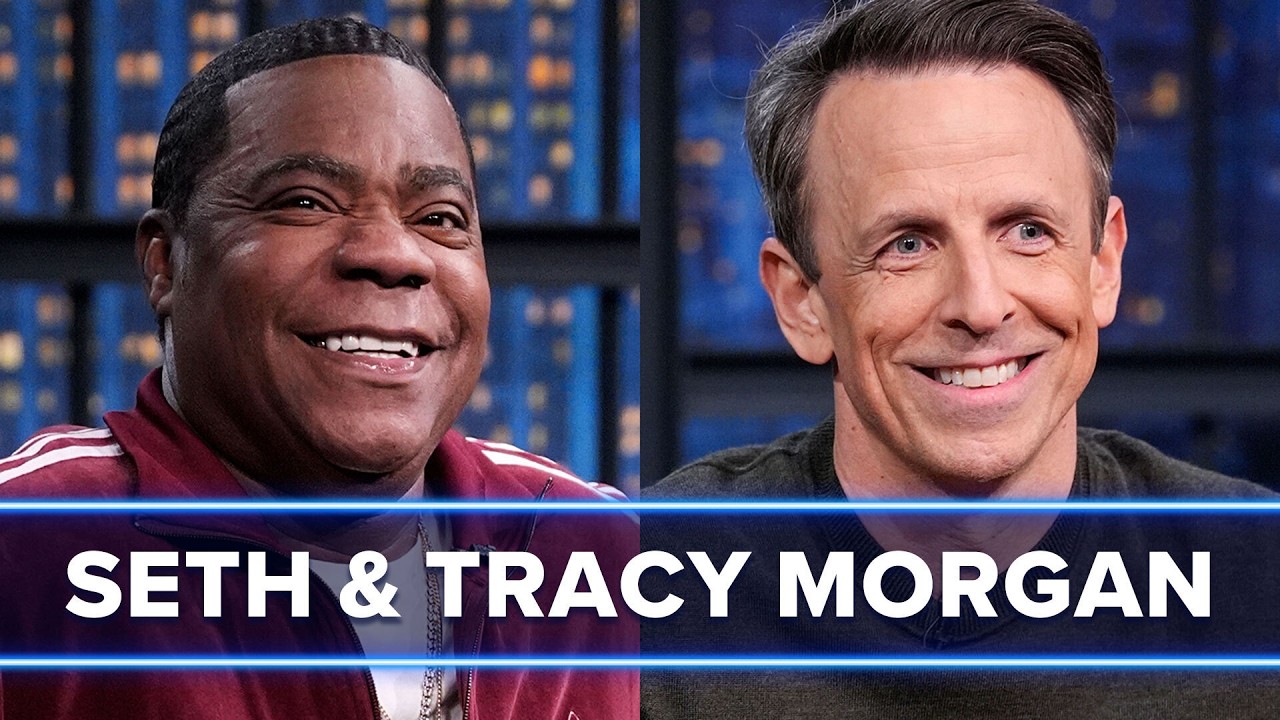
Tracy Morgan Claims He Is the King of New York and Started the Riverboat Brawl, Talks Reggie Dinkins
"Tracy Morgan delivers a masterclass in comedic chaos, claiming to be Jacques Cousteau's grandson, the 'King of New York,' and the instigator of the infamous Alabama riverboat brawl."

LIVING SINGLE (1996) 4x4, 4x5 & 4x6 REACTION! | First Time Watch | Queen Latifah
"CinePals reacts to three 'Living Single' episodes, covering Flavor magazine's corporate acquisition, Reene's controversial jury duty, Maxine's aggressive dating tactics, and Sinclair and Overton's disastrous compatibility test."

White Sox Dave Owns The WORST Rental Car In The Entire Chicagoland Area | The Yak 5-14-26
"The Yak crew hilariously dissects White Sox Dave's chaotic life, from his beat-up Turo rental car and 'Crockpot Gate' to Malisc's controversial takes and Stephen's social blunders, all while attempting to make new friends and navigating office drama."

PROJECT HAIL MARY Has One Of The Best Sci-Fi Friendships Ever! | Movie Reaction! | Ryan Gosling
"The CinePals hosts deliver a highly enthusiastic reaction to 'Project Hail Mary,' praising its innovative sci-fi narrative, compelling alien-human friendship, and Ryan Gosling's surprisingly versatile comedic and emotional performance."