
Karen Read Trial Juror Calls In - H3 After Dark #71
YouTube · OaiOIEQXWXs
Quick Read
Summary
Takeaways
- ❖The juror, Jason, served on the 8-week Karen Read retrial and does not believe she is guilty.
- ❖Critical DNA evidence (a single hair) was only linked to the victim's mother's family line and survived implausible transfers.
- ❖The house where the incident occurred was never searched by police.
- ❖A snow plow driver reported seeing a different car (Ford Edge, owned by Albert's family) at the scene, but was not interviewed for months.
- ❖Police collected crucial evidence, including blood, in red solo cups and paper bags, citing weather conditions despite a nearby police station.
- ❖A detective was seen immediately examining Karen Read's car's tail light upon its arrival at the sally port, shortly before a piece of tail light was 'found' at the crime scene.
- ❖Prosecution allegedly presented a mirrored video to the jury, attempting to mislead them about a person's actions near the car's tail light.
- ❖Police officers involved, including Brian Higgins, destroyed their phones the day before they were legally ordered to preserve them.
- ❖The juror's experience has made him question the integrity of evidence collection and potential cover-ups in all legal cases.
- ❖Karen Read's new lawsuit against the Mass State Police and Canton Police is seen as a positive step, though the juror is skeptical of its ultimate impact.
Insights
1Questionable DNA Evidence and Handling
The prosecution's DNA evidence was a single, tiny hair found on Karen Read's car bumper. This hair was only traceable to the victim's mother's family line, meaning it could belong to the victim, his nephews, or other relatives. The juror highlighted the implausibility of this hair surviving multiple transfers (from the incident site to John's house, then to Dayton, then to the police department) without being dislodged, suggesting it could have been old or planted.
Jason, the juror, described the DNA as 'the smallest piece of hair' and noted its questionable origin and survival through multiple transfers.
2Police Mishandling of Crime Scene and Evidence
The police investigation was severely flawed. The victim's home was never searched. A snow plow driver, who saw a different vehicle (a Ford Edge belonging to the Albert family) at the scene, was not interviewed for months. Crucially, evidence like blood was collected in makeshift containers like red solo cups and paper bags, with the police officer responsible expressing 'pride' in this method during testimony, despite a nearby police station and no immediate threat to evidence integrity from weather.
Jason stated, 'They didn't search the home ever at any point.' He also detailed the snow plow driver's delayed interview and the collection of evidence in 'red solo cups' and paper bags, which the collecting officer was 'proud of'.
3Alleged Video and Tail Light Manipulation
The juror recounted instances of alleged evidence manipulation. A video presented by the prosecution was mirrored, making it appear as if someone approached the opposite tail light of Karen Read's vehicle. The defense successfully exposed this manipulation. Furthermore, a Dighton police officer testified that the car's tail light was not as damaged when seized as it appeared in court, and ring camera footage showed the tail light was lit up, contradicting the idea it was severely smashed at the time of the incident.
Jason described how 'they showed it to us and they tried to pretend like it wasn't flipped' regarding a video, and the Dighton police officer's testimony about the tail light's condition upon seizure versus its appearance in court.
4Suspicious Destruction of Police Phones
Several police officers involved in the case, including Brian Higgins, destroyed their cell phones the day before a judge ordered them to preserve all evidence. This timing raised significant suspicions, as the officers were aware of the rules regarding evidence preservation. Their defense that they had a 'right' to destroy their phones was seen as highly convenient.
Jason confirmed that officers 'were told like don't destroy your phones' but did so 'the day before' the order, and Brian Higgins claimed it was 'his right'.
Lessons
- Approach legal proceedings and media coverage of trials with skepticism, especially regarding evidence handling and police conduct, as manipulation can occur.
- Advocate for greater accountability and transparency in police investigations, pushing for independent oversight and stricter protocols for evidence collection and preservation.
- Support legal aid and public defenders, recognizing that high-profile cases often benefit from dedicated legal teams that can expose investigative flaws, a luxury not afforded to all defendants.
Quotes
"And the cop who did it, he was he he was one of the witnesses that was uh and he was kind of like proud of it that he put it in the cups and it was like, 'Dude, you look like a [__] right now.'"
"They really can manipulate whatever they want. They're the the only people there."
"Don't look at it like it's a chore because that's what I was told the whole time. Oh, it's it's not good. It's not this. It was an amazing experience. It was really cool to watch the court system work."
Q&A
Recent Questions
Related Episodes

Nancy Guthrie Investigation Mess, Shock Lawsuit Against "The Tell" Author, Kouri Richins Bombshells
"Megyn Kelly and her legal panel dissect a bombshell lawsuit against author Amy Griffin for allegedly stealing a sexual assault story, the ongoing Kouri Richins murder trial involving fentanyl poisoning, and a harrowing IVF clinic mix-up where parents received the wrong baby."
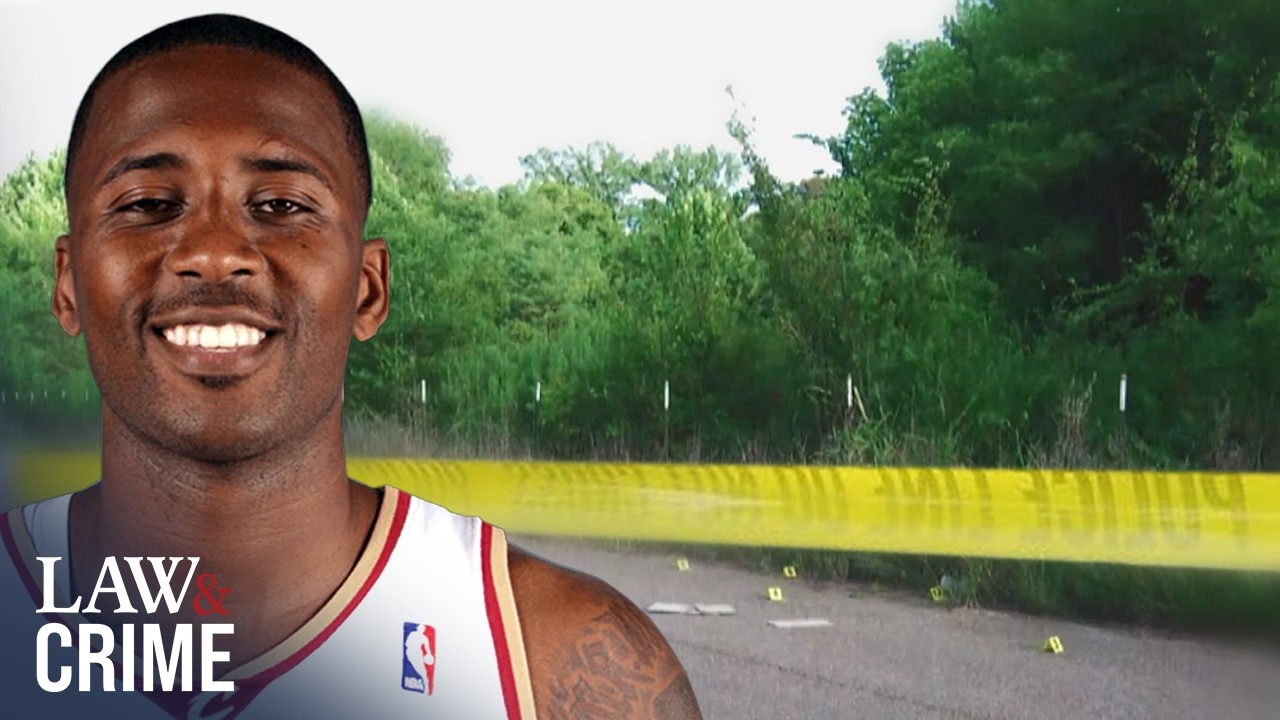
Killer Cases: NBA Star Lured to Execution In Rural Tennessee
"The decade-long cold case of NBA star Lorenzen Wright's murder was cracked through a persistent mother, a jailed informant, and a covert police operation that recovered the murder weapon from a lake and exposed a conspiracy driven by greed."

TEEN'S DNA REVEALED IN ANNA KEPNER'S R*** KIT
"The investigation into Anna Keaptainner's death on a cruise ship reveals shocking DNA evidence, a previously unknown male minor, and critical questions about evidence handling and family dynamics."

M&M's Employee Steals $26 MILLION (How He Did It)
"This episode details a series of white-collar crimes, from an M&M's sugar expert embezzling $26 million to a fake immigration attorney scamming undocumented immigrants, highlighting vulnerabilities in various systems and the surprising leniency of some sentences."