Not On Our Watch: A National Town Hall On Press Freedom
YouTube · OpqX0GfFcz4
Quick Read
Summary
Takeaways
- ❖The arrests of Don Lemon and Georgia Fort for covering protests represent a dangerous escalation in the criminalization of journalism by the Trump administration.
- ❖Independent journalists and journalists of color are disproportionately targeted and face significant legal and physical risks without the backing of large media institutions.
- ❖Press freedom is foundational to democracy; its erosion in the U.S. sends a dangerous signal globally and deprives the public of essential, on-the-ground reporting.
- ❖Journalism organizations are mobilizing to provide legal defense, safety training, and resources, but a collective, sustained effort from the public and institutions is critical.
- ❖The 'chilling effect' of these arrests deters journalists from covering sensitive stories, especially protests, leading to less transparency and accountability.
- ❖The definition of a 'journalist' is evolving, with many independent creators now on the front lines, necessitating expanded support beyond traditional newsrooms.
- ❖Historical context shows Black journalists have long faced threats while covering democracy under duress, highlighting a persistent pattern of vulnerability.
- ❖The financialization and consolidation of news organizations often prioritize profit over journalistic integrity and journalist protection, exacerbating risks for reporters.
Insights
1Escalating Threats and Criminalization of Journalism
The Trump administration's Department of Justice has aggressively targeted media, leading to arrests of journalists like Don Lemon and Georgia Fort for covering protests. This marks a dangerous escalation where reporting is reframed as criminal conspiracy, with serious implications for all journalists, particularly independent and Black journalists.
Roland Martin states the administration has been 'targeting media not just in the streets but also in the White House.' Aaron Haynes notes 'arrests and intimidation and retaliation and criminalization of coverage are no longer theoretical risks.' Caroline Hendry (SPJ) highlights that 'arresting journalists under civil rights, conspiracy, and interference statutes for covering a protest represents a very dangerous escalation.'
2Vulnerability of Independent and Black Journalists
Independent journalists and journalists of color face disproportionately higher risks and fewer resources when covering civil unrest. They often lack the legal and financial backing of major news organizations, making them more susceptible to the chilling effects of arrests and lawsuits.
Sheree Curry (NABJ Minnesota) explains that arrests affect journalists of color 'very personally' and that independent journalists lack the 'same resources behind them as those who work for media outlets.' Roland Martin emphasizes that 'a lot of independent journalists, small journalists, black own media, they don't have' the legal and insurance protections of major companies.
3Press Freedom as Democratic Infrastructure and Global Norm
Press freedom is not merely a professional perk but a fundamental component of democratic infrastructure. The U.S.'s actions in prosecuting journalists set a dangerous global precedent, signaling to authoritarian regimes that such behavior is acceptable and undermining international advocacy for imprisoned journalists.
Aaron Haynes states, 'press freedom is not just a professional perk. It is democratic infrastructure.' Katherine Jacobson (CPJ) notes, 'US actions shape global norms. When American authorities prosecute journalists for covering protests, it sends a message to governments everywhere that this behavior is acceptable.'
4Practical Safety and Legal Resources are Crucial
Journalists on the ground, especially those covering protests, now require protective gear (goggles, gas masks, ballistic vests), legal assistance, and mental health support. Organizations are stepping up to provide these, but awareness and accessibility remain challenges.
Sheree Curry mentions requests for 'protective gear... goggles and gas masks... a bulletproof vest.' Elise Lee Munoz (IWMF) stresses 'free resources out there for them to tap, including safety consultations, including legal support, including trauma support.' John Schloo (NewsGuild-CWA) advocates for 'protective equipment' and the 'right to be able to refuse an unsafe request.'
5The Evolving Definition of a Journalist and Public Role
The rise of social media and independent content creators has democratized news dissemination, blurring the lines of who is considered a journalist. This shift means a broader range of individuals are now on the front lines of reporting, necessitating expanded support and recognition of their First Amendment rights.
Trevor Tim (Freedom of the Press Foundation) notes the internet 'has democratized the ability of people to broadcast news whether they are a full-time professional journalist or not.' Nicole Carr (Morehouse College) highlights the impact of 'Darnella Frasier' and her Pulitzer citation, emphasizing that 'a threat to one of us documenting bearing witness is a threat to everyone.'
Bottom Line
The current administration's approach to media, characterized by 'cruelty is the point' and 'chaos is the point,' mirrors tactics of authoritarian regimes, leading to international parallels being drawn with dictatorships.
This suggests a deliberate strategy to instill fear and control narratives, moving beyond traditional political animosity towards a more systemic undermining of democratic institutions. It requires a fundamental shift in how journalists and the public perceive and respond to these threats.
Journalism can leverage this stark contrast to highlight the value of a free press by rigorously exposing the 'cruelty' and 'chaos,' drawing clear lines for the public between democratic values and authoritarian tactics, thereby galvanizing broader public support.
The U.S. is experiencing a 'democratic backsliding' and a 'failure of imagination' among its citizens, who previously believed institutions would hold and violence seen overseas would not 'come home.'
This complacency has left the U.S. vulnerable to tactics that have dismantled media freedom in other nations. The current situation demands a re-evaluation of perceived safety and a proactive stance against threats previously dismissed as foreign phenomena.
Journalism and advocacy groups can educate the public by drawing explicit comparisons to historical and international examples, fostering a renewed sense of urgency and collective responsibility to protect foundational rights, rather than assuming their permanence.
Opportunities
Collective Legal Defense Fund for Independent Journalists
Establish a centralized, collective fund that independent journalists can 'buy into' or access for legal assistance when facing lawsuits or arrests, providing a critical safety net that individual freelancers currently lack.
Comprehensive Journalist Safety Training Programs
Develop and widely disseminate free or low-cost safety training programs for journalists, covering physical protection (e.g., gas masks, ballistic vests), digital security (e.g., doxing prevention), and psychological trauma support, specifically tailored for covering civil unrest and hostile environments.
Non-Profit Newsroom Support Network
Expand support for non-profit newsrooms, which are increasingly filling gaps in local accountability journalism. This includes fundraising, audience development, and connecting them with legal and safety resources, ensuring they can continue critical reporting without being solely driven by commercial pressures.
Key Concepts
Democratic Infrastructure
Press freedom is not merely a professional perk but a fundamental component of democratic governance. When press freedom is weakened, the entire democratic system is placed at risk because the public's ability to be informed and hold power accountable is compromised.
Chilling Effect
The arrests, intimidation, and legal threats against journalists create a 'chilling effect,' discouraging reporters from covering sensitive or dangerous stories, particularly protests. This self-censorship ultimately reduces transparency and limits the public's access to critical information.
Authoritarian Creep
The gradual erosion of press freedom and democratic norms, often starting with attacks on journalists, is a warning sign observed in countries transitioning towards authoritarianism. This 'slow then fast' process can lead to significant societal changes before the public fully recognizes the severity of the situation.
Lessons
- Support black journalists publicly by following their work, sharing it responsibly, and pushing back against challenges to their credibility or presence.
- Invest in organizations like NABJ, black-led newsrooms, and groups providing legal, safety, and professional resources for journalists.
- Refuse silence: if you lead a newsroom, classroom, foundation, or community organization, assess and address gaps in policies and protections for targeted journalists.
- For journalists: develop a personal safety plan, acquire protective gear, understand your legal rights (and their limitations), and connect with legal and trauma support hotlines and organizations.
- For the public: recognize that attacks on press freedom are attacks on your right to know; stand in solidarity with journalists and demand accountability from authorities.
- For educators: integrate training on safety, risk assessment, and legal rights into journalism curricula, preparing students for the realities of reporting in hostile environments.
Notable Moments
The arrest of journalists Don Lemon and Georgia Fort in Minneapolis by the Trump administration's Department of Justice, which served as the catalyst for the town hall discussion.
This event highlighted a significant escalation in the targeting and criminalization of journalists, particularly independent and Black reporters, for covering protests, raising urgent concerns about press freedom.
Jerome Richardson, a college senior and student journalist who assisted Don Lemon, was targeted and arrested by the Department of Justice, sharing his plea for legal and emotional support.
This case underscores the chilling effect on young, aspiring journalists and students who might be deterred from covering critical events due to fear of legal repercussions and personal targeting, even when assisting established journalists.
The discussion of the 'failure of imagination' in the U.S. regarding democratic backsliding and the belief that violence against journalists seen overseas would not 'come home.'
This moment highlights a critical self-reflection on American exceptionalism, recognizing that the U.S. is not immune to authoritarian tactics and that complacency has contributed to the current threats to press freedom.
Quotes
"Press freedom is not just a professional perk. It is democratic infrastructure. And when it is weakened, democracy itself is placed at risk."
"If proximity to a protest, advance awareness of a protest or real time reporting, live streaming something can be reframed as criminal conspiracy. That's very dangerous to our first amendment rights and our press freedom."
"In the US, covering a protest is probably one of the most dangerous things a reporter can do."
"It's the first time that a person's immigration status has been included in our analysis of risk of a journalist. I mean, imagine where we've come."
"The way the press is treated is frequently an indicator of a healthy democracy. In the United States, the free press is imperiled and democratic norms are eroding."
"I always maintain that if we as a collective... had stood up for the April Ryans, the Way Jenangs, the the Jim Aostas as a collective... and not accepted that from this man and this administration... perhaps we wouldn't be where we are now. We have largely fed this beast."
"Cruelty is the point. Chaos is the point. It's part of the system."
Q&A
Recent Questions
Related Episodes
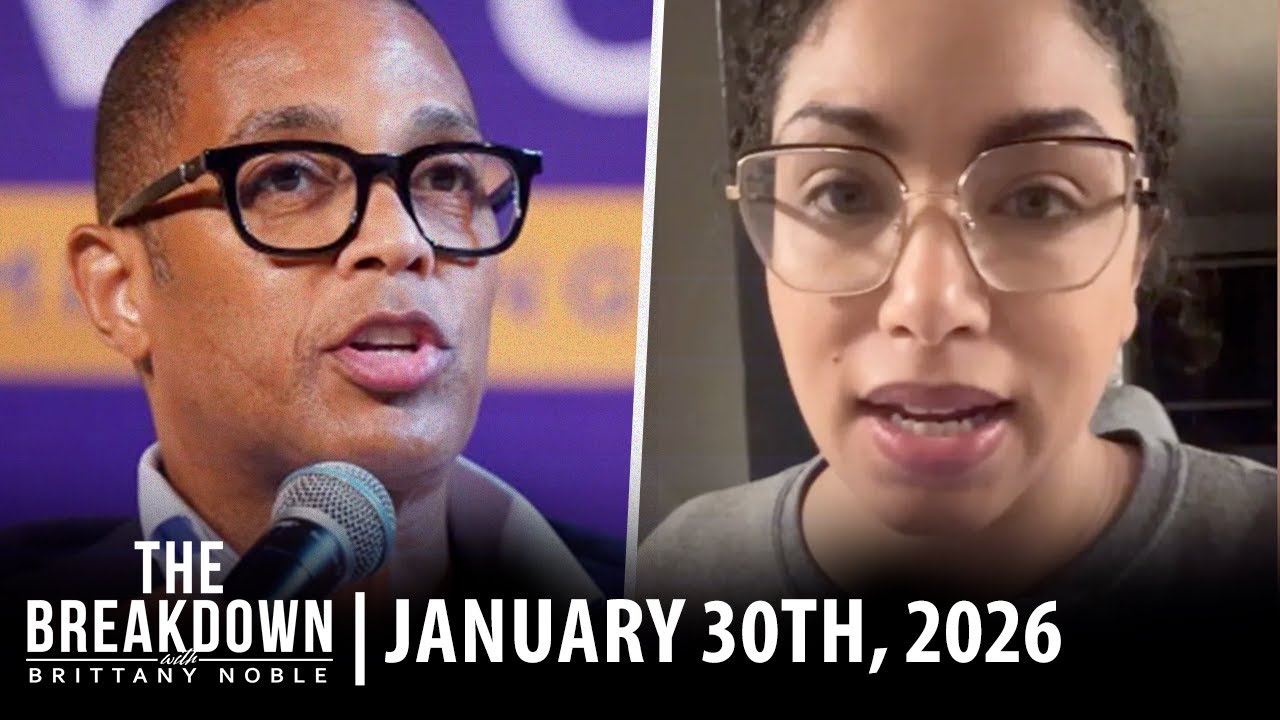
rump’s DOJ arrests journalists Don Lemon, Georgia Fort
"Federal agents arrested prominent journalists Don Lemon and Georgia Fort for covering a church protest, sparking widespread condemnation and raising critical questions about First Amendment rights and the weaponization of the Justice Department."
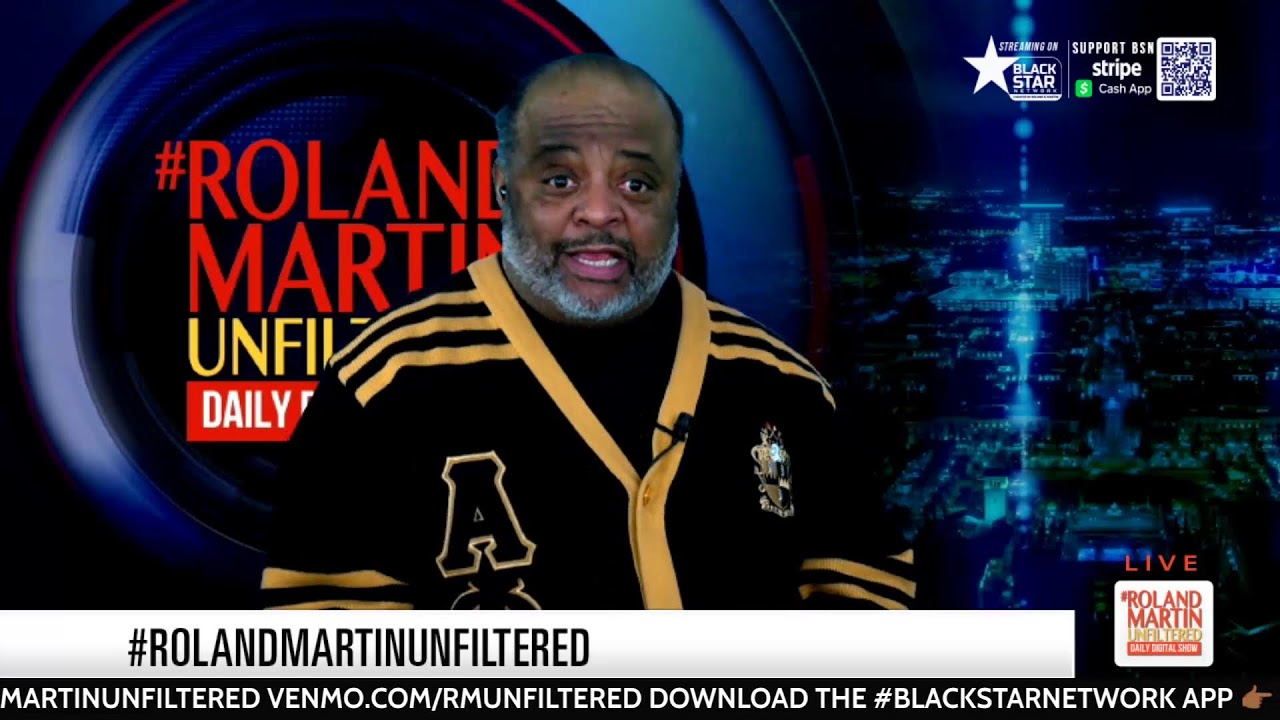
Don Lemon, Georgia Fort Arrested Over Church Protest. Press Freedom on the Line Under Trump.
"The Trump administration's arrest of journalists Don Lemon and Georgia Fort for covering a church protest is framed as a direct assault on press freedom and a calculated distraction from the release of damaging Epstein files."

CNN And Liberal Media LOSE THEIR MINDS Over Don Lemon Arrest As DEVASTATING INDICTMENT GETS UNSEALED
"The host dissects the Don Lemon indictment, arguing it proves Lemon was an active co-conspirator in a church protest, not a passive journalist, and predicts his conviction despite 'liberal media' claims of racism and press freedom violations."
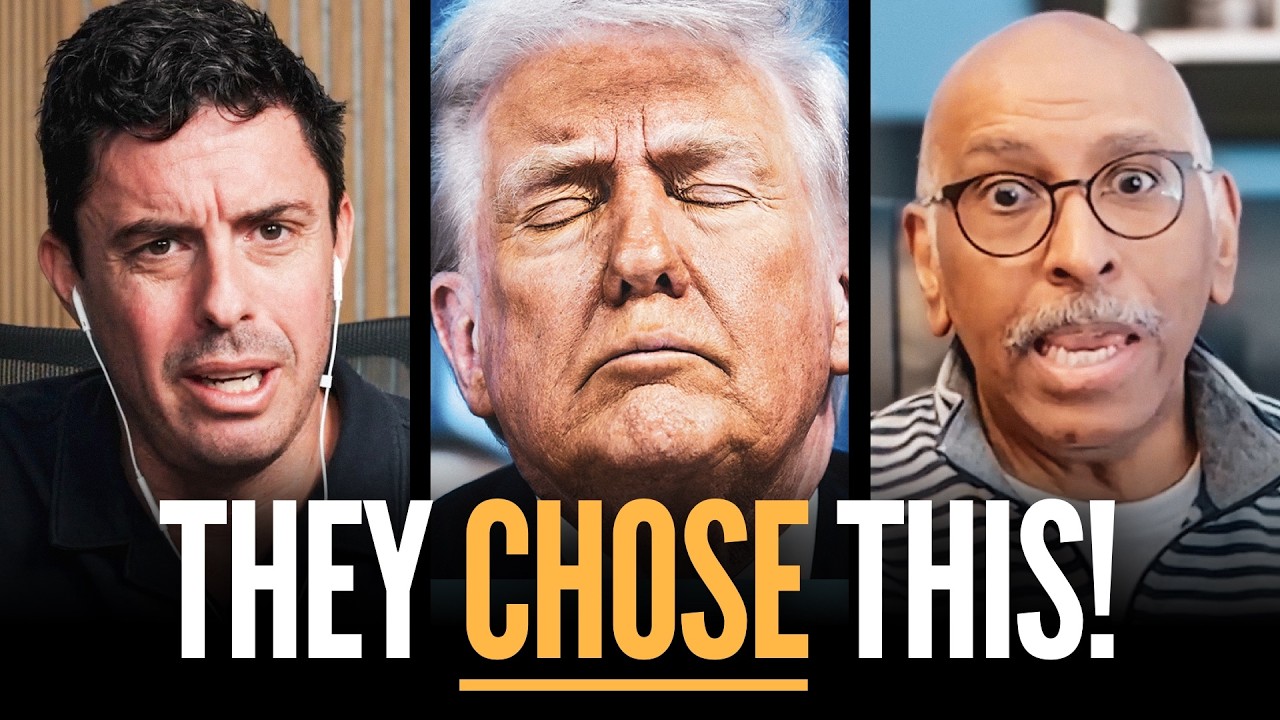
Republicans Own What Happens Next (w/ Michael Steele) | The Bulwark Podcast
"Michael Steele and Tim Miller dissect the current political landscape, arguing that the Republican Party's unwavering allegiance to Donald Trump has led to a cascade of government overreach, financial corruption, and a direct assault on constitutional liberties, making them fully accountable for the nation's chaotic state."