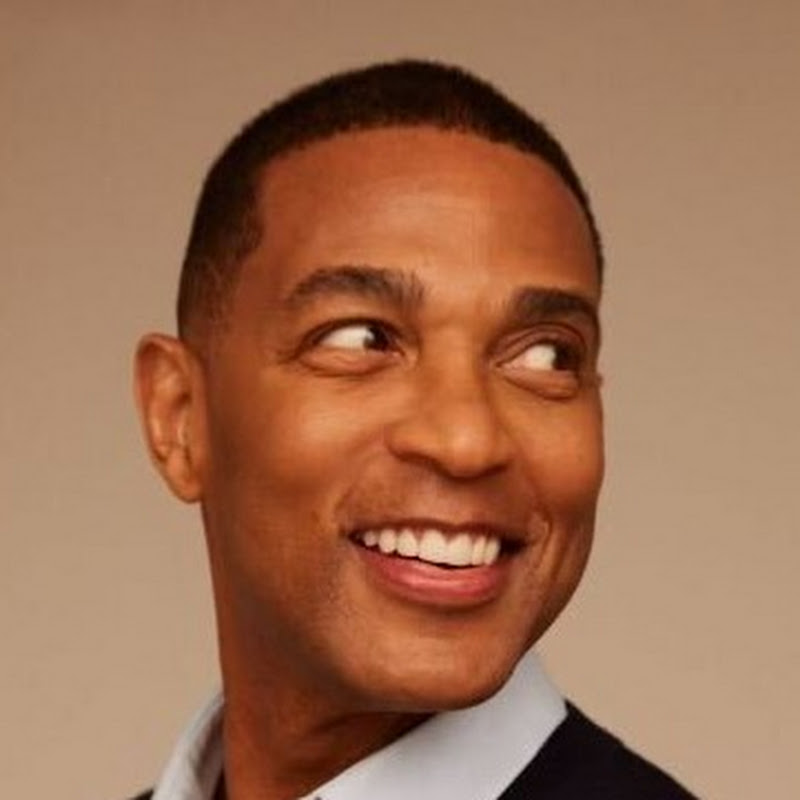
HOT TOPICS | Is America Losing The War With Iran?!
YouTube · Pfmxjjbza70
Quick Read
Summary
Takeaways
- ❖The US is losing the war with Iran, evidenced by rising oil prices and disrupted shipping in the Strait of Hormuz.
- ❖Iran's pain tolerance is higher than America's, and they are seeking to draw the US into a costly ground war.
- ❖The 'short-term pain for long-term gain' narrative used by the Trump administration is a recurring, failed excuse for negative economic impacts.
- ❖A US Tomahawk missile strike mistakenly hit an Iranian elementary school, killing 175, but the Trump administration falsely blamed Iran.
- ❖Some Republican voters are expressing regret over their support for Trump due to rising gas prices and economic strain.
- ❖The host suggests US foreign policy, particularly regarding Iran, is being influenced by Israel's agenda.
- ❖Don Lemon criticizes the competence and honesty of Trump administration officials and advisers.
Insights
1US Losing War with Iran, Economic Impact Evident
Don Lemon argues that the United States is losing the war with Iran, citing the indefinite rise in oil prices and the striking of three oil vessels near the Strait of Hormuz. He notes that none of the damaged ships were American, but the incident makes shipping companies hesitant to use the critical choke point, causing economic damage regardless of direct US involvement.
Overnight, three oil vessels were struck near the Strait of Hormuz; the most severely damaged was owned by Thailand, with three crew members missing. Two others, owned by Japan and Marshall Islands, sustained minor damage. This follows Iran laying sea mines in the Strait.
2Iran's Strategy: Force a Ground War
Lemon asserts that Iran's pain tolerance is significantly higher than America's, and their primary objective is to draw the US into a ground war. He dismisses US military 'bluster' as propaganda, stating that a ground war is where Iran believes it can inflict the most American casualties and achieve victory.
Iran is waiting on a ground war. That's what they want. So, do not be fooled about we've got this and all this bluster... Iran is trying to do is force us into a ground war because that's where they will win.
3Trump Administration's 'Short-Term Pain' Narrative is Flawed
The host criticizes the Trump administration's repeated use of 'short-term pain for long-term gain' to justify policies like tariffs and the Iran conflict. He argues this narrative has consistently failed, leading to increased costs for basic goods, cars, homes, and healthcare, disproportionately affecting working-class Americans.
How often have we heard that from this administration? We heard that with tariffs. And guess what? The tariffs are killing us, meaning killing our economy... Try buying a car now. Try buying a home now. Try buying basic goods.
4US Military Mistakenly Struck Iranian School, Not Iran
A preliminary military investigation determined that the United States was responsible for a deadly Tomahawk missile strike on an Iranian elementary school, which resulted from outdated targeting data. Despite this, President Trump publicly asserted that Iran was to blame.
An ongoing military investigation is determined that the United States is responsible for a deadly tomahawk missile strike on an Iranian elementary school... The February 28th strike on the Shajara Taybe Elementary School building was the result of a targeting mistake by the US military...
5Israel's Influence on US Foreign Policy
Senator Chris Murphy suggests that Israel, specifically Benjamin Netanyahu, may have convinced Trump to engage in the war with Iran by instilling fear about US assets being at risk. This implies that US foreign policy decisions are being dictated by an ally's agenda, potentially against US national security interests.
Israel made us do it. That BB decided on this timeline. Netanyahu decided he wanted to attack and he convinced Trump to join him by scaring Trump into believing that US assets in the region would be at risk...
Bottom Line
The perceived incompetence and misinformation from the Trump administration, particularly regarding the Iran conflict, is causing a segment of his base to question their support due to direct economic impacts like rising gas prices.
This suggests a potential shift in voter sentiment among Trump's core supporters, driven by tangible economic hardship rather than ideological alignment, which could have significant electoral consequences.
Political campaigns could effectively target these disillusioned voters by focusing on economic relief and transparent foreign policy, contrasting with the current administration's perceived failures and dishonesty.
The host argues that a post-Trump era will require a 'period of reconstruction' to address broken norms, laws, and a decline in civic understanding, emphasizing the need for better education in civics and constitutional principles.
This highlights a perceived long-term threat to democratic institutions and societal cohesion beyond immediate political outcomes, suggesting that electoral change alone may not be sufficient to heal national divisions.
Advocacy groups and educational initiatives could focus on revitalizing civics education, promoting constitutional literacy, and fostering a culture of informed engagement to rebuild trust and strengthen democratic foundations.
Key Concepts
Pain Tolerance Disparity
The concept that one party in a conflict (Iran) has a significantly higher capacity to endure hardship and losses than the other (US), allowing them to outlast or strategically manipulate the conflict dynamics.
Short-Term Pain for Long-Term Gain (Critique)
A political justification for immediate negative consequences of policy decisions, framed as necessary for future benefits. The host critiques this as a recurring, unfulfilled promise used to excuse failed policies like tariffs and military actions.
Lessons
- Stay informed by seeking out diverse news sources beyond mainstream or corporate media to understand complex geopolitical situations like the US-Iran conflict.
- Engage in political action, such as canvassing neighborhoods and ensuring people have necessary documents to vote, to influence electoral outcomes and support leaders who prioritize transparency and economic stability.
- Critically evaluate political rhetoric, especially phrases like 'short-term pain for long-term gain,' by examining past outcomes and considering the real-world economic impacts on everyday citizens.
Notable Moments
Don Lemon shares a viral video of a person finding a wallet containing a 'white privilege card' and asks the audience what they would do, using it as an icebreaker before discussing serious topics.
This moment serves as a lighthearted, yet pointed, commentary on social issues and privilege, engaging the audience with a 'what would you do' scenario that indirectly sets the stage for discussions on political and economic disparities.
Interviews with Trump voters in Florida reveal their frustration with rising gas prices and the ongoing war in Iran, with some expressing regret for their vote and a desire for the conflict to end quickly.
This provides direct evidence of the economic impact of current policies on a key demographic, challenging the narrative that Trump's base is immune to the negative consequences of his administration's actions and highlighting a potential shift in voter sentiment.
Don Lemon plays a clip of Joe Rogan expressing confusion and betrayal over the US engaging in another war, contrasting it with Trump's 'no more wars' campaign promise.
This highlights a growing disillusionment among some right-leaning commentators and their audiences, indicating that even those who previously supported Trump are questioning the rationale behind the current conflict and its alignment with his stated principles.
Quotes
"If they can't keep it open, uh, this war will in fact be an American defeat before very long because the entire world, including the American people, will react to the price of oil if the straight stays closed very long."
"Iran is waiting on a ground war. That's what they want. So, do not be fooled about we've got this and all this bluster that comes out every day and mine's bigger than yours and I can blast further and we've done this. That's all propaganda."
"I missed my uncle Joe. I was a nobody and I was balling then. Now I couldn't even tell you. I couldn't even uh show you $5 in my pocket."
"The constitution says congress has the power to declare war. But the issue is whether or not a president who deploys military force abroad needs to do so only after having Congress declare war."
"I mean the simplest explanation, you know, might be the one that they gave 24 hours in that they've kind of tried to backtrack since since then, which is that Israel made us do it."
Q&A
Recent Questions
Related Episodes

Patrick Henningsen: Hezbollah JUST Fired Back at Israel - Iran Vows to “Crush” All Attacks
"Patrick Henningsen argues that the US and Israel initiated an illegal war against Iran, driven by Trump's incompetence and Israeli influence, leading to an inevitable escalation with severe global economic repercussions."
BREAKING: U.S. Weighs INVADING Iran Oil Island; Gulf Energy Crisis Grows | TBN Israel
"As the US and Israel systematically dismantle Iran's military and leadership, the conflict escalates into an energy war, with the US considering ground invasion of Iran's critical Karag oil island to secure global oil routes."

Trump Dirt REVEALED: Iran, Zohran, Pardons, Deportations
"Journalists Maggie Haberman and Jonathan Swan reveal how Donald Trump operates in his second term, detailing his inner circle, policy priorities, and the surprising checks on his executive power."
BREAKING: Protests ERUPT In Iran Over IRGC Surrendering To Trump - Infighting Clashes In Tehran
"Iran is experiencing severe internal infighting and protests as hardline IRGC elements clash with government figures over a perceived 'surrender' to the US, while mainstream Western media misrepresents the situation."