BREAKING: USS Lincoln NEARS Iran; Hezbollah Warns “All-Out War” | TBN Israel
YouTube · Rc0SEHD_7Uc
Quick Read
Summary
Takeaways
- ❖Hezbollah and Houthi brigades in Iraq issued direct threats of 'all-out war' against Israel if the US attacks Iran.
- ❖The IDF conducted 15 strikes against Hezbollah military infrastructure and weapon caches in southern Lebanon.
- ❖The last fallen Israeli hostage, Ran Gavli, was identified and returned from Gaza after 844 days, marking a significant moment of national closure.
- ❖The US is reportedly weighing a 'decisive outcome' against Iran, with Israel maintaining tactical silence and coordinating closely.
- ❖Iran operates a 'two rings of fire' strategy: proxies around Israel (Lebanon, Gaza, Yemen, Syria, Jordan) and terror/financing networks targeting the US (South/Central America, Panama, Venezuela).
- ❖IDF is exercising for 'nightmare scenarios,' including Houthi infiltration via the Jordanian border and October 7th-model attacks in Judea and Samaria.
- ❖Iran has raised alert levels, moved military equipment (reportedly from China), and used propaganda to project strength and intimidation.
Insights
1Iran's 'Two Rings of Fire' Strategy
Iran has established two distinct but interconnected 'rings of fire' to project influence and threaten adversaries. The first ring encircles Israel through proxies in Lebanon (Hezbollah), Gaza, Yemen (Houthis), Jordan, and Syria. The second ring targets the United States via South and Central American networks, including Venezuela and Nicaragua, leveraging terror and financing operations linked to crime and smuggling.
A Hezbollah operative reportedly oversaw the Panama Canal and documented vulnerabilities, while another collected intelligence on JFK airport and New York enforcement facilities. Approximately 400 Hezbollah field commanders and their families relocated to South America after a Lebanon ceasefire. Iranian drone production facilities are claimed to exist 1,500 miles from Miami.
2Regional Proxy Threats Amidst US-Iran Tensions
As the US considers military action against Iran, key Iranian proxies have issued explicit warnings of regional escalation. Hezbollah's Secretary General called for 'all-out war,' and Houthi brigades in Iraq threatened a direct conflict, emphasizing support for Iran's right to self-defense and readiness for a comprehensive regional confrontation.
Hezbollah Secretary General called for 'all-out war' (). Houthi proxy published a threatening video () and stated any American aggression would 'ignite the entire region' (). Katibbalah in Iraq published a proclamation calling for 'all-out war' to support Iran ().
3IDF Preemptive Strikes and Preparedness for Multi-Front Conflict
The IDF is actively engaging Hezbollah infrastructure in southern Lebanon to prevent the organization from rebuilding capabilities and is simultaneously preparing for complex, multi-arena 'nightmare scenarios.' These include potential ground infiltrations by Houthi operatives via the Jordanian border and coordinated attacks mirroring the October 7th model in Judea and Samaria.
The IDF struck Hezbollah infrastructure in southern Lebanon, including a structure used by Radwan forces (, ). They eliminated Mahmud El Kassani, a Hezbollah artillery responsible, and Jawad Basma, who operated a weapons manufacturing site (, ). An exercise is testing readiness for extreme scenarios, including terror cell infiltration through the Jordanian border () and copying the October 7th model in Judea and Samaria ().
4National Closure with Return of Last Fallen Hostage
Israel achieved a significant moment of national closure with the identification and return of the remains of the last fallen hostage, Ran Gavli, from Gaza. This event, after 844 days, means there are no more Israeli hostages or remains held in Gaza for the first time since 2014.
The IDF announced the identification and return of Ran Gavli, a fallen soldier from Kibbutz Menorah, who was kidnapped on October 7th (, ). He was held captive for 844 days, and his return signifies 'zero hostages inside Gaza' (, ).
Bottom Line
Iran's global terror network extends beyond the Middle East, actively collecting intelligence and establishing infrastructure in Latin America, posing a direct threat to US national security and critical infrastructure like the Panama Canal and major airports.
This implies that a US-Iran conflict could have immediate and tangible impacts far from the Middle East, potentially disrupting global trade routes and domestic security within the United States, necessitating a broader defensive strategy.
Enhanced intelligence sharing and coordinated counter-terrorism efforts with Latin American nations are critical to dismantle these networks before they can be activated in a broader conflict.
The IDF is actively preparing for a 'nightmare scenario' involving Houthi infiltration through the Jordanian border and October 7th-style attacks in Judea and Samaria, indicating a perceived vulnerability in these less-expected fronts.
This suggests that Israel anticipates Iran's proxies will seek to open new, unconventional fronts to maximize pressure, potentially exploiting porous borders or internal unrest, rather than solely relying on traditional rocket fire from Lebanon or Gaza.
Investing in advanced border security technologies and intelligence gathering along the Jordanian border, alongside community defense reinforcement in Judea and Samaria, could mitigate these emerging threats.
Lessons
- Understand the interconnectedness of regional conflicts by tracking Iranian proxy activities in Lebanon, Yemen, and Iraq, as these groups are poised to react to any US action against Iran.
- Monitor US diplomatic and military statements regarding Iran, as the timing and nature of any American decision will significantly impact regional stability and potential escalation.
- Recognize the broader scope of Iranian influence, including its networks in South and Central America, and consider the implications for global security and critical infrastructure beyond the Middle East.
Notable Moments
The identification and return of the last fallen Israeli hostage, Ran Gavli, from Gaza, marking the first time since 2014 that no Israeli hostages or remains are held in the Gaza Strip.
This event provides a profound sense of national closure for Israel and its citizens, fulfilling a core principle of 'leaving no one behind,' whether alive or fallen. It also shifts the focus from hostage recovery to the broader geopolitical confrontation.
Quotes
"Any American aggression against Iran will ignite the entire region."
"We leave no one behind, not alive and not fallen."
Q&A
Recent Questions
Related Episodes

BREAKING: Iran Nuclear Stockpile DISAPPEARS; Hezbollah Strikes Troops, REJECTS Ceasefire| TBN Israel
"Iran's nuclear material status is uncertain post-strikes, its economy is collapsing under sanctions, and Hezbollah rejects a ceasefire, while the US and Israel pursue differing strategic goals in the region."

BREAKING: U.S. SINKS Iranian Boats; Iran Talks Stall; Israel Hits Beirut | TBN Israel
"The U.S. and Israel escalate military actions against Iran and its proxies, while diplomatic talks stall over Iran's nuclear program, Strait of Hormuz fees, and the future of Hezbollah."
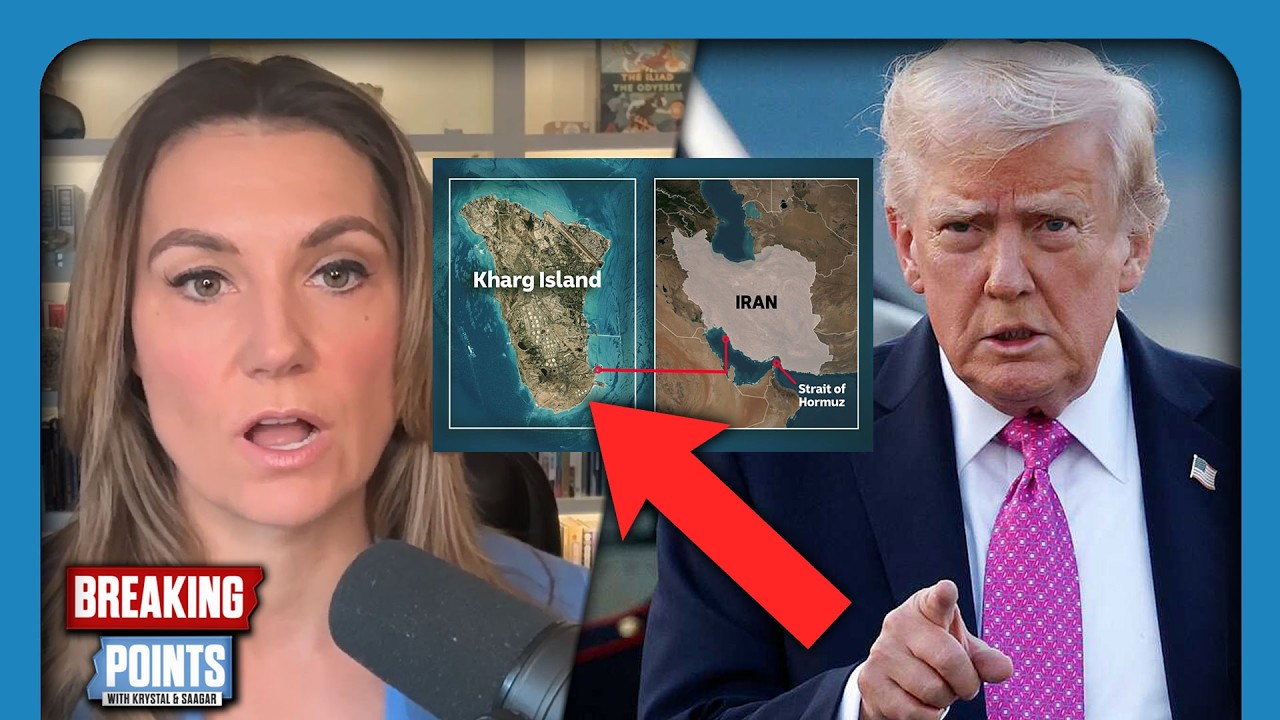
BREAKING: TRUMP ATTACKS OIL ISLAND, MARINES CALLED IN, 5 US PLANES HIT
"The US-Iran conflict escalates with a Trump-ordered strike on Iran's Karg Island, triggering Iranian retaliation against UAE oil facilities and US military assets, while the US deploys Marines and Israel plans a ground invasion of Lebanon."
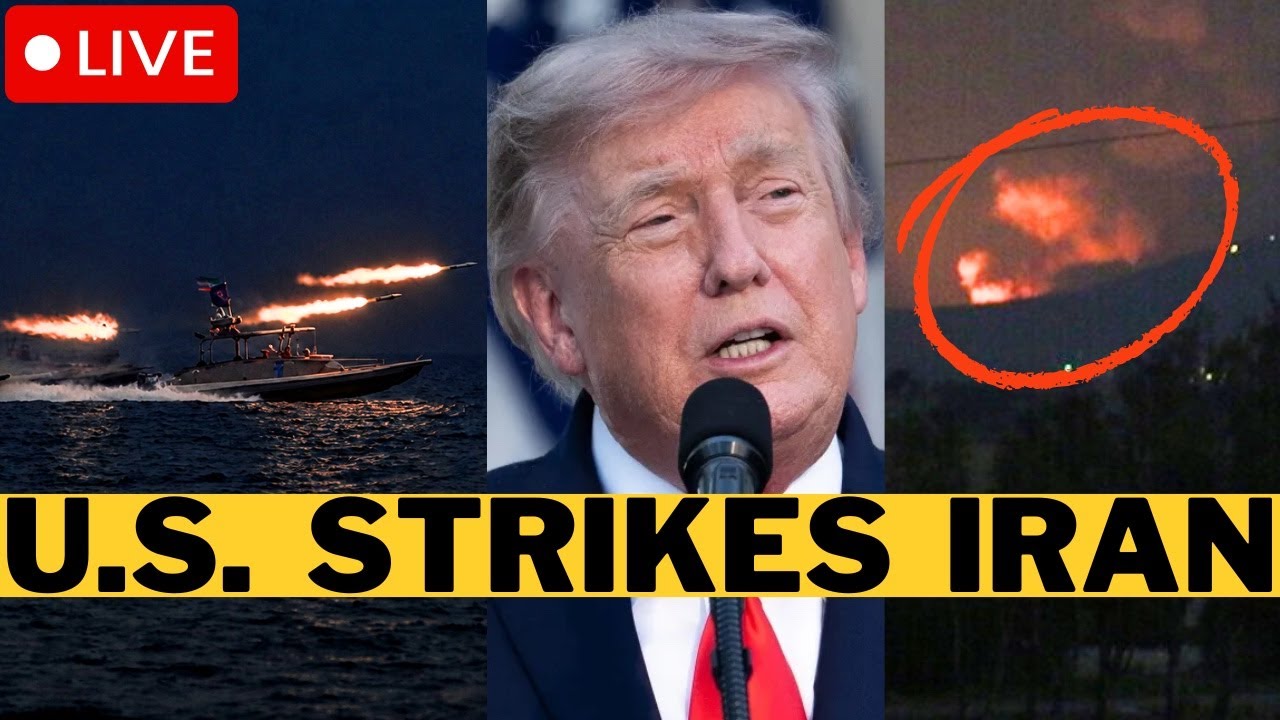
BREAKING: IRGC Break Ceasefire - U.S. Military Launch Strikes In Iran
"The US military launched retaliatory strikes against IRGC bases in Iran after the IRGC broke a ceasefire by attacking international vessels, while Hezbollah militants caused chaos in Beirut over a Lebanese-Israeli agreement."