
KILLER LAWYER ALEX MURDAUGH DEATH PENALTY
YouTube · S88jSygQwMo
Quick Read
Summary
Takeaways
- ❖Alex Murdaugh's double murder conviction was reversed by the South Carolina Supreme Court due to jury tampering by court clerk Becky Hill.
- ❖Murdaugh is suing Becky Hill for $600,000 in defense attorney fees, claiming her actions necessitated the new trial.
- ❖The South Carolina Attorney General is now considering seeking the death penalty for Murdaugh in the upcoming retrial, citing aggravating factors like mass murder and financial motive.
Insights
1Conviction Reversal Due to Jury Tampering
Alex Murdaugh's double murder conviction was unanimously reversed by the South Carolina Supreme Court. The reversal stemmed from allegations that court clerk Becky Hill made inappropriate comments to jurors, influencing their verdict.
The Supreme Court ruled unanimously that Alex Murdaugh's trial was not fair, that the jury tampering affected the verdict.
2Murdaugh Sues Court Clerk for Defense Costs
Despite the reversal benefiting him, Murdaugh is suing Becky Hill, seeking reimbursement for his $600,000 defense attorney fees from the first trial. His legal team argues Hill's actions led to the overturning of the verdict and the need for a new trial.
He's actually suing court clerk Becky Hill? He's actually suing her? ... He's suing her because he wants to be reimbursed for his defense attorney fees for that first trial. They did mention they're seeking other money's but they did not specify what for but we do know the 600,000 specifically was mentioned for his defense fees he paid for trial number one.
3Legal Basis for the Lawsuit (Section 1983)
The lawsuit against Becky Hill is based on Section 1983 of the U.S. Constitution, which grants the right to be free from outside influences at trial. As an elected state actor, Hill's alleged direct influence on the jury under color of law opens her to civil liability for damages and attorney fees.
In our country, under Section 1983 of our United States Constitution, we are granted the right to be free from outside influences at a trial on our on our trial before our peers. When you have an an independent actor who, by the way, is a state actor in this case, she's the elected clerk of court. When you have her purposely, directly influencing the jury under the color of law, given her position as clerk of court, that opens her up to a claim of of 1983, Section 1983 of our United States Constitution.
4Gruesome Autopsy Details Support Death Penalty Consideration
Dr. Kendall Crowns detailed the brutal nature of the murders. Maggie Murdaugh sustained five gunshot wounds, including an "execution-type wound" to the back of her skull, and Paul Murdaugh was shot twice with a shotgun, one shot blowing out the top of his head. These details contribute to the state's consideration of the death penalty.
Maggie has five gunshot wounds to her body. Two are intermediate range... One of the gunshot wounds is actually into the back of her skull that goes through her brain. It's almost like an execution type wound... The son, on the other hand, he's shot twice with a shotgun... one going two through the chest, blowing out his armpit, and the other one entering into the neck and then blowing out the top of his head, blowing out his brain as well.
5Aggravating Circumstances for Death Penalty
The state is considering the death penalty due to several aggravating factors, including mass murder (two victims), lying in wait (Murdaugh lured victims to the property), and pecuniary interest (killing to prevent exposure of his $12 million financial crimes in a divorce or civil lawsuit).
The aggravating circumstances required for the death penalty, Dave, such as mass murder. More than one body qualifies as mass murder under the law. Here we've got two. Lying in wait. He lured Maggie and Paul to Moselle, the hunting lodge. And he lay in wait for the right moment to murder them. Also, pecuniary or money interest. His whole point in killing them was he did not want his financial crimes, to the tune of 12 million dollars, to be exposed, as they would in a divorce proceeding or a civil lawsuit against him and his son Paul.
6Murdaugh's Manipulative Nature
Multiple guests, including former housekeeper Blanca Turubiati Simpson and psychoanalyst Dr. Bethany Marshall, described Murdaugh as a manipulative individual who extracted resources and sympathy from others, viewing his family as "adornment" or a "beard" to conceal his criminal enterprises.
Alex Murdaugh was excellent. He was practiced at extracting resources from other people, whether it's money from clients, trust funds, whether it was sympathy from the people around him. He was good at acting... They're just like like a woman putting on jewelry. That's just adornment. It's just jewelry. It's just there to make her look better in the moment. That's what his family was like. They actually in a way were like the beard. They were the people who he assembled around him to make him look normal while he was stealing from other people.
7Defense Strategy: "Some Other Dude Did It"
The defense is expected to employ a "some other dude did it" strategy in the retrial, attempting to create reasonable doubt by pointing to third-party guilt, despite Murdaugh's previous attempt to stage a shooting on himself to support a similar narrative.
They're going to try to blame some other dude for doing it. Somebody else shot Paul and Maggie... Some other dude did it is always a valid defense... You've just got to create the reasonable doubt by pointing to someone other than the guy sitting in the defense chair next to you.
Lessons
- Understand that legal proceedings, even for high-profile cases, are subject to strict procedural rules, where errors like jury tampering can lead to overturned convictions.
- Recognize the complex interplay of criminal and civil law, as seen in Murdaugh's civil suit against the court clerk who inadvertently provided grounds for his criminal conviction's reversal.
- Be aware that the consideration of the death penalty in a retrial can be influenced by changes in state law regarding execution methods and the presence of specific aggravating circumstances.
Quotes
"He appealed his double murder conviction. It was reversed. He got what he asked for. But now, the South Carolina Attorney General has said, 'You know what? We think the death penalty may be in order in this case.'"
"I think his ego will not allow him to not take the stand, much less take the advice of his own attorneys."
"The legal theory is very simple. In our country, under Section 1983 of our United States Constitution, we are granted the right to be free from outside influences at a trial on our on our trial before our peers."
"Nancy, he doesn't have a conscience. He's one of these people where we can truly and accurately use the word cold-blooded."
"This guy's past feeling. I mean, he he has no capacity to understand what it's like to have the sense of empathy."
"You've just got to create the reasonable doubt by pointing to someone other than the guy sitting in the defense chair next to you."
Q&A
Recent Questions
Related Episodes
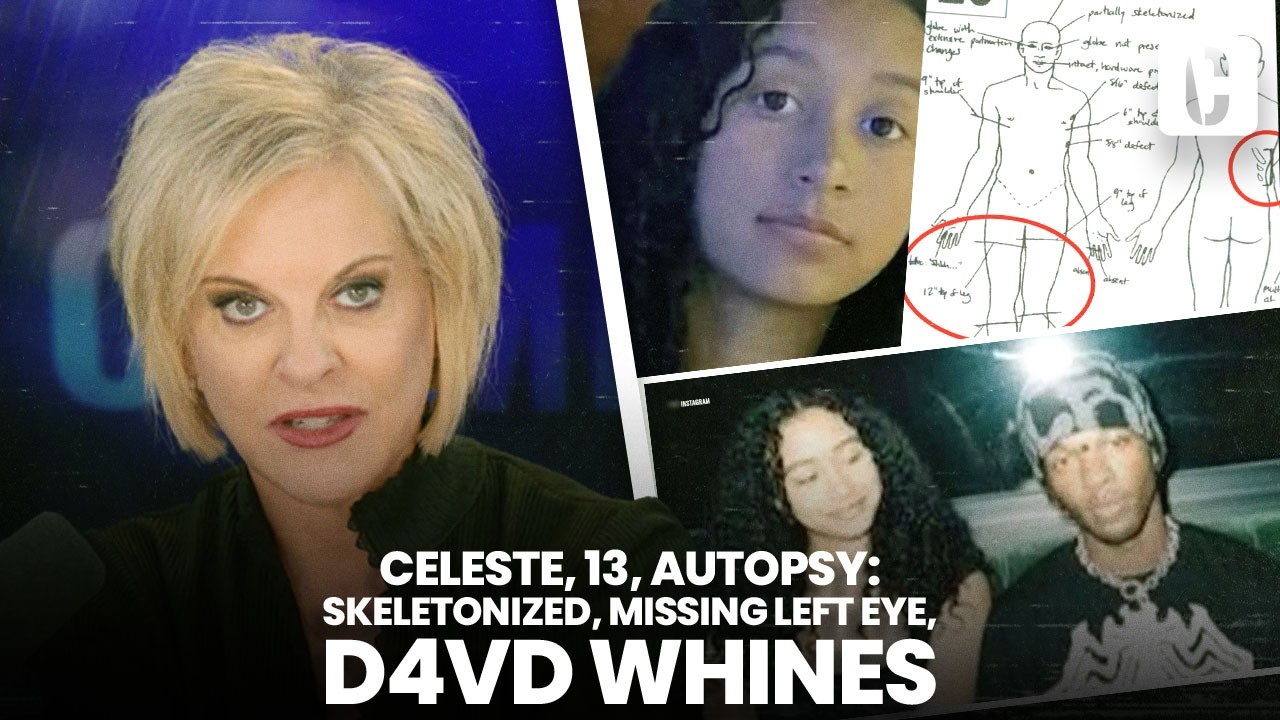
CELESTE, 13, AUTOPSY: SKELETONIZED, MISSING LEFT EYE, D4VD WHINES
"A 13-year-old girl, Celeste Rivas, was found partially skeletonized with a missing left eye, traces of meth and MDMA, and fatal stab wounds, while the accused musician David Anthony Burke (D4VD) complains about jail conditions."

TEEN'S DNA REVEALED IN ANNA KEPNER'S R*** KIT
"The investigation into Anna Keaptainner's death on a cruise ship reveals shocking DNA evidence, a previously unknown male minor, and critical questions about evidence handling and family dynamics."
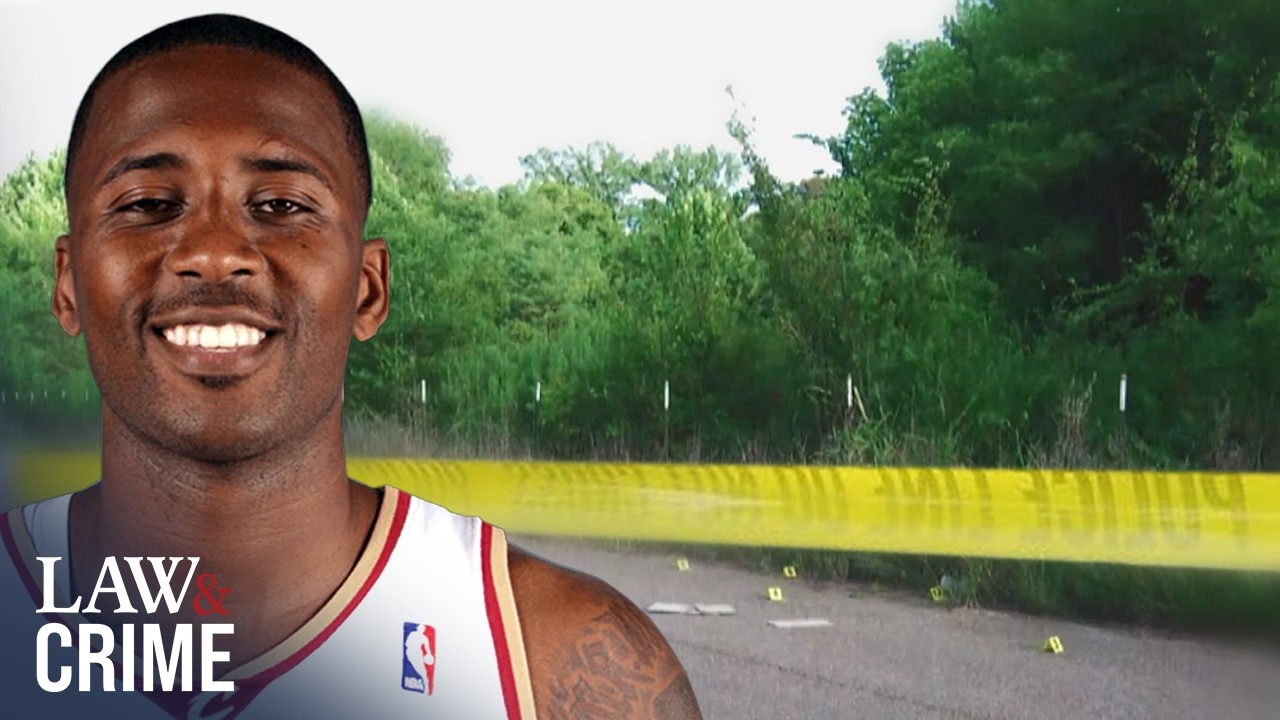
Killer Cases: NBA Star Lured to Execution In Rural Tennessee
"The decade-long cold case of NBA star Lorenzen Wright's murder was cracked through a persistent mother, a jailed informant, and a covert police operation that recovered the murder weapon from a lake and exposed a conspiracy driven by greed."

Amanda Knox and John Ramsey - Megyn Kelly's "Double Feature" of Fascinating Interviews
"This episode features two individuals, Amanda Knox and John Ramsey, whose lives were irrevocably altered by tragic crimes and subsequent wrongful accusations, revealing systemic failures in justice and media manipulation."