BREAKING: U.S. Halts DEVASTATING Military Strike On Iran; IDF Bombs HAMMER Tehran | TBN Israel
YouTube · SCe-9TOy3F4
Quick Read
Summary
Takeaways
- ❖The US delayed a strike on Iran's energy infrastructure by 5 days after 'productive talks' but the war continues.
- ❖President Trump issued a 48-hour ultimatum for Iran to reopen the Strait of Hormuz, threatening to attack its power grid.
- ❖Iran denies talks, claims the Strait of Hormuz is not closed by them, but simultaneously threatens to close it and attack regional power stations if its infrastructure is hit.
- ❖The Israeli Air Force has launched waves of strikes on strategic targets in Tehran, including military bases, weapons production, and intelligence headquarters.
- ❖The US is building up amphibious assault forces in the Middle East and is considering a ground operation to seize Iran's Karag Island, which handles 90% of its oil exports.
- ❖Iran's regime sustains itself through a 'parallel economy' of smuggling and illicit activities, making it resilient to conventional sanctions.
- ❖The conflict is expected to be prolonged, with Israel preparing for a multi-month campaign in Lebanon against Hezbollah.
- ❖The US is employing a 'double strategy': applying military pressure while temporarily easing sanctions on Iranian oil to stabilize global energy prices.
- ❖Internal disputes are reported within Iran between the Revolutionary Guards and internal security forces, indicating regime fragility.
- ❖Anti-Semitic attacks in London highlight the global spillover of the Middle East conflict.
Insights
1US Ultimatum and Iran's Defiance over Strait of Hormuz
President Trump issued a 48-hour ultimatum to Iran: reopen the Strait of Hormuz to shipping or face US strikes on its power stations. Iran, while denying direct closure, responded with threats to close the Strait fully, attack Israeli and regional energy infrastructure, and target countries hosting American bases if its electricity grid is hit. This sets up a direct confrontation over a critical global shipping lane.
Trump's ultimatum (, , ), Iran's denial of talks and counter-threats (, -).
2Israel's Deep Strikes on Iranian Command and Production
The Israeli Air Force has launched multiple waves of strikes on strategic targets within Tehran, moving beyond mere launchers or warehouses to hit production facilities, command centers, and intelligence headquarters. This strategy aims to degrade Iran's ability to recover, replenish stockpiles, and produce future firepower, not just address immediate threats.
IDF strikes on Tehran (, , ), targeting military bases, weapons production, and intelligence ministry (-), Admiral Cooper's statement on targeting future threats (-).
3US Strategic Goal: Prevent Iran from Influencing Global Energy Prices
The US objective in the Strait of Hormuz is not merely a temporary reopening but a 'strategic change' to prevent Iran from influencing global oil and gas prices. This broader goal explains the serious consideration of seizing Karag Island, Iran's main oil export hub (90% of exports), which would effectively choke Iran's primary revenue source.
US goal of strategic change (-), examination of Karag Island conquest (, -), Pentagon rehearsals for years ().
4Iran's Resilience through a Parallel Economy
Despite years of severe sanctions, currency devaluation, and being cut off from international financial systems like SWIFT, the Iranian regime remains in power and capable of funding its operations. This resilience is attributed to a 'parallel economy' developed by the Islamic Revolutionary Guards Corps (IRGC) through smuggling, illicit activities, and money laundering, ensuring the regime's self-sustenance.
Discussion on Iran's ability to hold on despite sanctions (-), explanation of parallel economy (-), confirmation of continued function (-).
5Multi-Front Conflict and Regional Spillover
The conflict is multi-faceted, involving direct US-Iran tensions, intense Israel-Iran engagements, and Israel's preparations for a prolonged ground campaign against Hezbollah in Lebanon. Regional actors like Qatar are also adjusting their stances towards Hamas in response to the broader conflict, while antisemitic attacks in Europe demonstrate the global spillover of the Middle East's instability.
Israel's prolonged campaign in Lebanon (, , ), Qatar's actions against Hamas (, ), antisemitic attacks in London (, ).
Bottom Line
The US is employing a seemingly contradictory 'double strategy' of military pressure on Iran's energy infrastructure while simultaneously easing sanctions on Iranian oil exports. This aims to buy economic time by stabilizing global oil prices ahead of midterm elections, preventing a domestic economic backlash from the conflict.
This reveals a complex geopolitical calculus where domestic political considerations (consumer prices, elections) directly influence military and economic foreign policy, potentially creating short-term market relief but prolonging the underlying strategic confrontation.
Analysts and policymakers can study this 'double strategy' as a case study in managing global crises with intertwined domestic political and economic pressures, particularly in energy markets.
Internal reports suggest a 'deep rupture' and 'loss of trust' between Iran's Revolutionary Guards and its internal security forces, with police feeling like 'cannon fodder' and experiencing significantly higher casualties. This fracture is leading to morale damage, refusal to obey orders, and loosening control on Iranian streets.
This internal instability suggests the Iranian regime faces not only external military pressure but also a severe internal crisis of legitimacy and control, potentially accelerating its long-term weakening or collapse if exploited effectively.
Intelligence agencies and strategic planners could focus on exacerbating these internal divisions through information warfare or targeted support, aiming to further destabilize the regime from within.
Key Concepts
Deterrence Theory
Both the US and Iran are engaged in a high-stakes game of deterrence, using ultimatums, threats, and military posturing to influence each other's actions and prevent further escalation beyond certain red lines, while simultaneously preparing for the failure of deterrence.
Parallel Economy
The Iranian regime maintains its operational capacity and funds through a 'parallel economy' involving smuggling, illicit activities, and money laundering, allowing it to circumvent international sanctions and sustain itself despite severe economic pressure.
Strategic Chokepoint
The Strait of Hormuz is framed as a decisive battlefield due to its critical role as a global energy chokepoint. Control or disruption of this waterway directly impacts global oil prices and international trade, making it a primary strategic objective in the conflict.
Lessons
- Monitor the Strait of Hormuz for any escalation or military action, as it remains the central point of gravity for the conflict and a key indicator of global energy market stability.
- Analyze the effectiveness of the US's 'double strategy' (military pressure + temporary oil sanction relief) in balancing geopolitical objectives with global economic stability.
- Observe internal dynamics within Iran, particularly the reported friction between the IRGC and internal security forces, as a potential indicator of regime fragility or resilience.
Notable Moments
US announces 5-day delay in strike on Iran's energy infrastructure after talks.
This initial delay created a brief window of diplomatic possibility, but was quickly overshadowed by escalating ultimatums and military actions, highlighting the fragility of de-escalation efforts.
Trump issues 48-hour ultimatum to Iran to open Strait of Hormuz or face power station strikes.
This ultimatum directly targets Iran's critical infrastructure and economy, making the Strait of Hormuz the immediate flashpoint for a major escalation.
Israel launches extensive strikes on Iranian production, command, and intelligence targets in Tehran.
This demonstrates Israel's commitment to degrading Iran's long-term military capabilities, indicating a strategy beyond merely responding to active launches.
US considering ground invasion of Karag Island to control Iranian oil exports.
This reveals a significant escalation option that would directly impact Iran's primary revenue source and global oil supply, aiming for a strategic change in Iran's ability to influence energy markets.
Quotes
"The arena has not calmed down. It has only become more dangerous, more blurred, and even more dependent on a single decision in the White House."
"The Iranians are not going to say to Trump, you know something, you're absolutely right. We're going to stop managing straight off moves as the way they're currently doing."
"As long as that regime survives, it'll be a contest between the Iranians and their allies facing against an emergent alliance or emergent group of countries broadly aligned with the United States."
"We don't have a choice. We've got a very serious group of people who are active, who are busy, who are smart, and who are pledged to our destruction. So we have no choice but to organize properly and intelligently to the greatest of the best of our ability."
"The current crisis is worse than both of the oil crisises of the 1970s combined."
Q&A
Recent Questions
Related Episodes
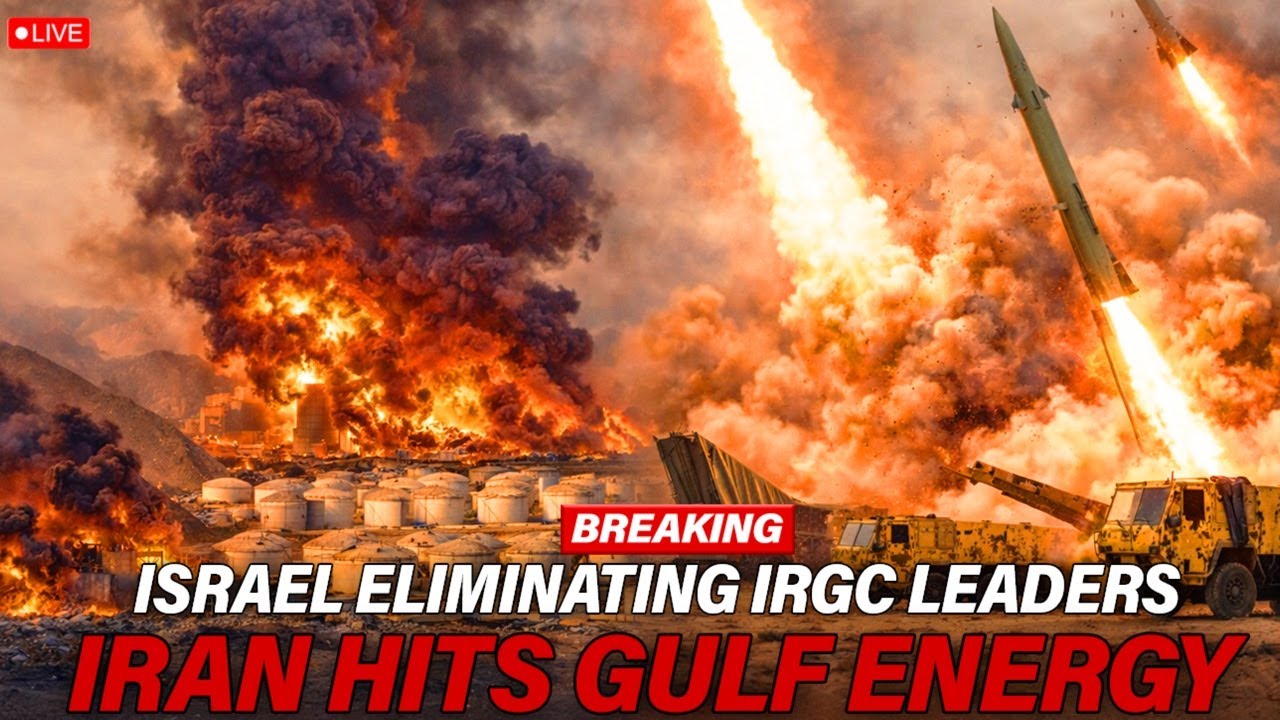
BREAKING: U.S. Weighs INVADING Iran Oil Island; Gulf Energy Crisis Grows | TBN Israel
"As the US and Israel systematically dismantle Iran's military and leadership, the conflict escalates into an energy war, with the US considering ground invasion of Iran's critical Karag oil island to secure global oil routes."

Patrick Henningsen: Hezbollah JUST Fired Back at Israel - Iran Vows to “Crush” All Attacks
"Patrick Henningsen argues that the US and Israel initiated an illegal war against Iran, driven by Trump's incompetence and Israeli influence, leading to an inevitable escalation with severe global economic repercussions."
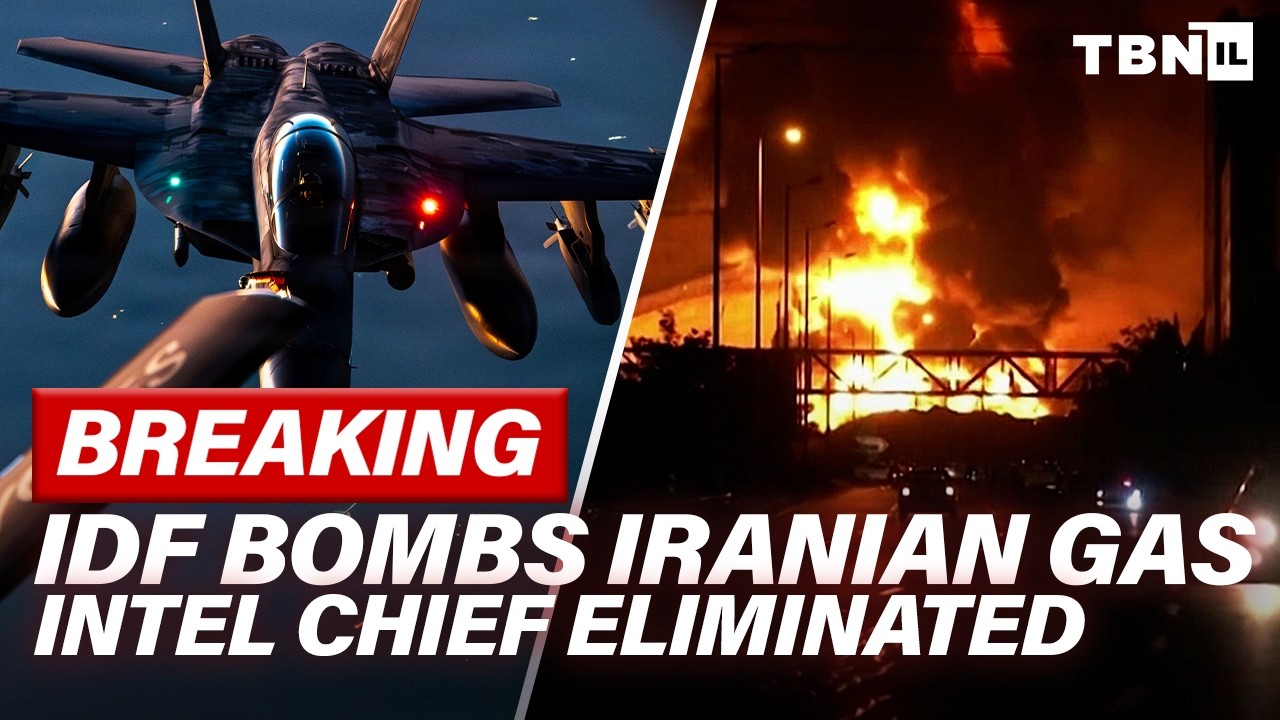
BREAKING: Israel BOMBS Major Iran Gas Site; Top Mullah ELIMINATED; Iran Vows VENGEACE | TBN Israel
"Israel and the United States have escalated their 'Roaring Lion War' against Iran, striking its largest gas facilities, eliminating key intelligence and military figures, and disrupting missile production, while Iran threatens a broader energy war in the Gulf."

BREAKING: Iran Threatens To END Talks; U.S. Vows Retaliation; Hezbollah Collapsing? | TBN Israel
"Iran is leveraging Hezbollah and the Strait of Hormuz to manipulate US negotiations, while Israel asserts its right to dismantle Hezbollah's eroding but still dangerous infrastructure in Lebanon, independent of international talks."