BREAKING: Iran Regime PANICS; IDF Smashes Missile Sites; Trump Plays HARDBALL | TBN Israel
YouTube · SJJODRbCsgg
Quick Read
Summary
Takeaways
- ❖The Israeli Air Force has executed over 600 strike sorties against Iran's ballistic missile system, targeting launchers, storage, intelligence HQs, and production plants.
- ❖These strikes have caused 'panic', 'erosion', and 'absenteeism' among Iran's Revolutionary Guards, disrupting their chain of command.
- ❖The US deployed thousands of troops to the Middle East and conducted air strikes against pro-Iranian Shiite militias in Iraq, eliminating a sector commander.
- ❖Former President Trump's public statements about direct negotiations with Iran are perceived by the Iranian leadership as an intelligence trick to expose bunker locations.
- ❖Iran is demanding JD Vance lead the US delegation, refusing Jared Kushner and Steve Wood, whom they accuse of 'stabbing them in the back' in previous talks.
- ❖Iran is charging approximately $2 million per ship for passage through the Strait of Hormuz, attempting to turn control into a model of power and extortion.
- ❖Iran is employing sophisticated information warfare, including deep fakes and bots, to destabilize Israel, deter the West, and strengthen its home front.
- ❖Hezbollah is reportedly seeking 'creative ways' to kidnap IDF soldiers to create bargaining chips, anticipating an Israeli ground maneuver in southern Lebanon.
Insights
1Systematic Degradation of Iranian Military Capabilities
The Israeli Air Force has conducted over 600 strike sorties against Iran's ballistic missile system, targeting not just launchers but also strategic weapon depots, air defense arrays, Revolutionary Guard intelligence headquarters, and even a nuclear facility in Isfahan. These strikes aim for systematic collapse, hitting decision-makers, storage, defense, and execution mechanisms. This has resulted in 'panic,' 'erosion,' and 'low morale' among Iran's ballistic missile forces, with soldiers reportedly afraid to report to launch sites.
The Israeli Air Force completed four additional waves of strikes, attacking over 50 ballistic missile launch and storage sites. Targets included Revolutionary Guard intelligence headquarters, strategic weapon depots, air defense arrays, and the nuclear facility in Isfahan. The IDF spokesperson confirmed strikes on launchers and Iran's most important explosive production plant. Military intelligence identifies 'fear and absenteeism' in strategic units. (, , , , )
2Trump's 'Chess Match' Diplomacy and Iranian Paranoia
Former President Trump's public declaration of direct negotiations with Iran, including naming specific Iranian officials involved, is framed as a strategic 'chess move'. This move, combined with continued military pressure, has reportedly caused 'extreme paranoia' within the Iranian leadership. They fear the negotiation proposals are an intelligence trick designed to expose the bunker locations of senior regime officials, especially after previous talks ended in surprise attacks.
Trump's statement about direct negotiations 'confused' and 'scared' the Iranian regime, particularly when the Trump administration named Khalibah, head of the Iranian parliament, as a negotiator. The Iranian leadership is in 'extreme paranoia out of fear that the negotiations proposal from the Trump administration are nothing more than an intelligence trick designed to expose the bunker locations of the remaining senior regime officials.' (, , )
3Iran's Information Warfare as a Compensatory Strategy
Facing military weakness and systematic strikes, Iran is compensating with sophisticated information warfare. This includes deploying bot armies, fake profiles, deep fake videos, and messages of economic deterrence. The goal is to destabilize Israel, deter the West by amplifying fears of collapsing energy markets, and strengthen its home front by preserving a sense of standing firm and achievements under fire. This is seen as Iran's 'cheap and secret weapon' in the 'war over global consciousness'.
Iran is compensating for its military weakness with sophisticated informational warfare. From missiles and artificial intelligence to messages of economic deterrence, Thran is trying to destabilize Israel, deter the West, and strengthen its homeront from within. The Iranian bot army is working overtime on deep fakes. (, , )
4Hezbollah's Search for Leverage Amidst Regional Shifts
Israeli intelligence warns that Hezbollah is actively seeking 'creative ways' to kidnap IDF soldiers. This move is intended to create bargaining chips against Israel and strengthen internal support within Lebanon, especially as pressure on Hezbollah increases. The organization is preparing for a potential Israeli ground maneuver in southern Lebanon and understands that if Iran moves towards an arrangement, Hezbollah might find itself isolated without its primary backer.
Israeli intelligence is warning that Hezbollah is looking for a creative way to kidnap IDF soldiers. The organization wants to create bargaining chips both against Israel and within Lebanon, especially as pressure on it increases. Hezbollah is preparing for the expansion of Israel's ground maneuver in southern Lebanon and understands that if Iran goes towards an arrangement, it may find itself left alone. (, , )
Bottom Line
Israel conducted its first-ever strike in the Caspian Sea, targeting a Russian-Iranian weapon smuggling route at the port of Bandal Anzali.
This strike signals Israel's willingness to expand the geographical scope of the conflict to disrupt Iran's distant supply arteries and challenge its strategic partnerships, specifically with Russia, beyond the immediate Middle East theater.
Intelligence agencies could explore vulnerabilities in other less-expected logistical routes or partnerships that Iran relies on, applying pressure in areas previously considered safe havens.
Iran is attempting to extort approximately $2 million per ship for passage through the Strait of Hormuz, turning control of the strait into a model of power and revenue generation rather than just a blockade threat.
This indicates a shift from purely military or blockade-based pressure to an economic extortion model, potentially generating significant revenue for the regime while simultaneously disrupting global shipping and oil prices.
International bodies and naval forces could develop coordinated strategies to challenge or bypass this extortion, potentially through escort missions or alternative shipping routes, to negate Iran's economic leverage and ensure freedom of navigation.
The Iranian regime specifically requested JD Vance to lead the American negotiation delegation, refusing Jared Kushner and Steve Wood, whom they claim 'stabbed them in the back' previously.
This reveals Iran's perception of specific US negotiators' effectiveness and their attempt to influence the composition of the US team, seeking a less 'hawkish' counterpart. It highlights the personal dynamics and historical grievances influencing high-level diplomacy.
Understanding which negotiators are perceived as more or less effective by adversaries can inform future diplomatic appointments and strategies, potentially leveraging specific personalities to achieve desired outcomes or to apply targeted psychological pressure.
Lessons
- Monitor global oil prices and stock market reactions to geopolitical announcements, as they are direct indicators of market confidence in conflict resolution or escalation.
- Analyze the public statements of key political figures (e.g., Trump) in conflict zones not just for their literal meaning, but also for their strategic intent to influence adversaries or financial markets.
- Investigate the role and impact of information warfare (deep fakes, bots) in current conflicts, recognizing it as a significant, low-cost weapon used to shape public opinion and destabilize adversaries.
Notable Moments
The host describes hearing 'substantial amount of booms' from Iron Dome and Arrow system intercepts overhead during the recording of the podcast, underscoring the immediate reality of the conflict.
This personal anecdote grounds the abstract discussion of war in a tangible, real-time experience, emphasizing the constant threat and defensive actions occurring in Israel.
The host details how Trump's public announcement of negotiations, particularly naming an Iranian official, forced the Iranian regime to backtrack from denials to admissions of talks, exposing internal divisions.
This highlights a specific instance of psychological warfare and strategic communication used to destabilize an adversary, revealing potential rifts within their leadership and controlling the narrative.
Quotes
"Trump in that move in that moment shows a true streak of brilliance both when it comes to PR and to finances in really one bringing up the global markets, bringing down the cost of of oil, two setting the deadline into the weekend."
"The Iranian leadership is in extreme paranoia out of fear that the negotiation proposals of the Trump administration are an intelligence trick designed to expose the bunker locations of the senior officials who remain."
"The Strait of Hormuz is not a bargaining chip and is not a tool for applying pressure. It must be open before any agreement."
Q&A
Recent Questions
Related Episodes
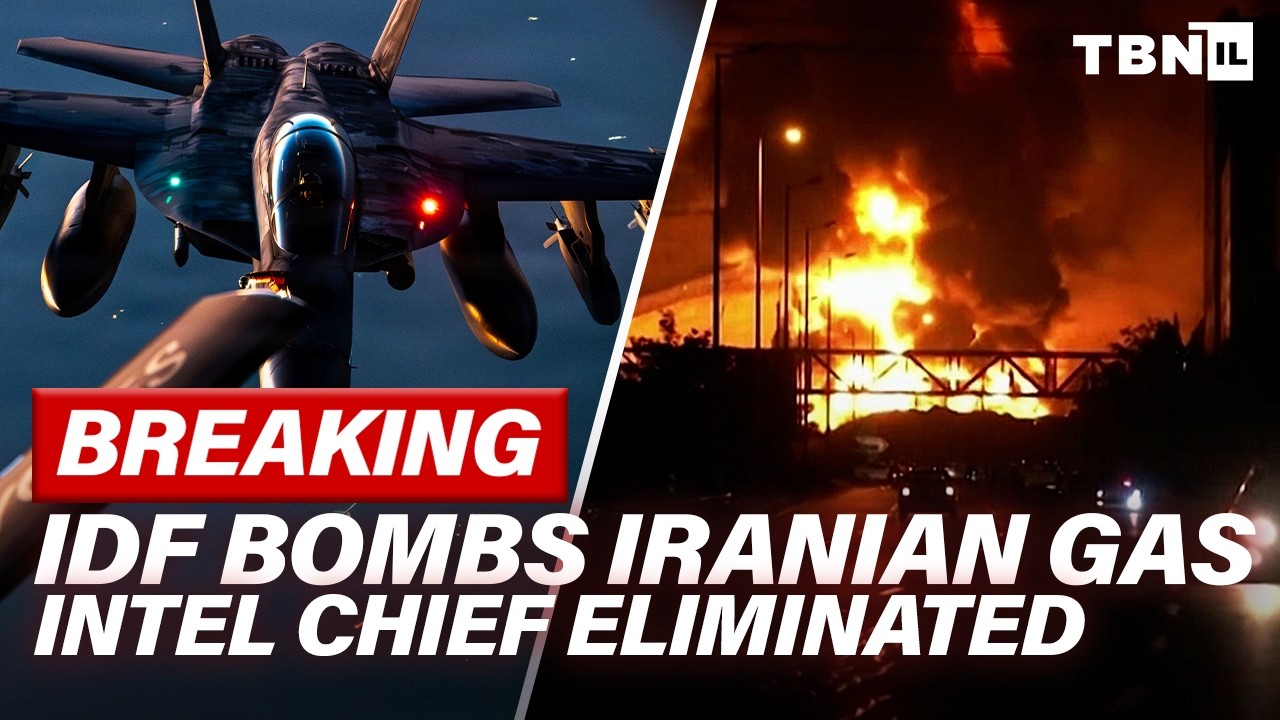
BREAKING: Israel BOMBS Major Iran Gas Site; Top Mullah ELIMINATED; Iran Vows VENGEACE | TBN Israel
"Israel and the United States have escalated their 'Roaring Lion War' against Iran, striking its largest gas facilities, eliminating key intelligence and military figures, and disrupting missile production, while Iran threatens a broader energy war in the Gulf."
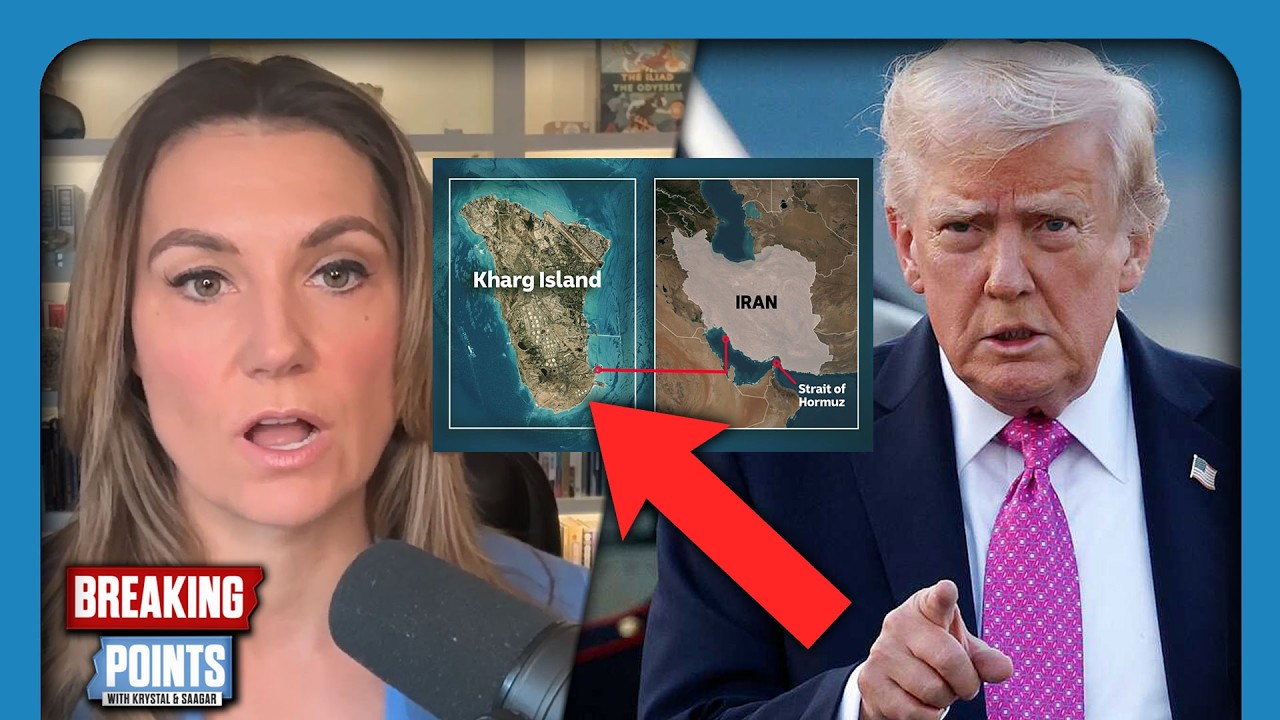
BREAKING: TRUMP ATTACKS OIL ISLAND, MARINES CALLED IN, 5 US PLANES HIT
"The US-Iran conflict escalates with a Trump-ordered strike on Iran's Karg Island, triggering Iranian retaliation against UAE oil facilities and US military assets, while the US deploys Marines and Israel plans a ground invasion of Lebanon."

BREAKING: Iran Threatens To END Talks; U.S. Vows Retaliation; Hezbollah Collapsing? | TBN Israel
"Iran is leveraging Hezbollah and the Strait of Hormuz to manipulate US negotiations, while Israel asserts its right to dismantle Hezbollah's eroding but still dangerous infrastructure in Lebanon, independent of international talks."
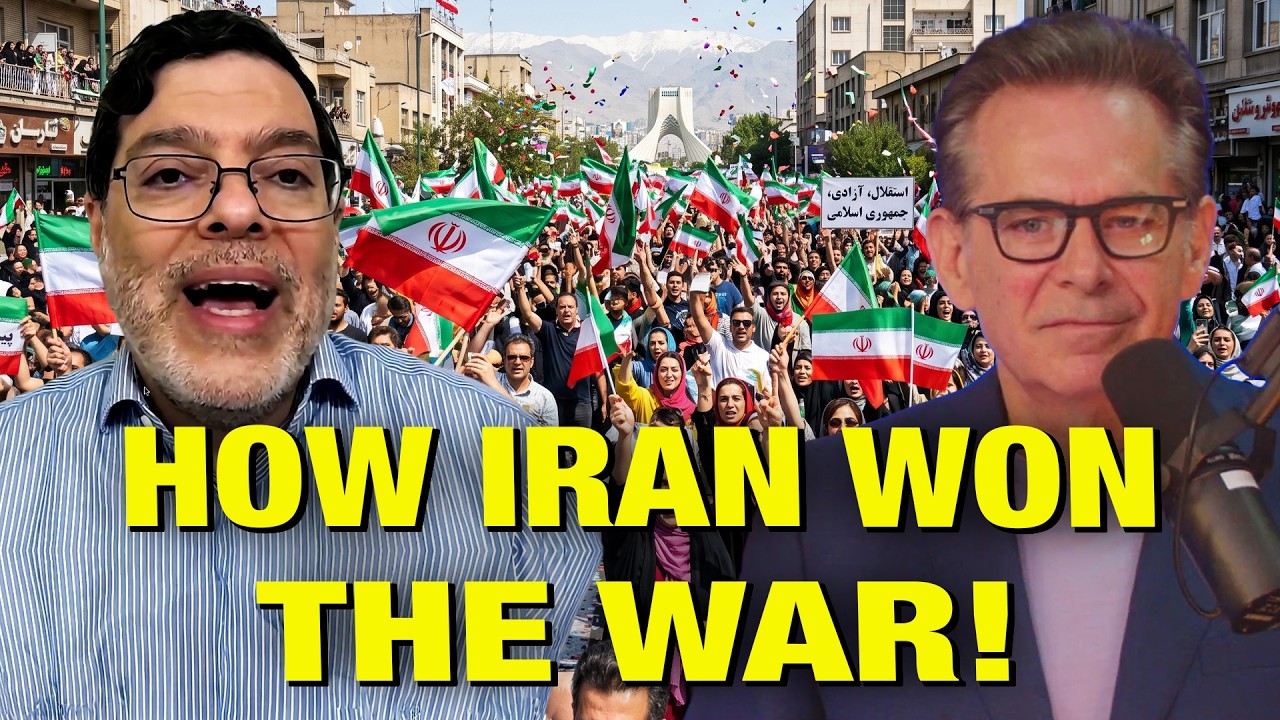
The REAL Story About The War From INSIDE IRAN! – Jimmy Interviews Prof. Marandi
"Professor Marandi, an Iranian academic, details how Iran emerged stronger from recent conflicts, now controlling the Strait of Hormuz and possessing a credible deterrent against its adversaries, despite facing economic siege and Western-backed regional proxies."