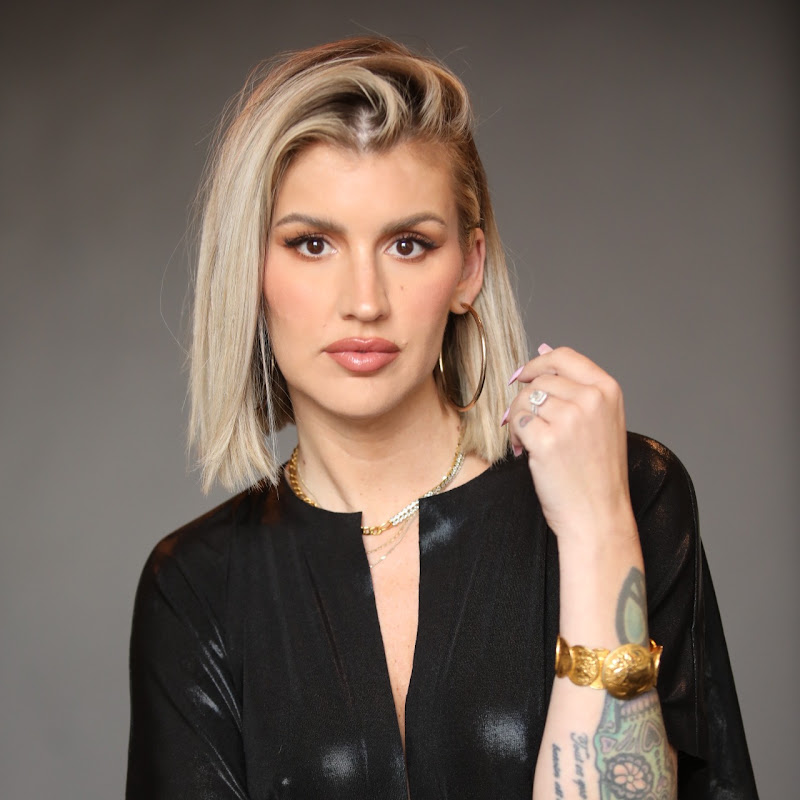
Mackenzie Joking with Her Friends While in Jail | Mackenzie Shirilla Jail Calls
YouTube · TeP6Ji7CDq4
Quick Read
Summary
Takeaways
- ❖Mackenzie Shirilla's jail calls with friends show no remorse or accountability for her murder charges.
- ❖Conversations focus on trivial topics like jail food, boys, and making fun of others, including derogatory language.
- ❖Shirilla expresses irritation about her living conditions in jail but not about the victims or her actions.
- ❖Friends discuss social media posts about Shirilla, including those from people who 'rooted' for her conviction.
- ❖Shirilla's mother is described as enabling, with the host planning a future episode on their calls.
- ❖Shirilla believes her charges are 'insane' and that she is a 'third victim' of the car accident.
Insights
1Lack of Remorse and Accountability in Jail Calls
The host presents jail calls between McKenzie Shirilla and her friends (Rosie, Kendra, Faith) as evidence that Shirilla shows no remorse, accountability, or sorrow for the events leading to her incarceration. The conversations are described as 'joking around,' discussing 'food, jail recipes, great chips, boys, sex advice, relationship advice,' rather than the severity of her situation.
Host's direct commentary on the content of the calls, stating 'It's my opinion that these calls while in jail with her friends illustrate exactly who McKenzie is. No remorse, joking around, talking about food, jail recipes... boys sex advice, relationship advice.'
2Exhibition of 'Mean Girl' Mentality
Shirilla and her friends display a 'Regina George mean girl mentality' in their calls, making fun of other people, using derogatory terms like the 'R-word,' and discussing others' perceived 'slowness.' This behavior suggests a continued pattern of insensitivity.
Host's description: 'you can hear her and her friends making fun of other people, dropping the Rword like it is just regular vocabulary for her. I just like really evil evil stuff. making fun of people, talking about how people are slow, making fun of why they're there.'
3Disbelief and Victimhood Regarding Charges
Despite facing murder charges, Shirilla expresses disbelief and frames herself as a victim of the car accident and the legal system. She feels the charges are 'insane' and that prosecutors are fabricating narratives, such as calling one of the deceased 'baggage.'
Shirilla states, 'I just can't see myself getting charged with like murder. What? Like I just think that's like literally like the craziest thing.' () and 'I got in a car accident. I'm a third victim.' (). She also recounts prosecutors calling one victim 'baggage' ().
4Concerns Over Social Media Perception vs. Reality
Shirilla is highly concerned about her public image and social media perception, particularly how people are 'posting about me' and calling her a 'murderer.' She believes people are only doing this because she 'can't say anything' while incarcerated.
Shirilla states, 'I'm just stressed out about like what like everyone just like posting about me. Like I just like hate that. Like they're only posting about me because I can't say anything.' () and 'everyone just thinks I'm like some murder. Just because I'm charged with that doesn't mean that that's what happened.' ().
Lessons
- Critically evaluate information from legal cases, especially when presented through informal channels like jail calls, to understand the subject's unfiltered perspective.
- Recognize how individuals, particularly those facing serious charges, may externalize blame or minimize their role in events, as evidenced by McKenzie Shirilla's framing of herself as a 'third victim.'
- Consider the potential impact of social circles and 'mean girl' dynamics on an individual's behavior and perception of reality, even in severe circumstances.
Notable Moments
McKenzie discusses being housed on the 'psych ward floor' for protection, expressing irritation about the other 'mentally ill' inmates and her inability to access amenities like tablets or razors.
This highlights her focus on personal discomforts and perceived injustices of her living situation, rather than the reasons for her incarceration, reinforcing the theme of a lack of remorse.
McKenzie and her friends discuss other friends, Rosie and Sammy, and their loyalty. McKenzie expresses distrust towards Rosie for deleting pictures of her and Sammy for 'rooting' for her conviction.
This demonstrates a continued preoccupation with social dynamics and loyalty, even while in jail for serious charges, and reveals a 'mean girl' judgment of others.
McKenzie receives a letter from an inmate named 'Santana' who introduces himself, lists his physical attributes, and details his prison sentence, seeking to 'brighten her day.'
This moment offers a glimpse into the social interactions and attempts at connection within the prison system, even for high-profile inmates.
McKenzie and her friends discuss relationship advice, with McKenzie encouraging a friend to break up with her boyfriend, Tyler, calling him 'ugly' and 'broke' and criticizing his sexual performance.
This conversation further underscores the 'mean girl' mentality and focus on superficial aspects of relationships, even from jail, and shows McKenzie giving strong, unfiltered advice.
Quotes
"It's my opinion that these calls while in jail with her friends illustrate exactly who McKenzie is. No remorse, joking around, talking about food, jail recipes, these really great chips in jail, boys sex advice, relationship advice. She also, I think, still has very much that Regina George mean girl mentality because in these calls, you can hear her and her friends making fun of other people, dropping the Rword like it is just regular vocabulary for her."
"I just can't see myself getting charged with like murder. What? Like I just think that's like literally like the craziest thing."
"I got in a car accident. I'm a third victim."
"I'm just stressed out about like what like everyone just like posting about me. Like I just like hate that. Like they're only posting about me because I can't say anything. That's the only reason."
"They said like, 'I killed Don because I was like like we were in an abusive relationship, but then I just decided to like kill DaVon too as baggage.' That's what the prosecutor said in court in front of the judge."
Q&A
Recent Questions
Related Episodes

Jeanine Pirro suffers ULTIMATE HUMILIATION in court
"Former Fox News host Jeanine Pirro, now US Attorney for DC, faced significant embarrassment after a jury delivered a 35-minute 'not guilty' verdict in a felony case involving a homeless man and a cat toy laser pointer."
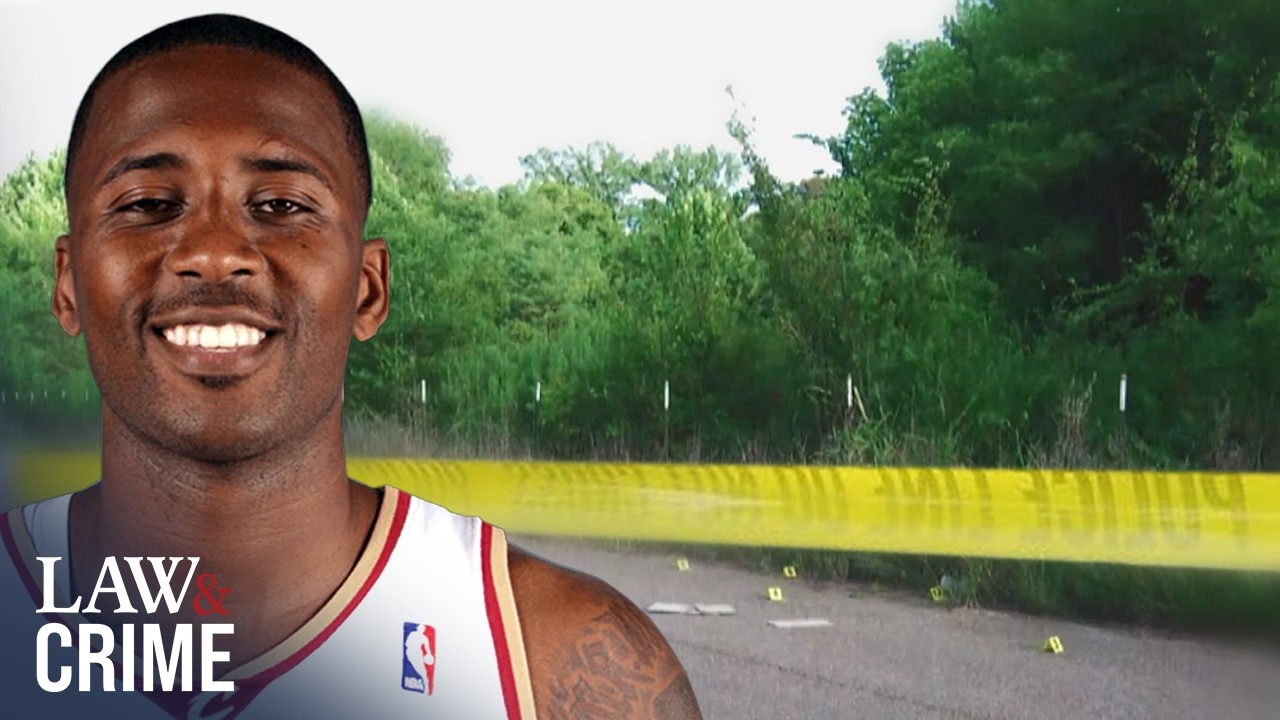
Killer Cases: NBA Star Lured to Execution In Rural Tennessee
"The decade-long cold case of NBA star Lorenzen Wright's murder was cracked through a persistent mother, a jailed informant, and a covert police operation that recovered the murder weapon from a lake and exposed a conspiracy driven by greed."
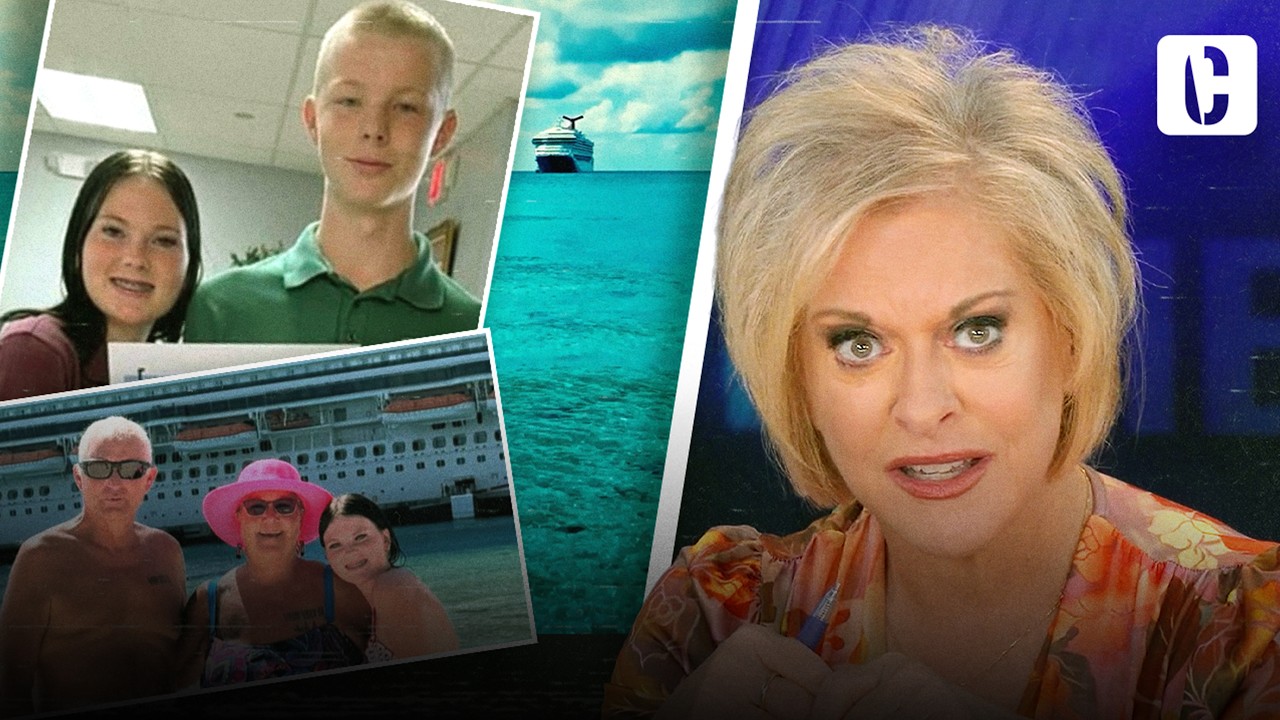
TEEN'S DNA REVEALED IN ANNA KEPNER'S R*** KIT
"The investigation into Anna Keaptainner's death on a cruise ship reveals shocking DNA evidence, a previously unknown male minor, and critical questions about evidence handling and family dynamics."

M&M's Employee Steals $26 MILLION (How He Did It)
"This episode details a series of white-collar crimes, from an M&M's sugar expert embezzling $26 million to a fake immigration attorney scamming undocumented immigrants, highlighting vulnerabilities in various systems and the surprising leniency of some sentences."