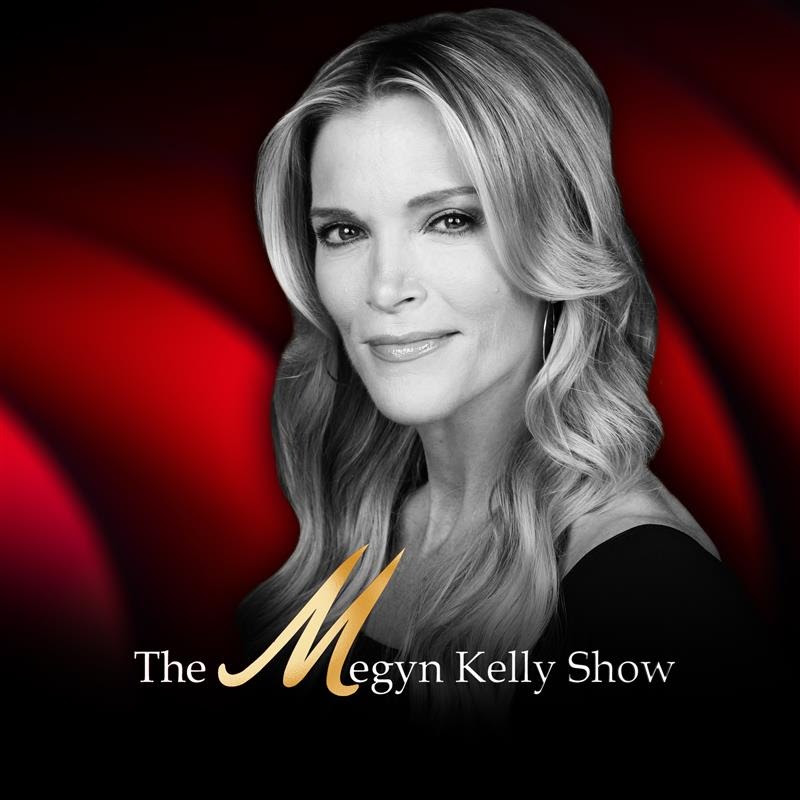
Crucial Questions After Shooting in Minneapolis, w/ James O'Keefe, Dave Aronberg, and Andrew Branca
YouTube · U5A_eYIyHzk
Quick Read
Summary
Takeaways
- ❖Alex Prey was shot by Border Patrol agents after allegedly interfering with an ICE operation, carrying a loaded gun, and engaging in a physical confrontation.
- ❖Megyn Kelly asserts that individuals must submit to law enforcement during arrests and that resisting creates grave danger.
- ❖James O'Keefe experienced organized hostility from anti-ICE groups in Minneapolis, including threats, physical harassment, and vehicle tracking, in areas where local police were absent.
- ❖Polling data indicates eroding public support for President Trump's immigration enforcement efforts, with a majority believing tactics have 'gone too far.'
- ❖Legal experts debate whether the Border Patrol's use of deadly force against Prey was 'objectively reasonable,' considering the number of officers involved and the potential for an accidental firearm discharge.
- ❖Minnesota Governor Tim Walls's statements, including comparing ICE to Nazis, are criticized for irresponsibility and inciting further chaos.
- ❖The Department of Justice faced judicial resistance in securing arrest warrants for individuals who disrupted a church service in Minneapolis, despite evidence of physical obstruction and terrorization.
Bottom Line
The 'insurrection' in Minneapolis, characterized by organized agitators and local government non-cooperation with federal immigration enforcement, creates a unique legal and operational vacuum where federal agents operate without local support, increasing the risk of violent confrontations.
This dynamic puts federal agents in extreme danger and can lead to situations like the Alex Prey shooting, exacerbating public distrust and making effective law enforcement nearly impossible. It also creates a precedent for other localities to defy federal authority.
This situation could force a re-evaluation of federal-state cooperation models in immigration enforcement, potentially leading to new legislative frameworks or executive actions that clarify jurisdictional boundaries and ensure officer safety, or conversely, further entrenching divisive 'sanctuary' policies.
The long-term legal vulnerability of federal officers involved in controversial shootings, even if initially deemed justified, is a significant concern. Minnesota could 'wait out' a presidential administration to pursue state-level murder charges, bypassing federal pardons.
This creates immense pressure on federal agents, potentially leading to hesitation in critical situations or a reluctance to engage in enforcement actions in hostile jurisdictions, undermining federal law enforcement's ability to perform its duties.
This legal loophole highlights the need for federal protections for officers acting within the scope of federal law, potentially through new legislation or Supreme Court clarification, to prevent politically motivated prosecutions that could paralyze federal agencies.
The potential for an accidental discharge from Alex Prey's Sig Sauer P320 9mm, a model with a documented history of 'uncommanded discharges,' could fundamentally alter the legal interpretation of the shooting, shifting blame from Prey's actions to a weapon defect.
If confirmed, this defect could transform the incident from a clear-cut case of resisting arrest leading to justified force into a tragic accident, complicating prosecution efforts against officers and potentially leading to civil liability for the weapon manufacturer.
This possibility underscores the critical importance of forensic investigation into firearm performance in officer-involved shootings and could lead to increased scrutiny and potential recalls of firearms with known defects, enhancing safety protocols for both law enforcement and civilians.
Lessons
- When interacting with law enforcement, prioritize submission and compliance to de-escalate situations, as resisting arrest can lead to severe and dangerous outcomes.
- Critically evaluate news reports and political statements, especially during controversial events, recognizing that narratives are often shaped to influence public opinion and may not reflect the full truth.
- Understand the legal standards for use of force by law enforcement (e.g., 'reasonable perception' of threat) to better comprehend the complexities and challenges officers face in high-stress situations.
Notable Moments
Megyn Kelly's proposal to withdraw all federal immigration enforcement from Minnesota, effectively making it a 'sanctuary state' for all illegal immigrants.
This dramatic, albeit 'tongue-in-cheek,' suggestion highlights the extreme frustration with Minneapolis's resistance to federal immigration law and aims to demonstrate the potential consequences of such policies to the state's residents.
James O'Keefe's firsthand account of being threatened and tracked by highly organized anti-ICE agitators in Minneapolis, operating in areas without local police presence.
This personal testimony provides concrete evidence of the dangerous and coordinated nature of the protests, revealing a level of organization and hostility that goes beyond typical demonstrations and poses a direct threat to journalists and law enforcement.
The legal debate between Andrew Branca and Dave Aronberg on the 'objective reasonableness' of the Border Patrol agents' use of deadly force against Alex Prey.
This debate illustrates the nuanced legal standards applied to officer-involved shootings and the differing interpretations of evidence, highlighting the challenges prosecutors face in these cases and the difficulty in achieving universal agreement on justification.
Quotes
"If I, Megan Kelly, went to interrupt law enforcement, conducting lawful arrests and law enforcement operations with a loaded gun tucked into the back of my pants and then I engaged in a physical confrontation with them... I'd be in grave danger."
"These are organized agitators who train to disrupt and in some cases hurt law enforcement. They go out there looking for confrontations that they can make go viral on their social media or that they can use as propaganda to turn people against the good guys."
"I've covered the cartels operating around the southern border and beyond. But even he is struck by how organized and evil these agitators in Minneapolis are. He said they have spotters on most street corners, even 30 minutes outside of the downtown going into the suburbs. He said there's an autonomous zone being set up, like a no-go zone for law enforcement, period."
"The only person responsible for the death of Alex Prey is Alex Prey."
"The officer's perception doesn't have to be correct. It just has to be reasonable at the time. This was a split-second decision, but the decision says it has to be objectively reasonable, not subjectively. So, was it objectively reasonable that they started shooting? Shooting 10 times in 5 seconds."
"You cannot bring a firearm loaded with multiple magazines to any sort of protest that you want. It's that simple. You don't have that right to break the law and incite violence."
"He got shot because he fought the police. He fought the law and the law won."
Q&A
Recent Questions
Related Episodes

Judge REJECTS DESPERATE Democrat STUNT As Trump Threatens To INVOKE Insurrection Act In Minneapolis!
"A Minnesota judge rejected a Democratic lawsuit to block ICE operations, while former President Trump threatened to invoke the Insurrection Act in Minneapolis amid escalating protests against federal immigration enforcement, sparking debate on state vs. federal authority and de-escalation tactics."
LIVE: Ben Meiselas RESPONDS to BREAKING NEWS!! 2/24/2026
"The Midas Touch Network boycotts the official State of the Union, hosting an alternative event while exposing alleged financial grifts, DOJ cover-ups of Epstein files, and the Pentagon's push for unregulated AI mass surveillance."
‘YOU’RE A B*TCH!’: Americans EXPLODE At ICE Thugs TO THEIR FACE | The Kyle Kulinski Show
"Host Kyle Kulinski presents multiple graphic videos and eyewitness accounts of alleged ICE abuses, including assaults, illegal detentions, and sexual misconduct, arguing that these actions are galvanizing widespread public resistance and exposing a growing authoritarian state."

🚨 THEY F*CKED AROUND FOR THE LAST TIME 😭😭😭
"This episode unleashes a torrent of highly opinionated commentary on the US-Iran deal, Israel's role, and a scathing critique of 'leftist' policies and immigration, particularly highlighting the UK grooming gang report as evidence of Western societal decay."