BREAKING: Iran NUCLEAR Threat Nears; Kharg Oil Exports Stop; Lebanon Turns On Tehran | TBN Israe
YouTube · VIovmb4hnMs
Quick Read
Summary
Takeaways
- ❖Iran is weeks away from enriching uranium to weapons-grade levels, prompting US and Israeli preparations for an 'extreme scenario'.
- ❖A US naval blockade has effectively halted oil tanker exports from Iran's Kharg Island, signaling severe economic distress.
- ❖The US-China summit between Trump and Xi Jinping is critical for determining China's role in pressuring Iran regarding oil and the Strait of Hormuz.
- ❖Lebanon has filed a precedent-setting complaint against Iran and Hezbollah at the UN Security Council, indicating a significant shift in regional alignment.
- ❖The United Arab Emirates has deepened its security alliance with Israel, deploying Israeli air defense systems against Iranian threats.
- ❖The war in Iran is causing global food price inflation as rising energy costs push hedge funds into agricultural commodities.
- ❖The Iranian regime is more afraid of its own population than external adversaries, using internet blackouts and executions to suppress dissent.
- ❖The US administration is considering renaming its operation against Iran to 'Heavy Hammer' to provide a new legal and tactical basis for renewed fighting.
Insights
1Iran's Nuclear Proximity and US/Israel Response
The US Secretary of Energy warned that Iran is 'frighteningly close' to a nuclear weapon, potentially weeks away from enriching a ton of uranium to military grade. This technical distance, even without a ready bomb, is a critical concern for Israel and the United States, driving their preparations for an 'extreme scenario' and considering military action.
US Secretary of Energy announced that Iran is frighteningly close to a nuclear weapon, only a few weeks away from enriching uranium to the level required to create a nuclear weapon. A new report from American intelligence reveals Iran restored most missile sites.
2Economic Chokehold on Iranian Oil Exports
A US naval blockade has severely impacted Iran's economy, with tanker exports from Kharg Island, Iran's main export gateway, having stopped. Satellite images confirm minimal maritime movement around the island, and oil storage terminals are filling up, leading to reports of oil leaks. This situation threatens economic collapse and technical issues with oil production, which cannot be easily restarted.
Tanker exports from Karag Island have stopped. Satellite images confirm that there is no shipping around the Iranian island of Karag. Storage at the oil terminal is filling up. Signs of oil leaks were also seen in the area. Once there is no more room to store the oil, the problem is no longer only economic. It becomes technical.
3China's Pivotal Role in the Iran Crisis
The meeting between Donald Trump and Xi Jinping in Beijing is highly significant because China is a major buyer of Iranian oil and holds substantial economic leverage over Tehran. While Trump claims the US can defeat Iran independently, China's pressure on Iran to open the Strait of Hormuz and negotiate could shorten the conflict, or its protection of Iran could push the US towards a military option.
China is one of the most important buyers of the Iranian oil. It holds significant economic leverage over Thran and it does not want to see the straight of Hormuz blocked for a very long time because China also needs energy, open shipping routes and stability in the supply chains.
4Lebanon's Shift Against Iran and Hezbollah
Lebanon's Foreign Ministry filed an official complaint with the UN Security Council against Iran, accusing it of dragging Lebanon into a war it didn't choose and denying coordination for Iranian diplomats in Beirut. This is an unusual and significant step, as Lebanon has historically been a central arena for Iranian influence through Hezbollah, indicating a potential weakening of Iran's regional narrative.
Lebanon filed a precedent setting complaint at the Security Council against Iran and against the Kizbala terrorist organization. Lebanon claims that Iran dragged its country into this war that it did not choose. It also denies that the transfer of Iranian diplomats to the Ramada Hotel in Beirut was coordinated with it.
5UAE-Israel Alliance Against Iran
The United Arab Emirates and Israel have emerged from the recent conflict with Iran with a stronger relationship, explicitly aimed against Iranian influence. Israel has developed and deployed advanced air defense systems, including Iron Dome and laser systems, in the UAE. This security alliance signifies a new Middle East dynamic, where an Arab country uses Israeli technology to defend against Iran, leading to strong condemnation from Tehran.
The United Arab Emirates and Israel came out of the latest war with Iran with a relationship stronger than ever. It was revealed that Israel developed and deployed air defensive systems in the Emirati, including Iron Dome, the Menor, the laser system, and advanced systems for detecting UAVs.
6Iranian Public Dissent vs. Regime Resolve
Dr. Tamar Eliam Gindin, an expert on Iranian society, states that the Iranian regime fears its own population more than external adversaries like Trump or Netanyahu. Despite severe economic pressure and military strikes, the regime's spiritual interpretation of 'loss' fuels its resolve, believing that destruction paves the way for the hidden Imam. The Iranian people, however, are suffering from despair and suffocation, with many willing to endure hardship for a future without the current regime.
The regime is more afraid of the population in Iran than it is afraid of Trump and BB combined. The worst enemy of the Islamic Republic is the Iranian people. The regime the res regime situation right now is dog eat dog just a lot of different power groups, different interest groups fighting each other.
Bottom Line
The war against Iran and the surge in energy prices are spilling over into global agricultural markets, driving up food, fertilizer, and biofuel costs due to hedge fund investments in commodities and increased transportation expenses.
Geopolitical conflicts in energy-rich regions like the Strait of Hormuz have direct, cascading effects on everyday consumer goods globally, making food security a secondary casualty of military and economic pressures.
Investors and policymakers should monitor energy-geopolitics for early indicators of agricultural commodity price inflation, potentially identifying opportunities in alternative energy sources or resilient food supply chains.
Western media and political discourse often overlook or misinterpret internal Iranian protests and massacres, focusing instead on events involving Western actors or easily identifiable 'bad guys,' leading to a lack of international support for the Iranian people.
This selective attention creates a distorted global understanding of the Iranian regime's internal vulnerabilities and the Iranian people's suffering, potentially prolonging the regime's hold on power by denying external moral or practical support to the opposition.
Independent media and analysts have an opportunity to provide unfiltered, on-the-ground reporting from Iran, bypassing mainstream biases and connecting directly with the Iranian diaspora and international human rights organizations to amplify the voices of dissent.
Key Concepts
Shiite Interpretation of Loss as Spiritual Victory
The Iranian regime, rooted in Shiite ideology, views 'losing the battle' as 'winning the spiritual war'. Death in conflict makes one a 'Shahid' (martyr), considered alive and provided for by God. This perspective means the regime is resolute, will not easily give up, and interprets economic collapse or destruction as a sign of the hidden Imam's return, reinforcing their resolve rather than prompting surrender.
The 'Two-Sided Trap' (Thucydides Trap)
Chinese President Xi Jinping referenced the 'historic fear of confrontation between a rising power and an existing power' during his meeting with Trump. This refers to the Thucydides Trap, where war becomes inevitable when a rising power threatens to displace an existing one. Xi's call for partnership over rivalry aims to avoid this trap between the US and China, especially in the context of the Iran conflict and technological competition.
Lessons
- Monitor global energy prices and their ripple effects on agricultural commodity markets to anticipate shifts in food and fertilizer costs.
- Analyze the diplomatic engagements between major powers like the US and China for their implicit and explicit leverage over Iran's nuclear program and regional stability.
- Track internal dissent and economic indicators within Iran to gauge the regime's stability, recognizing that public sentiment and spiritual interpretations of conflict can significantly influence its actions.
Notable Moments
Mati Shashani's field report setup from Kiryat Shmona, preparing to embed with the IDF in South Lebanon to report on Hezbollah's activities and the situation at the border.
This segment provides a direct, on-the-ground perspective of the immediate security threats Israel faces from Iranian proxies like Hezbollah, emphasizing the tangible impact of the broader geopolitical conflict on daily life and military operations in the region.
Dr. Tamar Eliam Gindin's explanation of the Iranian regime's fear of its own population and its spiritual interpretation of 'loss' in conflict.
This insight is crucial for understanding why the Iranian regime might not capitulate under conventional military or economic pressure, highlighting a fundamental cultural and religious difference in how 'victory' and 'defeat' are perceived, which impacts strategic planning by external actors.
Quotes
"The worst enemy of the Islamic Republic is the Iranian people. And the worst enemy of the Iranian people is the Islamic Republic."
"If you're killed, you become Shahid. You know that still tweets once in a while. uh and Ali Shaman who was also killed on February 28th tweeted on March 1st saying I'm still alive with a verse from the Quran that says which means those who died uh in the way of Allah are not considered dead but alive and God provides for them. So they are not dead. They're just now fighting on the spiritual level."
"We're willing to suffer this for a better Iran in the future because if the regime survives, there's no chance for a better Iran."
"A good agreement must change the capabilities, not only change the warnings."
Q&A
Recent Questions
Related Episodes

Patrick Henningsen: Hezbollah JUST Fired Back at Israel - Iran Vows to “Crush” All Attacks
"Patrick Henningsen argues that the US and Israel initiated an illegal war against Iran, driven by Trump's incompetence and Israeli influence, leading to an inevitable escalation with severe global economic repercussions."
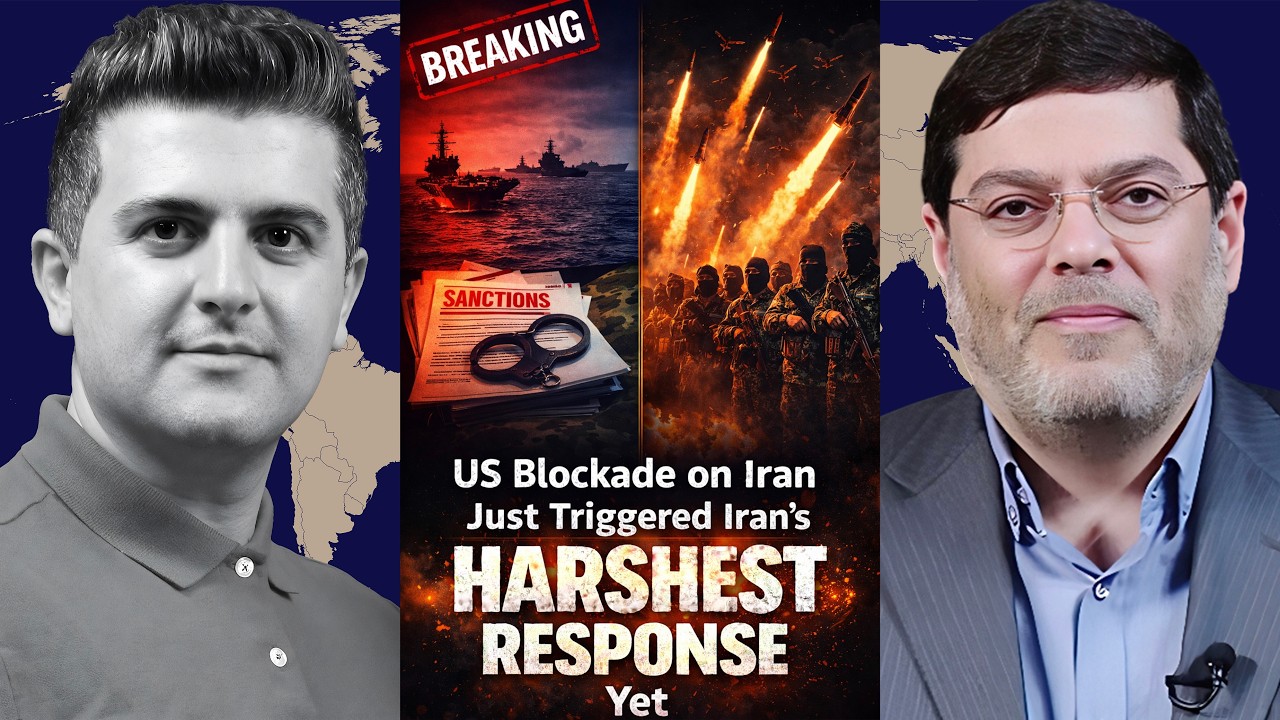
Seyed M. Marandi: US Blockade on Iran Just Triggered Iran’s HARSHEST Response Yet
"An Iranian professor details how US demands and an imposed blockade triggered Iran's harshest response, exposing American strategic missteps and the vulnerability of Gulf Arab states."
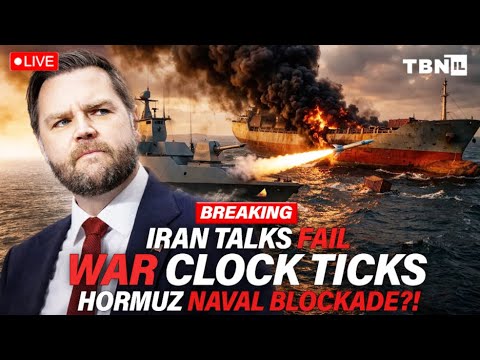
BREAKING: U.S.-Iran Talks COLLAPSE; Hormuz Standoff Deepens; Hezbollah Fire | TBN Israel
"US-Iran negotiations in Islamabad collapsed over the nuclear issue and control of the Strait of Hormuz, leading to heightened tensions and a potential US naval blockade strategy."
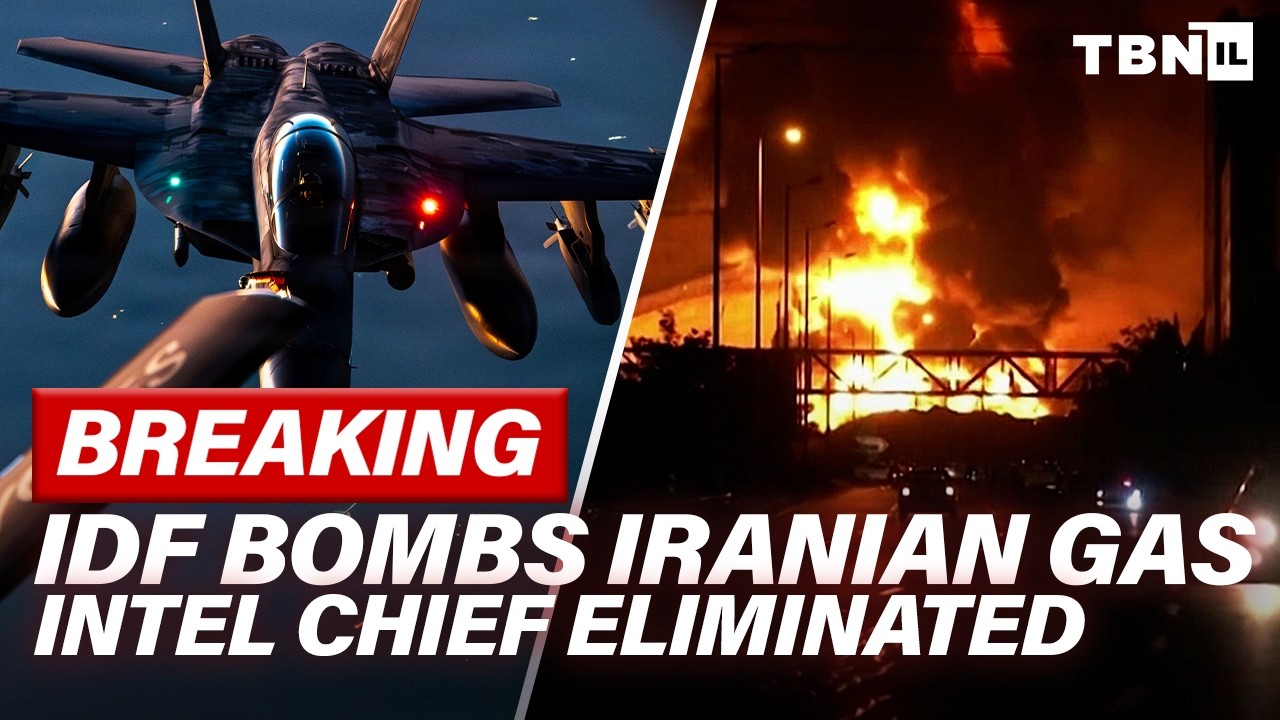
BREAKING: Israel BOMBS Major Iran Gas Site; Top Mullah ELIMINATED; Iran Vows VENGEACE | TBN Israel
"Israel and the United States have escalated their 'Roaring Lion War' against Iran, striking its largest gas facilities, eliminating key intelligence and military figures, and disrupting missile production, while Iran threatens a broader energy war in the Gulf."