BREAKING: Iran HIJACKS Ship, Deploys Subs In Hormuz; U.S. Pressures China On Iran | TBN Israel
YouTube · WFA2U93oK6o
Quick Read
Summary
Takeaways
- ❖Iran's Revolutionary Guards hijacked a ship in the Persian Gulf and deployed submarines in the Strait of Hormuz, signaling defiance to the US blockade.
- ❖The US and China, during a summit in Beijing, agreed that the Strait of Hormuz must remain open and Iran must not obtain nuclear weapons.
- ❖Experts assess Iran's Ghadir submarines as outdated and limited, primarily serving propaganda purposes against advanced navies.
- ❖US and Israeli strikes on the IRGC, contrary to expectations, strengthened the organization's internal status and control within Iran.
- ❖Iran's regime survival relies on a 'dual government' system (state vs. IRGC) and a shadow economy leveraging crypto trading and sanctions evasion.
- ❖The US is shifting its defense procurement to mass-produced, low-cost cruise missiles and autonomous aircraft for sustained, high-volume conflict.
- ❖China's opposition to Iran's maritime control is driven by its own economic interests, as disruptions in Hormuz impact global trade and its exports.
Insights
1Iran's Escalation in Hormuz and Nuclear Ambitions
Iran's Revolutionary Guards hijacked a ship near the UAE coast and deployed Ghadir-class submarines in the Strait of Hormuz, signaling defiance to the American blockade. Concurrently, the US Secretary of Energy warned that Iran is weeks away from enriching a ton of uranium to military grade, with Iranian officials threatening to enrich to 90% if pressure continues.
Iran's revolutionary guards hijacked a ship in the heart of the American blockade... Iran deployed many submarines in the straight of Hmuz... The United States Secretary of Energy warned that Iran is once again trying to break out towards a nuclear bomb and that this is a real threat. [], [], [], []
2US-China Alignment on Hormuz and Iran's Nuclear Program
During a summit in Beijing, US President Trump and Chinese President Xi Jinping agreed that the Strait of Hormuz must remain open and that Iran must never possess nuclear weapons. This alignment of major powers, driven by China's economic interests in stable energy routes, signifies a united front against Iran's attempts to militarize the strait and charge transit fees.
At the White House, they said that at the summit in Beijing, both sides agreed that Homus must remain open and that Iran must never have a nuclear weapon... Once both the United States and China say that no country is allowed to charge a price for passage there, there's no longer only a military story. [], [], []
3Paradoxical Strengthening of IRGC from External Strikes
Contrary to expectations, US and Israeli strikes targeting the Islamic Revolutionary Guards Corps (IRGC) command structure and assets inadvertently strengthened the organization's internal status within Iran. The external pressure provided the IRGC with an excuse to consolidate power, present itself as the state's guardian, and deepen its control over decision-making centers, the economy, and negotiations.
The strikes by the United States and Israel against the revolutionary guards damaged the senior command, actually strengthened the organization's status inside Iran, accelerated the restoration of its leadership, and deepened its control over the centers of power... From the inside, the organization uses the war in order to take control of more decision-making centers. [], [], []
4US Strategic Shift to Mass-Produced Low-Cost Missiles
The Pentagon signed major procurement frameworks for over 10,000 low-cost cruise missiles and is planning to integrate autonomous aircraft with F-35s. This represents a conceptual shift from relying solely on expensive, precise weapons to building a large, fast industrial arsenal capable of flooding the battlefield, wearing down defense systems, and sustaining longer campaigns against adversaries like Iran.
The Pentagon signed major procurement frameworks for more than 10,000 lowcost cruise missiles. The goal is clear: not only expensive and precise missiles in small numbers but mass production that is faster and cheaper... The United States is preparing itself with the ability to flood the battlefield, not only to strike one target, but to wear down the defense systems. [], []
Bottom Line
US and Israeli strikes against Iran's Revolutionary Guards, intended to weaken them, paradoxically strengthened the IRGC's internal control and legitimacy within Iran.
This suggests that conventional military pressure alone may not destabilize the IRGC but rather entrench its power, making it more difficult to dislodge and potentially accelerating its consolidation of state functions.
Policymakers need to re-evaluate strategies, considering that external pressure can backfire. Future approaches might require a deeper understanding of internal Iranian political dynamics to avoid unintended consequences, perhaps focusing on internal dissent or alternative pressure points that don't inadvertently empower the IRGC.
The US is shifting its defense procurement strategy towards mass-produced, low-cost cruise missiles and autonomous aircraft, moving away from sole reliance on expensive, precision-guided munitions.
This indicates a preparation for a sustained, high-volume conflict, where the ability to 'flood the battlefield' and wear down defenses over time is prioritized over single, high-value strikes. It suggests a recognition that future conflicts may require different industrial and tactical approaches.
Defense contractors specializing in rapid, scalable manufacturing and AI-driven autonomous systems will see increased demand. Nations facing potential adversaries with large, resilient defense systems should study this shift as a model for future deterrence and engagement strategies.
Key Concepts
Dual Government System (Iran)
Iran operates with a 'dual government' where official state institutions (president, parliament, army, police) exist alongside parallel, more powerful systems controlled by the Revolutionary Guards (IRGC). This allows the IRGC to manage security, foreign, and domestic policy, control key economic sectors, and even use elected officials as 'mouthpieces' to buy time in negotiations, ensuring regime survival and consolidating power despite external pressure.
Shadow Economy as a Geopolitical Tool
Iran's Revolutionary Guards have built a sophisticated shadow economy, relying on crypto trading (with a 700% increase in transactions), dozens of oil transport and shipping companies bypassing sanctions, and shadow banking. This hidden financial infrastructure provides a critical lifeline to the Iranian regime, allowing it to fund its operations, circumvent international sanctions, and maintain its influence, making it resilient to traditional economic warfare.
Lessons
- Monitor global energy markets closely, as continued Iranian actions in the Strait of Hormuz could trigger significant price volatility and supply chain disruptions.
- Analyze the implications of the US shift towards mass-produced, low-cost military hardware, as this signals a new paradigm for defense spending and conflict readiness.
- Understand the 'dual government' structure and shadow economy in Iran to better assess the resilience of the regime against sanctions and military pressure.
Notable Moments
Iran's Revolutionary Guards hijacked a ship and deployed submarines in the Strait of Hormuz, directly challenging the US blockade.
This act of aggression demonstrates Iran's willingness to escalate tensions and disrupt global shipping, impacting energy markets and international trade.
US President Trump and Chinese President Xi Jinping agreed that the Strait of Hormuz must remain open and Iran must not obtain nuclear weapons.
This rare alignment between the US and China, driven by pragmatic economic interests, creates a united front against Iran's nuclear ambitions and maritime control, potentially increasing diplomatic pressure.
US and Israeli strikes on the IRGC paradoxically strengthened its internal control over Iran's state apparatus and economy.
This highlights a critical flaw in current containment strategies, suggesting that external military pressure can inadvertently empower the very entity it aims to weaken, making the IRGC more entrenched.
Quotes
"Iran's revolutionary guards hijacked a ship in the heart of the American blockade. The Iranians are signaling to Trump that even during the American blockade and even during his visit to China, they can still create headaches."
"At the White House, they said that at the summit in Beijing, both sides agreed that Homus must remain open and that Iran must never have a nuclear weapon."
"We will win one way or another, peacefully or in a different way."
"From the outside, the organization is struck in order to weaken it. From the inside, the organization uses the war in order to take control of more decision-making centers."
"When Washington exposes its presence, it is not doing it for a nice public relations. It is telling Thran beneath the surface of the water, there is a completely different game."
Q&A
Recent Questions
Related Episodes
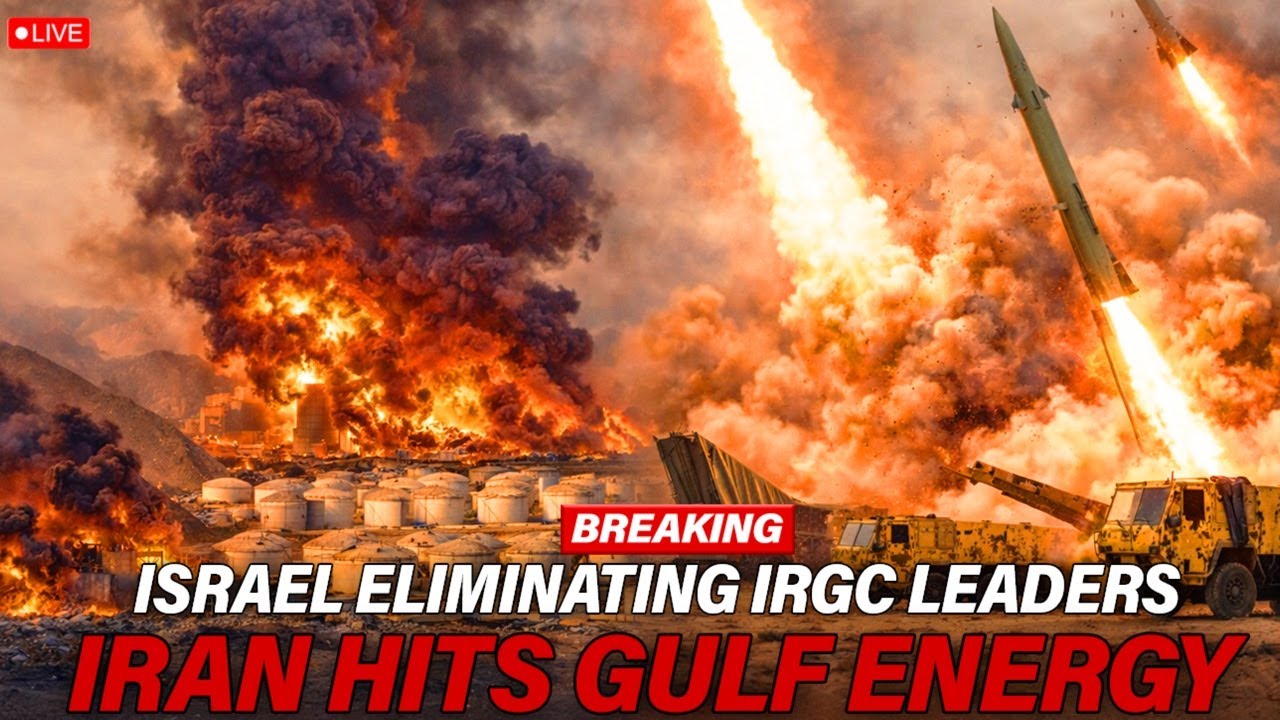
BREAKING: U.S. Weighs INVADING Iran Oil Island; Gulf Energy Crisis Grows | TBN Israel
"As the US and Israel systematically dismantle Iran's military and leadership, the conflict escalates into an energy war, with the US considering ground invasion of Iran's critical Karag oil island to secure global oil routes."
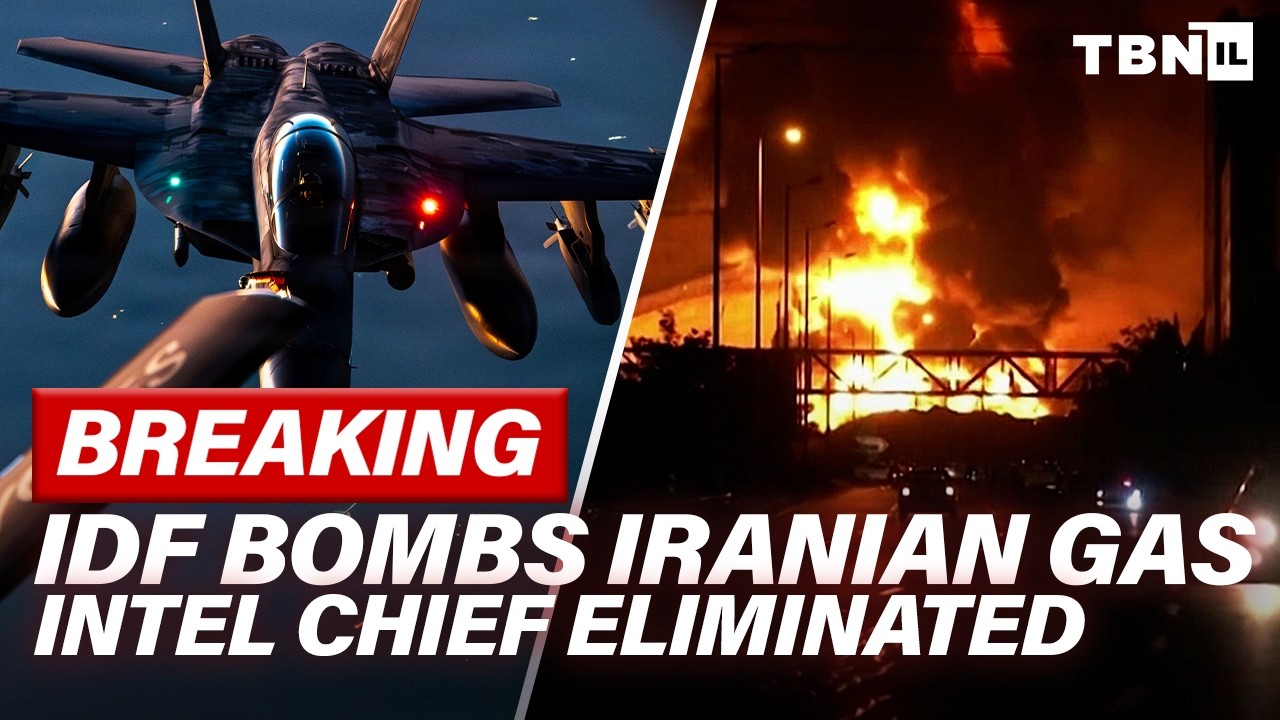
BREAKING: Israel BOMBS Major Iran Gas Site; Top Mullah ELIMINATED; Iran Vows VENGEACE | TBN Israel
"Israel and the United States have escalated their 'Roaring Lion War' against Iran, striking its largest gas facilities, eliminating key intelligence and military figures, and disrupting missile production, while Iran threatens a broader energy war in the Gulf."

Patrick Henningsen: Hezbollah JUST Fired Back at Israel - Iran Vows to “Crush” All Attacks
"Patrick Henningsen argues that the US and Israel initiated an illegal war against Iran, driven by Trump's incompetence and Israeli influence, leading to an inevitable escalation with severe global economic repercussions."
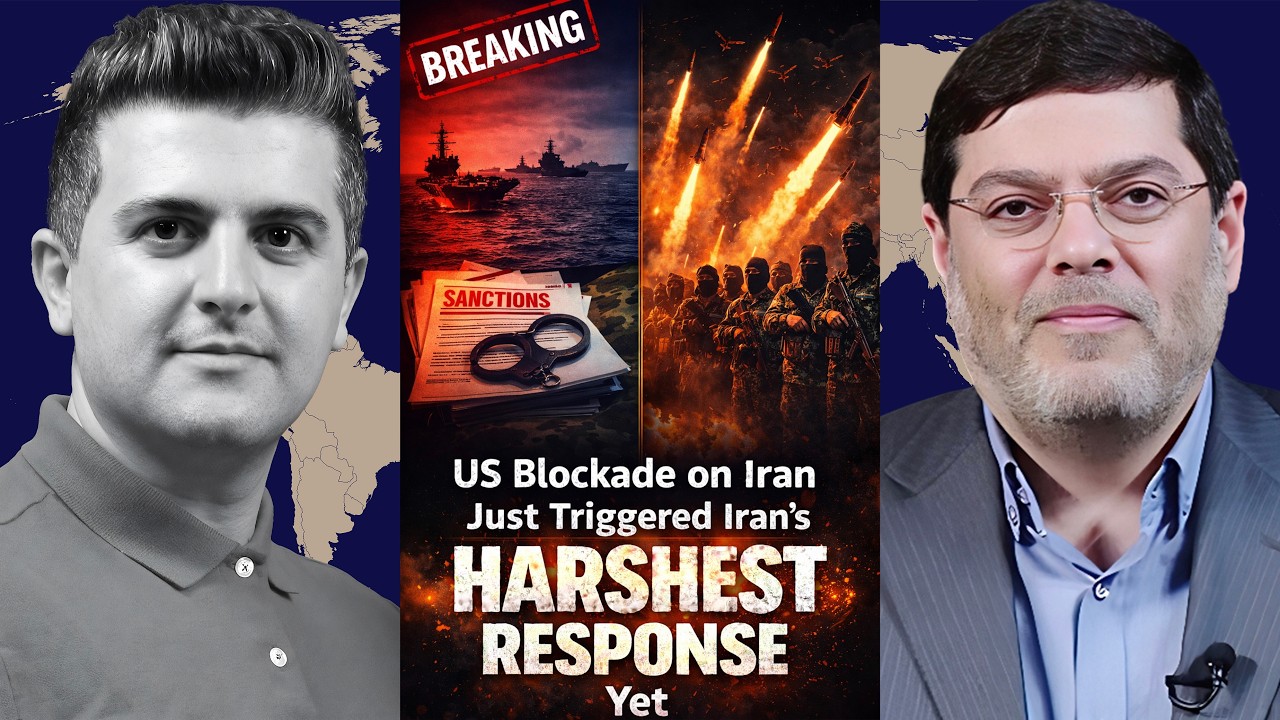
Seyed M. Marandi: US Blockade on Iran Just Triggered Iran’s HARSHEST Response Yet
"An Iranian professor details how US demands and an imposed blockade triggered Iran's harshest response, exposing American strategic missteps and the vulnerability of Gulf Arab states."