
Ray McGovern: Does Armageddon Loom? Iran Comes Close to “DECIMATING” Israel in the Coming Weeks
YouTube · X4FmPL72_48
Quick Read
Summary
Takeaways
- ❖The bombing of an Iranian school, killing 170 girls, and the assassination of Iran's supreme leader were US-led attacks, not Iranian self-inflicted damage, as evidenced by temporal impossibility.
- ❖Israel's Iron Dome and Patriot missiles are ineffective against Iranian hypersonic missiles, leading to significant, hidden damage within Israel.
- ❖Netanyahu is highly likely to use nuclear weapons if Israel faces an existential threat from Iranian conventional attacks.
- ❖US intelligence consistently reported that Iran ceased nuclear weapons development in 2003, contradicting narratives used to justify conflict.
- ❖Diplomatic efforts with Iran were sabotaged by the US/Israeli attacks immediately following promising negotiations.
- ❖Israel refused a mutual defense treaty with the US in 1973 to avoid internationally recognized borders and maintain unilateral military action.
- ❖The Trump administration's leadership, particularly Trump and Secretary of Defense Hexeth, are characterized as delusional and misinformed, receiving filtered intelligence.
- ❖Russia and China are actively involved in protecting Iran, providing sophisticated intelligence and signaling their intent to prevent Iran's obliteration, shifting the global power balance.
- ❖Arab states in the Persian Gulf are caught between their historical dependence on the US and increasing pressure from Russia to choose sides.
Bottom Line
The bombing of an Iranian school and the assassination of the supreme leader were deliberate provocations designed to force Iran into an overreaction, thereby creating a pretext for full-scale war and potential nuclear engagement.
This suggests a calculated strategy to escalate conflict rather than a mistake or defensive action, implying a willingness to sacrifice civilian lives and regional stability for geopolitical objectives.
Understanding this provocative strategy could inform diplomatic efforts to expose and counter such escalatory tactics, potentially leading to international condemnation and pressure for de-escalation.
Despite official narratives, US intelligence assessments from 2007 and annually since confirm Iran stopped working on a nuclear weapon in 2003 and has not resumed, directly contradicting justifications for current military aggression.
This highlights a significant disconnect between intelligence findings and political rhetoric, suggesting that the 'nuclear threat' from Iran is being manufactured or exaggerated to serve other agendas.
Publicizing these consistent intelligence findings could undermine the casus belli for war with Iran, fostering a more informed public debate and potentially shifting policy towards diplomacy rather than conflict.
Lessons
- Examine your personal conscience regarding complicity in ongoing conflicts and genocides, as inaction is a form of participation.
- Engage in non-violent but persistent resistance and advocacy against war and the abuse of power, drawing inspiration from historical figures who stood against empire.
- Demand transparency and accountability from government and intelligence agencies, especially concerning information that contradicts official narratives or justifies military action.
Notable Moments
Ray McGovern reads Daniel Berrigan's unpublished poem 'Some,' which calls for sustained, non-violent resistance against injustice, emphasizing the moral imperative to act 'because of the children.'
This moment serves as a powerful emotional and ethical anchor for the entire discussion, framing the geopolitical analysis within a broader humanistic plea for mercy and accountability, contrasting it with the 'no mercy' stance of some US officials.
McGovern recounts the self-immolation of Air Force member Aaron Bushnell outside the Israeli Embassy, quoting Bushnell's final message: 'Many of us like to ask ourselves what would I do if I were alive during slavery or Jim Crow or apartheid? What would I do if my country was committing genocide? The answer is you're doing it. You're doing it right now.'
This segment directly challenges listeners to confront their own responsibility and potential complicity in current global conflicts, transforming the abstract geopolitical discussion into a deeply personal and urgent call to action against perceived genocide and injustice.
Quotes
"Based on what I've seen, that was done by Iran. ... The only side that targets civilians is Iran."
"The notion that the Iranians did this themselves, you have a temporal impossibility. ... It's well recognized now that this was done by American fire, not Israeli."
"Israel cannot defend itself against Iranian hypersonic missiles. That has been proven. ... What happens if my military analyst colleagues are right and say, 'The Iranians place Netanyahu in dire straits. Will he resort to using a nuclear weapon?' And my answer to that is, knowing what I know about this person, yes, he probably would."
"We assess that Iran stopped working on a nuclear weapon at the end of 2003 and has not resumed work on a nuclear weapon."
"Many of us like to ask ourselves what would I do if I were alive during slavery or or Jim Crow or apartheid? What would I do if my country was committing genocide? The answer is you're doing it. You're doing it right now."
Q&A
Recent Questions
Related Episodes
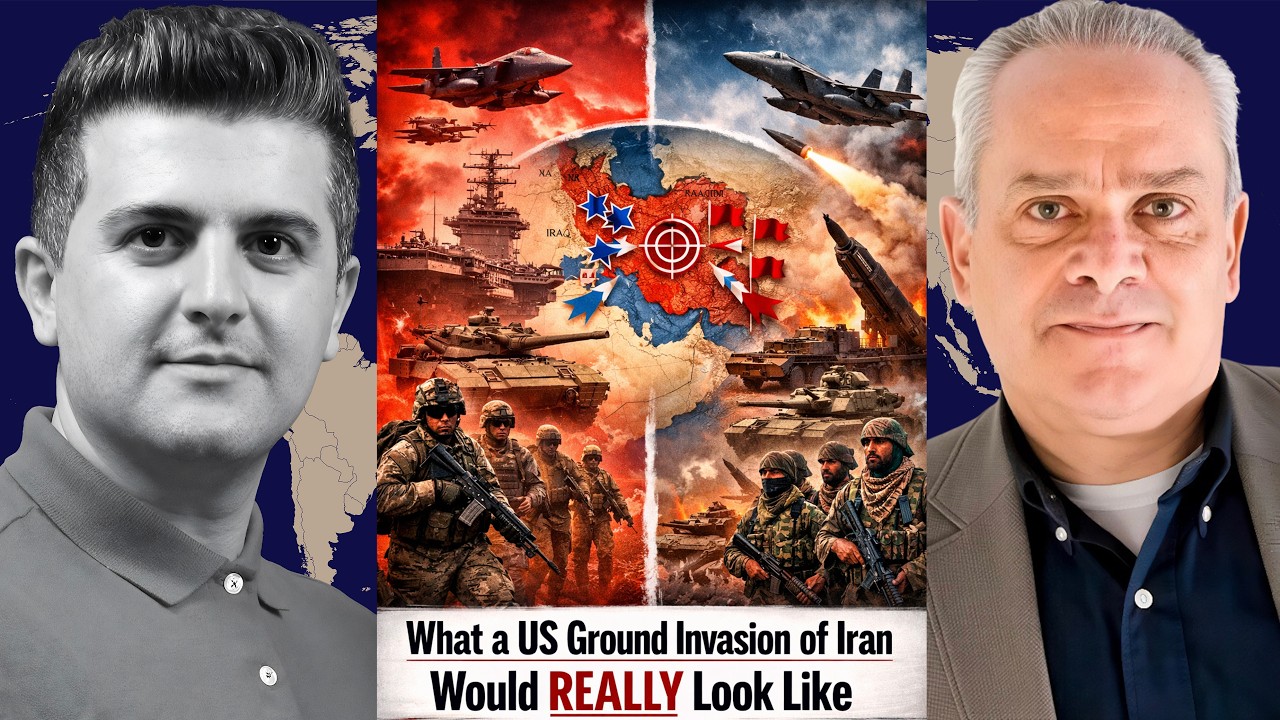
Col. Jacques Baud: What a US Ground Invasion of Iran Would REALLY Look Like
"Colonel Jacques Baud dissects the strategic futility of a US ground invasion of Iran, arguing that current troop levels are insufficient and such an action would backfire, exposing US allies and potentially leading to Iran's nuclearization."
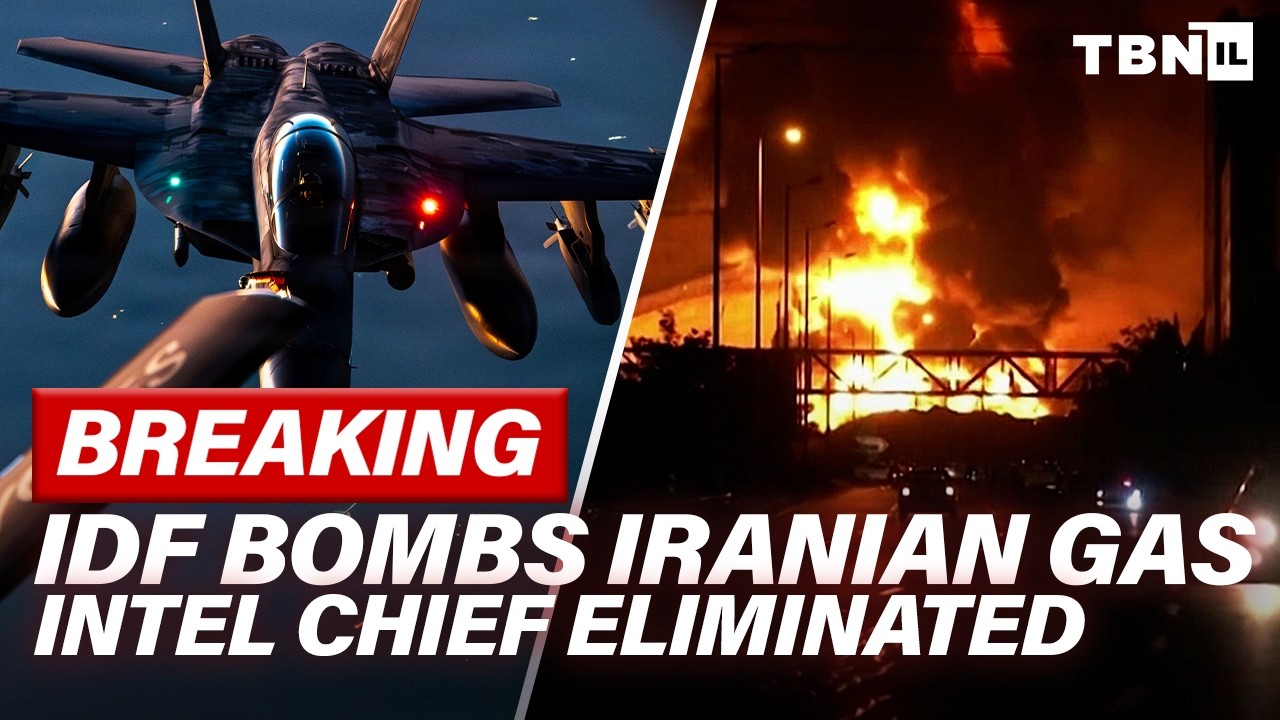
BREAKING: Israel BOMBS Major Iran Gas Site; Top Mullah ELIMINATED; Iran Vows VENGEACE | TBN Israel
"Israel and the United States have escalated their 'Roaring Lion War' against Iran, striking its largest gas facilities, eliminating key intelligence and military figures, and disrupting missile production, while Iran threatens a broader energy war in the Gulf."
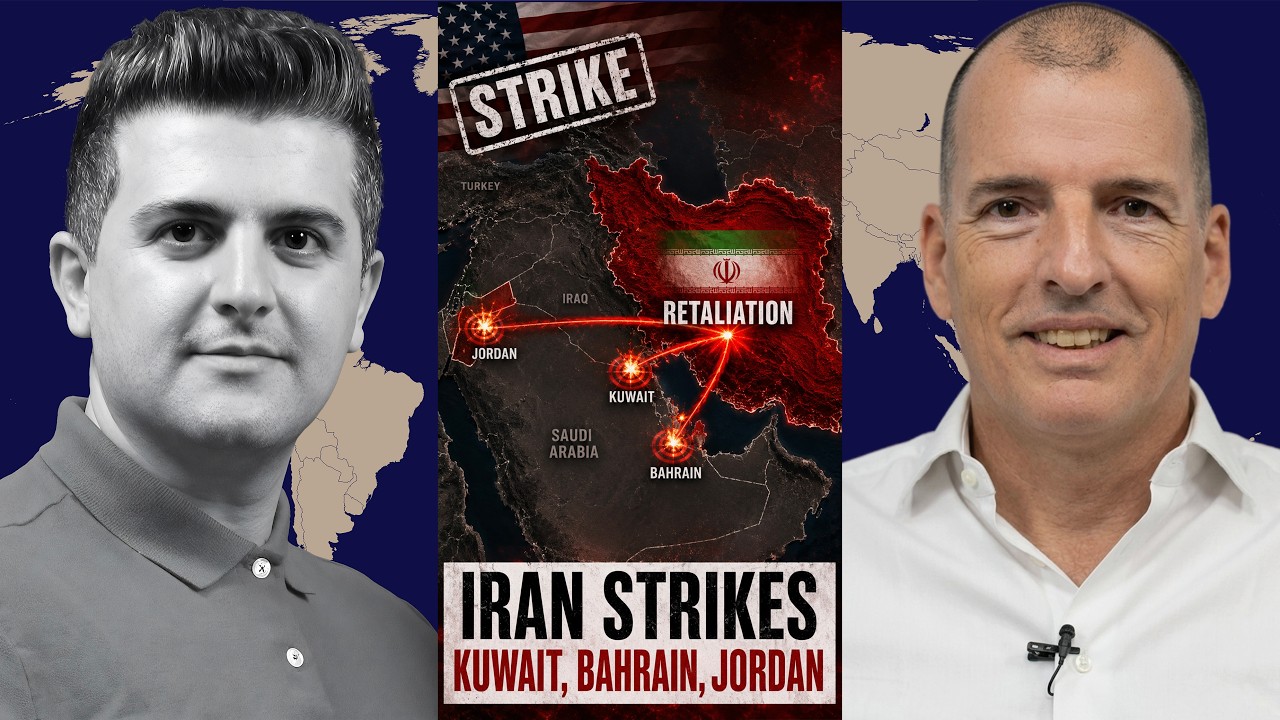
Alex Krainer: US STRIKES Iran – Iran RETALIATES Against Kuwait, Bahrain & Jordan!
"Amidst escalating US-Iran conflict and Iranian retaliation against regional US allies, this episode argues that US foreign policy is deeply controlled by an 'Anglo-Zionist conspiracy' led by the Rothschild banking dynasty, prioritizing Israeli interests over American ones."

Patrick Henningsen: Hezbollah JUST Fired Back at Israel - Iran Vows to “Crush” All Attacks
"Patrick Henningsen argues that the US and Israel initiated an illegal war against Iran, driven by Trump's incompetence and Israeli influence, leading to an inevitable escalation with severe global economic repercussions."