BREAKING: US SEIZES ANOTHER Iran Ship As Talks In Question
YouTube · XCXY_iHLg_w
Quick Read
Summary
Takeaways
- ❖US forces conducted another maritime interdiction and boarding of a sanctioned vessel linked to Iran, expanding the global blockade.
- ❖Iran views the continued US blockade and ship seizures as escalatory moves intended to humiliate them, jeopardizing peace talks in Islamabad.
- ❖A 'backdoor understanding' for de-escalation was reportedly broken by Trump's insistence on maintaining the blockade indefinitely.
- ❖Iranian officials express distrust towards US negotiators like Jared Kushner and Steve Witoff, believing them to be influenced by Israel.
- ❖Internal divisions exist within Iran between hardline IRGC commanders and more moderate officials regarding negotiations and the ceasefire.
- ❖Trump's 'whiplash diplomacy' – simultaneously threatening war and touting a new nuclear deal – creates confusion and distrust.
- ❖Iran is actively replenishing military technology and exploring alternative alliances with nuclear powers like China and Russia, preparing for a scenario without a US deal.
- ❖The temporary ceasefire is set to expire, creating a pivotal moment for either renewed talks or a return to escalation.
Insights
1US Expands Global Blockade with New Ship Seizures
The US Department of War announced another maritime interdiction and boarding of a stateless sanctioned vessel (MTFI) in the Indo-Pacific region, explicitly stating global enforcement efforts to disrupt illicit networks supporting Iran. This follows a previous seizure and signals a broader, global blockade strategy, not just limited to the Strait of Hormuz.
The Department of War announcement states, 'US forces just conducted a right of visit maritime interdiction and boarding of the stateless sanctioned MTFI without incident in the Indoaccom area of responsibility... will pursue global maritime enforcement efforts to disrupt illicit networks and interdict sanctioned vessels providing material support to Iran anywhere that they operate.'
2Iran Seeks Military Technology, Not Just Oil, Via Blockade Breaches
Analysis of recent ship seizures suggests the US blockade is primarily targeting military technology and assistance for Iran's war effort, rather than solely oil. Seized vessels were suspected of carrying military tech or chemicals vital for Iran's missile program, indicating a strategic focus on crippling Iran's rearmament capabilities.
The host notes, 'this was quote without incident in the Indopaccom... both of those were either on route from China and are suspected to have some sort of either military technology or assistance andor uh there's a specific chemical I was reading about, which is very helpful to the Iranian missile program.'
3Trump's Erratic Diplomacy Undermines 'Backdoor Understanding' with Iran
An initial 'backdoor understanding' for de-escalation, where Iran's foreign minister announced the reopening of the Strait of Hormuz, was immediately undermined by Trump's subsequent insistence on maintaining the US blockade indefinitely. This erratic behavior, possibly influenced by Israeli calls, caused Iran to halt further negotiations, viewing it as a breach of diplomatic trust.
Jeremy Scahill states, 'there was I'm told a sort of backdoor understanding that Arachi would post that and then Trump would say what he wanted about the good news... But then whether he got called by the Israelis or... Trump then moments later says, 'Wait a minute, no, we're we're keeping our blockade in force.''
4Iranian Negotiators Distrust US Counterparts Due to Perceived Israeli Influence
Iranian officials express deep distrust towards US negotiators like Jared Kushner and Steve Witoff, citing their lack of technical expertise and intelligence suggesting they were receiving information and direction from Israeli Prime Minister Netanyahu during negotiations. This perception of Israeli interference compromises the legitimacy and effectiveness of US diplomatic efforts.
Jeremy Scahill reports, 'Iranians told me that they have intelligence that uh Wickoff and Kushner, particularly Kushner, that they were getting information from the Israelis during the negotiations.'
5Iran Prepares for Post-US Deal Scenario by Cultivating Alternative Alliances
Iran is not solely relying on a deal with the US, actively engaging in parallel discussions with strategic partners, including nuclear powers like China and likely Russia. This strategy aims to establish a different form of deterrence and restore regional balance, preparing for a scenario where Trump's erratic behavior or Israeli influence prevents a comprehensive agreement.
Jeremy Scahill states, 'Iranian officials told me that they've been engaged in parallel discussions with their own strategic partners, including nuclear powers. By that I take it to mean China primarily, but also likely Russia, about uh what it looks like to establish a different form of deterrence or restore what they perceive as regional balance.'
Bottom Line
The US blockade's shift from primarily targeting oil to focusing on military technology suggests a strategic pivot towards crippling Iran's rearmament capabilities rather than just economic pressure, indicating a longer-term military containment objective.
This implies that even if sanctions relief were offered, the US might continue to interdict vessels carrying dual-use goods or military components, complicating any 'peace deal' that doesn't explicitly address Iran's military supply chains.
Companies involved in maritime intelligence, supply chain monitoring, or dual-use technology verification could find increased demand for services to navigate or enforce these evolving global blockade rules.
Iran's internal political structure, particularly the influence of hardline IRGC commanders versus more moderate foreign ministry officials, creates significant challenges for consistent negotiation and deal-making, mirroring similar internal divisions within the US administration.
This internal complexity means that even if a deal is struck, its longevity and enforcement could be jeopardized by shifting power dynamics within Iran, making any agreement inherently fragile.
Analysts and diplomats need to develop more sophisticated models for engaging with states that have fragmented power structures, focusing on multi-track diplomacy that accounts for diverse internal stakeholders rather than a monolithic 'state actor.'
Key Concepts
Escalation Trap
A situation where actions intended to deter an adversary inadvertently provoke a stronger response, leading to a cycle of increasing conflict. The hosts discuss how the US and Iran might be caught in this trap, where each side's aggressive moves push the other to retaliate or harden its stance, making de-escalation difficult.
Whiplash Diplomacy
A diplomatic approach characterized by rapid, unpredictable, and often contradictory statements or actions from a leader. Trump's simultaneous threats, ship seizures, and claims of impending deals exemplify this, creating confusion and undermining trust among negotiating parties.
Lessons
- Monitor global shipping routes and maritime interdiction reports closely, as the US expands its blockade efforts beyond traditional choke points, impacting international trade and supply chains.
- Analyze statements from both US and Iranian officials for inconsistencies and internal divisions, as 'whiplash diplomacy' and factionalism can rapidly alter negotiation prospects and regional stability.
- Consider the broader geopolitical implications of US-Iran tensions on global energy markets and international alliances, particularly the roles of China and Russia as Iran seeks alternative strategic partners.
Notable Moments
The US Department of War announces another maritime interdiction and boarding of a sanctioned vessel linked to Iran, expanding the global blockade.
This action directly escalates tensions and undermines the fragile peace talks, signaling a more aggressive and widespread US strategy to disrupt Iranian networks.
Discussion of a 'backdoor understanding' where Iran reopened the Strait of Hormuz, but Trump immediately negated it by insisting on maintaining the US blockade.
This highlights Trump's erratic diplomatic style and the lack of trust it generates, making future agreements difficult and demonstrating how quickly de-escalation efforts can be sabotaged.
Revelation that Iranian officials believe US negotiators like Kushner and Witoff are influenced by Israeli intelligence during talks.
This perception of external influence severely damages the credibility of US negotiators and fuels Iranian distrust, complicating any genuine progress towards a deal.
Quotes
"International waters are not a refuge for sanctioned vessels. The Department of War will continue to deny illicit actors and their vessels of freedom of maneuver in the maritime domain."
"This blockade has been about now so far in terms of the actual enforcement actions has been on trying to quell any of the military technology or military infrastructure needed to rearm for the war, not necessarily just for oil."
"Trump by imposing a siege and violating the ceasefire seeks to turn this negotiating table in his own imagination into a table of surrender or to justify renewed wararmongering. We do not accept negotiations under the shadow of threats."
"Trump's erratic behavior combined with the belligerence seems to have caused a problem moving forward. But the sense I get from the Iranians is that they are interested in reaching a deal. They are interested in talking, but they don't believe that they're walking into this as the weaker party on a tactical level. They think Trump is in trouble."
"Iran is not just putting all of its eggs in the basket of making a deal with the United States. It believes that China and Russia are not going to want this to go on."
Q&A
Recent Questions
Related Episodes
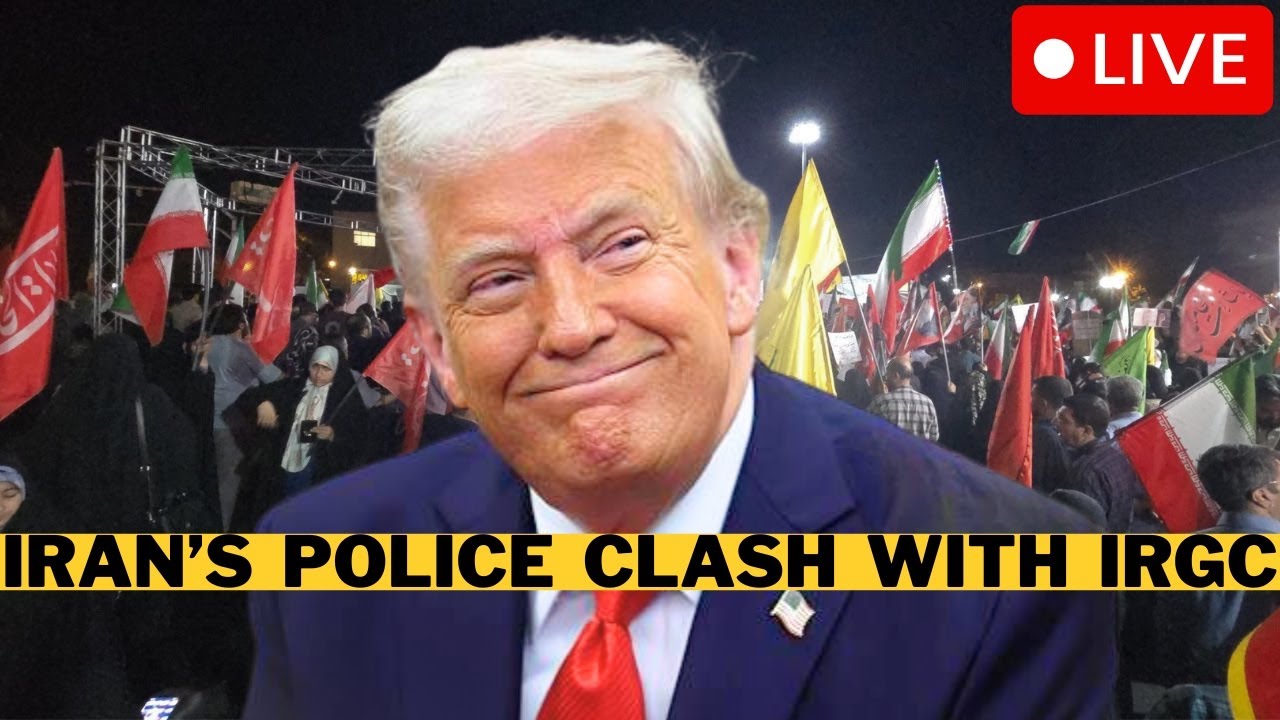
BREAKING: Protests ERUPT In Iran Over IRGC Surrendering To Trump - Infighting Clashes In Tehran
"Iran is experiencing severe internal infighting and protests as hardline IRGC elements clash with government figures over a perceived 'surrender' to the US, while mainstream Western media misrepresents the situation."

Patrick Henningsen: Hezbollah JUST Fired Back at Israel - Iran Vows to “Crush” All Attacks
"Patrick Henningsen argues that the US and Israel initiated an illegal war against Iran, driven by Trump's incompetence and Israeli influence, leading to an inevitable escalation with severe global economic repercussions."
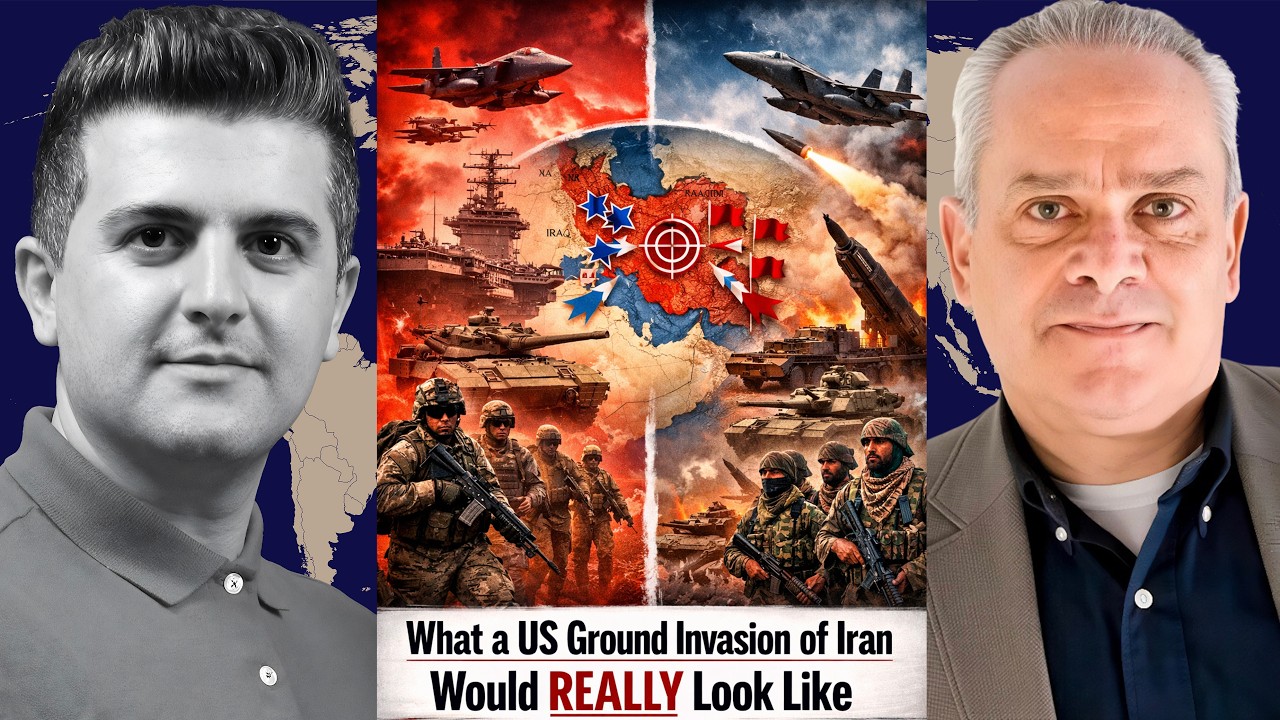
Col. Jacques Baud: What a US Ground Invasion of Iran Would REALLY Look Like
"Colonel Jacques Baud dissects the strategic futility of a US ground invasion of Iran, arguing that current troop levels are insufficient and such an action would backfire, exposing US allies and potentially leading to Iran's nuclearization."

Pentagon Prepares For EXTENDED War With Iran
"This episode dissects the geopolitical maneuvers surrounding potential US-Iran conflict, revealing strategic leaks, Netanyahu's diplomatic sabotage playbook, and the true intent behind economic sanctions."