Anthony Hamilton Talks D'Angelo, Angie Stone, Nick Cannon's Gift & Drake's Home | Club Shay Shay
YouTube · Xb_TuOx3o0w
Quick Read
Summary
Takeaways
- ❖Anthony Hamilton's hit song 'Charlene' was inspired by a real relationship that ended due to his demanding music career.
- ❖He experienced an unstable childhood, including his father's absence and being adopted at 14 after his mother 'picked the wrong man.'
- ❖His time as a backup singer for D'Angelo was a 'university' for learning true musicianship and stage control, teaching him to lead by following.
- ❖Hamilton believes R&B is not 'dead' but evolving, with young artists sampling 90s records and finding new ways to express soul music.
- ❖He actively collaborates across genres, working with rap artists like Drake, Busta Rhymes, and Tupac, and plans a country album, leveraging his unique voice.
- ❖Nick Cannon bought Hamilton his first car, a 1971 gold station wagon, as a gesture of appreciation for his professionalism on a video set.
- ❖He stresses the importance of early health screenings for Black men, citing D'Angelo's pancreatic cancer and Shannon Sharpe's prostate cancer diagnosis.
- ❖Hamilton emphasizes that money alone cannot fix all problems, especially in family relationships, and that true wealth involves smart investments and cherishing connections.
Insights
1The Real Story Behind 'Charlene' and Career Sacrifices
Anthony Hamilton reveals that his iconic song 'Charlene' is based on a real relationship that ended because his dedication to his music career left his partner feeling neglected. He explains that the unstructured nature of the music business, with unpredictable touring and late studio nights, makes traditional work-life balance impossible, requiring a partner who truly understands and can handle the lifestyle.
Hamilton states, 'It is a real story. Her name is now Charlene... it was a relationship, you know, and uh just working being focused on what I was born to do, man. Sing and go get it. And uh sometime it's not good enough to to be successful in your business and home suffer.' He adds, 'Music business is not structured. One minute you hot and the next minute you may not be.'
2Childhood Trauma and the Genesis of His Soulful Sound
Hamilton's powerful voice and emotional depth are deeply rooted in his challenging upbringing. He recounts his father's absence from age nine, leading him to 'grind harder' to prove his father 'messed up.' At 14, he was adopted into another family due to his mother's struggles, creating an unstable environment that fueled his drive and infused his music with 'pain' and 'grit.' He also witnessed a violent incident at age seven, further shaping his perspective.
He states, 'My dad, we we ended up being in our relationship for at least a good 20 years, but wasn't around like I needed him to... I felt betrayed... he broke my heart.' He continues, 'I ended up getting adopted when I was like 14... that unstable situation in my life, it, you know, it made me work harder. It put a little pain in there, a little grit.' He also mentions, 'You saw your uncle shoot your cousin's husband. Yeah. That was pretty crazy.'
3Learning to Lead by Following: The D'Angelo 'University'
Despite being a signed artist, Hamilton chose to become a backup singer for D'Angelo, viewing it as an invaluable learning experience rather than a step back. He describes the tour as a 'university' where he learned true musicianship, stage control, and dynamics from D'Angelo and his band, which included elite musicians. This experience, he asserts, made him a 'better artist all around' and taught him how to lead effectively.
Hamilton calls his time with D'Angelo 'one of the most... deepest learning I've ever done. Like I didn't go to four-year college, but I felt like that was a university that you couldn't even pay to get in.' He adds, 'I was able to learn how to lead from learning how to follow.'
4R&B's Evolution and the Power of Cross-Genre Collaboration
Hamilton dismisses the notion that R&B is 'dead,' arguing that its core elements are present in various genres, including rap and country. He actively bridges generational and genre gaps by collaborating with diverse artists like Drake, Busta Rhymes, Jada Kiss, and even country singers. His distinctive voice acts as a 'sample' that other artists seek out, ensuring his relevance and continuous work.
He states, 'I ain't never been to no funeral [for R&B]... the core of R&B and the core of soul music, it's in every rap song you ever heard, every country song, every church record. It's it's there.' He lists collaborations with 'Drake... Buster Rhyme... Jada Kiss, Young Jeezy... NL Chopper. So, that keeps me bridging the gap. I sound like a sample, so they want to be a part of that soul world.'
5The Importance of Early Health Screenings for Black Men
Hamilton and Sharpe emphasize the critical need for Black men to get regular health check-ups and screenings, particularly for conditions like pancreatic and prostate cancer. They share personal experiences, including D'Angelo's tragic passing from pancreatic cancer and Sharpe's early detection of prostate cancer, highlighting that early intervention significantly improves outcomes and allows for a better quality of life.
Sharpe discusses D'Angelo dying of pancreatic cancer and asks, 'Why is that so important for black men to get tested early?' Hamilton responds, 'Because if you catch something early enough, there's a chance that you can beat it.' Sharpe recounts his own prostate cancer detection at 35 due to early testing.
Bottom Line
Anthony Hamilton's unique vocal texture and delivery act as a 'human sample' for contemporary artists, allowing him to consistently collaborate across genres (rap, country, rock) without compromising his artistic identity.
This strategy provides a blueprint for legacy artists to remain relevant and generate income in a rapidly changing music industry, by understanding and leveraging their core, irreplaceable artistic assets.
Artists with distinctive vocal styles or instrumental talents could actively market themselves as 'featured samples' or 'signature sound providers' for producers and other artists, creating a niche service in music production.
Hamilton's decision to prioritize a backup singing role for D'Angelo, despite being a signed artist, was a strategic 'university' experience that taught him leadership and deep musicianship, which he later applied to his own successful career.
This highlights the value of humility and seeking learning opportunities, even if they appear to be a step down, as they can provide foundational skills and perspectives essential for long-term success and leadership.
Mentorship programs or 'apprenticeships' in creative industries could be reframed not just as entry-level positions, but as advanced 'masterclasses' for already established professionals seeking to deepen their craft and leadership capabilities.
Lessons
- Prioritize regular health screenings, especially for Black men, as early detection of diseases like cancer significantly improves treatment outcomes and longevity.
- Cultivate a diverse network of collaborators across different fields or genres to expand your creative reach and maintain relevance in evolving industries.
- Be present and actively involved in your children's lives, understanding that financial provision alone cannot replace emotional connection and guidance.
- Put ego aside to embrace learning opportunities, even if they seem to be a step back, as they can provide invaluable skills and perspectives for future leadership and growth.
- Invest wisely and understand financial management; making money is only part of the equation, while smart investments ensure long-term stability and growth.
Notable Moments
Anthony Hamilton recounts receiving his first car, a 1971 gold station wagon, as a gift from Nick Cannon, who was impressed by Hamilton's graciousness and professionalism during a video shoot.
This anecdote highlights the unexpected rewards of humility and a strong work ethic, demonstrating how positive personal conduct can lead to significant, life-changing gestures from others in the industry.
Hamilton describes his transformative experience as a backup singer for D'Angelo, calling it a 'university' that taught him profound musicianship and stage control, despite already being a signed artist.
This illustrates the importance of continuous learning and putting ego aside for growth, even for established professionals, showing how 'following' can be a powerful path to 'leading'.
Shannon Sharpe shares his personal story of early prostate cancer detection at age 35, prompted by a family history of cancer, emphasizing the importance of proactive health screenings.
This personal testimony from a public figure powerfully reinforces the critical message about early detection and regular health check-ups, particularly for communities with higher health risks.
Quotes
"Sometime it's not good enough to to be successful in your business and home suffer."
"Work life balance is 9 to5. But when you trying to get it like you were trying to get it, there is no balance. And you need to have someone that's in your life that can understand that."
"I was able to learn how to lead from learning how to follow."
"Boy, teeth and tongue should fall out, but family never should fall out."
"If you knew how little people cared about you, you would care less than what they thought about you."
Q&A
Recent Questions
Related Episodes

Unc & Ocho LIVE from WWE WrestleMania Radio Row: Jey Uso, CM Punk, LA Knight & MORE join | Nightcap
"WWE superstars Nia Jax, Lash Legend, Jacob Fatu, Charlotte Flair, CM Punk, LA Knight, Carmelo Hayes, and Zelina Vega, alongside bull riding champion John Kramer, offer raw insights into the demanding world of professional wrestling, its evolution, personal sacrifices, and the drive for greatness."
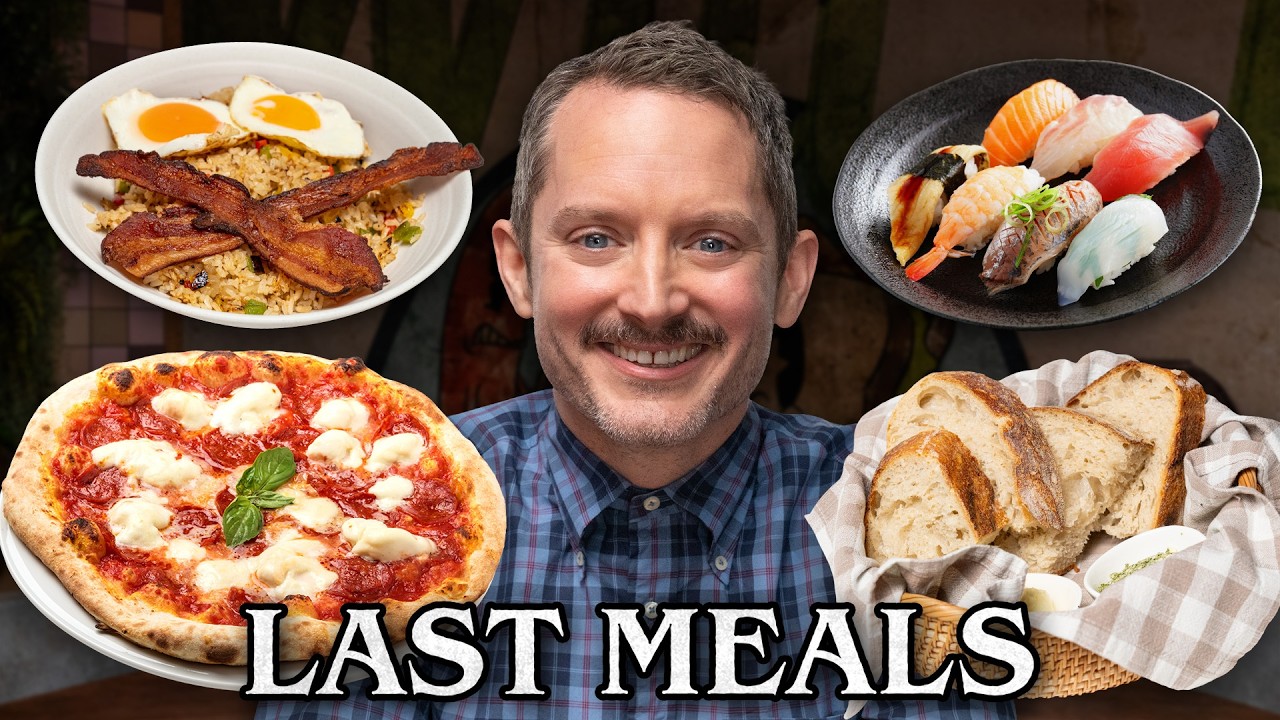
Elijah Wood Eats His Last Meal
"Elijah Wood reflects on his unconventional career path, the philosophy behind his genre film production company, and the profound influence of his mother's humility lessons, all while sharing his ultimate last meal."
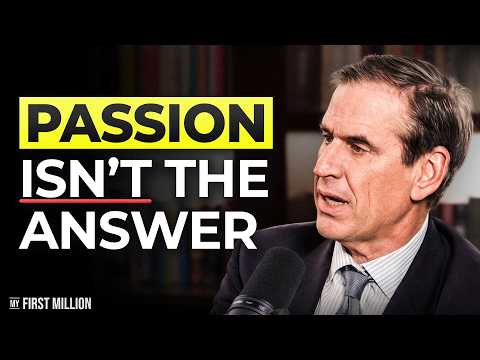
If you have career regrets in 2026, watch this.
"Discover why 7 out of 10 people regret their career choices and how embracing curiosity, continuous learning, and strategic peer groups can future-proof your path against AI and burnout."

PATREON EXCLUSIVE | The Human Experience (feat. Eric Benet and T.I) | The Joe Budden Podcast
"Eric Benét and T.I. offer candid insights into the evolving music industry, the challenges of maintaining authenticity, and their personal philosophies on career longevity, health, and societal changes."