BREAKING: IRGC Attacks U.S. Ships; Iran Nuclear Fears Spike; U.S. & IDF Prep Strike? | TBN Israel
YouTube · _a5-3x06egw
Quick Read
Summary
Takeaways
- ❖Iran's Revolutionary Guards launched missiles at the UAE and attacked ships in the Strait of Hormuz, escalating regional tensions.
- ❖The US Navy broke Iran's blockade in Hormuz, escorting two ships, and destroyed six small Iranian boats that interfered.
- ❖Iranian President Pazakan reportedly condemned the IRGC's attacks as "irresponsible" and "madness," indicating a significant internal leadership rift.
- ❖American intelligence assesses Iran could still develop a nuclear weapon within a year, even after previous strikes, due to remaining enriched uranium.
- ❖The US is considering military strikes against Iran, including oil production facilities and nuclear program components, but also seeks a deal that doesn't empower the IRGC.
- ❖Israel's IDF is on high alert, preparing for potential Iranian or proxy attacks, with reports of Israeli air defense systems assisting the UAE.
- ❖Iraq is offering significant discounts on oil for buyers willing to navigate the Strait of Hormuz, reflecting the high-risk environment.
- ❖The US is pressuring European allies, threatening troop withdrawals from Germany, to gain more active support against Iran.
Insights
1IRGC's Unauthorized Attacks Expose Internal Iranian Power Struggle
Iranian President Masoud Pazakan reportedly expressed "sharp anger" at the Revolutionary Guards for carrying out missile and drone attacks against the UAE and in the Persian Gulf without government knowledge or coordination. This indicates a significant rift between the civilian leadership and the military-ideological system, where the IRGC acts independently.
According to reports, the attacks... were not coordinated with the Iranian government. They were managed almost entirely within the circles of the revolutionary guards. () Iranian president Masoud Pazian was furious with the commander of the revolutionary guards, Ahmed Vahidi, following the attacks that were carried out without the government's knowledge. () Pazakan called the move madness and complete irresponsibility, one that could drag Iran into irreversible consequences. ()
2Persistent Iranian Nuclear Breakout Capability
Despite heavy US and Israeli strikes on Iranian facilities, American intelligence assesses that Iran could still develop a nuclear weapon within approximately one year. The primary concern is the unaccounted 440 kilograms of 60% enriched uranium, which could be further enriched to produce material for several bombs.
American intelligence is now presenting a waring assessment. Despite all the blows that it suffered, Iran is still capable of reaching a breakout to a nuclear bomb within about a year. () The updated American intelligence assessment says that the time Iran would need to build a nuclear weapon has not changed significantly. The estimate still stands at up to about one year. () The IAEA... still has not been able to verify the location of about 440 kilograms of uranium enriched to 60%. ()
3US Naval Action Challenges Iranian Control of Strait of Hormuz
The American Navy successfully broke through the Iranian blockade in the Strait of Hormuz, safely escorting two commercial ships. US Central Command confirmed Iran attacked American commercial and military vessels with cruise missiles, drones, and small boats, leading the US Navy to destroy six small Iranian boats and intercept missiles/drones. This directly challenged Iran's claims of control over the vital waterway.
Yesterday, the American Navy broke through the Iranian blockade on the straight and safely escorted two ships out. () The commander of the Sentcom, announced that Iran launched cruise missiles towards American ships and the United States Navy eliminated six small boats. () According to him, the United States destroyed six small Iranian boats that tried to interfere and intercepted the missiles and the drones. ()
4Israeli Air Defense Support for UAE Against Iranian Attacks
Reports indicate that Israeli air defense systems, quietly deployed in the UAE, helped intercept part of the Iranian missile and drone fire targeting Emirati territory. This operational cooperation highlights an evolving regional security alignment between Arab states and Israel against the common Iranian threat, a scenario considered unimaginable just a few years prior.
it was reported that an Israeli air defensive systems quietly deployed in the Emirati helped intercept part of the Iranian fire. () an Arab country in the Gulf under the Iranian fire, relying on Israeli knowledge and capability and personnel to defend itself against missiles and drones from Iran. ()
Bottom Line
The US is using its troop presence in Europe as leverage to pressure allies to take a more active stance against Iran.
This indicates a shift in US foreign policy, where security commitments are increasingly conditional on allies' alignment with American geopolitical priorities, particularly in the Middle East.
European countries might seek to diversify their security partnerships or enhance their own defense capabilities to reduce dependence on the US, or they might be forced to align more closely with US policy to maintain existing security umbrellas.
Iran's internal economic collapse, marked by extreme inflation and government grants, is a direct consequence of the ongoing conflict and sanctions.
This economic pressure could exacerbate internal dissent and leadership rifts, potentially leading to greater instability within the regime, which could either force concessions or provoke more desperate external aggression.
External actors could strategically amplify economic pressure and support internal opposition movements, though this carries risks of unintended consequences or further destabilization.
Key Concepts
Asymmetric Warfare
The podcast emphasizes that Iran's strategy relies on proxies, ballistic missiles, drones, and small boats to inflict pain and maintain denial, rather than conventional army-on-army combat. This makes traditional military responses less effective in achieving a decisive victory or fully eliminating threats like the Strait of Hormuz blockade.
Hostage Economy
Iran uses its control or threat over critical chokepoints like the Strait of Hormuz to hold global trade and oil prices "hostage," aiming to extract concessions and financial benefits. The world's efforts to find bypass routes challenge this model.
Lessons
- Monitor the Strait of Hormuz for shipping disruptions and the development of alternative trade routes, as Iran's actions are driving strategic shifts in global logistics.
- Track the internal power dynamics within Iran, particularly the relationship between the Revolutionary Guards and the civilian government, as this influences regional stability and the reliability of any future agreements.
- Assess the implications of US pressure on European allies regarding their engagement in Middle Eastern security, which could reshape defense spending and alliance structures.
Notable Moments
Iranian President Pazakan's reported fury over the IRGC's unauthorized attacks on the UAE.
This reveals a deep internal power struggle within Iran, suggesting the IRGC operates with significant autonomy, complicating any potential diplomatic resolution or understanding of the regime's true decision-making authority.
The US Navy successfully breaking the Iranian blockade in the Strait of Hormuz and escorting commercial ships.
This directly challenges Iran's perceived control over a vital global chokepoint, demonstrating US resolve and potentially weakening Iran's "hostage" strategy over oil routes.
Quotes
"If the Amiratis make mistakes, it will learn a lesson that it will never forget. If it takes an unwise action, all of its interests will become a target of Iran."
"Iran is not only threatening the Middle East, it is also beginning to tear apart from within."
"It doesn't really matter how hard you beat on the Iranian regime because as long as they live as long as they have factions somewhere with a rubber boat, with a missile, with a surface to sea missile, something they'll still harm the ships traveling through the street of hummus."
"It is impossible to find all the hidden facilities in the country. It also has an enormous population of around 90 million people. It's impossible to find everything that the Iranian regime has hidden. And because of that or due to that fact they might have the ability to continue pushing for a nuclear bomb without us knowing."
Q&A
Recent Questions
Related Episodes
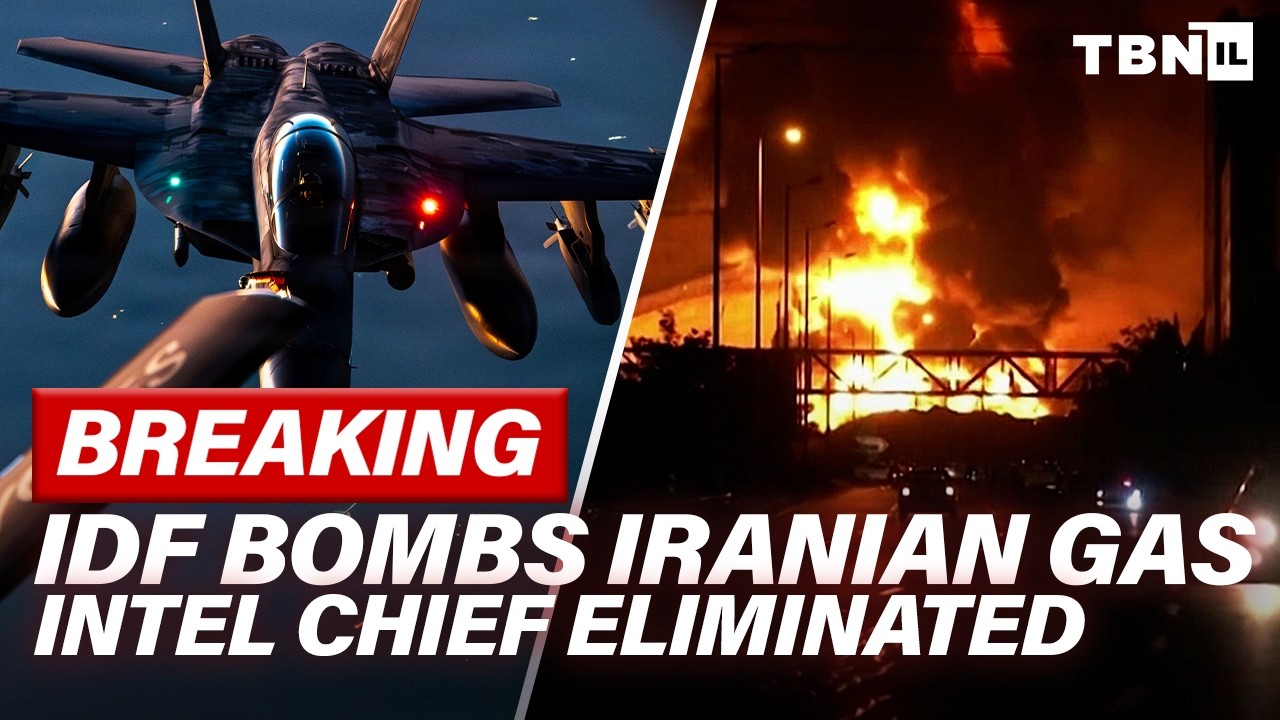
BREAKING: Israel BOMBS Major Iran Gas Site; Top Mullah ELIMINATED; Iran Vows VENGEACE | TBN Israel
"Israel and the United States have escalated their 'Roaring Lion War' against Iran, striking its largest gas facilities, eliminating key intelligence and military figures, and disrupting missile production, while Iran threatens a broader energy war in the Gulf."

Patrick Henningsen: Hezbollah JUST Fired Back at Israel - Iran Vows to “Crush” All Attacks
"Patrick Henningsen argues that the US and Israel initiated an illegal war against Iran, driven by Trump's incompetence and Israeli influence, leading to an inevitable escalation with severe global economic repercussions."
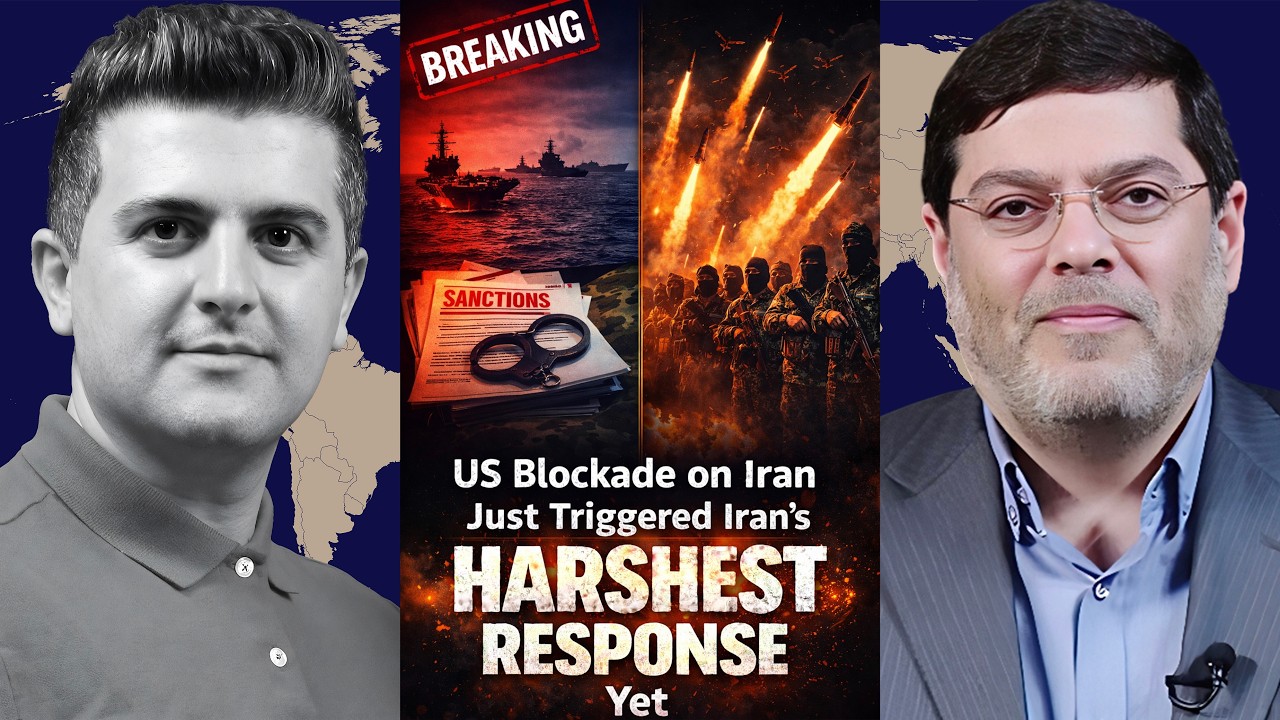
Seyed M. Marandi: US Blockade on Iran Just Triggered Iran’s HARSHEST Response Yet
"An Iranian professor details how US demands and an imposed blockade triggered Iran's harshest response, exposing American strategic missteps and the vulnerability of Gulf Arab states."
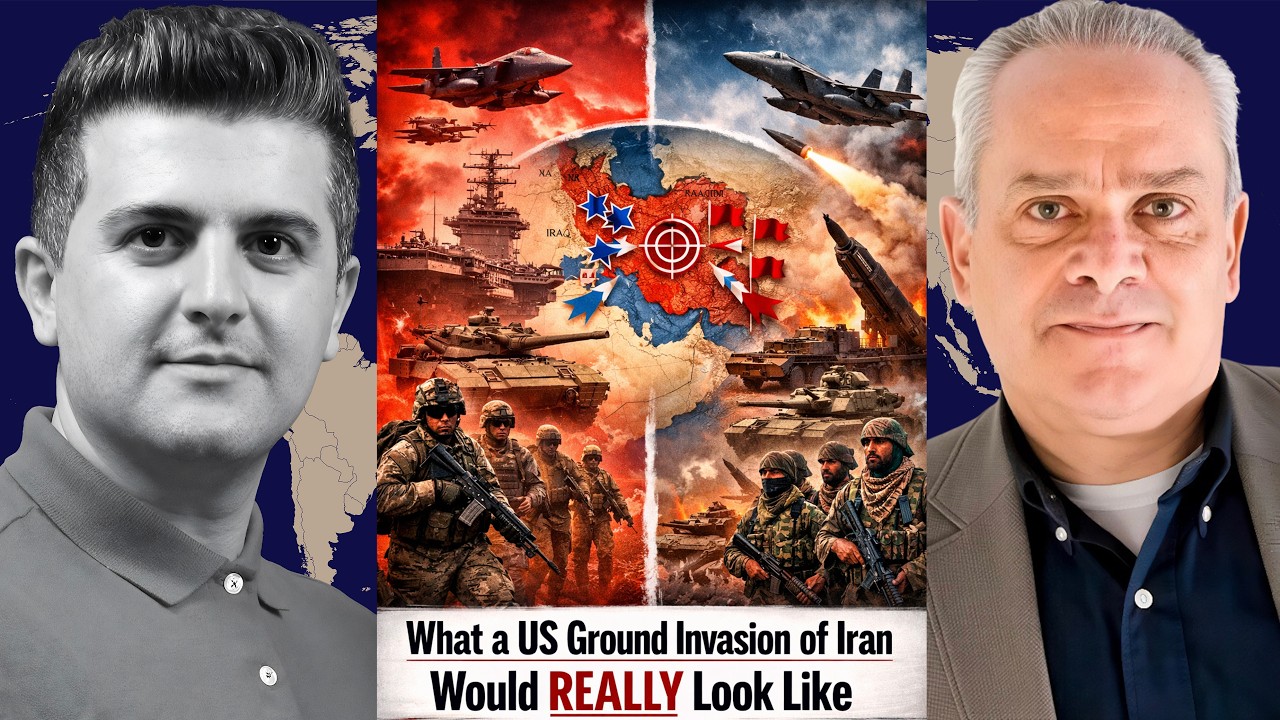
Col. Jacques Baud: What a US Ground Invasion of Iran Would REALLY Look Like
"Colonel Jacques Baud dissects the strategic futility of a US ground invasion of Iran, arguing that current troop levels are insufficient and such an action would backfire, exposing US allies and potentially leading to Iran's nuclearization."